Japan's GMO AI & Robotics Launches World's First 'Humanoid Ambulance' Rapid Maintenance Fleet
Category
humanoidPublished
September 9, 2026
Reading Time
4 min read
Author
Origin Of Bots Editorial Team
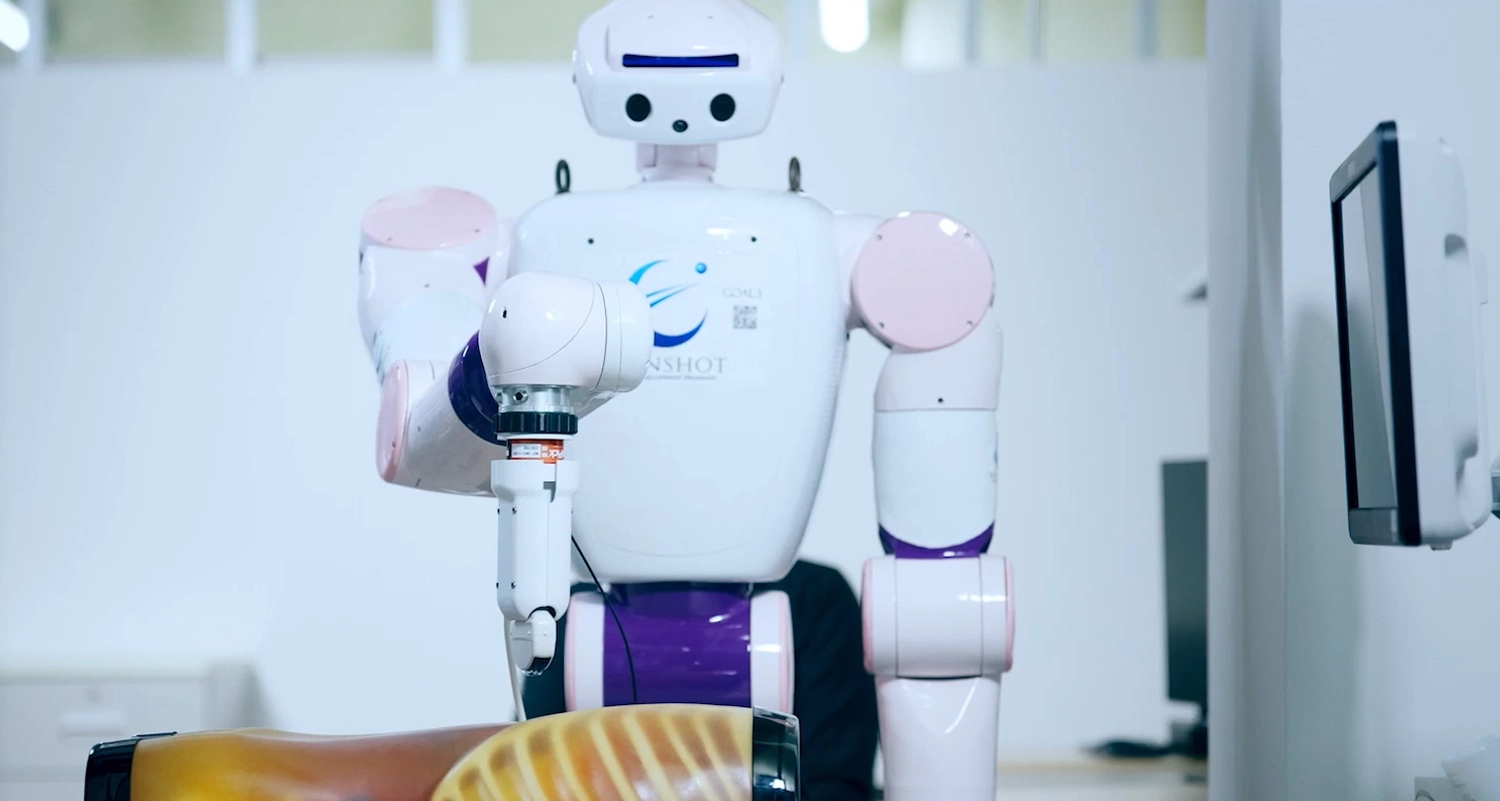
Addressing Critical Downtime in Commercial Humanoid Deployments
As hundreds of bipedal humanoid robots enter daily commercial service across Tokyo retail stores, transit hubs, and nursing facilities, operational downtime has emerged as a critical business bottleneck. When an autonomous machine suffers actuator strain or joint binding during peak operating hours, traditional return-to-depot repairs can leave enterprise clients stranded for several days.
To solve this operational crisis, Tokyo-based GMO AI & Robotics Commercial unveiled the 'GMO Humanoid Ambulance', establishing the world’s first mobile rapid-response repair service dedicated to embodied robotics. These specialized emergency support vehicles are engineered to rush directly to deployment sites, ensuring broken humanoids resume active duty within minutes rather than weeks.
Mobile Diagnostic Labs and Specialized Cleanroom Workstations
Each maintenance vehicle is outfitted as a self-contained precision engineering cleanroom, featuring climate-controlled diagnostic benches, laser-alignment rigs, and anti-static workstations. Certified mechatronics technicians on board utilize high-bandwidth optical bus analyzers to scan damaged humanoid nervous systems, isolating electrical shorts or firmware corruption.
This mobile hardware infrastructure allows engineers to perform delicate sensor recalibrations and gearbox flushes right outside customer facilities without risking dust contamination. By bringing factory-grade laboratory equipment directly to the curb, the mobile team eliminates the logistical friction and shipping hazards of transporting delicate multi-joint robots.
Onboard Modular Component Inventory and Hot-Swap Capability
A key innovation powering the service is its comprehensive onboard inventory of modular limbs, harmonic reducers, and battery packs compatible with major commercial humanoid brands. Technicians can unbolt a seized bipedal knee assembly and hot-swap a pre-calibrated modular replacement in less than twenty minutes.
This rapid modular turnaround is made possible by emerging industrial standards that harmonize mechanical mounting points and low-latency power-over-Ethernet communication protocols. Rather than waiting for bespoke replacement castings to arrive from overseas factories, enterprise operators experience near-instant hardware recovery.
Provision of Temporary Stand-In Humanoid Units
In cases where a robot sustains severe structural chassis damage or complex internal processor failures, the service vehicle deploys an immediate stand-in humanoid. Every maintenance van carries fully charged, general-purpose bipedal units ready to step onto the customer's sales floor or assembly line.
The technician simply transfers the damaged robot’s encrypted neural profile, operational memory, and customer greeting scripts directly into the temporary replacement unit over a secure local link. This seamless personality and behavioral transfer guarantees uninterrupted operational continuity for retail stores, hotels, and healthcare clinics.
Alignment with Japan's National AI Robotics Strategy
The launch of the humanoid ambulance fleet aligns directly with the Japanese government's recently enacted 'AI Robotics Strategy', which aims to offset severe demographic aging through widespread automation. With labor shortages acute in eldercare and customer service, public policymakers recognize that maintaining robot fleet reliability is as vital as the robots themselves.
GMO’s mobile support initiative provides the essential public infrastructure needed to inspire confidence among risk-averse businesses contemplating their first robotic hires. Government transport authorities have granted the repair fleet special commercial transit permissions, allowing them to navigate congested Tokyo thoroughfares efficiently.
Predictive Telemetry and Cloud-Based Dispatch Optimization
Beyond reactive emergency calls, the maintenance vehicles operate on an AI-driven predictive dispatch system connected to centralized fleet telemetry. Onboard sensors inside deployed commercial humanoids continuously stream actuator thermal readings, vibration harmonics, and battery degradation patterns to GMO’s monitoring hub.
When predictive algorithms detect anomalous friction spikes indicating imminent gearbox failure, a maintenance van is routed to the customer before the robot breaks down. This proactive servicing paradigm transforms unforeseen mechanical breakdowns into planned preventative checkups scheduled during off-peak hours.
The Maturation of Secondary Support Ecosystems in Robotics
The establishment of dedicated humanoid emergency services marks a definitive milestone in the maturation of the embodied AI industry. Just as the emergence of automobile roadside assistance and specialized mobile repair fleets catalyzed the automotive revolution a century ago, robotics is building its vital aftermarket backbone.
As humanoid workers become permanent contributors to economic productivity, specialized service ecosystems will safeguard their continuous uptime and safety. The humble repair van has evolved into a high-tech lifeline, ensuring that the robotic workforce of tomorrow remains reliable and ready.
Sources
Related Articles
Lumos Robotics positions MOS 2 as a factory-ready humanoid built for teleoperation and heavy handling

Figure AI Signs Landmark $3.5B Cloud Compute Partnership with Nscale for 100,000 NVIDIA Vera Rubin GPUs
IFA 2026 Berlin Showcases Next-Gen Commercial Humanoids: AGIBOT A3 and Xiaomi CyberOne Make European Debuts