LiberAI LEO: Beijing Startup Unveils a Humanlike Robot That Learns From 2.2 Million Hours of Human Experience
Robot Details
LiberAI LEO • LiberAIPublished
November 4, 2026
Reading Time
5 min read
Author
Origin Of Bots Editorial Team
A New Robot Built to Learn the Way People Move
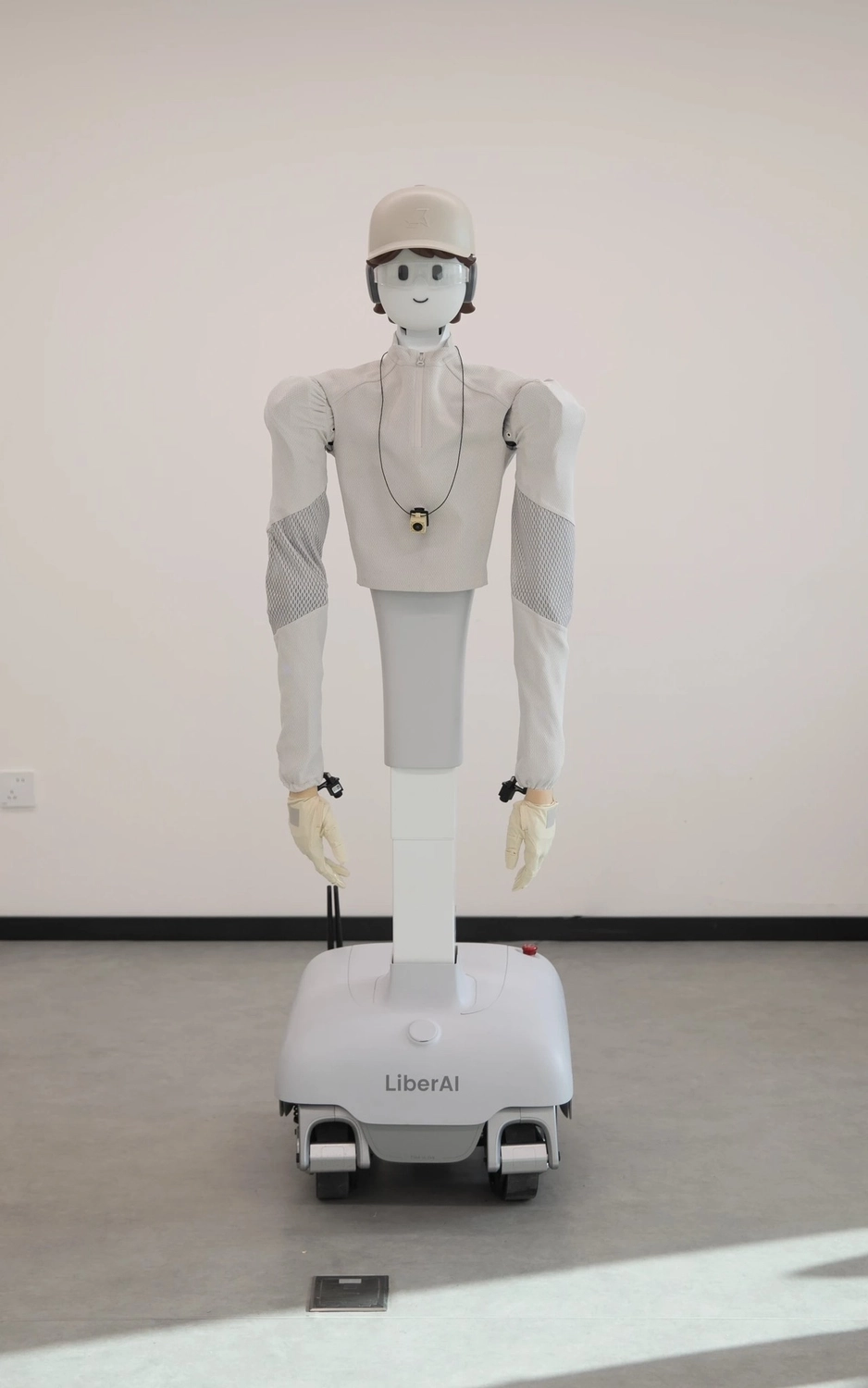
LiberAI, a Beijing startup that is less than a year old, has introduced LEO, a humanoid robot designed around one simple idea: if a robot moves and sees the world the way people do, it can learn directly from people. LEO was unveiled on November 4, 2026, together with Liber-0, the AI model that drives it, and the LiberSense Glove, a wearable that records how human hands work.
The announcement matters because the hardest problem in home and service robotics is not building arms and hands, it is teaching them. Collecting robot training data one demonstration at a time is slow and expensive. LiberAI is betting that the enormous amount of everyday human activity already captured on video can become the robot's teacher instead.
What LEO Looks Like
LEO has a humanlike upper body mounted on a wheeled base. It combines dexterous five-fingered hands, slim forearms, wrists that can twist in three directions without moving the forearm, and a waist that bends and turns so the robot can lean over a counter or reach to different heights.
Those choices are deliberate. Slim forearms lower the chance of bumping into things in tight spaces, and the flexible wrists let LEO rotate and place objects much like a person would. LiberAI has not published LEO's height, weight or joint count, and the company presents it as its own research and demonstration platform rather than a product for sale.
Seeing the World Through Human Eyes
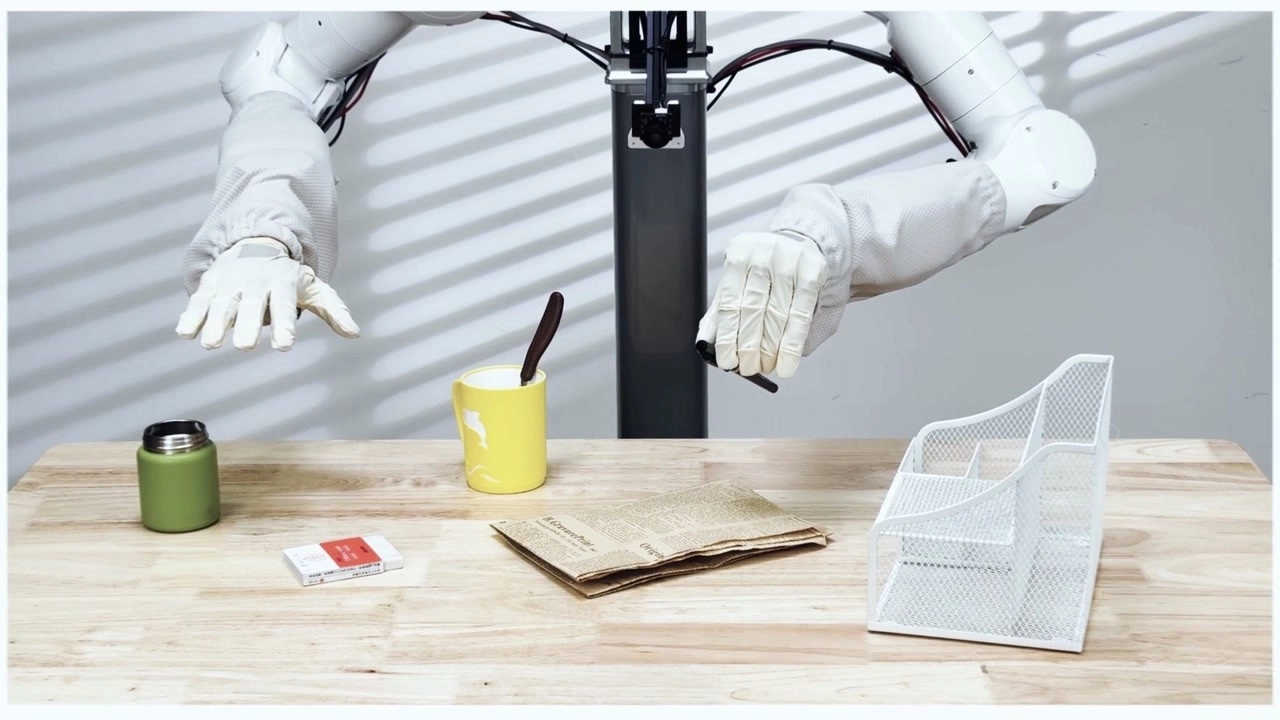
One of LEO's less obvious features is where its cameras sit. LiberAI placed them on the chest and wrists so the robot sees a task from almost the same angle as a person wearing a camera on the chest and wrists while doing the same job.
That alignment means video recorded by people looks very similar to what LEO sees when it works. In LiberAI's side-by-side clips, a human hand and LEO's hand reaching for the same object appear in nearly identical views, which shrinks the gap the AI has to bridge when it turns human examples into robot motion.
The Brain Behind LEO
LEO runs Liber-0, which LiberAI calls a world action model. Instead of only deciding what to do next, the model predicts how a scene will change and which actions will produce that change, linking what it sees, what it does and what happens as a result.
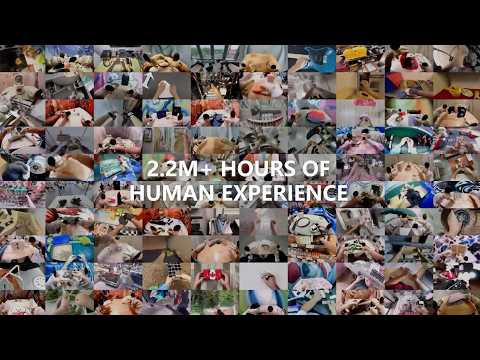
Liber-0 was pretrained on more than 2.2 million hours of human experience, combining huge amounts of everyday human video with precise hand-motion recordings. The idea is that broad video teaches the model how the physical world behaves, while the precise recordings teach it how hands actually achieve a goal.
A Glove That Records Human Skill
The second piece of new hardware is the LiberSense Glove, a light wearable that measures finger movements directly while cameras on the chest and wrists film the scene. Its skin-toned exterior keeps the hand looking natural on video, so the recordings stay close to ordinary footage of people at work.
LiberAI's tests suggest this glove data is especially valuable. In its experiments, a small amount of glove recordings did more for the robot's fine handling skills than far larger amounts of general web video, and combining glove data with only a fraction of the usual robot demonstrations still produced strong results on LEO.
Tasks It Was Never Taught
The headline claim is zero-shot ability, meaning the robot attempts jobs it was never specifically trained on. LiberAI asked another AI system to propose 60 tasks, from simple pick-and-place moves to challenging multi-step chores, and ran each one 10 times.
Across those 600 trials, Liber-0 succeeded 36.0 percent of the time without any robot demonstrations collected for those tasks. That is far from perfect, but for a robot handling jobs it has never practiced, it is a notable starting point. These figures come from LiberAI's own testing and have not yet been independently verified.
From Lab Demos to Bubble Tea
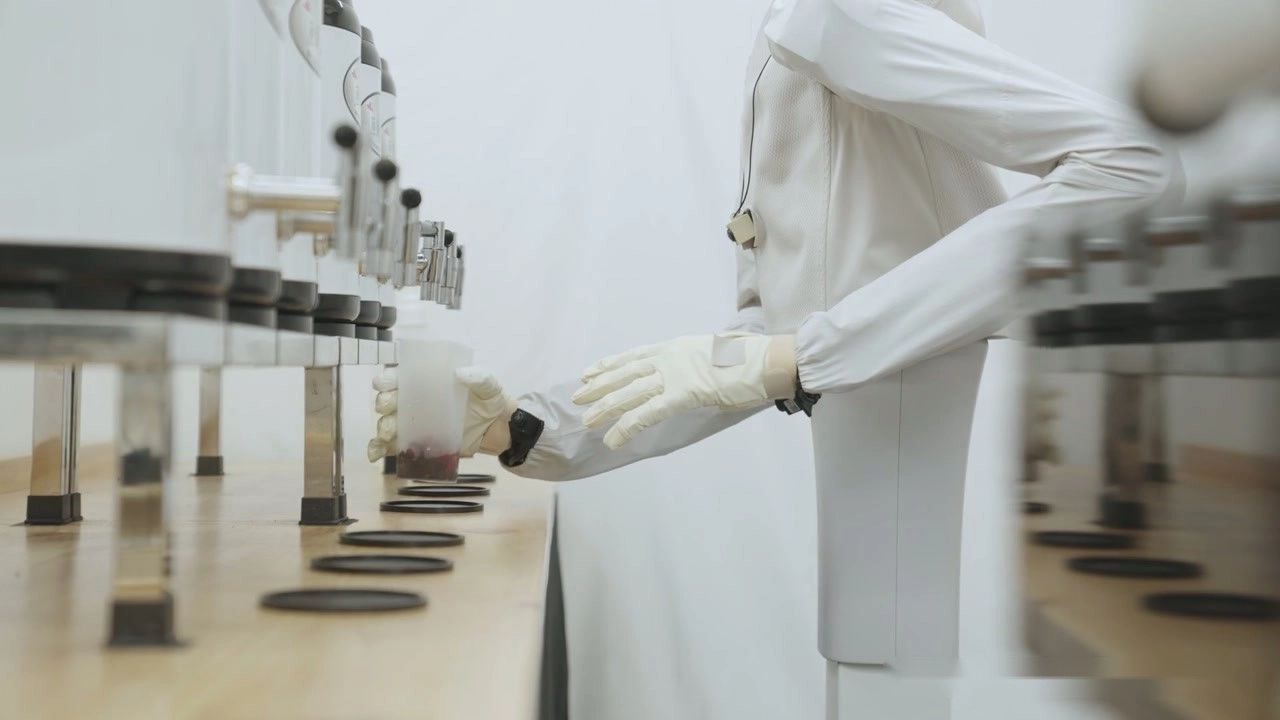
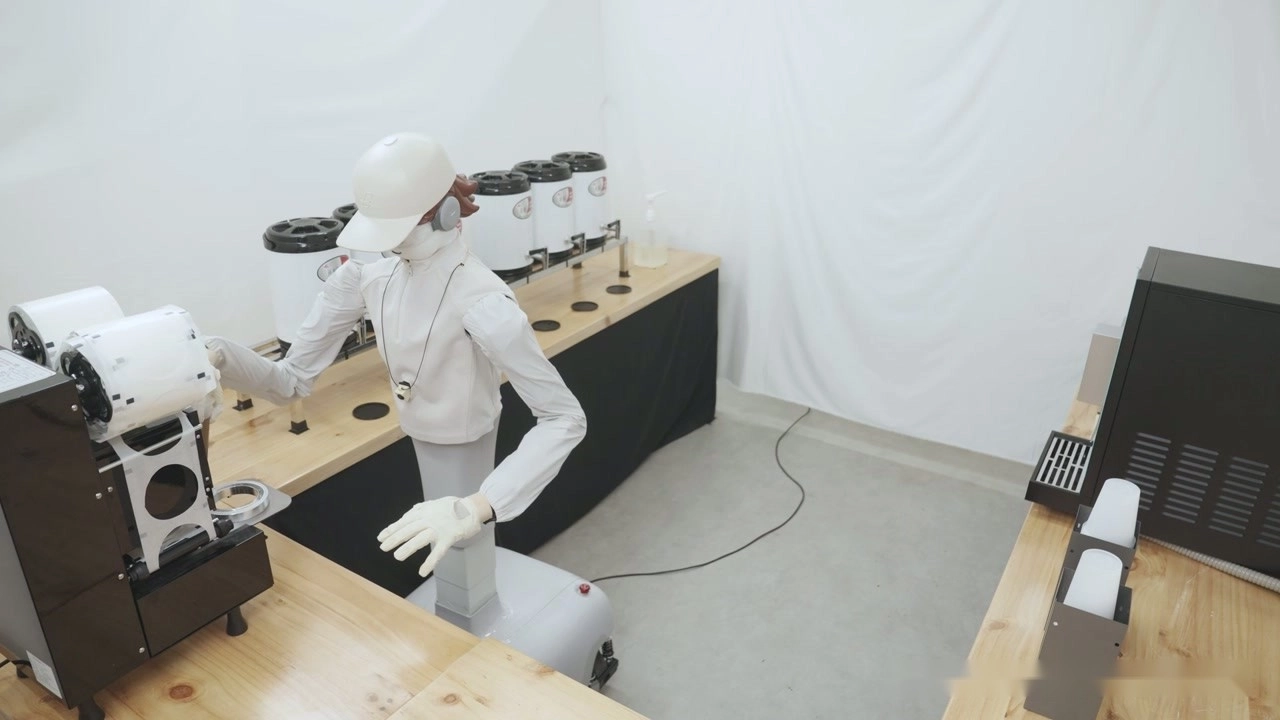
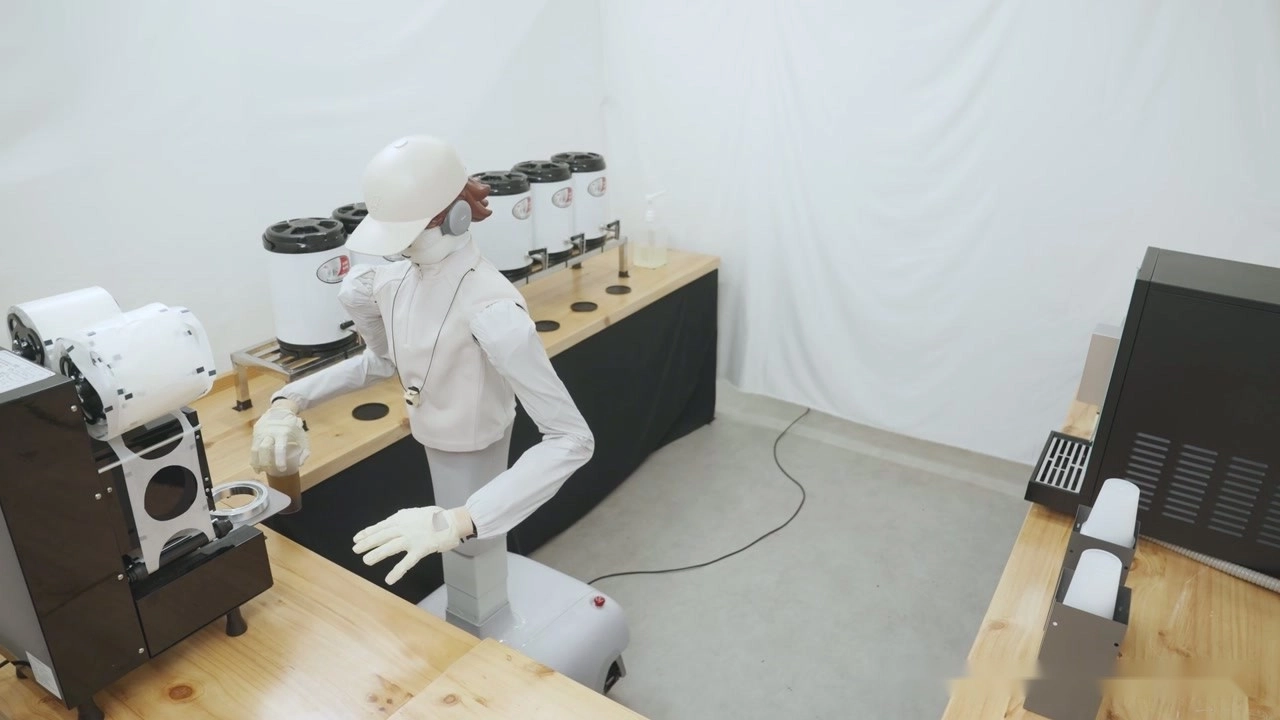
LiberAI's videos show LEO folding paper, placing cups, pulling tissues from a box, packing items, seasoning and covering a pot, and wiping a table. The most eye-catching clip shows LEO preparing bubble tea fully autonomously, moving along a counter of dispensers, filling and sealing a cup and handing over the finished drink.
The bubble tea demo shows the second half of LiberAI's plan: once the model has broad skills from human data, it can be adapted quickly to a specific real-world workflow. That is the kind of job, repetitive and hands-on, where cafes, kitchens and eventually homes could use help.
What Comes Next for LiberAI
LiberAI was founded in December 2025 by Songming Liu, a Tsinghua University computer science PhD, and says its mission is to bring general-purpose home robots into everyday life. LEO and Liber-0 are its first major public step toward that goal.
The company is candid that performance on difficult, long tasks is still limited, and it has not announced prices or a sale date for LEO. For now, LEO is best seen as a showcase of a promising recipe: let robots learn from the vast record of how people already do things, then give them a body that can copy it.
Explore Humanoids

Sources
- Liber-0: Emergent Zero-Shot Capabilities in Multi-Step Manipulation from 2.2 Million-Hour Human Experience
- Introducing Liber-0 | Zero-Shot, Multi-Step Robot Manipulation
- LiberAI Unveils Liber-0, a World Action Model That Grounds Human Experience in Robot Action
- From human experience to robot action: LiberAI launches Liber-0 world-action model
Related Articles
Meet Sagi, PHYMI's Centaur-Style Robot With Four Wheeled Legs and a Cargo Box on Its Back
AiMOGA Unveils MOBO, a Home Companion Robot Linked to LUXEED Cars
South Korea's ETRI Unveils Its Own Humanoid Robot Brain at a Physical AI Showcase

AgiBot G2 Robots Finish a 24-Hour Shift in a Shanghai Convenience Store, and Four of Six Pass
Related Comparisons
Compare LiberAI LEO with similar robots
Figure 03 vs NEO Home Robot
Figure 03 from Figure AI vs NEO Home Robot from 1X Technologies: runtime, hands, safety and AI compared, with a clear pick by need.
Pepper vs AIREC
Pepper or AIREC? Compare these two humanoid robots on purpose, sensors, AI, arms and battery, from customer service to elderly care research.


Optimus vs Unitree G1
Compare Optimus vs Unitree G1 for humanoid mobility, dexterity, autonomy, and payload capacity.
Unitree G1 vs Unitree H1
Head-to-head: Unitree G1 vs Unitree H1 compared on bipedal balance, AI learning, and real-world deployment.
Learn More About This Robot
Discover detailed specifications, reviews, and comparisons for LiberAI LEO.
View Robot Details →