Mobile Industrial Robots’ MiR600 is built for heavier pallet moves in factory and warehouse automation
Robot Details
MiR600 • Mobile Industrial RobotsPublished
June 7, 2026
Reading Time
3 min read
Author
Origin Of Bots Editorial Team
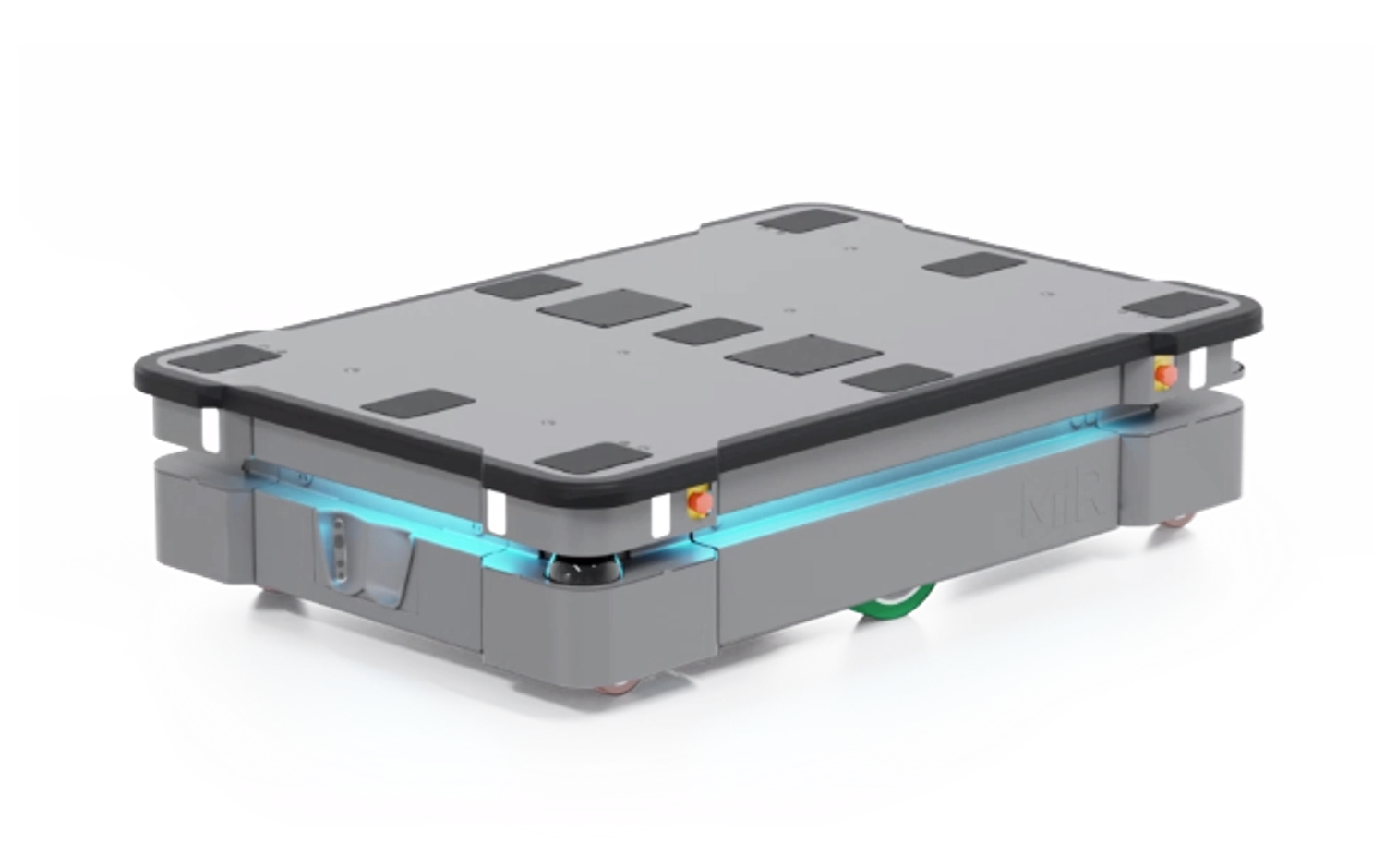
Heavy loads, narrow lanes
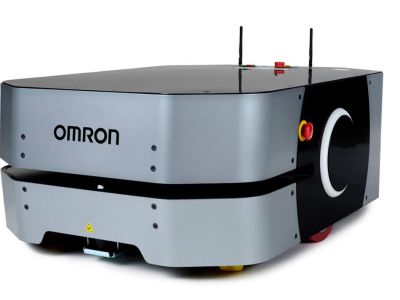
In industrial facilities, the hard problem is moving heavy loads repeatedly without compromising safety or throughput. Mobile Industrial Robots’ MiR600 is positioned to do exactly that, with the company’s specifications describing an autonomous mobile robot for internal transportation of pallets, heavy racks, and industrial containers.
Why it stands out
The MiR600’s significance comes from how it combines payload, speed, and safety in a format meant for structured manufacturing environments. Mobile Industrial Robots says it can move up to 600 kg at 2.0 m/s on a flat surface, while its safety package centers on 360-degree laser protection, 3D obstacle detection, and compliance with industrial safety standards including ISO 3691-4 and ISO/EN 13849. Its navigation is based on SLAM, which supports autonomous route creation in mapped indoor spaces rather than fixed-track movement. The MiR600 is less about replacing conveyors than about giving factories a safer, more flexible heavy-load route.
How it works
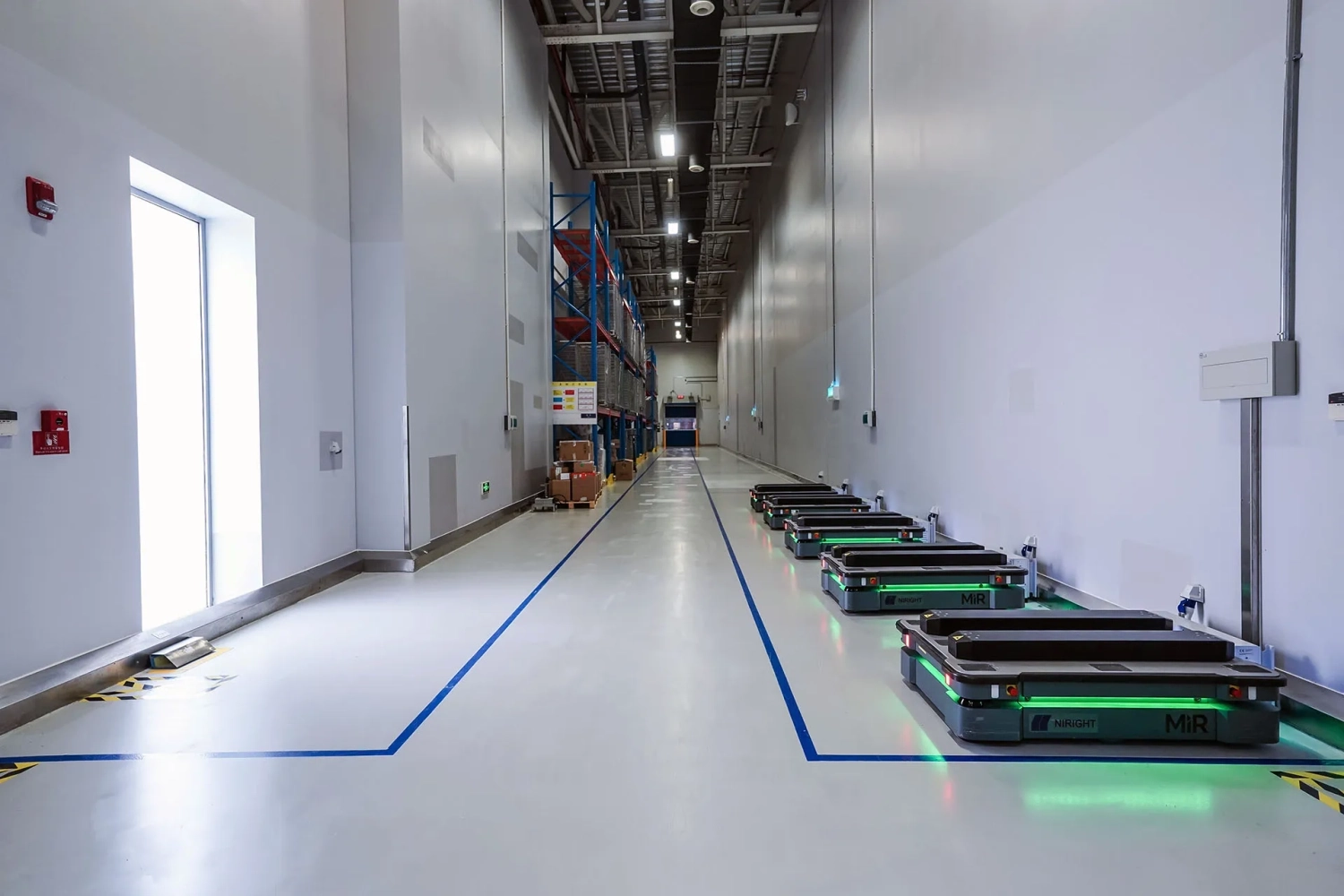
Input begins with a task assigned through the fleet software and warehouse system integration, which tells the robot where a pallet or container needs to go. Processing comes from SLAM navigation, safety laser scanners, and 3D cameras that help the system map the environment, avoid obstacles, and manage motion in shared industrial spaces. Output is the transport of the load to its destination with safeguarded stop behavior and safety-aware movement suited to repetitive material handling.
Pallet handoff in production
A realistic deployment scenario is a production line that needs a steady handoff of pallets between staging and a downstream workstation. In that setting, the MiR600 is designed to reduce manual forklift trips by taking over repetitive internal transport while operating in mapped areas with workers and moving equipment nearby. The value is not just moving material, but keeping the handoff sequence predictable enough to support line uptime and repeatability.
Specs that matter
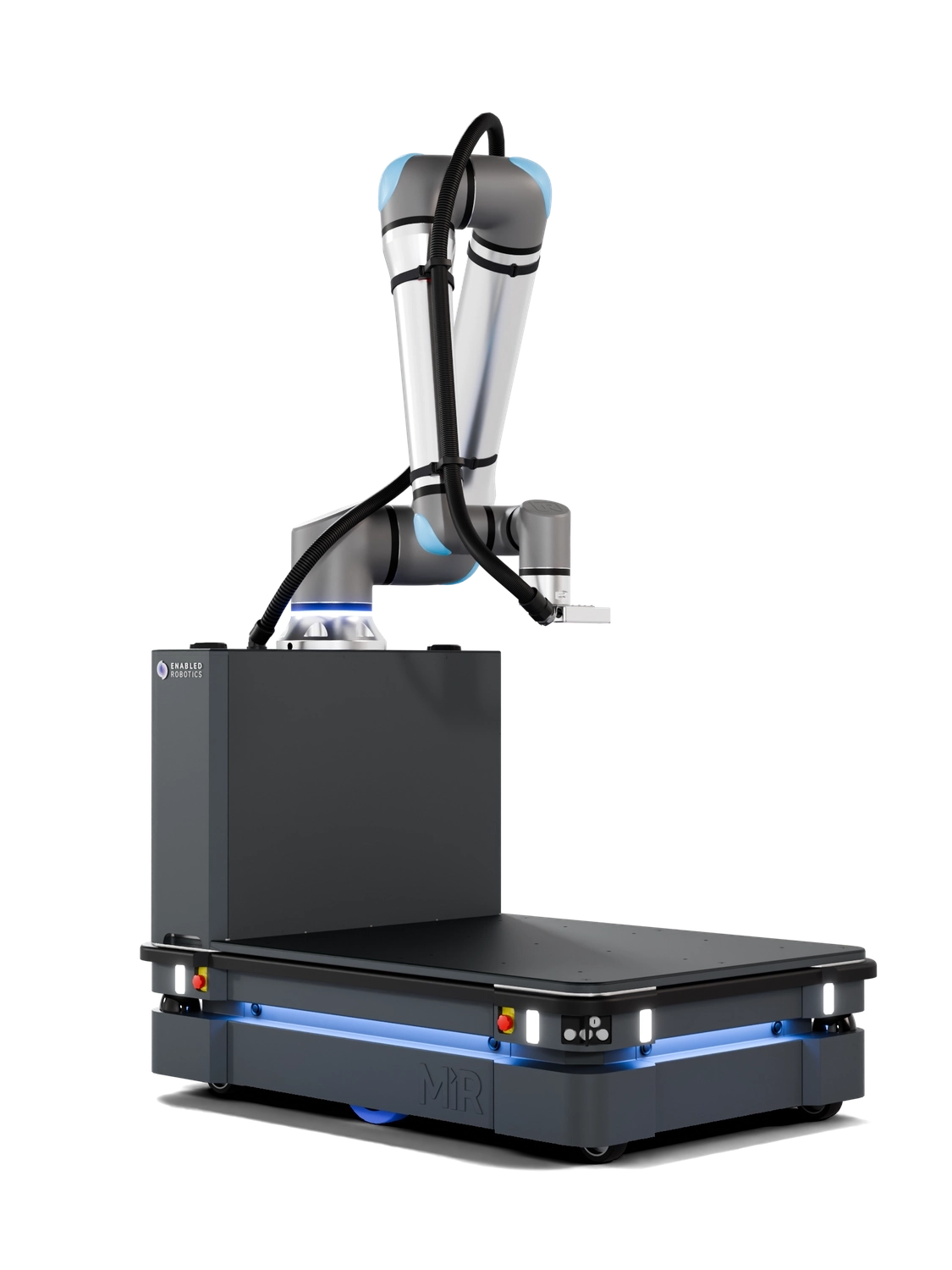
Its reported 1,350 mm by 910 mm by 322 mm footprint and 243 kg weight indicate a machine sized for factory aisles rather than open logistics yards. The 600 kg payload, 2.0 m/s top speed, and acceleration limits of 0.37 m/s² with payload and 0.41 m/s² without payload are the numbers that translate into faster internal transport without making the robot overly abrupt around people and equipment. Mobile Industrial Robots also says the battery is rated for 5 years or 3,000 full charging cycles, and the dual SICK microScan3 scanners plus dual Intel RealSense D435 cameras are intended to provide layered detection around the robot.
Rivals Edge Check
| Robot | Key Advantage | Where MiR600 Wins | Target Use |
|---|---|---|---|
| OTTO 600 | Strong emphasis on autonomous pallet transport in factory logistics | Higher-capacity payload handling with full 360-degree safety sensing | Pallet movement and internal logistics |
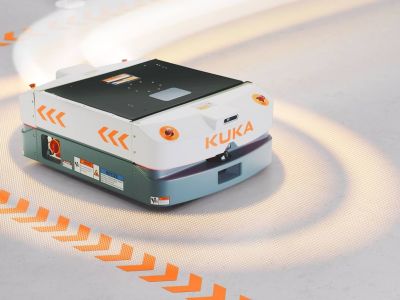
| KUKA KMP 1500P | Built for very heavy payload transport | Smaller, more compact platform for standard heavy-load internal transport | Heavy-duty material handling |
| MiR250 | More compact footprint for lighter-duty AMR tasks | More capacity for pallets, racks, and industrial containers | General internal transport |
| KUKA KMP 600-S diffDrive | Precision motion platform for structured industrial routes | Comparable heavy-load focus with integrated safety and SLAM-based autonomy | Manufacturing logistics |
Automation gets heavier
The broader signal is that industrial mobile robotics is moving deeper into material handling work once reserved for forklifts, carts, and fixed conveyors. That shift matters because factories want more flexible line-side logistics without giving up the safety discipline required in shared workspaces. It also reflects a wider industrial trend: cobot-style automation is narrowing the gap between human traffic and machine movement, but only when the navigation and safety layers are strong enough to make that acceptable.
Explore Humanoids
Sources
Related Articles
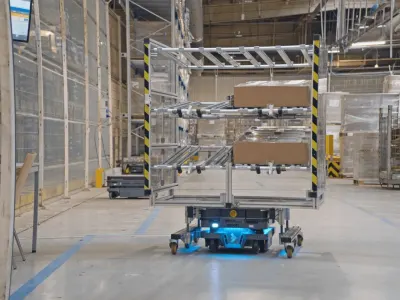
Mobile Industrial Robots positions MiR250 as a compact AMR for high-speed internal logistics
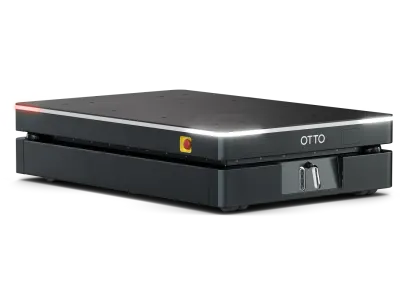
OTTO Motors positions OTTO 1200 as a heavy-payload AMR built for tight factory lanes
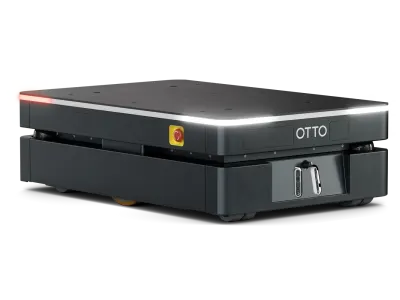
OTTO Motors pushes OTTO 600 as a compact industrial AMR for tighter material flow
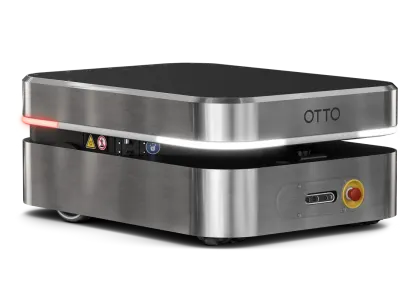
OTTO 100 targets factory material flow with compact AMR design and 150 kg payload handling
Related Comparisons
Compare MiR600 with similar robots
Learn More About This Robot
Discover detailed specifications, reviews, and comparisons for MiR600.
View Robot Details →