OTTO 100 targets factory material flow with compact AMR design and 150 kg payload handling
Robot Details
OTTO 100 • OTTO MotorsPublished
June 7, 2026
Reading Time
3 min read
Author
Origin Of Bots Editorial Team
Factory flow pressure
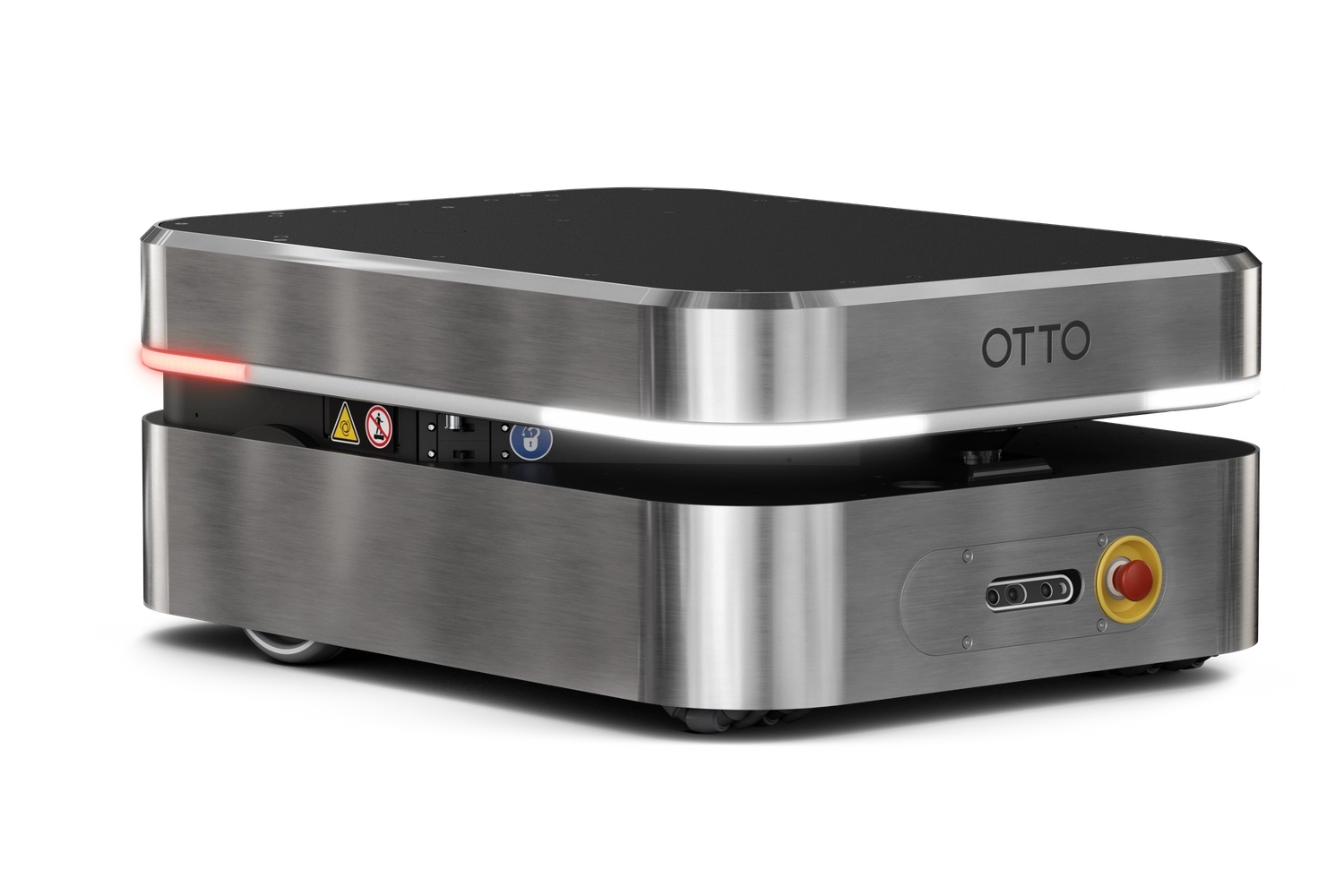
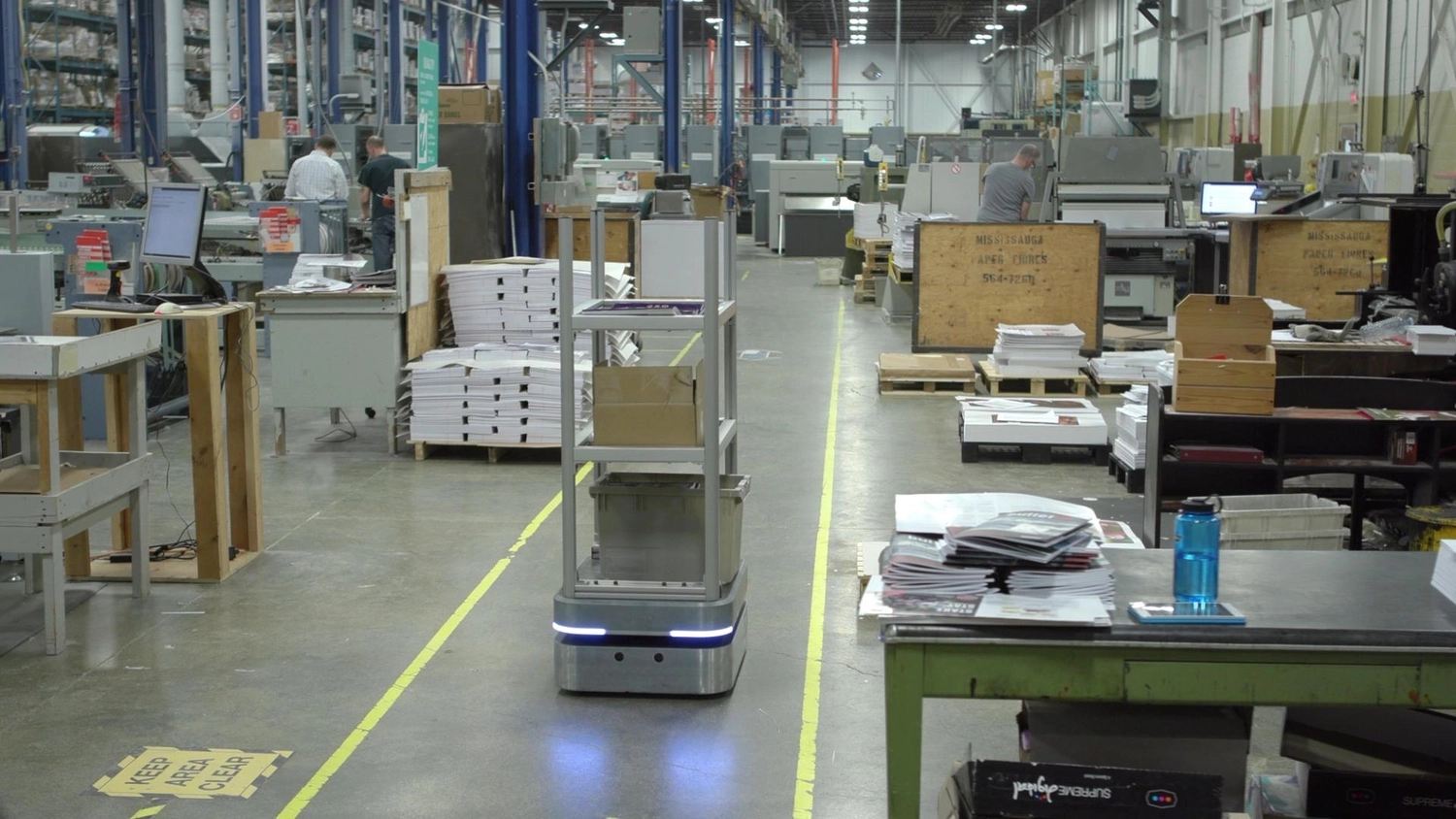
OTTO Motors has positioned the OTTO 100 as a compact autonomous mobile robot for industrial material handling, showing how manufacturers are still trying to solve one of the hardest shop-floor problems: moving boxes, bins, and carts safely through shared workspaces without slowing production. The robot is reported as a material-handling AMR intended for factory and warehouse environments, with published product materials emphasizing autonomous navigation, fleet coordination, and safe operation around people.
Why it matters
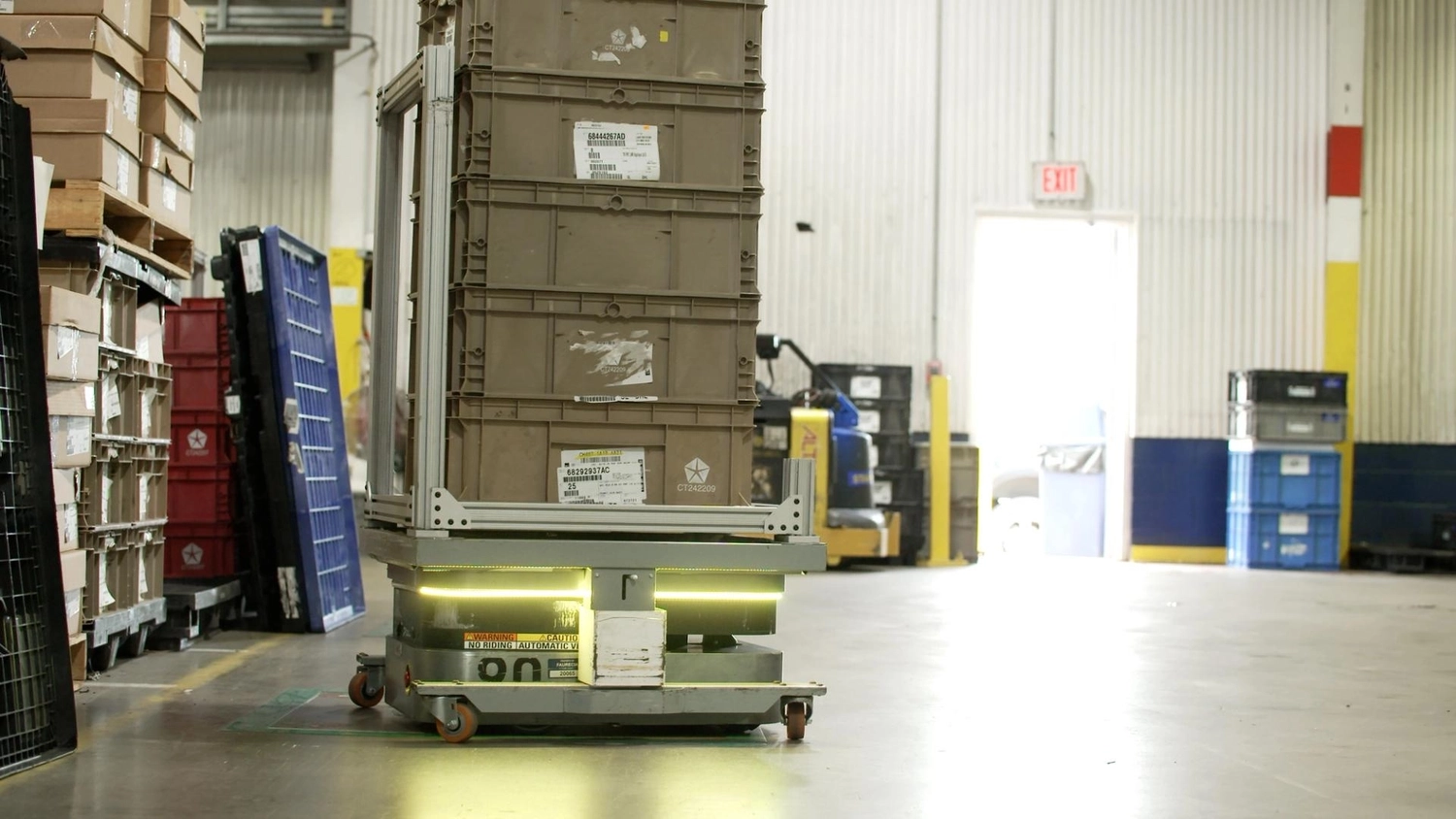
For industrial operators, the value of a machine like OTTO 100 is not raw novelty but repeatability under pressure: it is aimed at reducing line-side delivery delays, keeping cycle times predictable, and handling payloads that would otherwise consume labor. Its appeal also rests on safety system integration, infrastructure-free navigation, and the ability to fit into existing manufacturing flows rather than requiring dedicated tracks or fixed guidance. That combination matters most where throughput depends on frequent, short moves between processes. OTTO 100 is less about moving faster than about moving materials with less friction.
How it works
The operating logic is straightforward: task program input enters the fleet software, the navigation system plans a route using SLAM, the drive system executes that path with differential-drive motion, and onboard sensors check for obstacles and workspace changes before the robot arrives at its destination. In plain terms, OTTO Fleet Manager and the robot’s autonomous navigation software appear to turn material requests into movement, then use sensor feedback to validate safe travel in real time. That flow is designed for structured industrial environments where reliability matters more than improvisation.
Line-side delivery
A realistic deployment for OTTO 100 is line-side material replenishment in a manufacturing plant, where operators need a steady stream of bins and boxes delivered to assembly stations without interrupting takt time. In that setting, the robot’s compact footprint and safety-rated sensing are more useful than long-range autonomy, because the work is repetitive, spatially constrained, and often shared with pedestrians and other equipment. The strongest use case is not replacing a forklift, but smoothing the internal handoff between storage, staging, and the production line.
Capacity in context
The reported 740 x 550 x 308 mm footprint gives OTTO 100 a compact profile for narrow aisles and tight station layouts, while its 107 kg weight suggests a machine built for industrial stability rather than consumer-style agility. Published materials say it can travel at up to 2.0 m/s (4.5 mph), turn at up to 1.25 rad/sec (75°/sec), and dock at 0.3 m/s, which supports quick transfers without treating precision docking as an afterthought. Its 150 kg payload rating, 10,000 full charge cycles, Hokuyo safety laser scanner, front 3D vision, rear ToF coverage, and emergency-stop capability frame it as a durability-and-safety platform for repetitive material movement.
Rivals Edge Check
| Robot | Key Advantage | Where OTTO 100 Wins | Target Use |
|---|---|---|---|
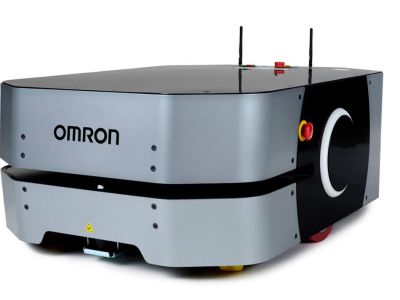
| Omron LD-250 | Known for industrial navigation and compact material transport | Reported stronger payload handling for boxes, bins, and carts in a larger-duty class | Repetitive factory transport |
| MiR250 | Flexible AMR platform for indoor logistics workflows | OTTO 100 emphasizes safety-rated sensing and industrial fleet integration for shared workspaces | Internal logistics |
| ABB Flexley Mover P603 | Automation ecosystem integration for production environments | OTTO 100 is framed around compact material handling with infrastructure-free navigation | Line-side delivery |
| OTTO 600 | Higher-capacity sibling for heavier internal moves | OTTO 100 is smaller and better suited to lighter payloads and tighter layouts | Box and bin transport |
Industry signal
OTTO 100 points to a broader industrial trend: manufacturers are treating autonomy less as a standalone machine purchase and more as a fleet-level workflow decision. That matters because cobot and AMR adoption is increasingly about connecting human labor, software scheduling, and safe transport into one production system rather than automating a single move. In that sense, OTTO 100 reflects a market where the industrial robot’s job is not just to carry material, but to fit cleanly into repeatable production logic.
Explore Humanoids
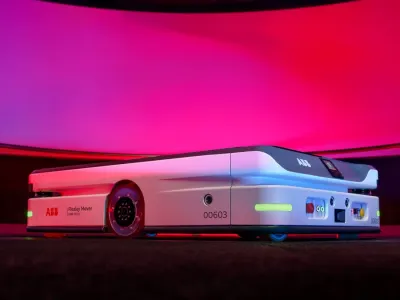
Related Articles

OTTO 1500 targets heavy-duty manufacturing with infrastructure-free autonomy and layered safety
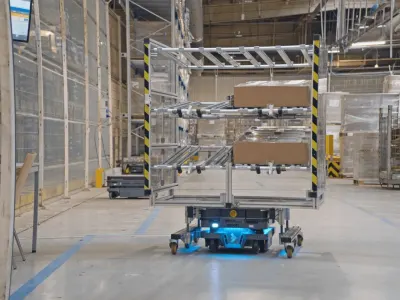
Mobile Industrial Robots positions MiR250 as a compact AMR for high-speed internal logistics
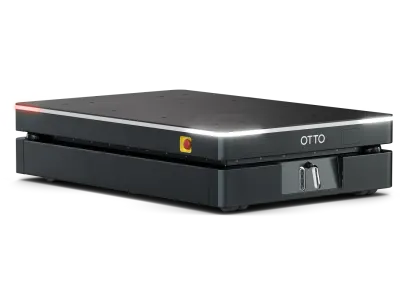
OTTO Motors positions OTTO 1200 as a heavy-payload AMR built for tight factory lanes
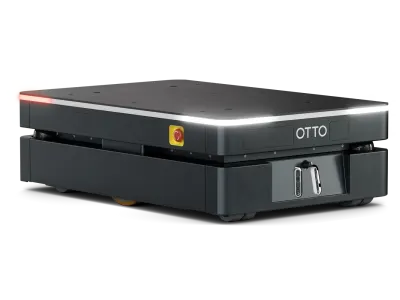
OTTO Motors pushes OTTO 600 as a compact industrial AMR for tighter material flow
Related Comparisons
Compare OTTO 100 with similar robots
Learn More About This Robot
Discover detailed specifications, reviews, and comparisons for OTTO 100.
View Robot Details →