OTTO Motors pushes OTTO 600 as a compact industrial AMR for tighter material flow
Robot Details
OTTO 600 • OTTO MotorsPublished
June 7, 2026
Reading Time
3 min read
Author
Origin Of Bots Editorial Team
Material flow tightens
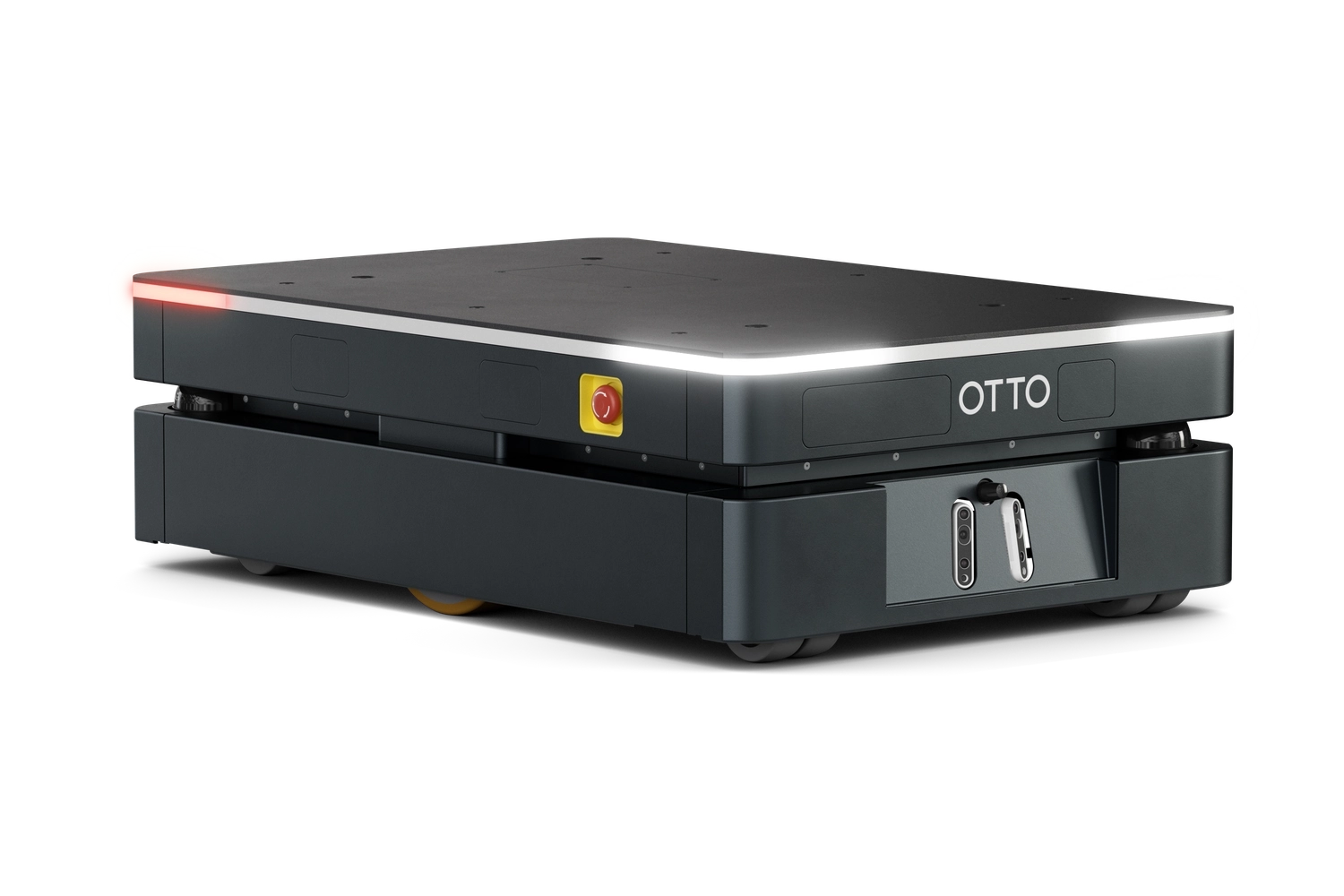
OTTO Motors has introduced the OTTO 600, a mid-sized autonomous mobile robot built for industrial material handling, and the company presented it as a machine meant to move pallets and bins through structured factory environments with more control over traffic and throughput. The announcement matters because industrial buyers are increasingly looking for robots that can slot into existing production systems without forcing a redesign of the floor plan, a problem OTTO has targeted with fleet software and infrastructure-free navigation.
Why it matters
The OTTO 600 is positioned around four industrial priorities: repeatability in routinized moves, cycle-time efficiency, payload handling for heavy internal logistics, and safety integration around people and equipment. Its value proposition is not broad autonomy for every setting, but dependable movement in structured operations where the main challenge is keeping materials flowing without bottlenecks. That focus aligns with a wider factory trend in which mobile robots are used to bridge islands of automation rather than replace every manual task. OTTO 600 is about controlled movement, not general-purpose autonomy.
How it works
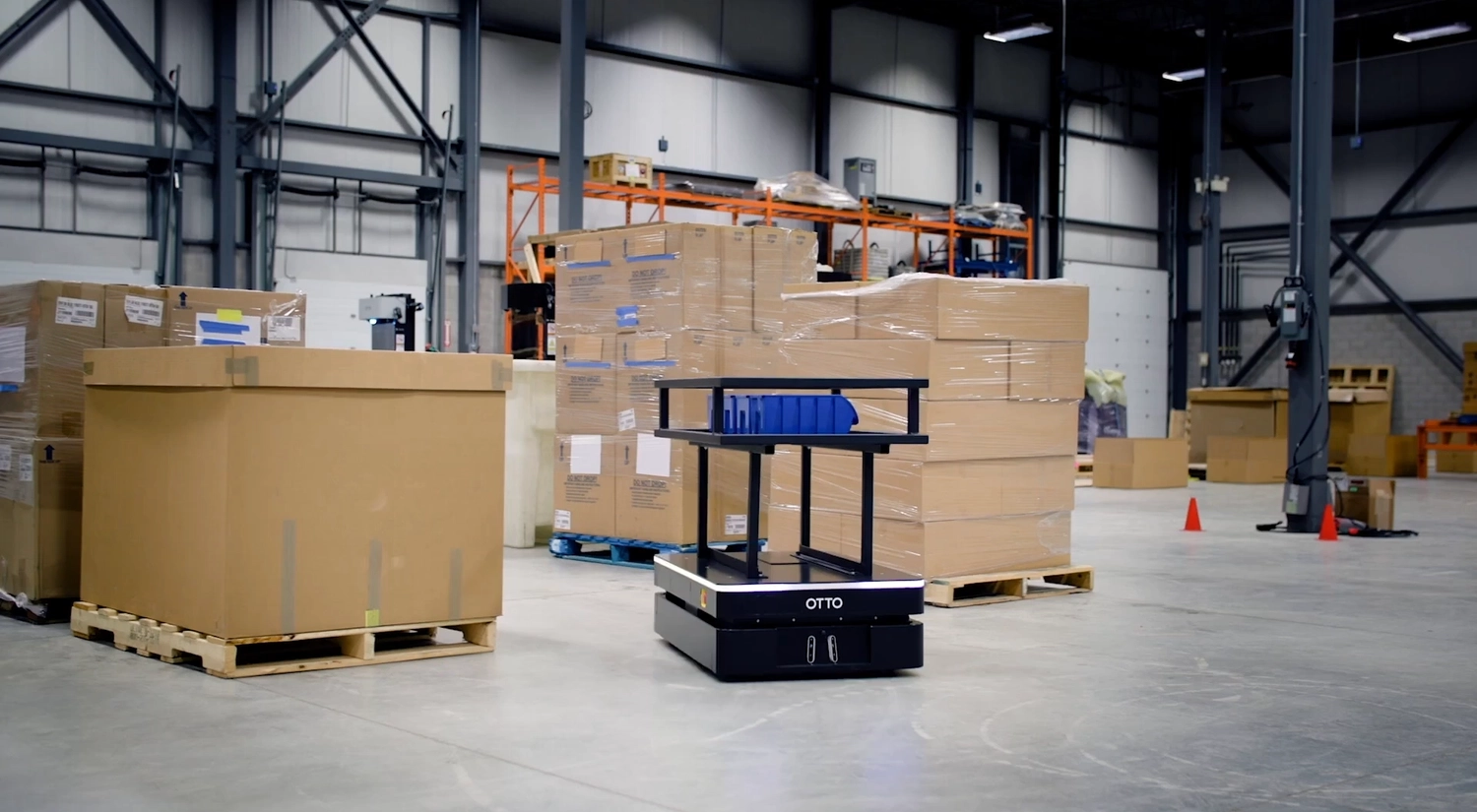
The basic system flow is straightforward: task program input goes into OTTO Fleet Manager, the software handles motion planning and traffic control, the robot executes high-precision movement on its wheeled differential-drive platform, and the fleet system feeds back location, status, and job data for ongoing validation. OTTO’s SLAM-based, infrastructure-free navigation is designed to let the robot map and operate in existing facilities without added floor markers or fixed guidance infrastructure. In practical terms, that lets operators assign jobs centrally while the robot handles the travel decisions needed to complete them safely.
A factory run
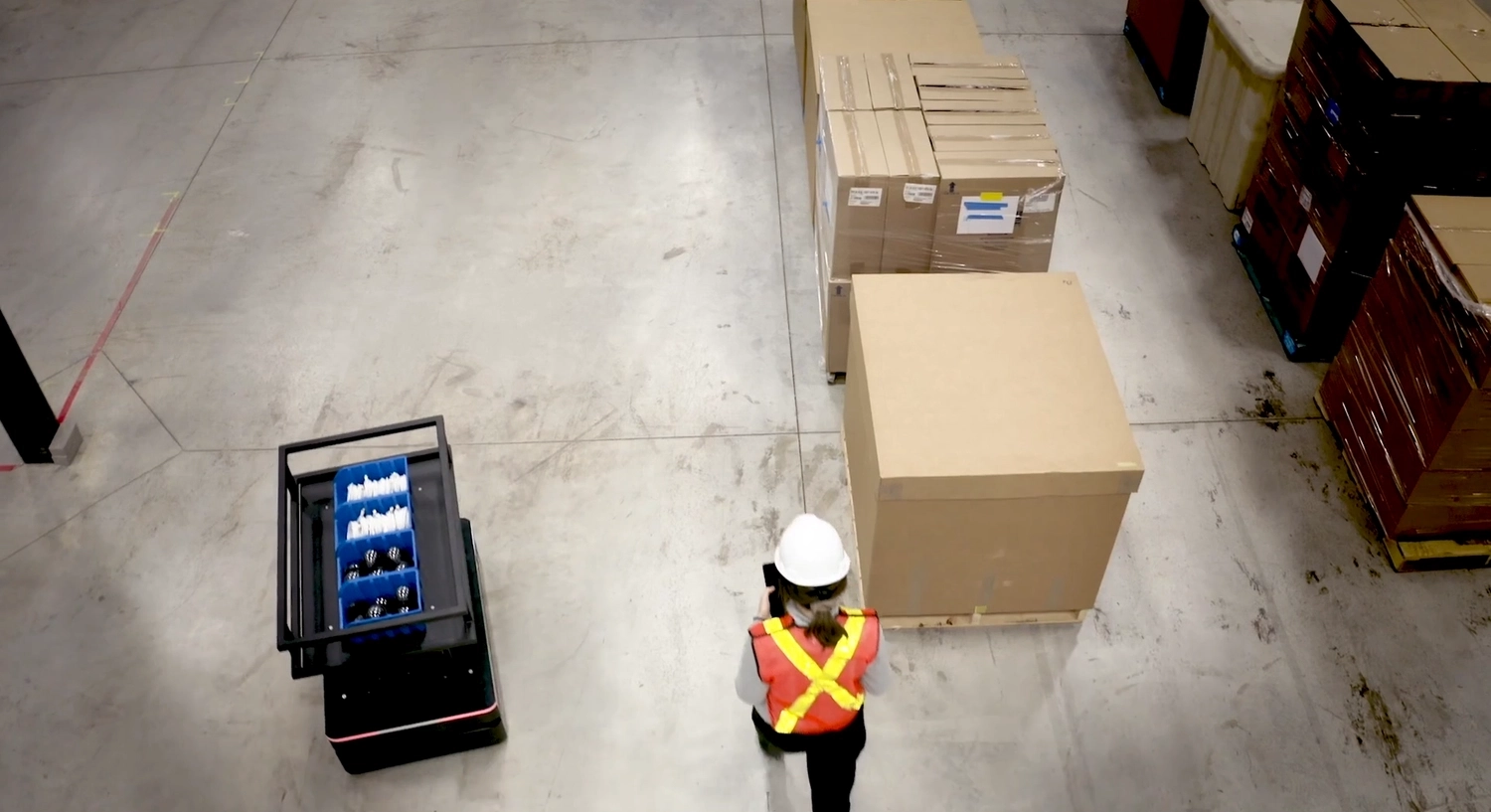
A realistic deployment for the OTTO 600 is line-side material replenishment in a manufacturing plant, where pallets, bins, or custom racks need to arrive at stations on a predictable schedule. In that setting, the main benefit is not speed alone but the ability to keep internal logistics synchronized with production demand while reducing the chance of congestion in aisles and shared work zones. The robot’s role is to move material repeatedly and predictably, then hand off the next step to workers or fixed automation at the point of use.
Specs that enable
The OTTO 600 is reported at 1050 x 700 x 320 mm, or 41.3 x 27.6 x 12.6 inches, a footprint that supports movement in space-constrained industrial aisles. It is listed at 250 kg, or 551 lbs, and designed to carry pallets, bins, and custom manufacturing racks, which makes the robot relevant to heavy internal transport rather than light-duty delivery. OTTO also lists a maximum speed of 2.0 m/sec, or 4.5 mph, with a docking speed of 0.3 m/sec and turning speed of 0.8 rad/sec, while its battery is rated for 6,000 full charge cycles. Its sensing package combines two forward-facing 3D perception cameras, front and rear LiDAR, and a 6-axis IMU, supporting obstacle detection and navigation in busy factory lanes.
Rivals Edge Check
| Robot | Key Advantage | Where OTTO 600 Wins | Target Use |
|---|---|---|---|
| KUKA KMP 1500P | Higher-capacity heavy-load transport in automated factories | Strong fleet software and infrastructure-free SLAM navigation | Heavy pallet movement |
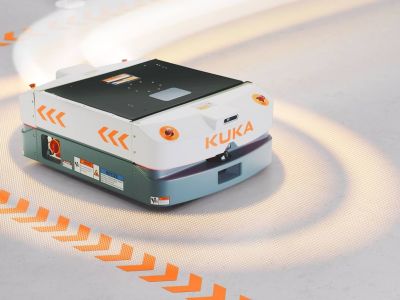
| KUKA KMP 600-S diffDrive | Compact omnidirectional mobility for precise intralogistics | Stronger emphasis on centralized fleet management and traffic control | Factory logistics |
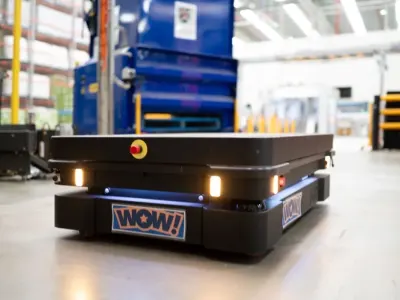
| MiR1350 | High payload focus for autonomous transport | Broader safety integration and production-oriented workflow control | Heavy material transport |
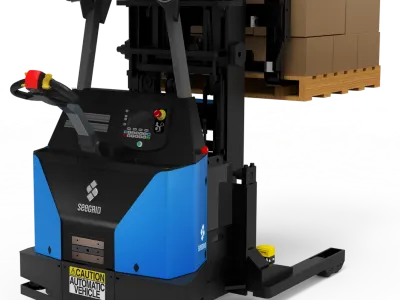
| Lift RS1 AMR | Lift-and-transport handling for warehouse-style operations | Better fit for structured manufacturing and line-side replenishment | Mobile material handling |
What the market signals
The OTTO 600 reflects a larger industrial signal: buyers are moving from standalone robots toward coordinated fleets that can be managed like production infrastructure. That matters because the bottleneck in many factories is no longer whether a robot can move a load, but whether it can do so repeatedly, safely, and without disrupting other automated assets or people. The result is a market in which AMRs are increasingly judged by integration depth, not just by navigation ability.
Explore Humanoids
Sources
Related Articles
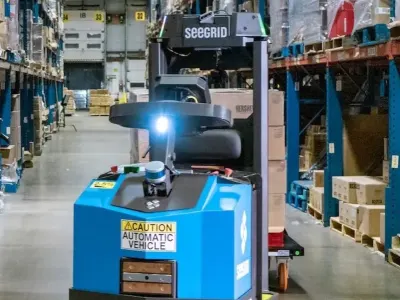
Seegrid’s Tow Tractor S7 AMR targets heavy horizontal material moves in manufacturing

OTTO 1500 targets heavy-duty manufacturing with infrastructure-free autonomy and layered safety
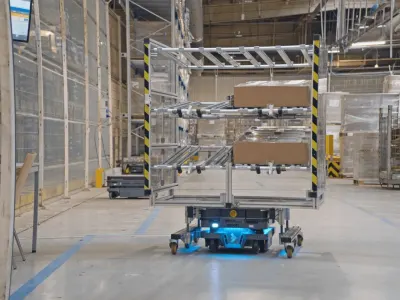
Mobile Industrial Robots positions MiR250 as a compact AMR for high-speed internal logistics
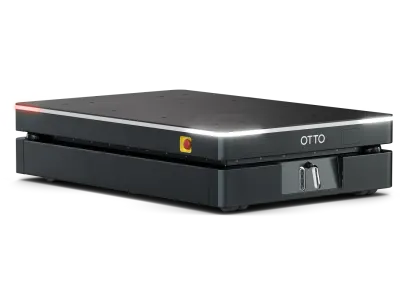
OTTO Motors positions OTTO 1200 as a heavy-payload AMR built for tight factory lanes
Related Comparisons
Compare OTTO 600 with similar robots
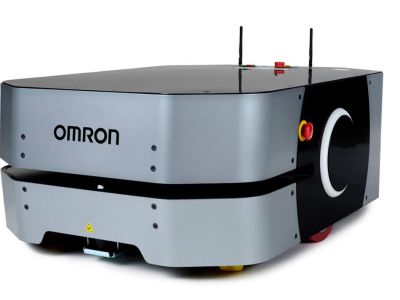
Learn More About This Robot
Discover detailed specifications, reviews, and comparisons for OTTO 600.
View Robot Details →