OrionStar’s GreetingBot Mini pushes reception robotics toward compact, guided front-desk service
Robot Details
GreetingBot Mini • OrionStar RoboticsPublished
May 17, 2026
Reading Time
3 min read
Author
Origin Of Bots Editorial Team
Compact front-desk shift
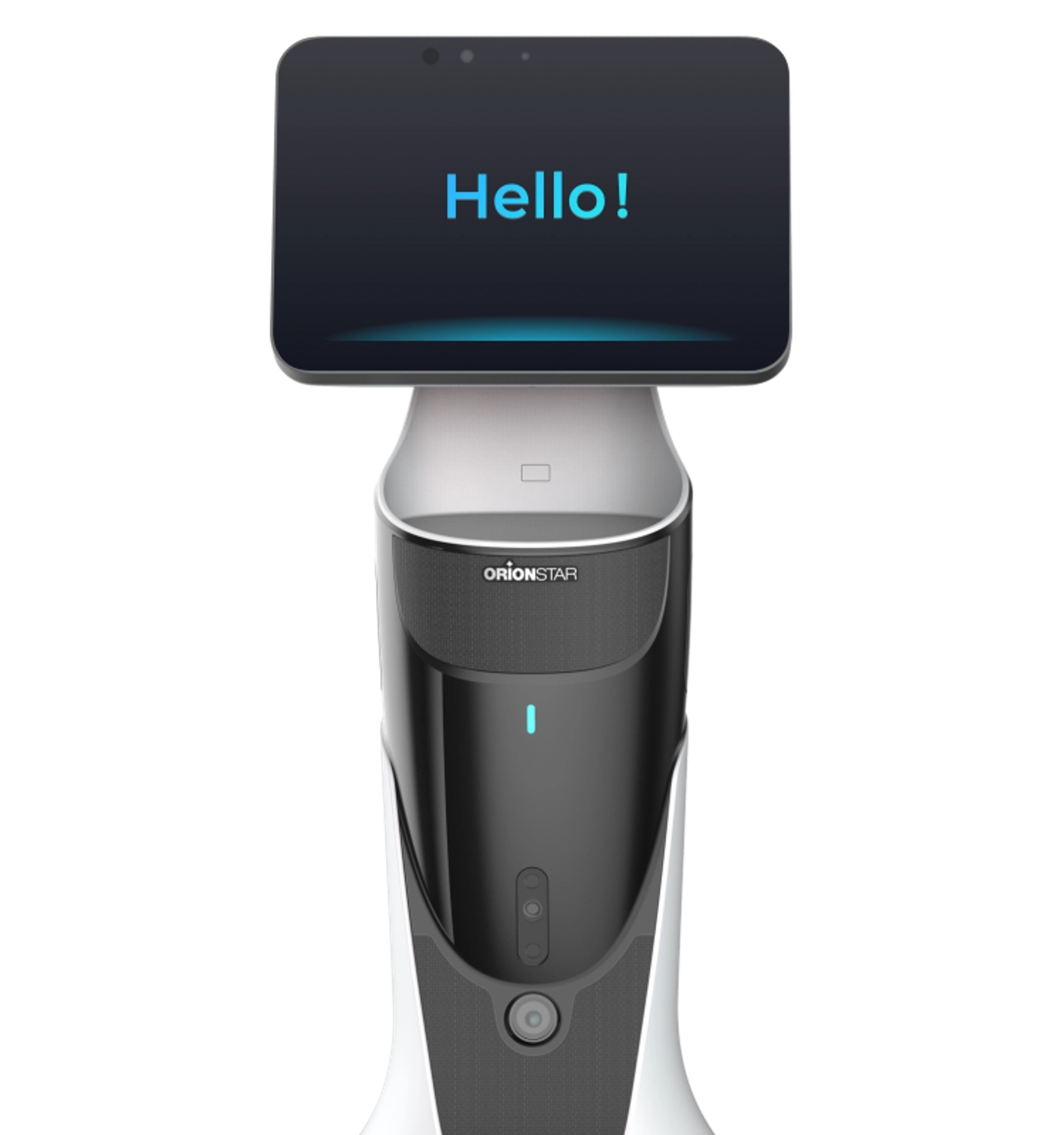
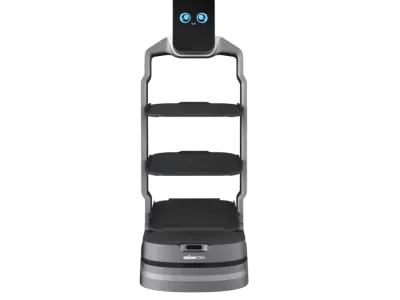
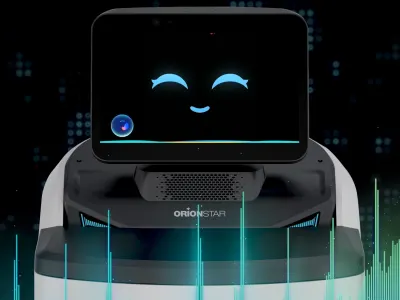
Service robots are increasingly being used to greet visitors, route traffic, and guide people through busy public spaces without adding pressure to staff. OrionStar Robotics’s GreetingBot Mini is built for that role, and the company’s official materials show a compact wheeled robot with a 14-inch screen, voice interaction, and autonomous navigation aimed at reception and wayfinding tasks.
Why it stands out
What makes GreetingBot Mini notable is how it combines a small footprint with face-to-face interaction, rather than treating reception as a static kiosk problem. Its reported 55 cm passable width, people-detection behavior, and noisy-environment voice recognition are all directed at one practical goal: keeping conversations moving in tight indoor spaces. The robot’s fit for hotels, showrooms, supermarkets, hospitals, airports, and restaurants also shows how OrionStar is targeting the recurring front-of-house jobs that depend on consistency more than flash. Its value is in making welcome-and-guide duties easier to deploy in real spaces, not in replacing every receptionist. GreetingBot Mini is designed to make front-desk service mobile, not merely digital.
How it works
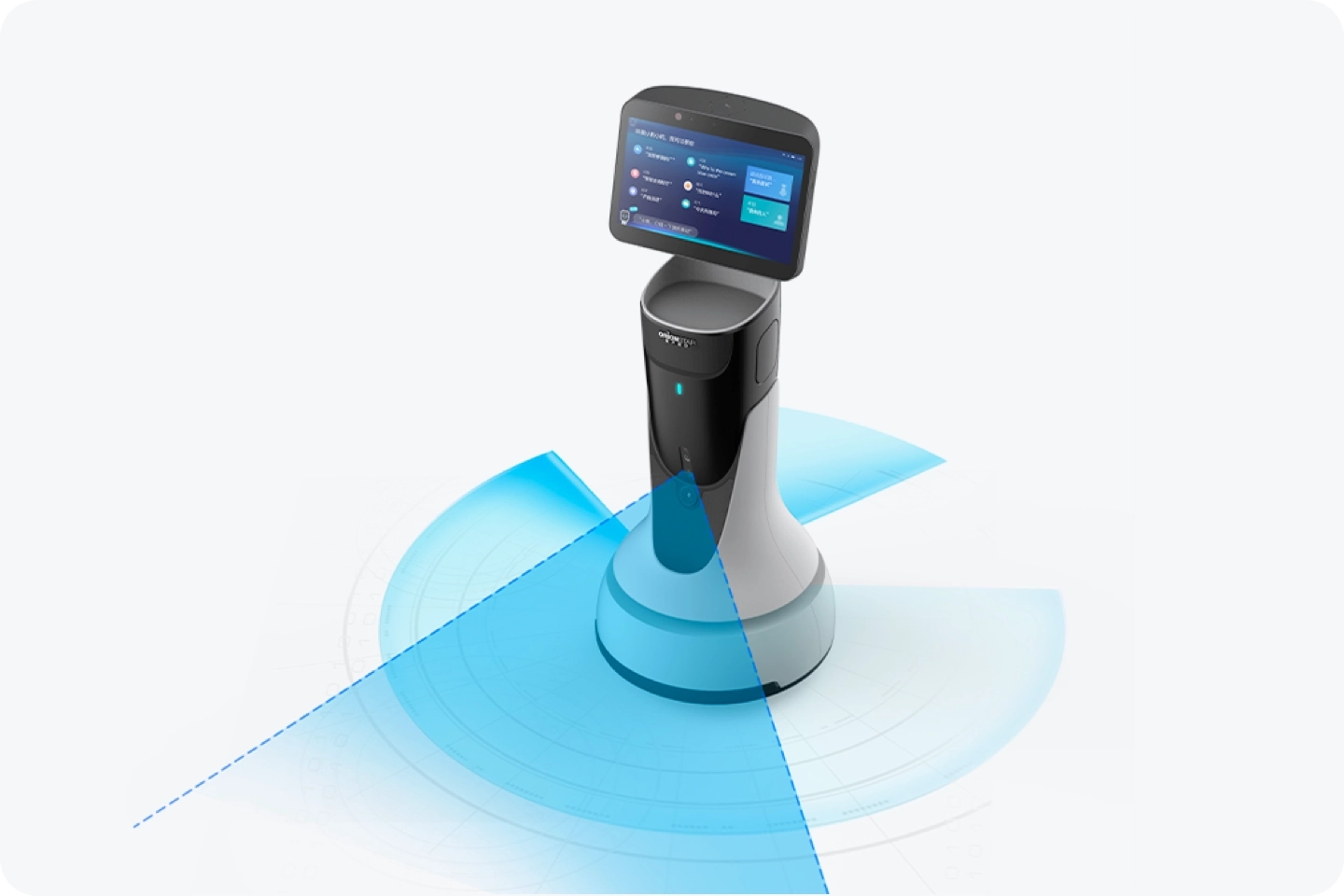
In simple terms, the system flow is: people enter, the robot senses them through LiDAR and depth sensing, SLAM maps the space, and the software routes the robot while avoiding obstacles and cliffs. The Linux-based control stack then coordinates motion, speech, and screen-based prompts so the robot can greet visitors, point them in the right direction, and guide them through a venue. That makes it useful where a fixed screen cannot move with the customer.
Showroom routing
A realistic deployment is a car showroom or retail lobby, where GreetingBot Mini can welcome visitors at the entrance, ask what they want to see, and direct them toward the right person or display area. In that setting, the robot’s job is not deep autonomy but reducing bottlenecks at the first touchpoint, especially when several guests arrive at once. The combination of wheeled mobility, obstacle detection, and customer-facing dialogue is what makes the workflow practical in crowded indoor spaces.
Capability by design
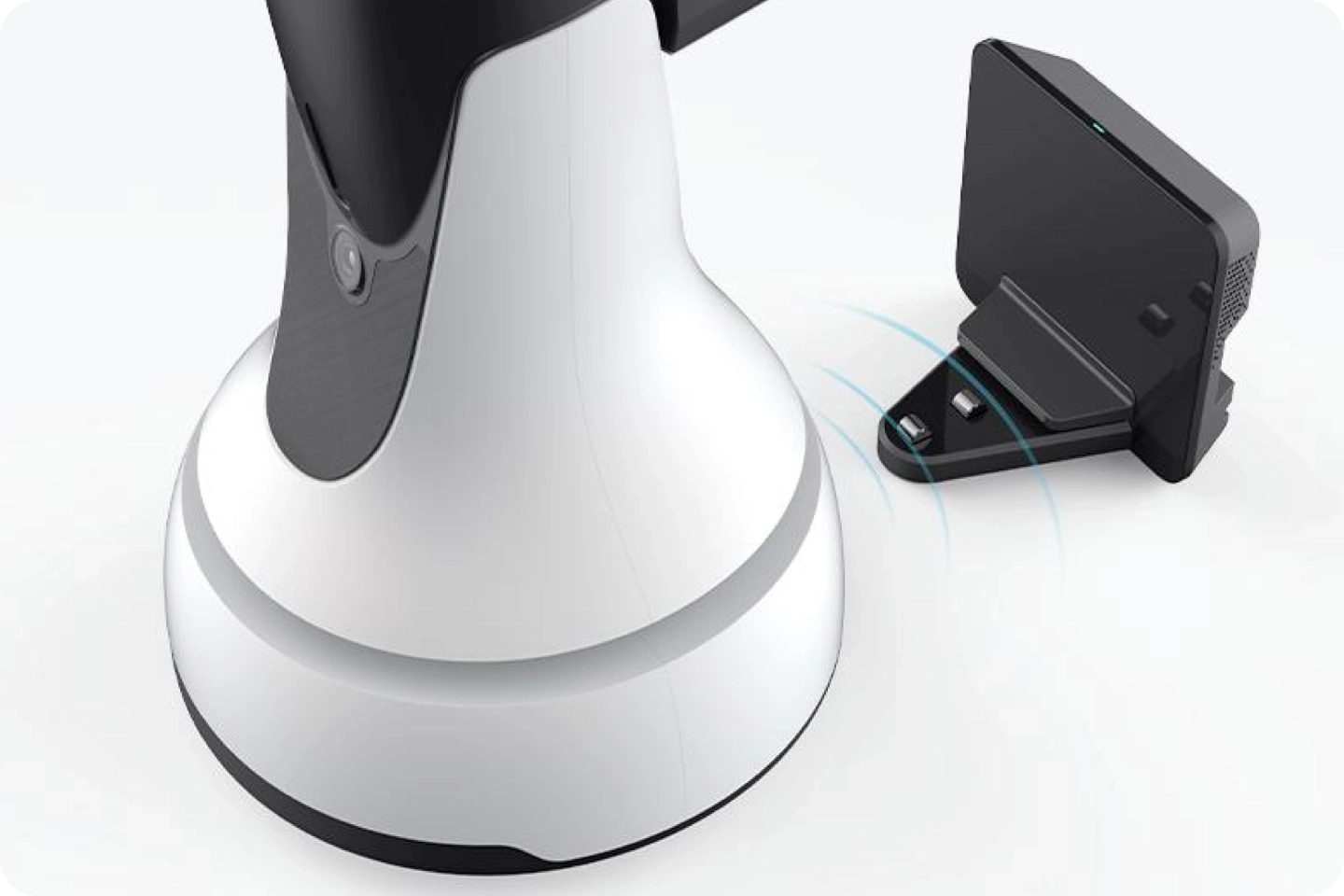
The robot is described as a wheeled platform with active wheel and universal wheel mobility, which supports indoor movement in reception areas rather than rough terrain. Its sensors include LiDAR, depth sensors, and cliff sensors, while safety features such as emergency stop, obstacle detection, and crowd avoidance point to a machine built for dense human environments. OrionStar also positions the platform around a Linux-based custom AI firmware stack, which helps explain how it can manage navigation, interaction, and guiding as a single service workflow.
Rivals Edge Check
| Robot | Key Advantage | Where GreetingBot Mini Wins | Target Use |
|---|---|---|---|
| AMY A1 | Human-like guest interaction and concierge-style reception | Smaller footprint and simpler fit for tight indoor entrances | Hospitality greeting |
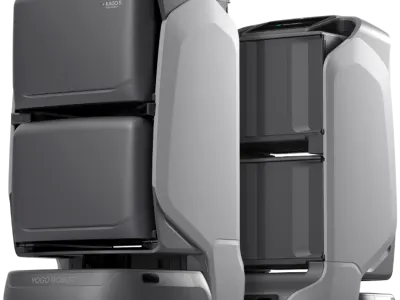
| KAGO 5 | Delivery-first service workflow with tray transport | Better suited to direct greeting and visitor routing at the door | Restaurant and hotel support |
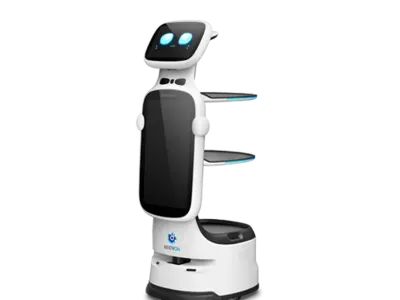
| DINERBOT T11 | Autonomous food delivery and table service | More focused on reception and guidance rather than tray logistics | Dining service automation |
| GreetingBot Nova | Larger-language-model interaction and broader reception tooling | More compact body for smaller spaces and faster deployment in constrained lobbies | Reception and guiding |
Industry direction
GreetingBot Mini points to a broader industry shift toward practical, teleoperation-friendly service robots that handle one job well: greeting, guiding, and keeping queues moving. For hospitality operators, the real question is no longer whether a robot can impress visitors, but whether it can reliably reduce friction at the front door without disrupting staff workflows. That makes compact, indoor-first designs especially relevant as venues look for automation that fits around people instead of replacing the whole service model.
Explore Humanoids
Sources
Related Articles
OrionStar’s GreetingBot Nova pushes reception robots toward larger language models and broader front-desk work
Knightscope’s K5 ASR keeps security patrols autonomous as the market shifts toward monitored, human-facing robots
OrionStar’s LuckiBot Pro highlights the next phase of service robots in crowded indoor spaces
OrionStar’s LuckiBot Pro Autodoor adds sealed delivery and access control to service robotics
Learn More About This Robot
Discover detailed specifications, reviews, and comparisons for GreetingBot Mini.
View Robot Details →