OrionStar’s LuckiBot Pro Autodoor adds sealed delivery and access control to service robotics
Robot Details
LuckiBot Pro Autodoor • OrionStar RoboticsPublished
May 17, 2026
Reading Time
3 min read
Author
Origin Of Bots Editorial Team
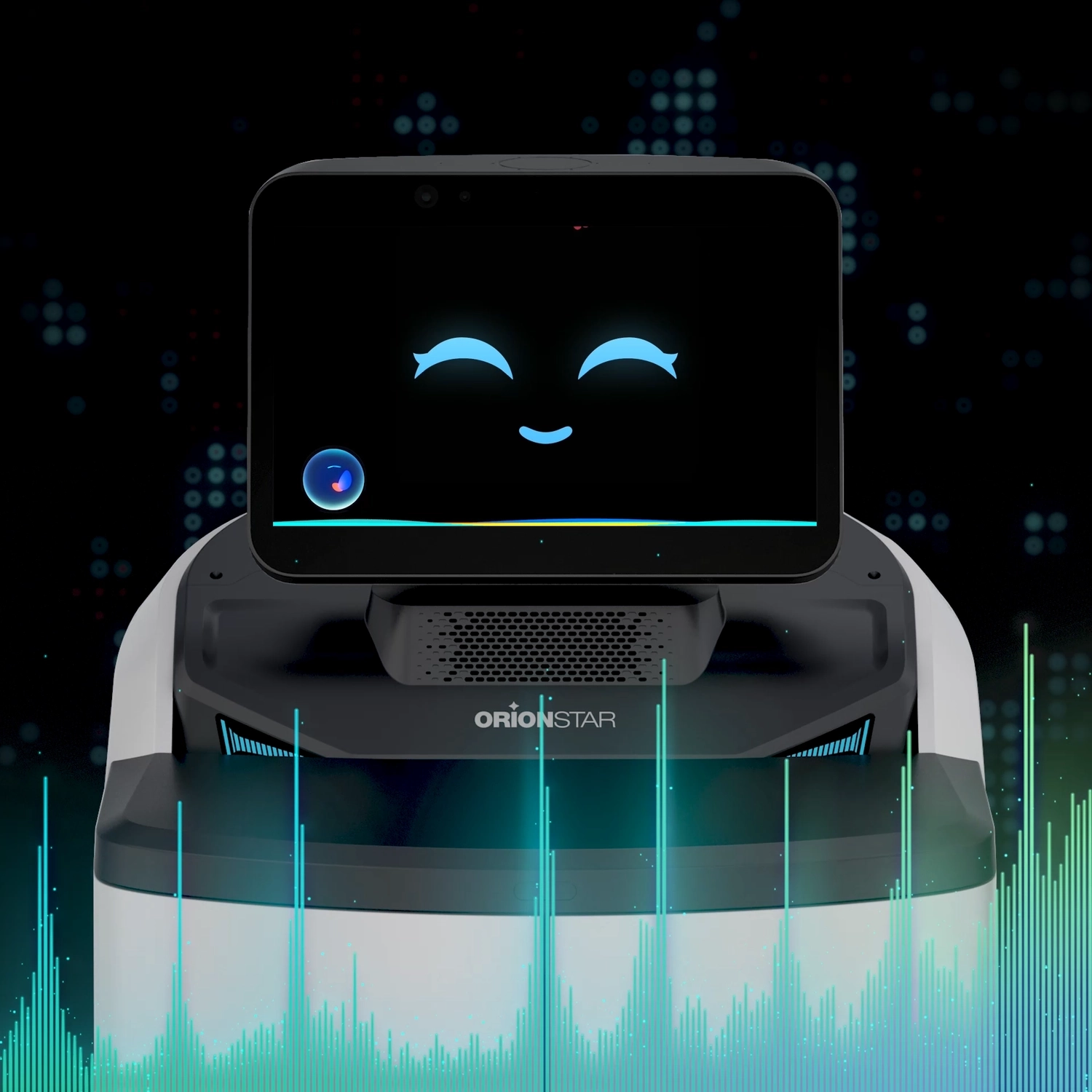
Privacy Meets Delivery
OrionStar Robotics has demonstrated the LuckiBot Pro Autodoor, a service robot variant built around sealed delivery, a smart password lock, and automatic door-opening functions for controlled indoor environments. The announcement comes as hospitality and healthcare operators keep looking for robots that can move through busy spaces without turning every handoff into a manual task, and OrionStar is positioning this model as a secure extension of its LuckiBot line.
Why It Stands Apart
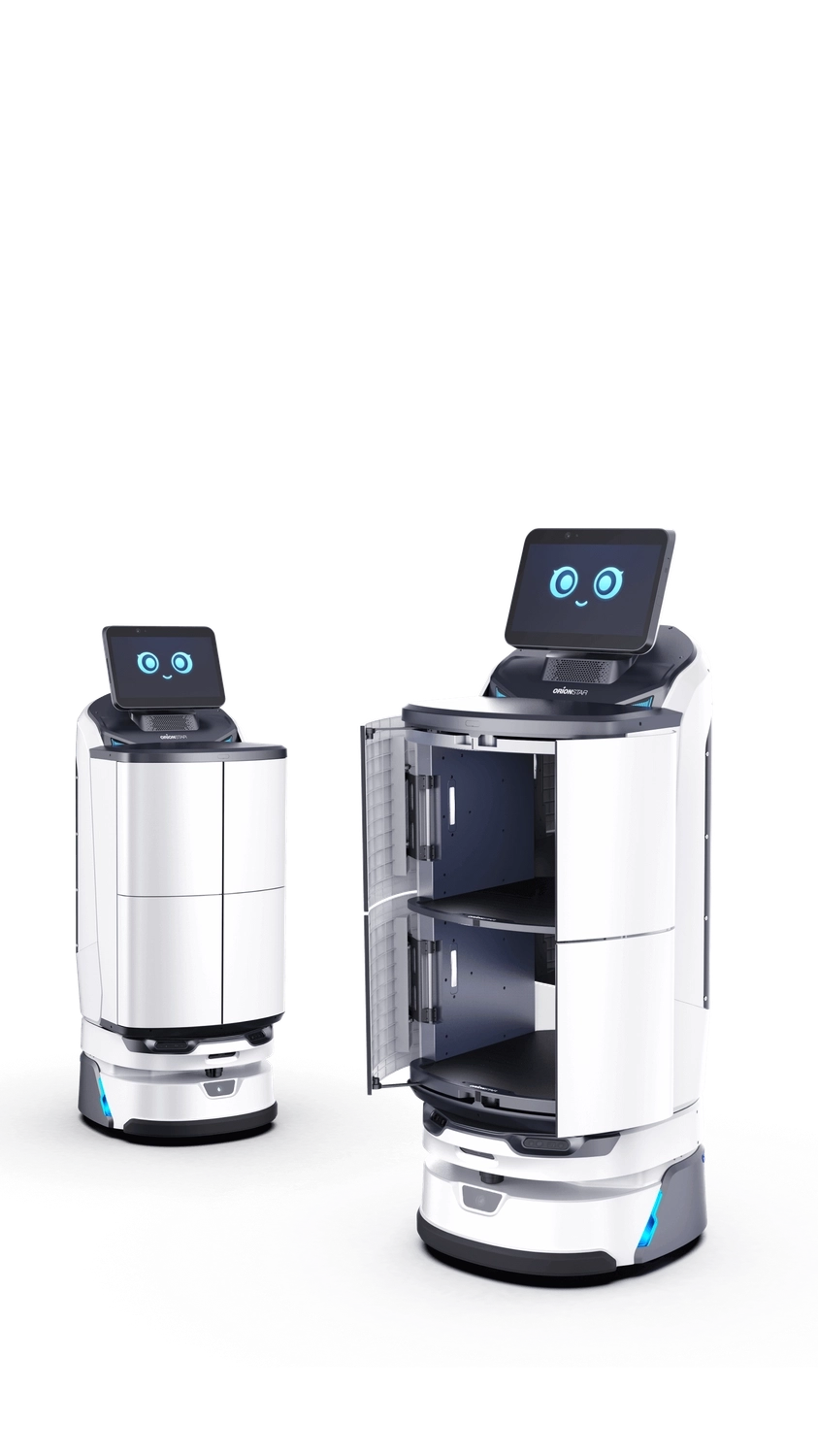
What separates this robot from simpler delivery machines is not just mobility, but the way it tries to protect the handoff itself: a locked compartment, privacy-oriented enclosure, and access control for the recipient. It also leans on a large front-facing screen and voice interaction to make the exchange clearer for guests, patients, or staff, while its door-opening capability reduces the need for human intervention at checkpoints. In category terms, that puts it closer to a service workflow tool than a basic cart on wheels. LuckiBot Pro Autodoor is less about moving food and more about securing the exchange.
How It Works
The basic system flow is straightforward: input from cameras, LiDAR, and the microphone array feeds the robot’s Visual SLAM software, which processes the environment and plans a route through corridors, lobbies, or wards. The output is a wheeled delivery action that can include guided arrival, voice prompts, and controlled access to the cargo area through the electric keypad lock. In practice, that means the robot is designed to sense, navigate, and complete a delivery with fewer handoffs and less confusion at the destination.
Hotel Handoff Flow
One realistic deployment scenario is a hotel VIP delivery where a guest receives sealed items without staff repeatedly entering the room or handling the package at the door. The robot’s reception and concierge-style payload fits that use case: it can arrive, identify the recipient through the interface, and keep the contents locked until access is granted. That matters because the value is not speed alone, but a cleaner chain of custody in a guest-facing environment.
Capability Snapshot
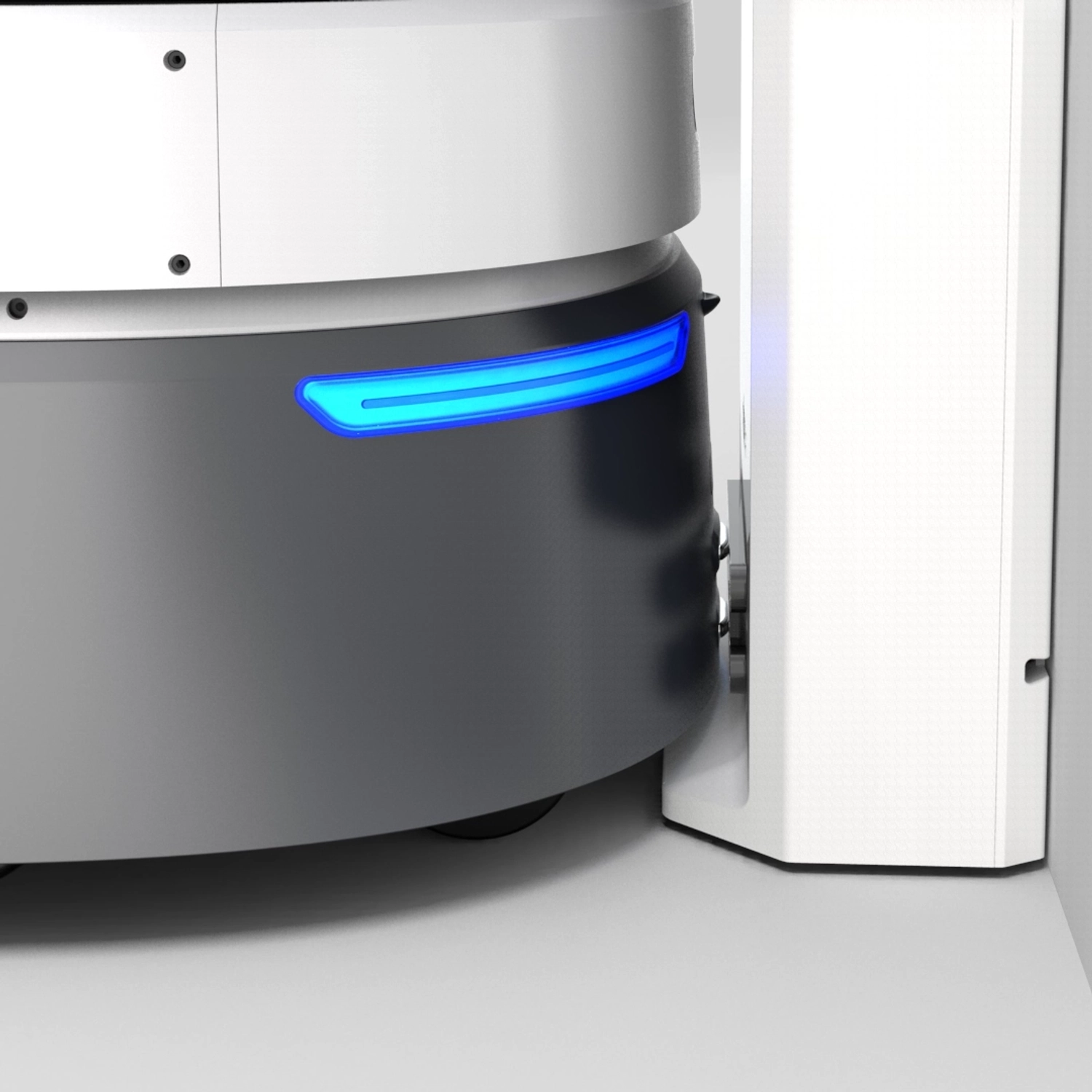
Reported specifications frame the robot as a compact, indoor-focused machine measuring 55 x 45 x 140 cm and weighing 45 kg, which helps explain why it is built for tight hospitality corridors rather than outdoor logistics. OrionStar also describes the platform with triple RGBD cameras, LiDAR, a 6-microphone array, Visual SLAM navigation, RobotOS software, and wheeled mobility, all of which support reliable movement and voice-led interaction across hotels, restaurants, hospitals, airports, and retail settings. The product line is also presented with an intended speed of 1.2 m/s / 2.7 mph and a battery life claim of 3-5 years, though those figures should be treated as reported capabilities rather than independently verified performance.
Rivals Edge Check
| Robot | Key Advantage | Where LuckiBot Pro Autodoor Wins | Target Use |
|---|---|---|---|
| LuckiBot Pro | General-purpose service delivery with broad hospitality positioning | Adds sealed storage, access control, and automatic door-opening for controlled deliveries | Hotels, restaurants, hospitals |
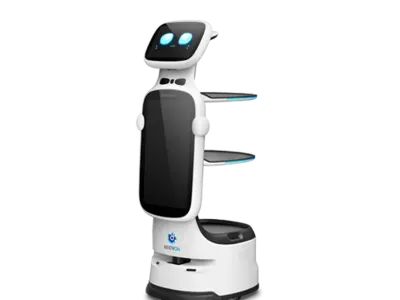
| Servi Plus | Compact restaurant delivery robot for simple tray service | Better suited to secure, recipient-controlled handoff rather than open tray delivery | Restaurants, cafes |
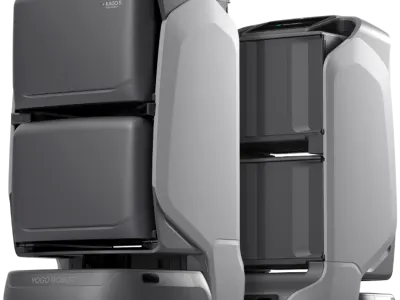
| KAGO 5 | Strong focus on cart-style delivery efficiency | More privacy and tamper resistance through locked compartment delivery | Hospitality and indoor logistics |
| DINERBOT T11 | Established restaurant service workflow with multi-stop delivery | More specialized for secure, sealed delivery and controlled access | Restaurants and food service |
Industry Direction
The broader signal here is that service robotics is moving beyond pre-programmed delivery loops and toward robots that can manage the final meter of a task more deliberately. In human-centric spaces, operators want fewer interruptions, less physical contact, and better control over who can open what, and that is pushing vendors to combine navigation, enclosure design, and digital access management in one platform. For OrionStar, the Autodoor variant suggests that the next phase of competition may be won by robots that make service handoffs feel more like secure transactions than automated errands.
Explore Humanoids
Sources
Related Articles
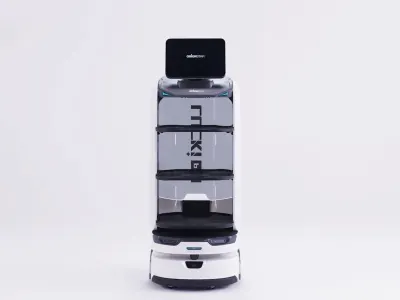
OrionStar’s LuckiBot Pro sharpens the case for service robots built for hotels, restaurants, and public-facing spaces
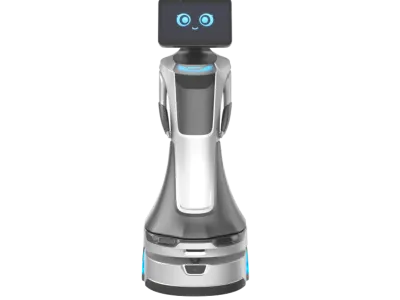
OrionStar’s GreetingBot Nova pushes reception robots toward larger language models and broader front-desk work
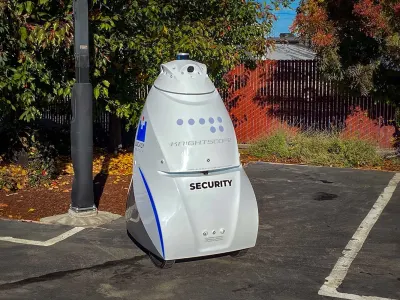
Knightscope’s K5 ASR keeps security patrols autonomous as the market shifts toward monitored, human-facing robots
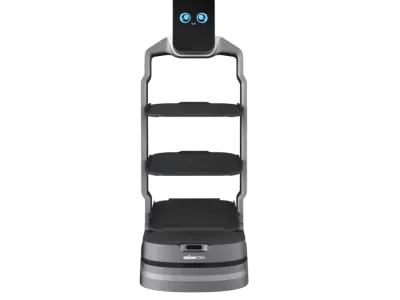
OrionStar’s LuckiBot Pro highlights the next phase of service robots in crowded indoor spaces
Learn More About This Robot
Discover detailed specifications, reviews, and comparisons for LuckiBot Pro Autodoor.
View Robot Details →