Rice Robotics Delivery Bot Powers SoftBank's Office Logistics
Robot Details
Delivery • Rice RoboticsPublished
May 13, 2026
Reading Time
2 min read
Author
Origin Of Bots Editorial Team
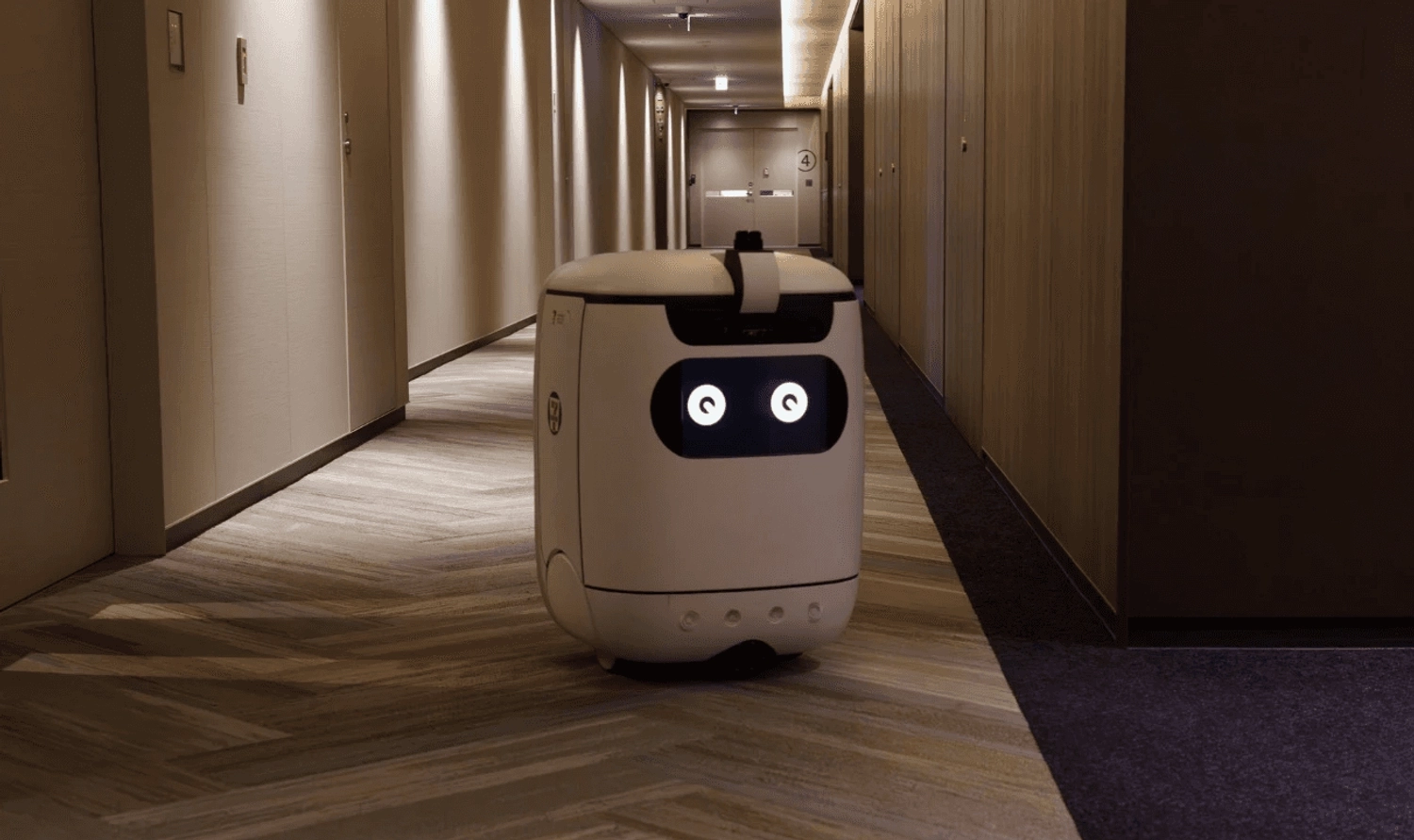
Office Delivery Milestone
Service hospitality robots address labor shortages in dynamic indoor environments like offices and hotels by automating routine deliveries. Hong Kong-based Rice Robotics has deployed its compact RICE delivery robot at SoftBank's Tokyo headquarters since 2021, handling 7-Eleven product deliveries to staff with cartoonish blinking eyes for approachable interaction. The wheeled bot, starting at $9,000, leverages SLAM navigation to operate reliably in busy spaces, as highlighted in recent funding rounds securing $7 million in pre-Series A investment.
Streamlining Indoor Flows
Rice Robotics' Delivery stands out with its proprietary SLAM algorithm for precise mapping in crowded areas, spacious interior for secure item transport, and multi-sensor setup including LiDAR for obstacle avoidance. These enable seamless navigation around people and furniture, boosting efficiency in high-traffic zones without human escorts. Rice Delivery redefines office logistics through cute, non-intrusive autonomy.
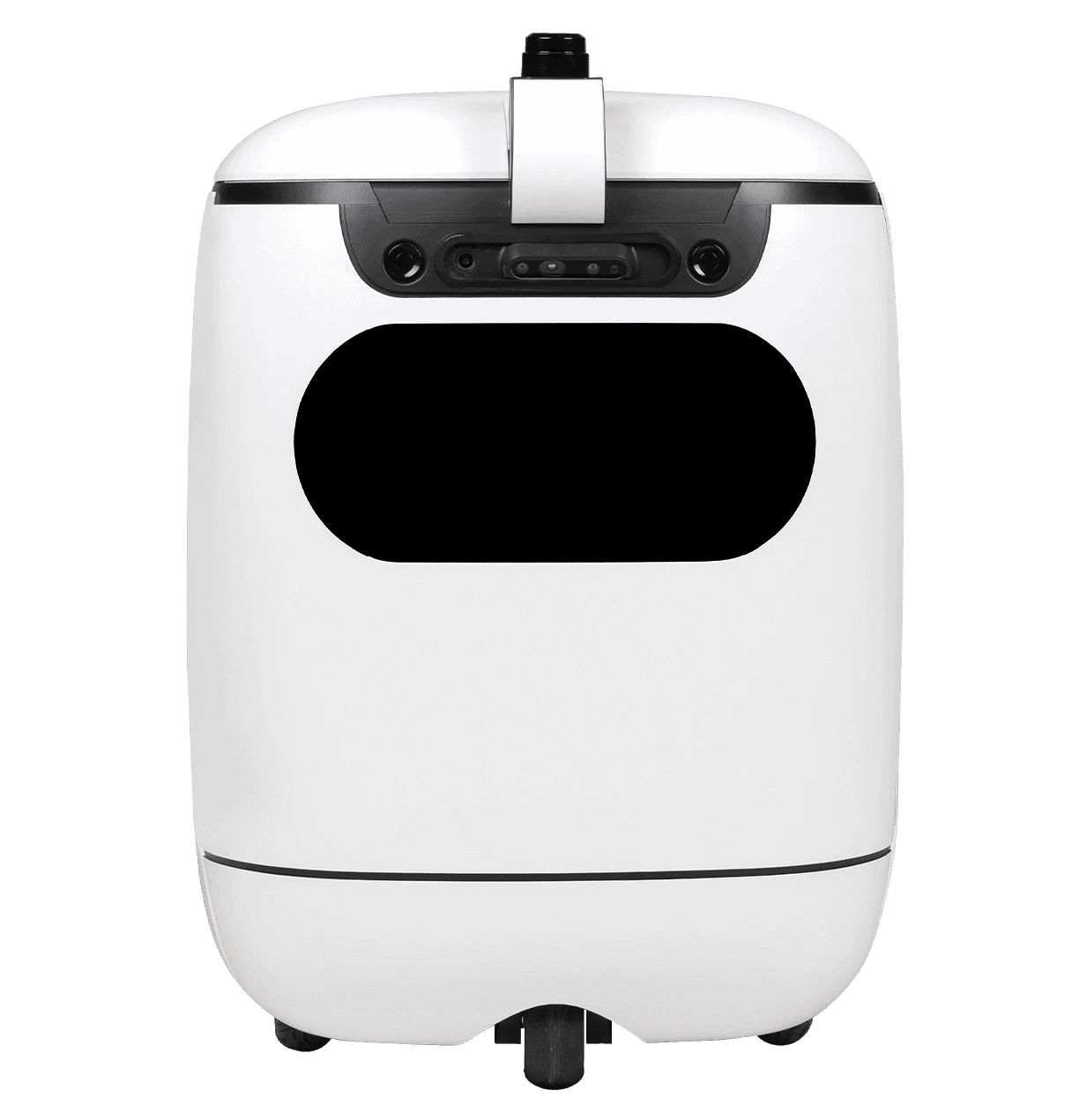
Navigation Core Explained
Item orders trigger the robot's sensors—LiDAR, IR, and sonar—for environmental scanning, feeding data into the proprietary SLAM algorithm on RoboticBase software for real-time mapping and path planning. Processing incorporates safety features like emergency stops and crowd avoidance to adjust routes dynamically. Output drives wheeled mobility at controlled speeds, ensuring payload delivery without collisions.
SoftBank Headquarters Run
In SoftBank's Takeshiba headquarters, the RICE robot navigates multi-floor offices daily, picking up 7-Eleven snacks from a central point and delivering to employee desks amid foot traffic. Its 52kg frame and 54x49x77cm size fit standard elevators and doorways, while the 39x27x34cm storage holds diverse items like coffee or documents securely. This setup cuts staff time on errands, allowing focus on core work in a real-world office proving ground.
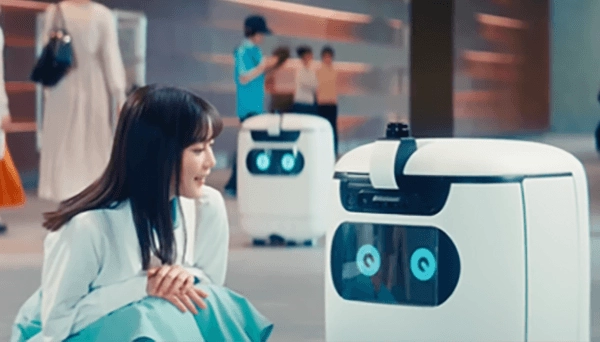
Capability Enablers
The robot's compact dimensions enable easy integration into elevators and narrow corridors, supporting use cases from hotels to airports. LiDAR, IR, and sonar sensors power obstacle detection and crowd avoidance, with SLAM navigation ensuring reliable autonomy indoors. Safety features like emergency stops minimize risks in human-centric spaces.
Rivals Edge Check
| Robot | Key Advantage | Where Delivery Wins | Target Use |
|---|---|---|---|
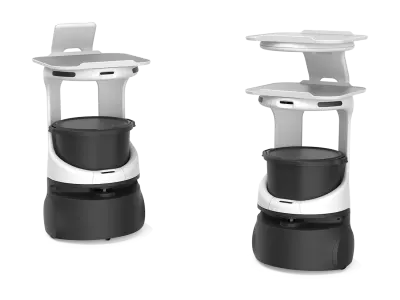
| Servi | Simple food tray serving | Superior SLAM for crowded navigation | Restaurants |
| Keenon G2 | High-speed meal delivery | Spacious secure storage interior | Hotels |
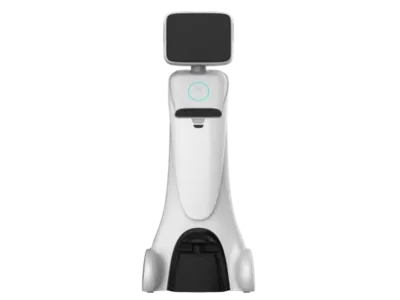
| AMY A1 | Compact hospitality focus | Multi-sensor crowd avoidance | Offices |
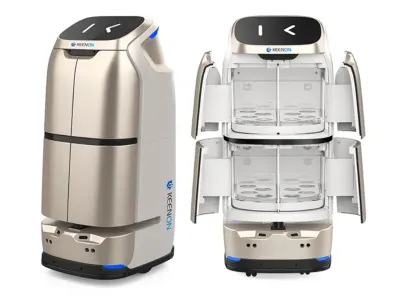
| BUTLERBOT W3 | Basic guiding assistance | Proprietary algorithm precision | Airports |
Autonomy Momentum Builds
Rice Robotics' SoftBank deployment and Asian expansions, including partnerships with 7-Eleven and Taisei Corporation, point to service hospitality robots shifting from novelty to operational staples in offices and retail. Funding influxes like the $7 million round underscore investor confidence in scalable indoor delivery amid persistent staffing gaps. This evolution prioritizes versatile, people-friendly bots over single-purpose designs.
Explore Humanoids
Sources
Related Articles
Keenon's ButlerBot W3 Expands Cross-Floor Delivery Capacity for Hotels and Hospitals with Multi-Compartment Design
MG Super LABS Deploys AMY A1 Telepresence Robot Across Indian Hospitality and Service Sectors
Bear Robotics Unveils Servi Plus High-Capacity Hospitality Robot
Bear Robotics' Servi Robot Transforms Hospitality with High-Capacity Delivery
Learn More About This Robot
Discover detailed specifications, reviews, and comparisons for Delivery.
View Robot Details →