Tiangong Revolutionizes Humanoid Robotics with Stunning Debut
Robot Details
Tiangong • X-HumanoidPublished
December 11, 2025
Reading Time
4 min read
Author
Origin Of Bots
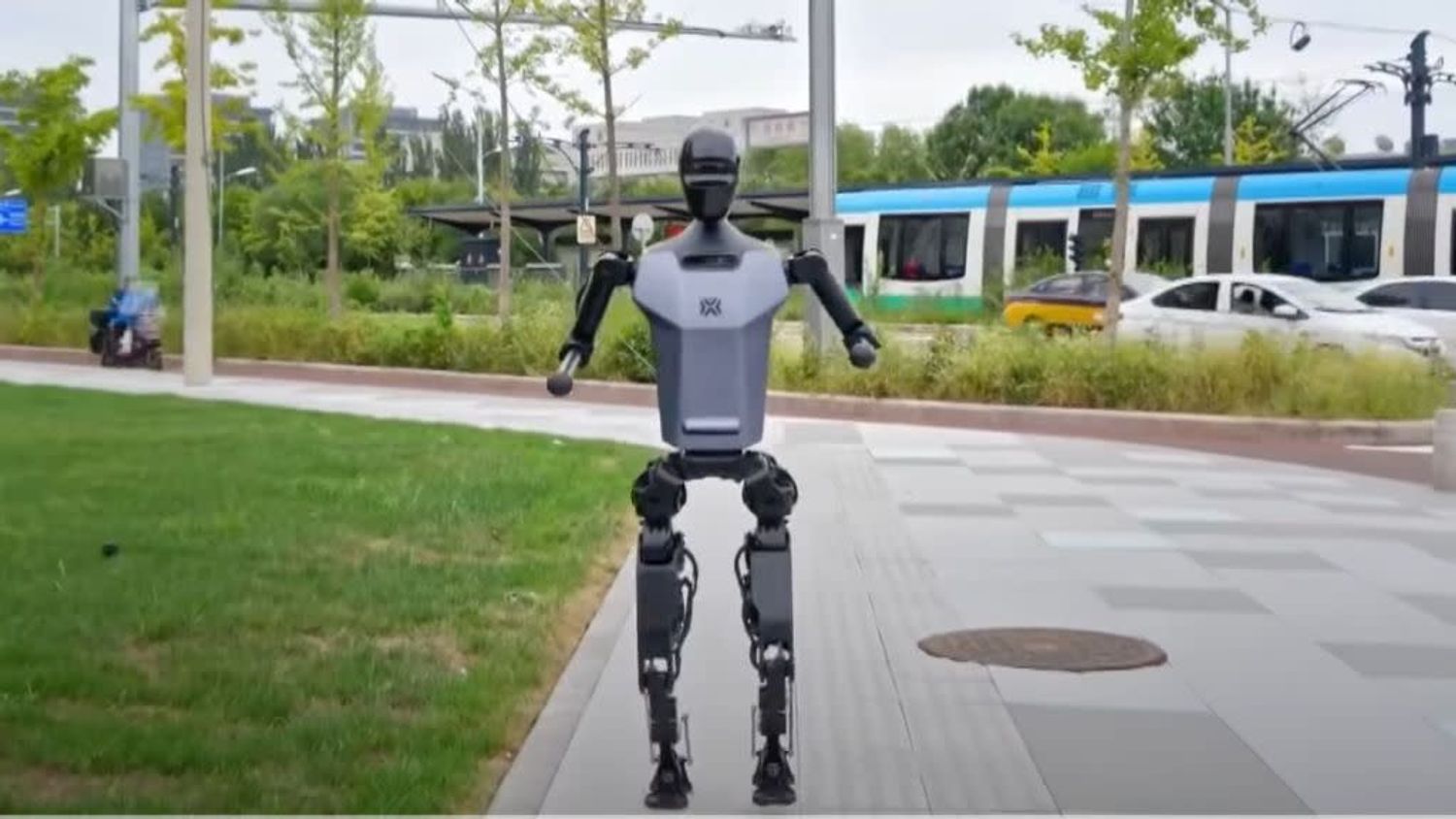
The Tiangong Launch Unveiled
The Beijing Humanoid Robot Innovation Center has officially **introduced Tiangong**, a groundbreaking full-sized electric humanoid robot, marking a major leap in robotics on December 11, 2025. Priced competitively to foster broad adoption, Tiangong offers a rare blend of speed, agility, and endurance that could redefine automation across industries. This launch signals China's accelerated push into advanced robotics, positioning Tiangong as a versatile platform designed to disrupt traditional manufacturing, logistics, and service sectors with its open-source architecture and scalable design.
Distinctive Intelligence and Agility
Tiangong distinguishes itself with an impressive array of sensors including RGB and stereo cameras, LiDAR, ultrasonic rangefinders, and six-axis force/torque sensors that provide superior spatial awareness. Its navigation system fuses Visual SLAM with LiDAR and an inertial measurement unit (IMU), granting it remarkable environmental adaptability even in low-visibility or complex terrains. This bipedal humanoid moves fluidly with human-like coordination, performing tasks that range from delicate tool handling to rapid movement, which sets it apart from many contemporaries limited by slower, wheeled designs or less integrated sensor suites.
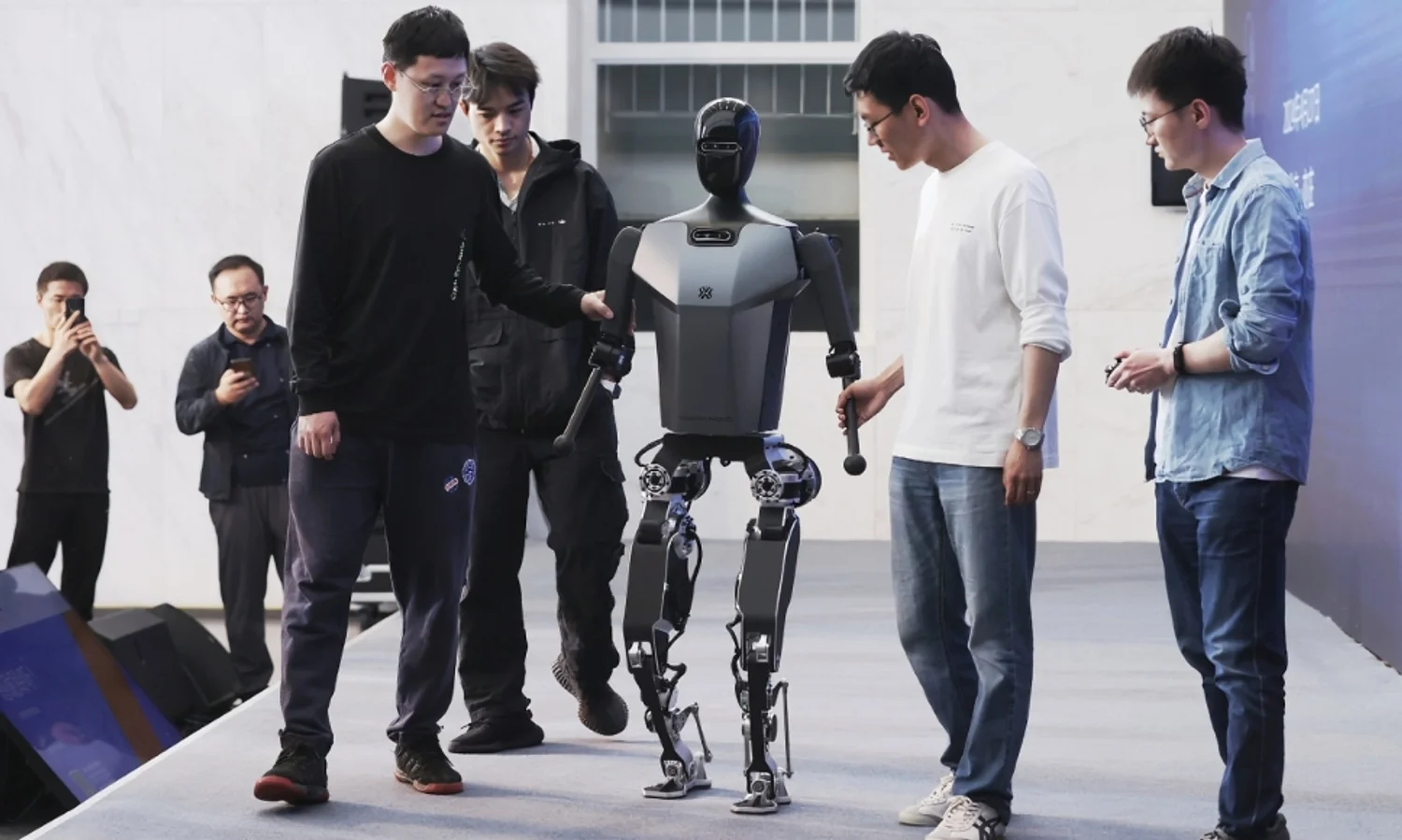
Engineering Breakthroughs Power Tiangong
Behind Tiangong's smooth operation lies a sophisticated real-time Linux platform running ROS 2, paired with C++ and Python SDKs and RESTful APIs that enable flexible programming and seamless integration. Its lightweight aluminum-composite frame balances durability with mobility, supporting a running speed up to 12 km/h and a remarkable five-year battery life. The robot’s joint design offers multi-degree freedom, and its advanced predictive reinforcement learning algorithms enable adaptive gait adjustments without relying solely on vision sensors, a technological breakthrough that enhances its stability on challenging slopes and stairs.
Real-World Roles Taking Shape
Tiangong’s versatility finds practical expression in diverse sectors. It excels in warehouse logistics by efficiently carrying small packages and tools weighing up to 10 kg, while also demonstrating capabilities in power plant inspection through precise environmental sensing. Furthermore, Tiangong’s bipedal mobility and safety features like emergency stop, collision avoidance, and fall-recovery routines make it a promising asset in elderly care and disaster response scenarios. Its open-source nature invites research institutions to develop novel applications, accelerating innovation and real-world deployment.
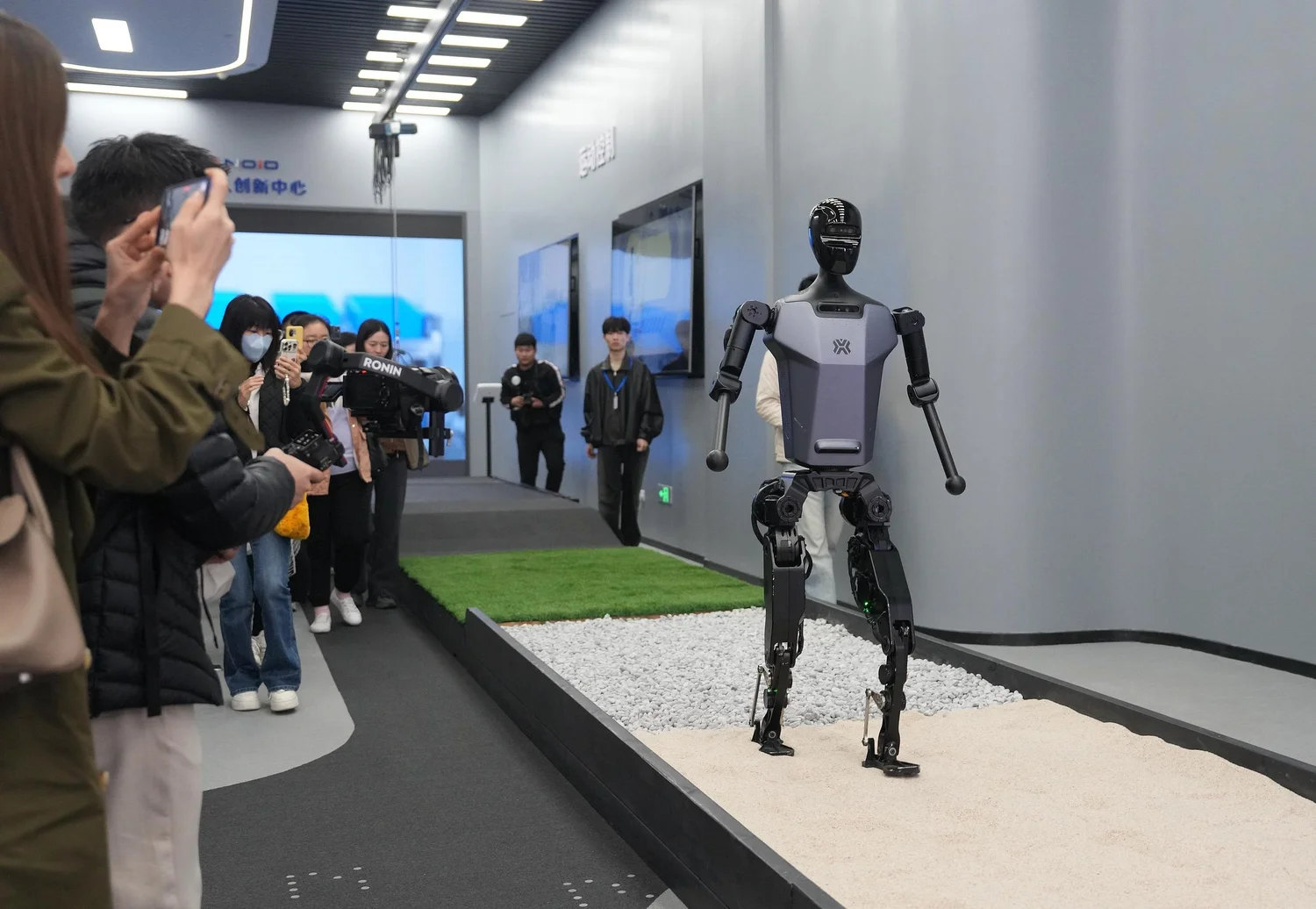
Technical Powerhouse Specs
Measuring 163 cm tall, 45 cm wide, and 30 cm deep, Tiangong weighs a mere 43 kg, supporting nimble navigation at speeds up to 12 km/h (3.33 m/s). Its sensor suite integrates RGB and stereo cameras, LiDAR, ultrasonic rangefinders, a high-precision IMU, gyroscope, and six-axis force/torque sensors. The robot features a Visual SLAM navigation system fused with LiDAR and IMU data, ensuring precise localization and obstacle avoidance. Powered by a battery with an exceptional five-year lifespan, Tiangong runs ROS 2 on a real-time Linux system and offers SDKs in C++ and Python plus RESTful APIs for extensive programmability.
Tiangong vs. The Competition
When stacked against peers like Walker C, Adam-U, Walker X, and Wanda 2.0, Tiangong shines with its unmatched running speed of 12 km/h and extended battery life—outpacing many competitors whose top speeds hover around 6 km/h or less. Its sophisticated multimodal sensor fusion and open-source framework provide superior flexibility and environmental awareness, though it currently carries a smaller payload (10 kg) compared to some heavy-lifting alternatives. Unlike robots with more advanced dexterous hands, Tiangong focuses on core mobility and sensing, positioning it as a nimble, long-endurance platform suited for dynamic environments rather than fine manipulation.
Shaping Robotics’ Future Path
The debut of Tiangong heralds a shift toward more agile, durable humanoids that bridge research and industrial deployment. Backed by national-level funding and a growing innovation ecosystem in Beijing, Tiangong’s open-source model accelerates collaboration, lowers barriers to entry, and cultivates new standards in humanoid robotics. As industries increasingly demand robots capable of complex navigation and interaction outside controlled environments, Tiangong’s blend of speed, sensor sophistication, and software openness poises it to become a cornerstone of next-generation robotics, transforming roles from logistics to eldercare in the coming decade.
Explore Humanoids


Related Articles
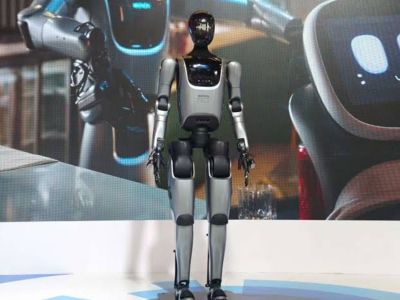
XMAN-F1 Partners Johnnie Walker, M104 for AI Bartending Breakthrough
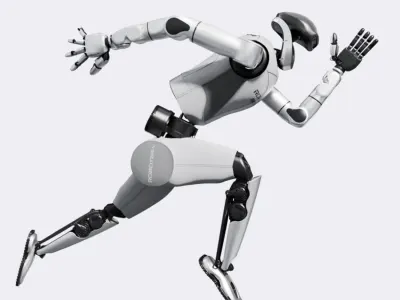
RobotEra L7 Racing Into Warehouses: 14.4 km/h Humanoid Cuts Picking Costs with ERA‑42 Deal

Clone’s Protoclone V1 Mirrors Human Muscles with 1,000 Myofibers, 500 Sensors
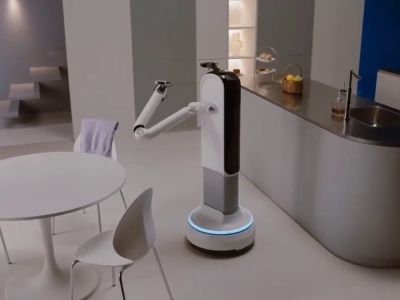
Samsung Bot Handy 2 Integrates Google Gemini, Boosts Dexterity with 3kg Dual-Arm Grip
Related Comparisons
Compare Tiangong with similar robots

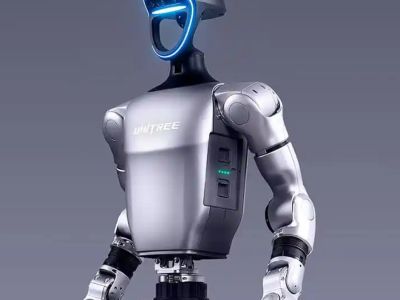
Optimus vs Unitree G1
Compare Optimus vs Unitree G1 for humanoid mobility, dexterity, autonomy, and payload capacity.
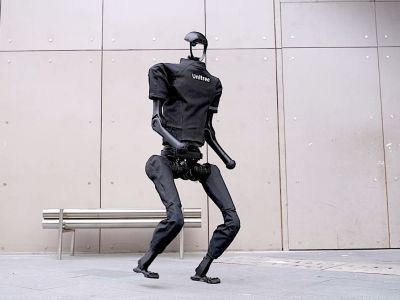
Unitree G1 vs Unitree H1
Head-to-head: Unitree G1 vs Unitree H1 compared on bipedal balance, AI learning, and real-world deployment.
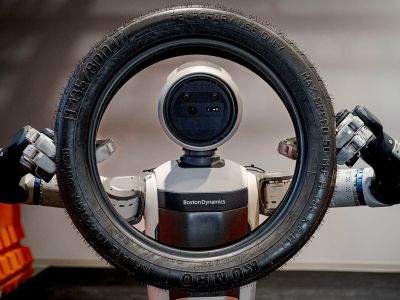
Optimus vs Atlas (Electric Atlas, 2025)
In-depth comparison of Optimus and Atlas (Electric Atlas, 2025), covering hardware capabilities, teleoperation, and enterprise readiness.
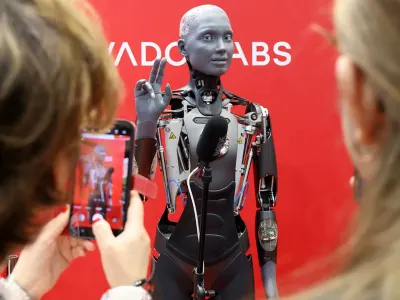

Ameca vs Moya
Which humanoid robot is better? Ameca vs Moya compared for dexterity, AI capabilities, and price.
Learn More About This Robot
Discover detailed specifications, reviews, and comparisons for Tiangong.
View Robot Details →