UBTECH and China Telecom's Device Arm Aim to Put 100,000 Humanoid Robots on the Market
Company
UBTECH RoboticsPublished
November 9, 2026
Reading Time
5 min read
Author
Origin Of Bots Editorial Team

A Phone Company Starts Selling Robots
On November 9, UBTECH, the Hong Kong-listed Chinese humanoid robot maker, signed a broad partnership with Tianyi Telecom Terminal, the China Telecom subsidiary that handles phones and other devices. Together they want more than 100,000 humanoid robots in the market within three years, a plan that could one day put robots on sale beside smartphones.
The same agreement sets a far larger goal for a different kind of machine: more than one million home companion robots over the same period. For ordinary people, the significance is simple. Until now, buying a humanoid has mostly been a matter for factories and government bodies. A national phone company offers a much more familiar front door.
Three Kinds of Robot, One Shared Goal
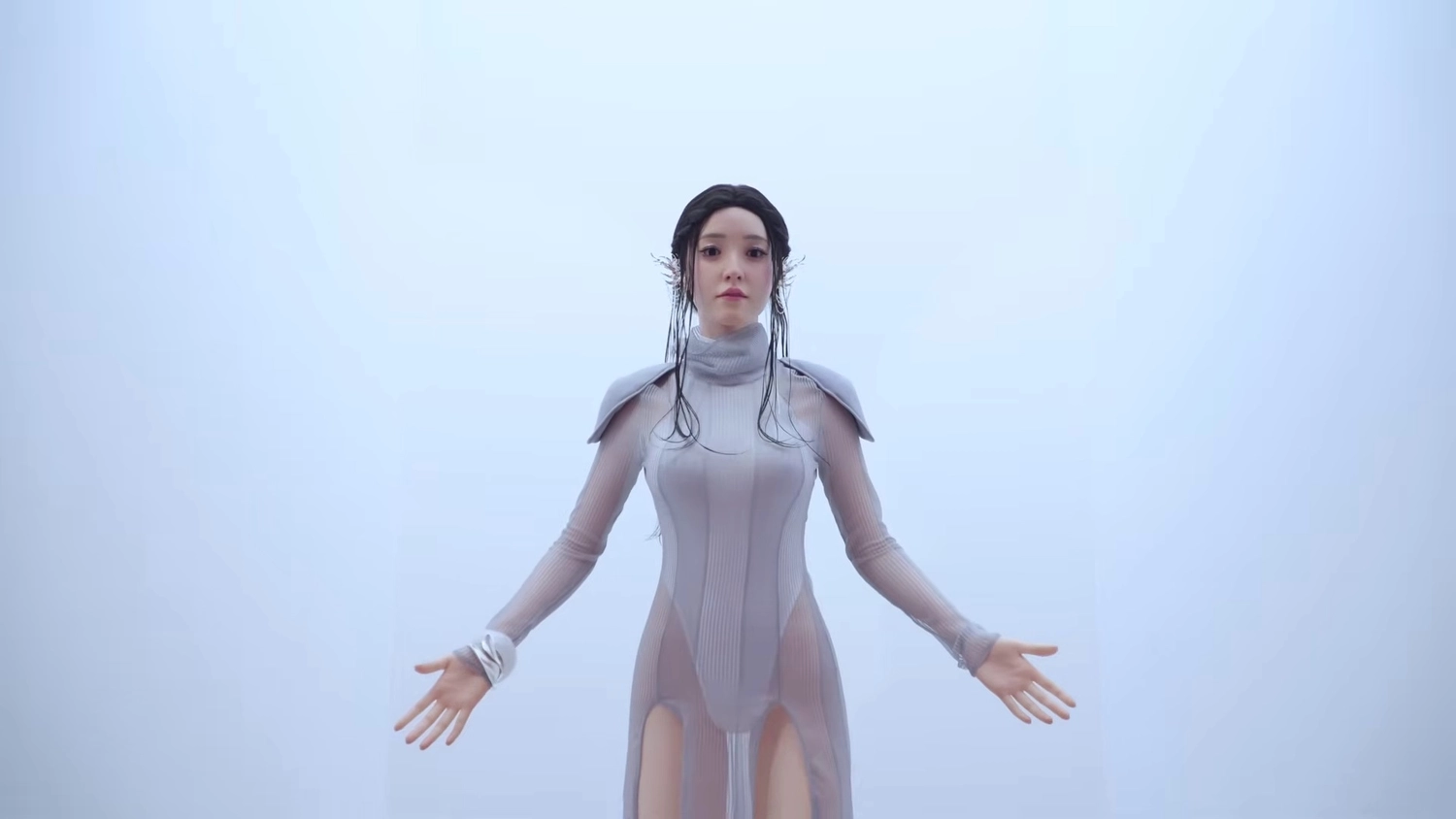
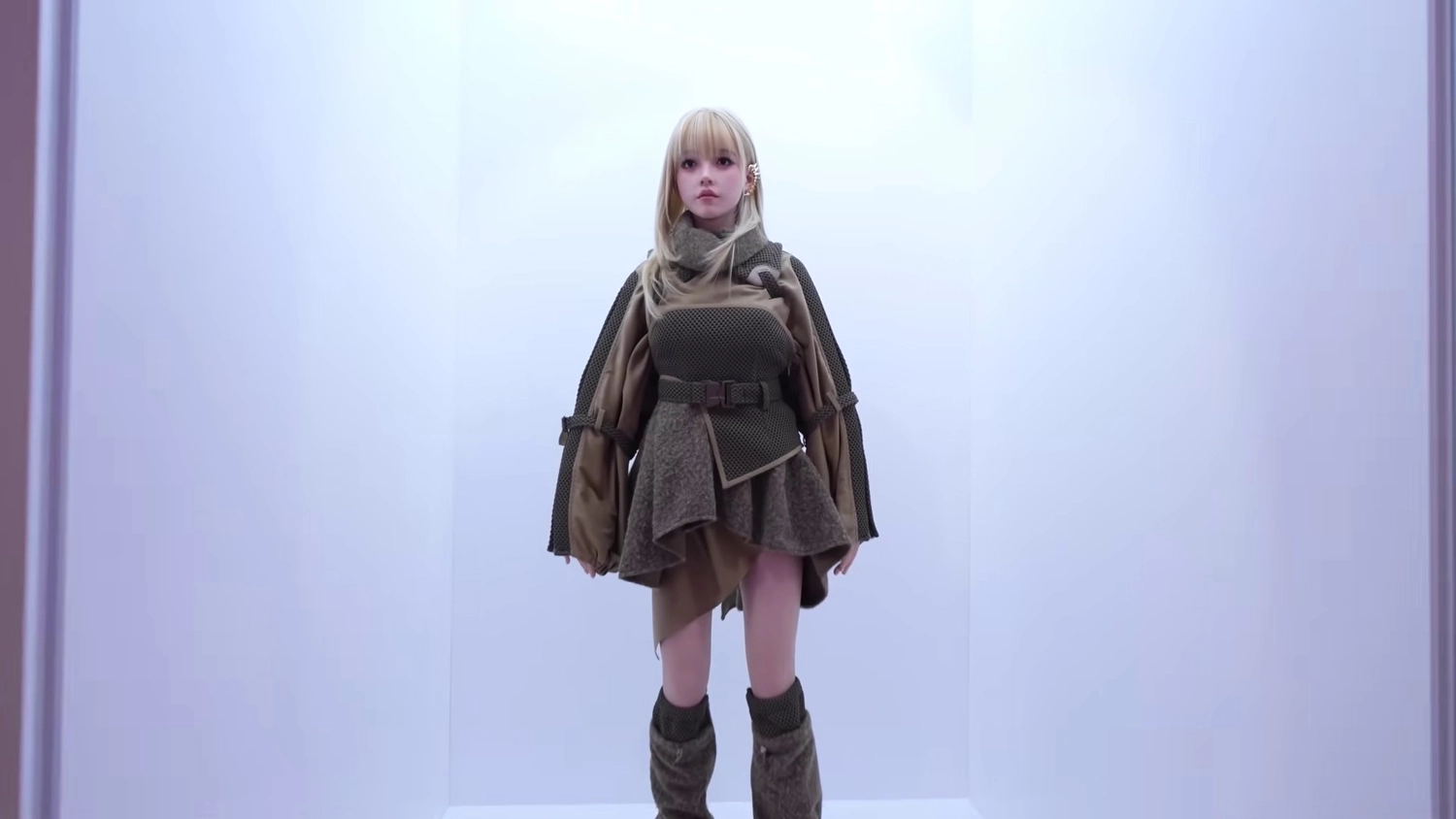
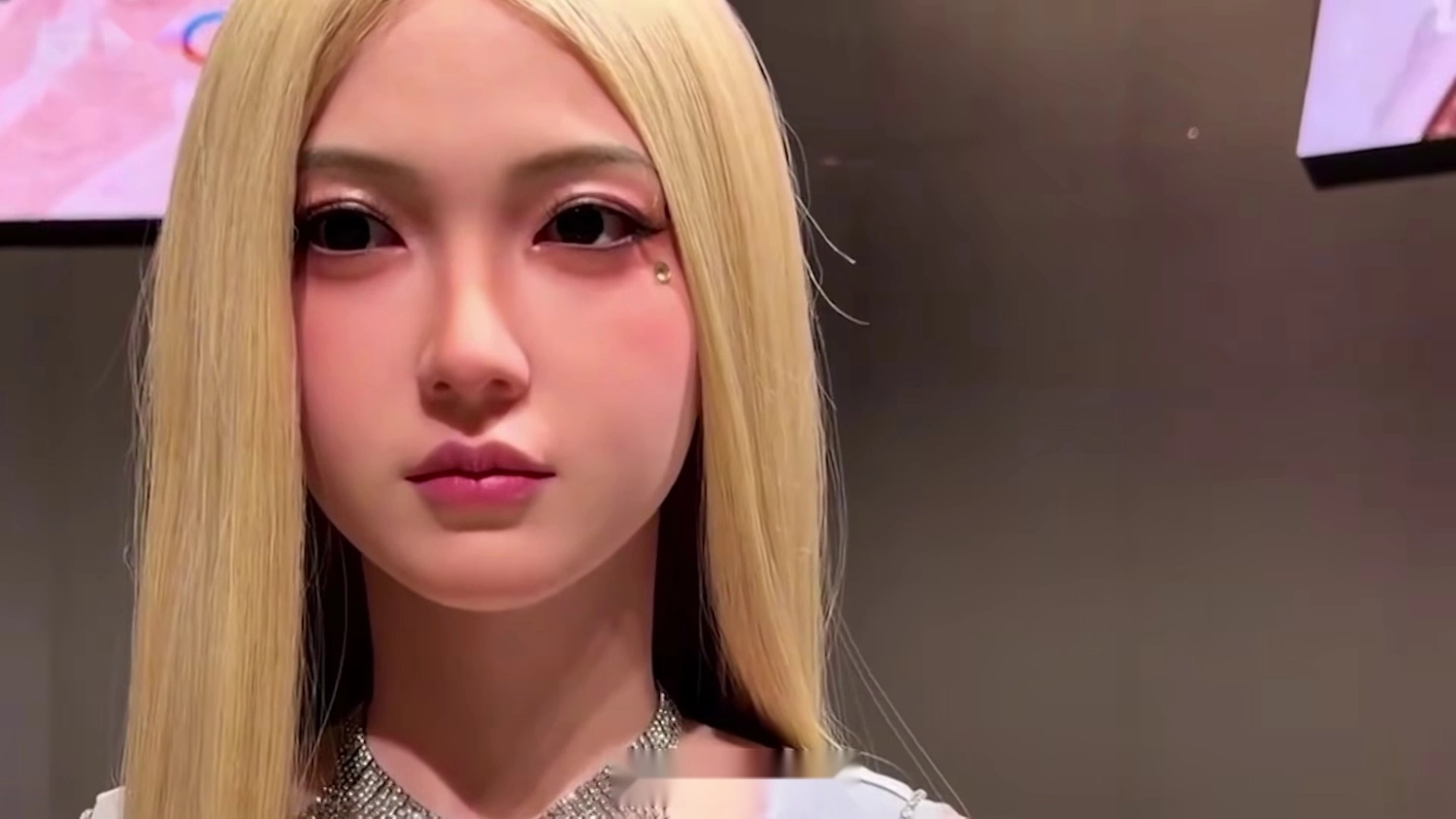
The partners named three product families. Super bionic humanoids are built to look strikingly human. Wheeled humanoids keep a humanlike upper body but roll on a mobile base instead of walking, which makes them simpler and steadier on flat floors. Home companion robots are meant to chat with people and keep them company around the house.
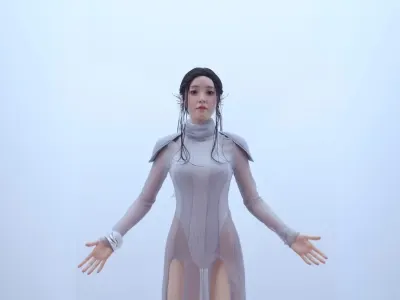
The 100,000 target covers the bionic and wheeled humanoids, while the one million target covers the companions. UBTECH has not said which models will be offered, and neither company has published a price. The bionic line drew attention only days earlier, when UBTECH and the Xinhua news agency unveiled two lifelike humanoid news anchors.

Renting a Robot Like a Phone Plan
The companies plan to test three ways of reaching customers. One is leasing, which would let a household or shop pay over time instead of buying outright. Another bundles a robot with paid artificial intelligence services, much as phone contracts bundle a handset with data. The third turns telecom shops into places to meet a robot in person.
That last idea may matter most. Most people have never stood next to a humanoid, and few would spend serious money on one unseen. Tianyi can draw on a nationwide network of China Telecom customer service halls and a large base of home subscribers, which gives UBTECH a sales channel it would struggle to build alone.
What a Telecom Network Adds to a Robot
The deal is about more than shelf space. Under the agreement, China Telecom's technology would be built into the robots themselves, including its AI services, satellite links, security tools and eSIM, the tiny built-in chip that connects a device to a mobile network without a removable card. UBTECH contributes its voice, vision and emotion-sensing software.
Tianyi vice president Gui Xuan called the partnership an important step in the group's digital strategy and in bringing its pay-as-you-use AI business to physical devices. UBTECH senior vice president Hao Baoyu said the goal is products that better understand their users. A new joint laboratory, unveiled at the signing, will work on customization, testing and standards.

A Factory Robot Maker Looks Toward the Living Room
The move marks a change of direction. According to the 21st Century Business Herald, nearly all of UBTECH's humanoid revenue has so far come from industrial and government customers. The company delivered 1,079 full-size humanoids in 2025, at an average price the newspaper estimates at about 760,000 yuan, or more than 100,000 US dollars.
A price like that explains why consumer sales need a different product and a different way of selling. Leasing and bundled services spread the cost, while telecom shops supply the customers. The newspaper sees the partnership as a possible route into consumer sales for UBTECH, a market that has barely figured in its humanoid business so far.
The Company Behind the Ambition
UBTECH was founded in 2012 and has been growing quickly. Revenue reached 2.001 billion yuan in 2025, up 53.3 percent, and rose another 104.2 percent year on year to 1.269 billion yuan in the first half of 2026. Full-size humanoids made up 46.5 percent of those first-half sales, according to the Herald's report.
Profit remains further off. The company lost 703 million yuan in 2025, narrower than the 1.137 billion yuan lost a year earlier, and management expects to break even in a single quarter by late 2027. A smart factory with capacity for 10,000 robots a year began running in the second half of 2026.

A Target, Not an Order Book
The headline number deserves a careful reading. The 100,000 figure is a shared goal for the next three years, not a purchase order, and the companies have not disclosed financial terms. For scale, the research firm IDC counted about 18,000 humanoid robots shipped worldwide in all of 2025, mostly for performances, education and data collection.
UBTECH's own vice president Jiao Jichao has said humanoids will reach industry first and that home use is at least eight to ten years away. The 21st Century Business Herald says the target depends on how far prices fall and how quickly household demand develops. Neither question has a clear answer yet.
What to Watch in the Shops
The first real signal will be the pilots. The telling details will be which robots appear in China Telecom halls, how much a monthly lease costs, and whether shoppers come back after the novelty fades. Investors reacted quickly, with UBTECH's Hong Kong shares rising nearly 9 percent on the day of the signing.
The joint laboratory will also show whether the two companies can agree on what a telecom-connected robot should actually do at home or in a shop. If the pilots succeed, the humanoid could follow the path of the smartphone, from expensive curiosity to something sold over a counter. For now, that remains a plan rather than a result.

Related Articles
South Korea's ETRI Unveils Its Own Humanoid Robot Brain at a Physical AI Showcase
Swiss Startup Embodied AI Unveils AIR, a Humanoid That Learns Factory Jobs on the Shift

Xinhua and UBTECH Unveil Xinyan and Xinyu, Humanoid Robot News Anchors Designed by Zhang Yimou