VinRobotics Rockets Humanoid Speed to 1.5m/s in 8 Months
Robot Details
VR-H1 • VinRoboticsPublished
February 13, 2026
Reading Time
2 min read
Author
Origin Of Bots Editorial Team
Speed Surge Unveiled
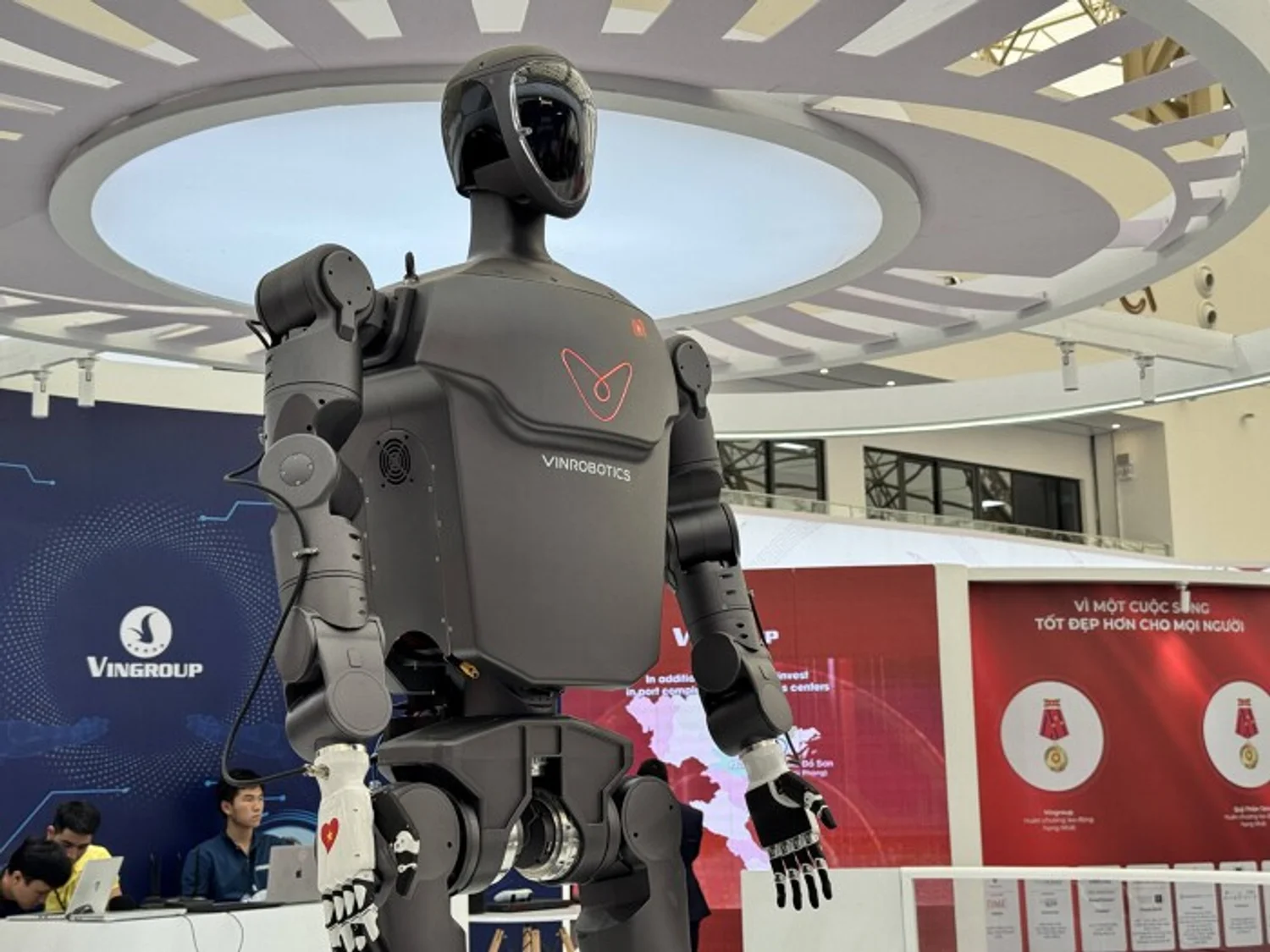
VinRobotics unveils the VR-H1 humanoid, achieving a breakthrough walking speed of 1.5 m/s—matching human pace—in just eight months of development. This third-generation prototype, showcased at Vietnam's 80th Anniversary National Achievements Exhibition, signals rapid progress toward commercial deployment. Engineers leveraged reinforcement learning for locomotion, enabling stable strides in crowded environments. The milestone redefines humanoid viability for factories and hazardous sites, promising safer human-robot collaboration and operational efficiency.
Gesture Mastery Debuts
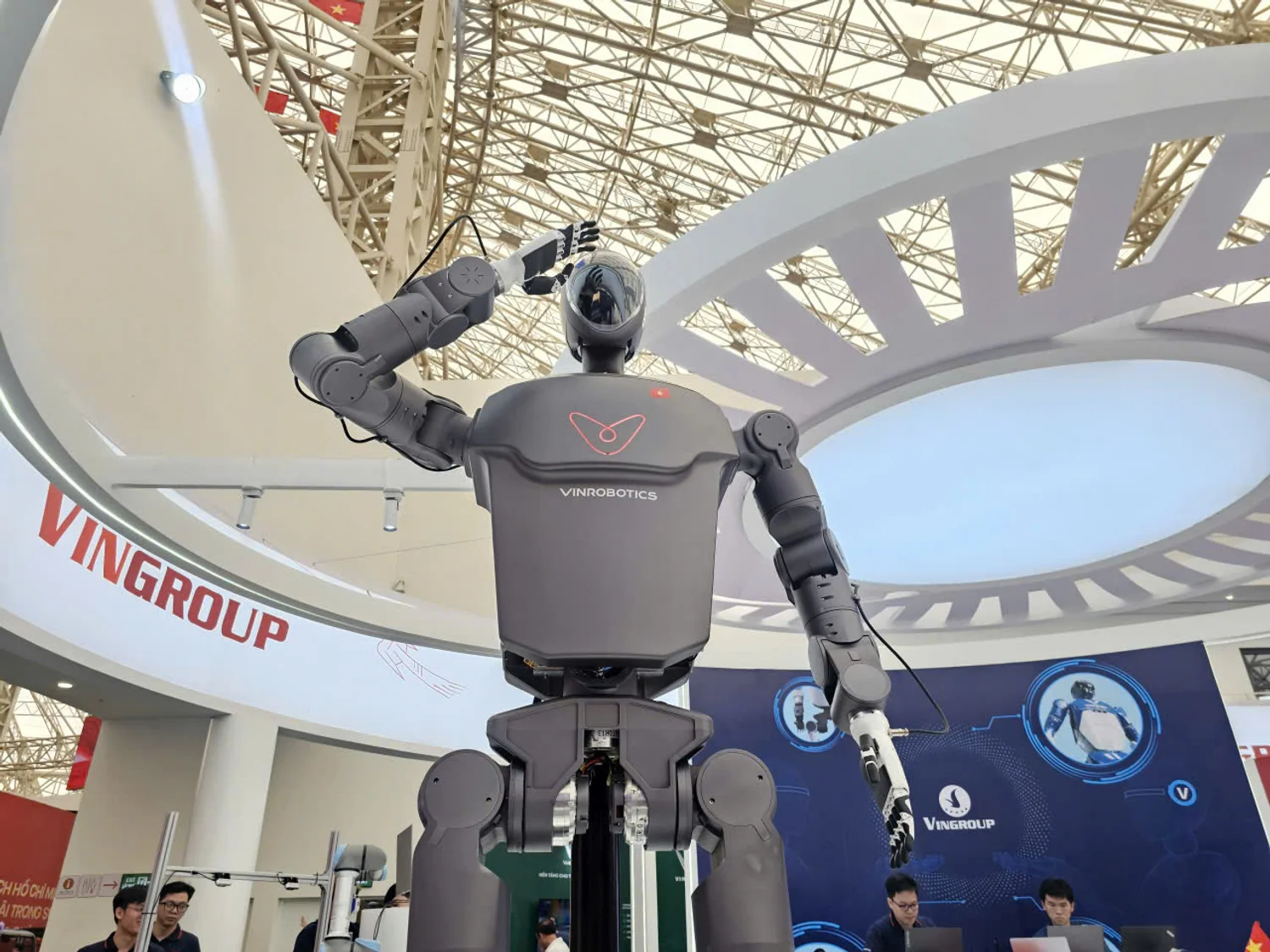
Beyond speed, VR-H1 excels in human-like interactions, waving, shaking hands, and saluting with fluid arm motions powered by 31 smart motors. Each arm handles 3 kg payloads, ideal for precise gestures during collaborative tasks. Dual swappable batteries ensure uninterrupted performance, rotating seamlessly for extended shifts. This focus on natural movements fosters trust in shared workspaces, transforming robots from rigid tools into intuitive assistants.
Locomotion Leap Forward
Reinforcement learning drives VR-H1's gait, adapting to uneven terrain and dynamic settings for reliable bipedal navigation. Visual SLAM and indoor SLAM systems fuse sensor data for obstacle avoidance, while rotary joints mimic human kinematics. The robust 75 kg aluminum frame balances power and agility, supporting full autonomy upgrades. These advances position VR-H1 as a frontrunner in scalable humanoid engineering.
Factory Roles Expand
VR-H1 targets factory assistance, bin picking, quality checks, and surface finishing, navigating tight spaces to handle tools, packages, or precision instruments. In harsh environments, it performs mobile manipulation, reducing worker exposure to risks. Collaborative modes enable side-by-side operations, boosting productivity in assembly lines or inspections. Early demos highlight its potential to streamline workflows and cut costs.
Interaction Skills Detailed
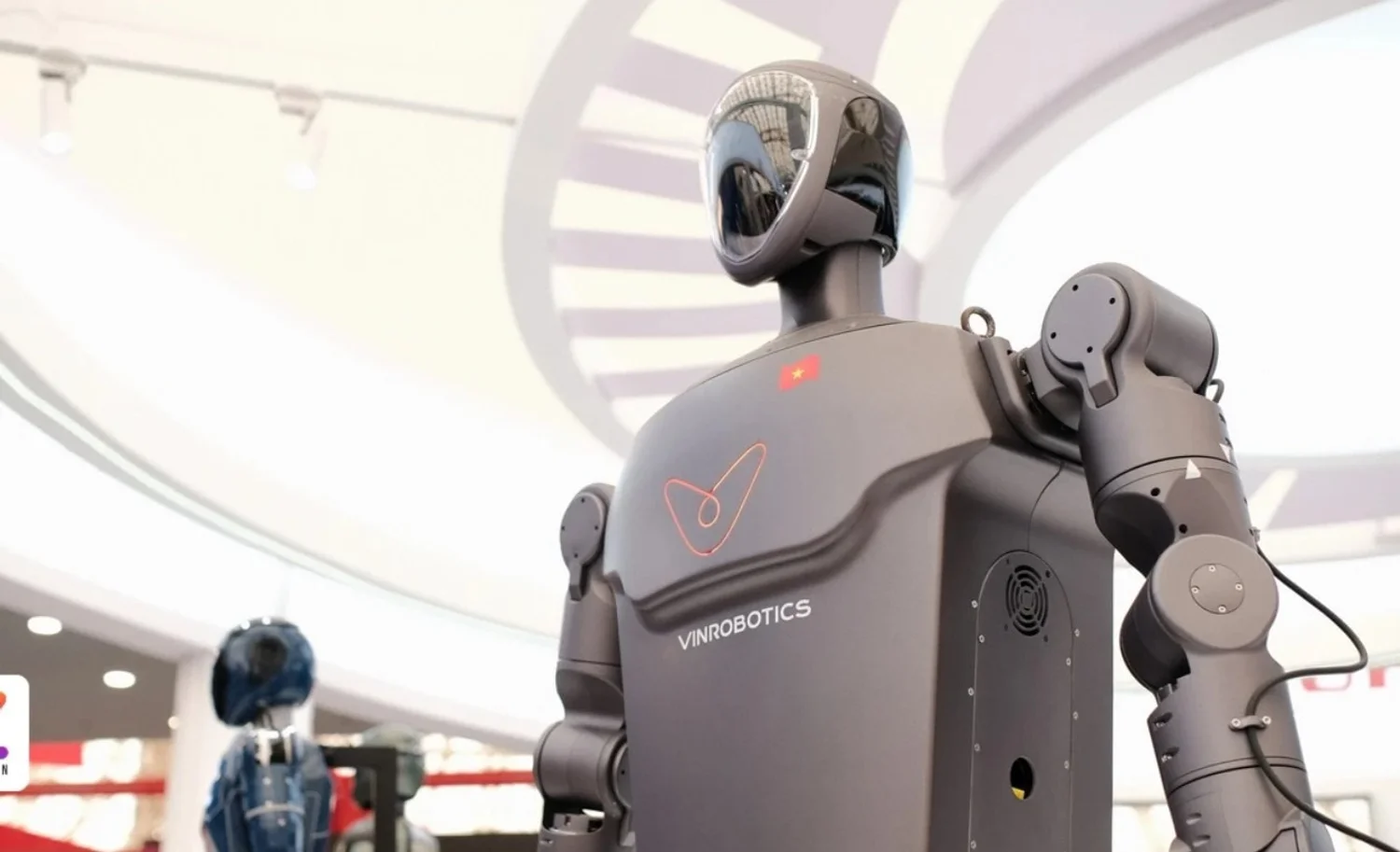
VR-H1's sensor suite—RGB and stereo cameras, LiDAR, IMU, gyroscope, force sensors—powers dexterous human interactions, detecting subtle cues for safe handshakes or object handoffs. Bipedal mobility at 1.5 m/s (5.4 km/h) enables natural following in human crowds, while 3-5 year battery life sustains prolonged assistance sessions. Safety via force limiting, collision detection, and emergency stops ensures seamless people partnerships. ROS2 and Python APIs facilitate custom skills for empathetic collaboration. Standing 178 cm tall at 75 kg, it matches human proportions for intuitive teamwork.
Rivals Speed Check
| Robot | Strengths over VR-H1 | VR-H1 Advantages | Weaknesses vs. VR-H1 |
|---|---|---|---|
| AgiBot A2 Ultra | Lighter build aids agility | Faster 1.5 m/s speed, longer battery | Less confirmed arm payload |
| VR-H3 | More advanced prototype features | Quicker 8-month speed achievement | Potentially fewer motors |
| NAVAI Navigator 2 | Superior navigation range | Human-proportioned interaction focus | Weaker bipedal stability claims |
| LUS2 | Higher torque in demos | Broader safety-collaborative modes | Shorter development timeline edge |
Explore Humanoids
Sources
Related Articles

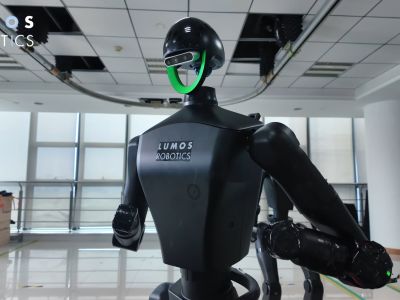
Matrix-3 Feels 0.1N Touches, Masters Laundry Folding
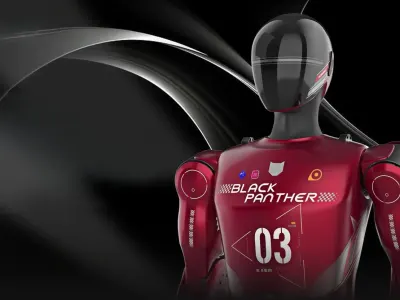
Bolt Sprints to 10m/s World Record in Real-World Dash
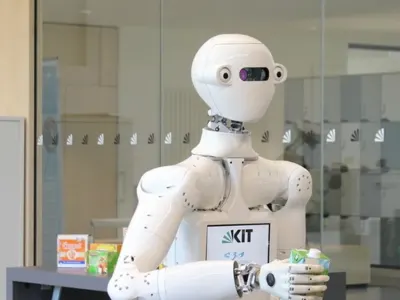
Humanoid Robot ARMAR-7 Masters Learning from Human Demonstration
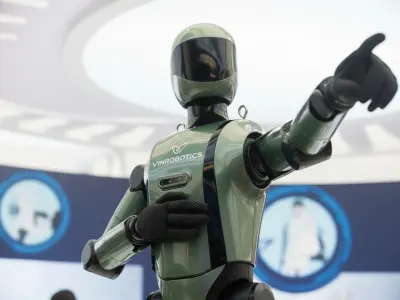
VinRobotics Rockets 270% Growth into Humanoid AI Era
Related Comparisons
Compare VR-H1 with similar robots
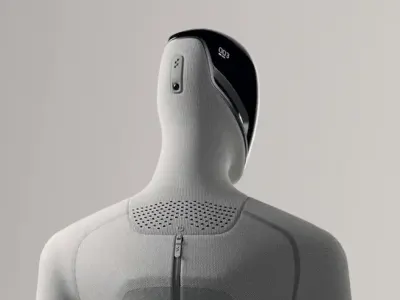
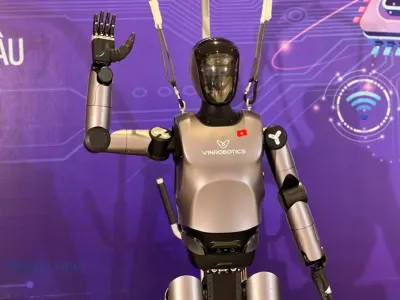
Figure 03 vs VR-H3
Which humanoid robot is better? Figure 03 vs VR-H3 compared for dexterity, AI capabilities, and price.

AgiBot A2 Ultra vs VR-H3
Which humanoid robot is better? AgiBot A2 Ultra vs VR-H3 compared for dexterity, AI autonomy, payload capacity, and industrial deployment readiness.
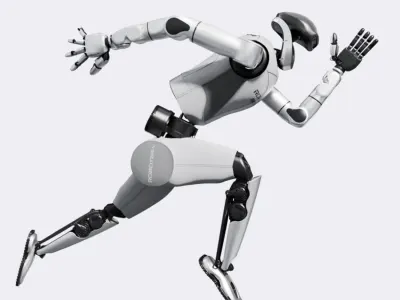
L7 vs VR-H3
Compare L7 by Robot Era vs VR-H3 by VinRobotics for humanoid mobility, dexterity, autonomy, and payload capacity in industrial applications.
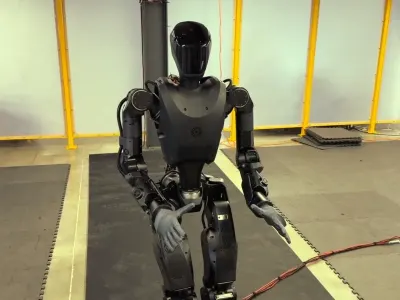
VR-H3 vs Phantom MK1
Head-to-head: VR-H3 vs Phantom MK1 compared on bipedal balance, AI learning, payload strength, and real-world deployment for enterprise robotics.
Learn More About This Robot
Discover detailed specifications, reviews, and comparisons for VR-H1.
View Robot Details →