
VR-H1
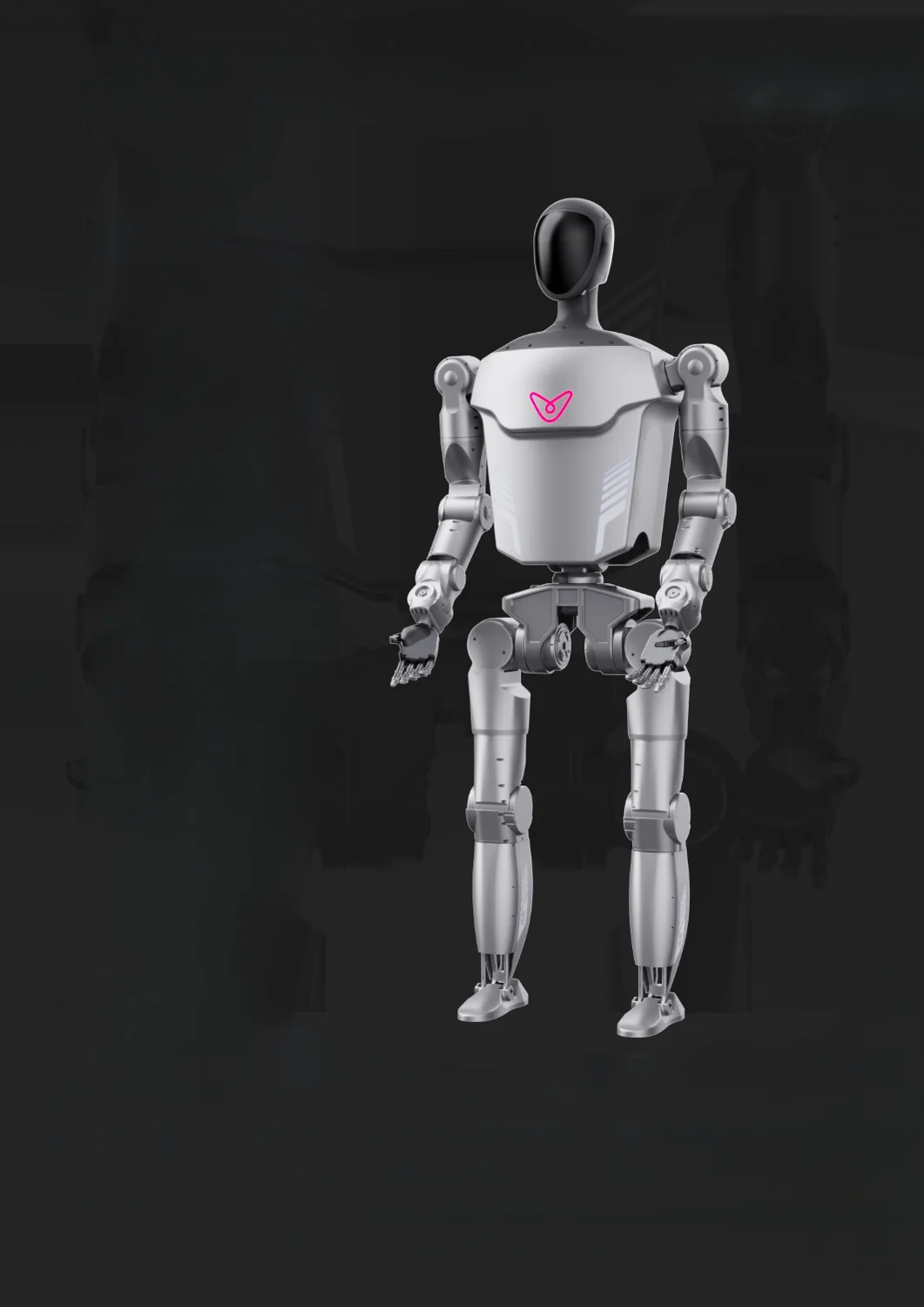
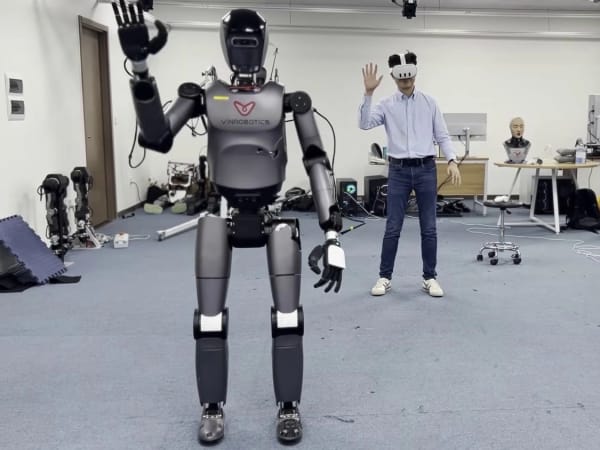
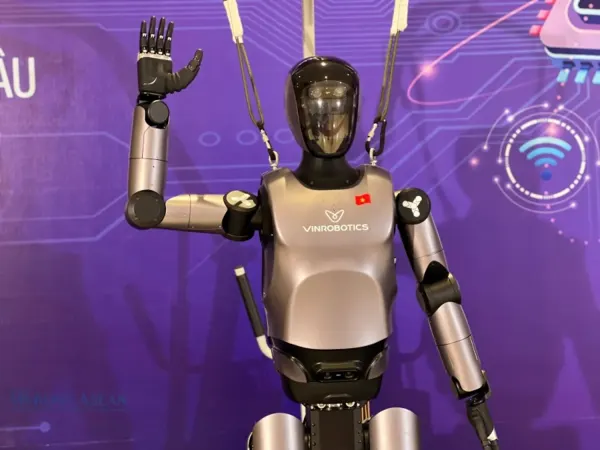
The VR-H1 is a third-generation bipedal humanoid robot from VinRobotics, engineered for industrial assistance in factories and hazardous environments. Standing at human height with human-like proportions, it features 31 smart motors enabling precise rotary joint movements for walking in crowded spaces, arm gestures like waving and handshaking, and object manipulation. Each arm lifts up to 3 kg, supporting tasks such as picking, assembly, and inspection. Equipped with dual swappable batteries for continuous operation, advanced AI vision for navigation and object recognition, and reinforcement learning-based locomotion for stable gait on uneven terrain. Its robust aluminum frame weighs 75 kg, balancing strength and agility for logistics, quality control, and collaborative human-robot workflows, with potential for full autonomy in dynamic settings.
Quick Overview & Key Facts
VR-H1 is a humanoid system developed by VinRobotics in Vietnam and launched in 2025. Starting price is estimated at USD 150,000 – 300,000 (Targeted for early commercial pilots and research institutions). It is currently ranked #303 in most-viewed humanoid robots on Origin of Bots. It supports Tools, packages, precision instruments, people interaction. Operating battery runtime is rated at 2 – 4 hours (Depending on task intensity); 8 hours (with battery rotation).. Primary applications include Factory assistance, bin picking, quality inspection, mobile manipulation, surface finishing. Featured in editorial articles including “VinRobotics Rockets Humanoid Speed to 1.5m/s in 8 Months”.
What Can VR-H1 Do?
Core operational tasks and activities demonstrated or performed by VR-H1.
Real-World Applications of VR-H1
Industries, working environments, and deployment suitability for VR-H1.
VR-H1 Capabilities
Inherent physical, perceptual, and cognitive abilities built into VR-H1.
Download Media Cards
Story CardExport high-resolution story cards summarizing VR-H1's operational tasks, real-world applications, and capabilities.
Image Gallery
Below images are from VinRobotics's official sources
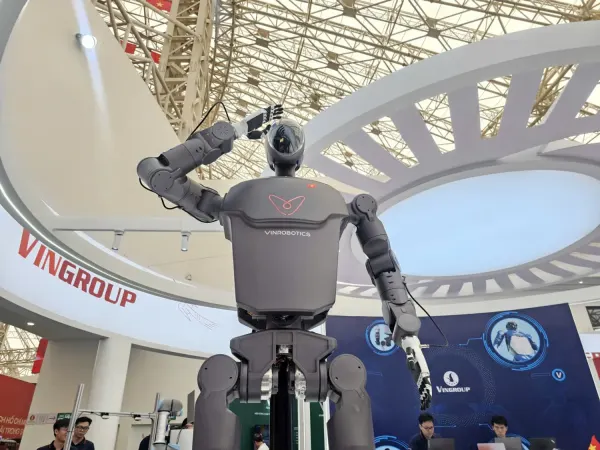
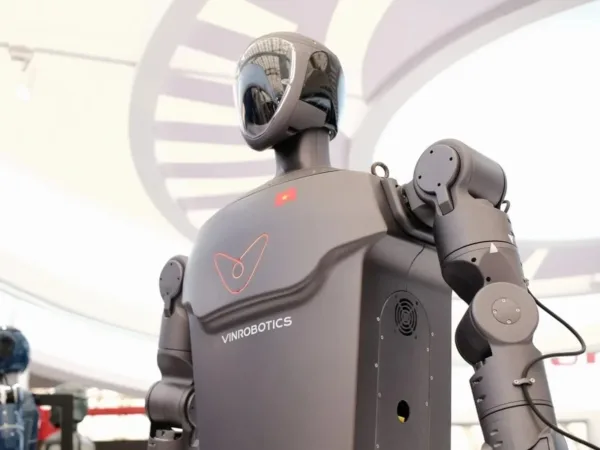
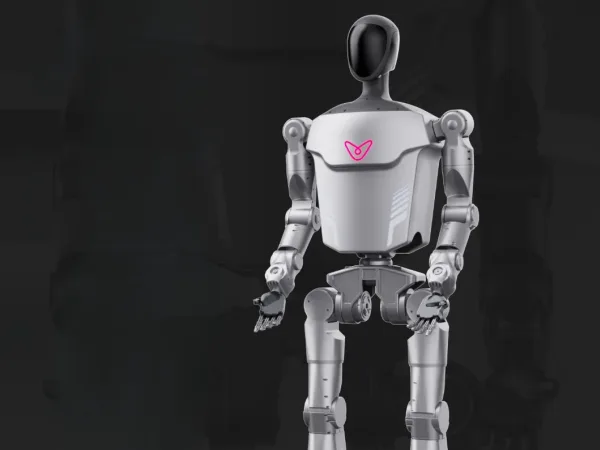
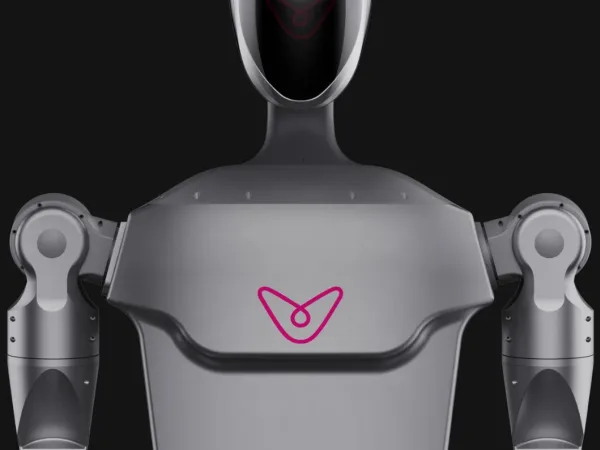
Review Videos
Watch expert reviews and demonstrations of this robot

Robot Specifications
Latest News About VR-H1
Stay updated with the latest articles and developments
More Robots from VinRobotics
Explore other robots from this manufacturer

More Humanoid Robots
Discover more robots in the same category

Robots From Other Categories
Discover complementary robots from different categories that work well together

Frequently Asked Questions
Get answers to common questions about this robot
Q1. What is VR-H1, and what problem is it designed to solve?
VR-H1 is a humanoid robot developed by VinRobotics, intended for tasks requiring bipedal mobility in dynamic environments. According to the manufacturer, it addresses challenges in locomotion stability for industrial and research applications.
Q2. What are the main capabilities and key features of VR-H1?
VR-H1 features reinforcement learning-based locomotion for stable movement on varied terrains. The manufacturer highlights its bipedal design enabling navigation in complex indoor and outdoor settings.
Q3. Who is VR-H1 built for, and which industries can benefit from it?
VR-H1 targets researchers and developers in robotics. VinRobotics positions it for industries including manufacturing and human-robot interaction studies.
Q4. Is VR-H1 a commercial product or still a research prototype?
As of 2026, VR-H1 remains in development stages per VinRobotics announcements. It supports ROS integration for research and custom applications.
Q5. Is VR-H1 currently available for purchase, and when is it expected to ship?
VinRobotics has not announced commercial availability for VR-H1 as of 2026. The company plans future deployments through targeted channels.
Q6. How does VR-H1 actually work in real-world environments?
VR-H1 employs reinforcement learning policies trained in simulation for real-world gait control. According to VinRobotics, domain randomization aids sim-to-real transfer for terrain adaptation.
Q7. When was VR-H1 announced or officially launched?
VinRobotics announced advancements in humanoid locomotion, including VR-H1 development, in 2024 blog posts. No official launch date has been specified.
Q8. How is VR-H1 different from other robots in the same category?
VR-H1 incorporates phase-aware gait rewards and bio-inspired design per VinRobotics. This contrasts with competitors by emphasizing natural movement on heavy platforms.
Q9. Does VR-H1 require additional development or customization after purchase?
VinRobotics indicates VR-H1 supports SDKs and APIs for user customization. Research users typically adapt it via ROS for specific tasks.
Q10. What is the future roadmap or planned upgrades for VR-H1?
The company announced plans to enhance sim-to-real reliability and expand locomotion capabilities. VinRobotics targets broader deployment in structured environments.
Rating and Reviews
Share your experience and help others decide!
Loading...
User Reviews
No user reviews. Be the first one to review!
User Comments (No Login needed)
Share your thoughts, experiences, or questions about this robot.
Comments are reviewed before posting.