VinRobotics VR-H3 Hits Human-Level Walking Speed
Robot Details
VR-H3 • VinRoboticsPublished
February 13, 2026
Reading Time
2 min read
Author
Origin Of Bots Editorial Team
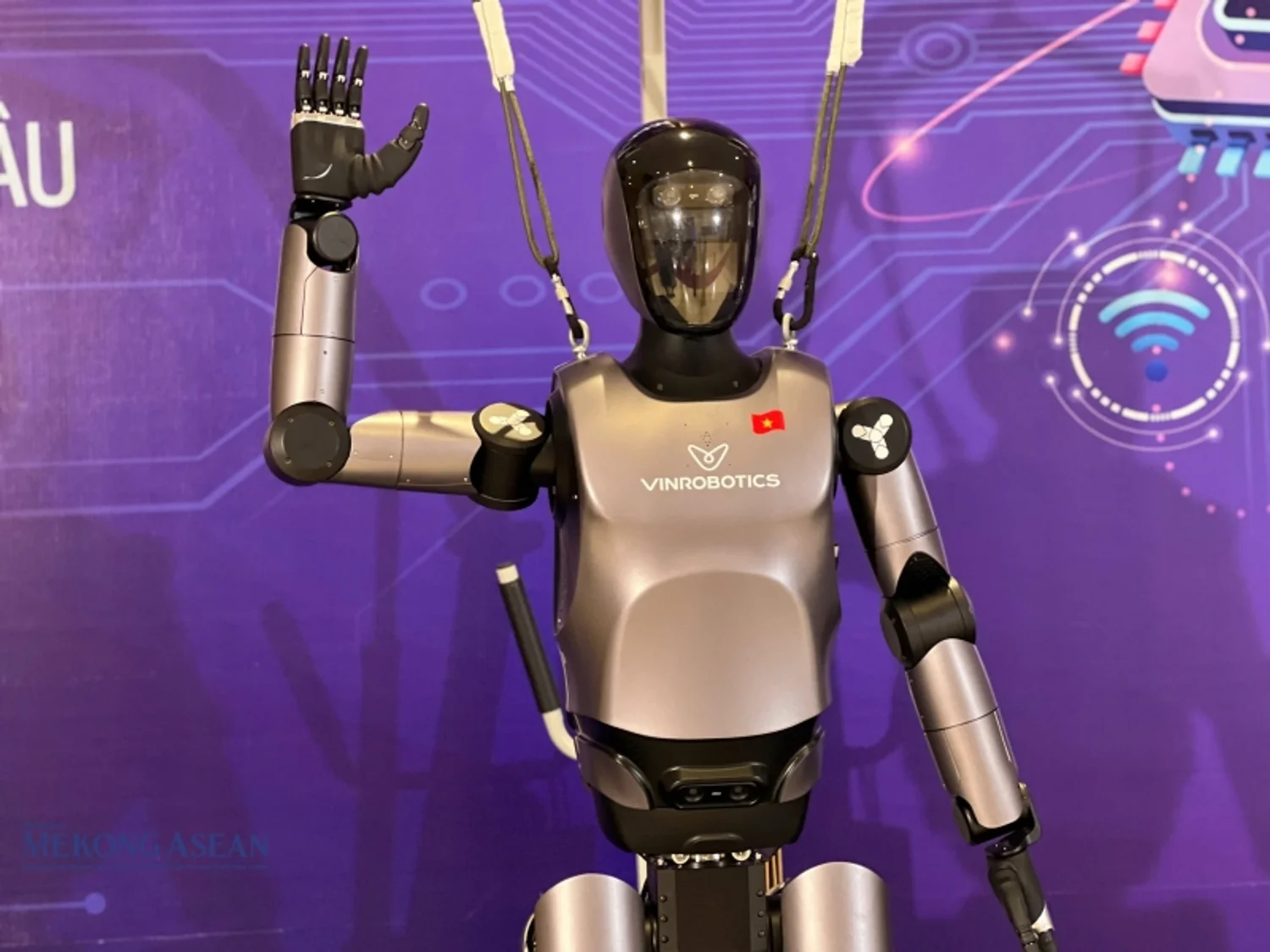
Speed Milestone Unveiled
VinRobotics unveils its VR-H3 humanoid robot, achieving a groundbreaking 1.5 m/s walking speed that matches average human pace, as confirmed in recent engineering updates. This prototype debut signals a shift toward practical humanoid deployment in real-world settings. Engineers leveraged reinforcement learning for stable bipedal gait, enabling the robot to navigate crowded factories or uneven floors without stumbling. The announcement arrives amid rising demand for collaborative machines, positioning VR-H3 as a frontrunner in Vietnam's robotics push. Industry watchers note this speed breakthrough could accelerate adoption in labor-intensive sectors.
Bipedal Agility Redefined
VR-H3's legged mobility transforms routine navigation into fluid, human-like motion, opening doors to seamless teamwork alongside workers. Unlike rigid wheeled bots, its bipedal design squeezes through tight aisles while carrying tools or packages, fostering intuitive human-robot partnerships. Reinforcement learning refines every step for balance on dynamic surfaces, turning potential hazards into reliable paths. This capability empowers the robot to assist in shared spaces, from assembly lines to warehouses, where adaptability trumps brute force.
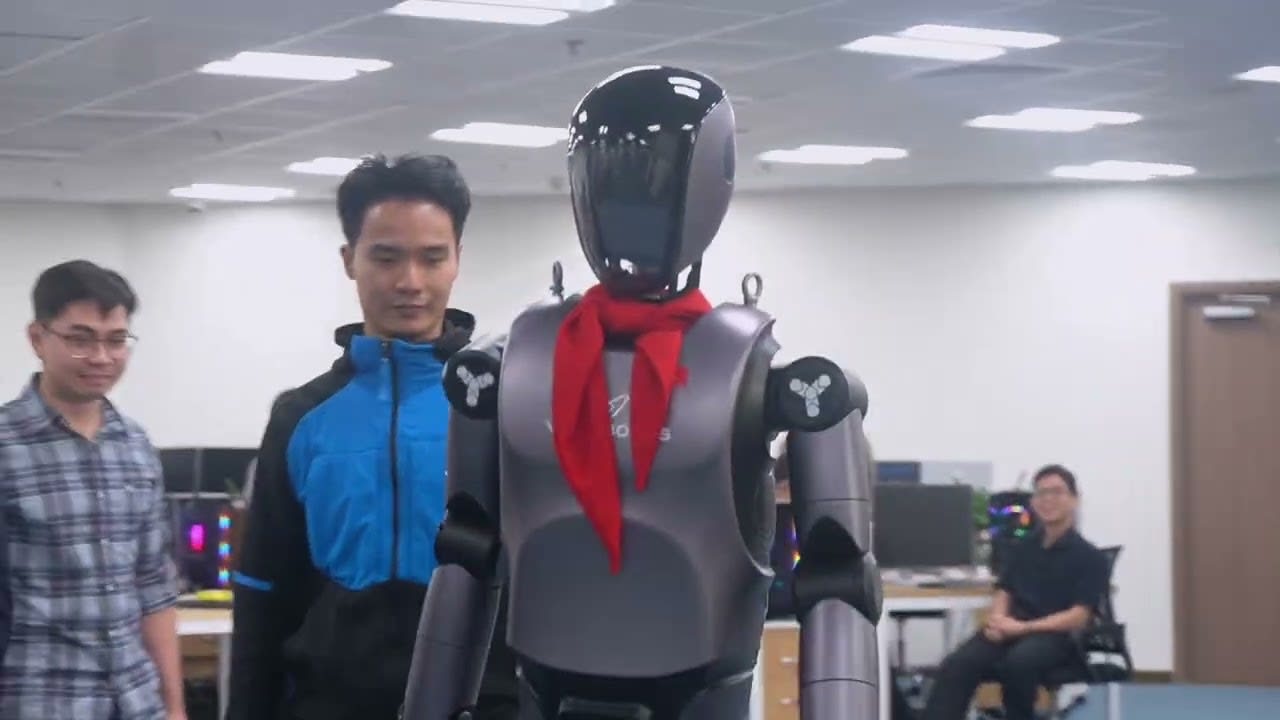
Locomotion Tech Leaps
At the heart of VR-H3 lies advanced reinforcement learning fused with visual SLAM and 2D LiDAR, delivering breakthroughs in autonomous pathfinding. These systems process real-time environmental data for precise foot placement, mimicking human intuition during high-speed traversal. The robust chassis withstands industrial rigors, while force sensors fine-tune interactions to prevent mishaps. This engineering fusion not only hits human-level speeds but sustains them across prolonged shifts, redefining endurance in humanoid locomotion.
Deployment Scenarios Emerge
Factories gain a tireless ally as VR-H3 tackles precision assembly, hazardous inspections, and collaborative lifting, easing worker burdens in high-risk zones. Imagine it palletizing goods or polishing surfaces with unerring accuracy, integrating into workflows without halting production. Human interaction shines in training scenarios, where natural gait builds trust and efficiency. These applications promise cost savings and safety gains, particularly in manufacturing hubs seeking automation upgrades.
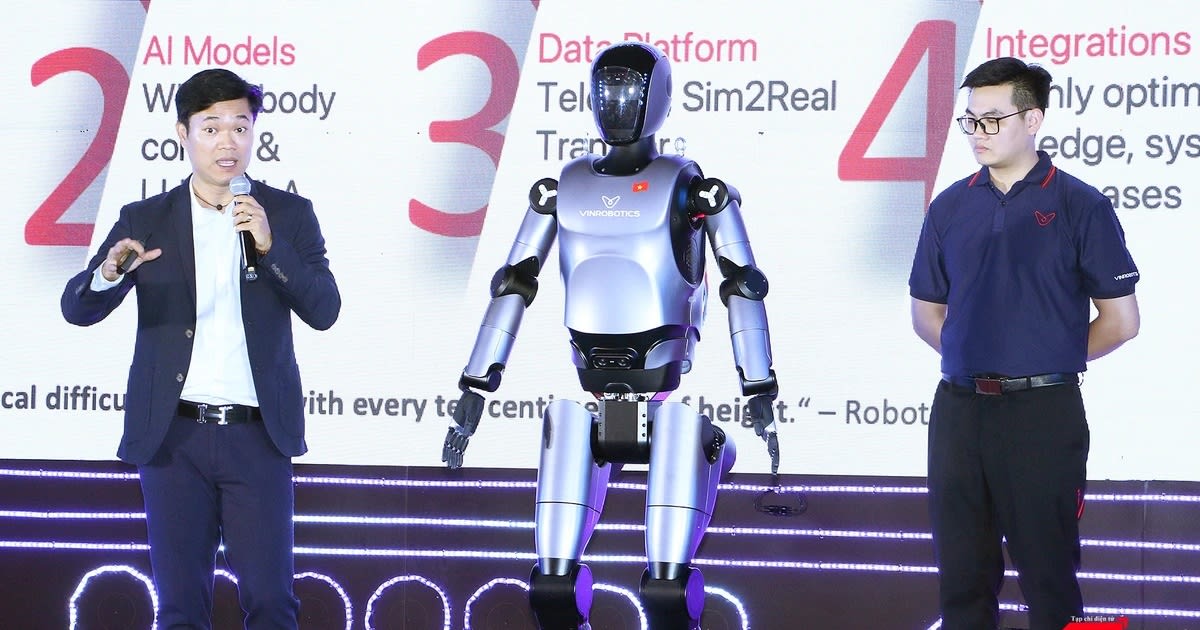
Interaction Skills Breakdown
VR-H3's sensor suite, including RGB, stereo, and depth cameras plus IMU and force detection, fuels dexterous handling of tools, packages, or instruments during extended human collaborations. Bipedal legs at 178x50x40 cm and 85 kg enable steady approaches for person-to-person handoffs, while 5.4 km/h speed matches team paces. Exceptional 3-5 year battery endurance powers multi-year interaction cycles without downtime. ROS2 and Python APIs simplify custom skills for factory aid or hazard navigation, emphasizing collaborative prowess over isolation.
Rivals Face-Off
| Robot | Strengths over VR-H3 | VR-H3 Advantages | Weaknesses vs. VR-H3 |
|---|---|---|---|
| AgiBot A2 Ultra | Higher payload (10kg/arm) | Superior walking speed, longer battery | Shorter runtime per charge |
| Martian | Better terrain handling | Human-pace mobility, richer sensors | Less arm strength (3kg max) |
| LUS2 | Lighter build (60kg) | Bipedal stability, ROS2 openness | Bulkier frame dimensions |
| Dex | Faster recharge (1hr) | Reinforcement learning gait, collab safety | Lower top speed (1.2 m/s) |

Related Articles
Bolt Sprints to 10m/s World Record in Real-World Dash
Humanoid Robot ARMAR-7 Masters Learning from Human Demonstration
VinRobotics Rockets 270% Growth into Humanoid AI Era
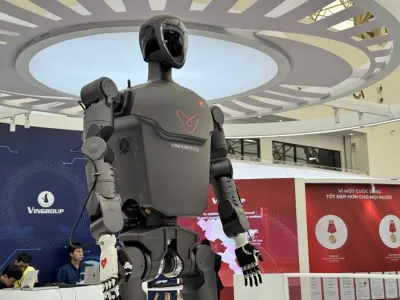
VinRobotics Rockets Humanoid Speed to 1.5m/s in 8 Months
Related Comparisons
Compare VR-H3 with similar robots

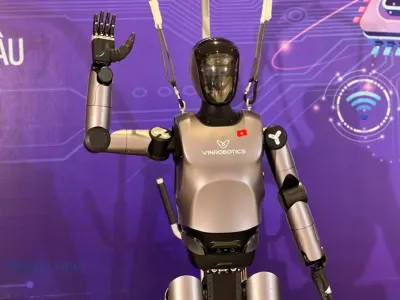
Figure 03 vs VR-H3
Which humanoid robot is better? Figure 03 vs VR-H3 compared for dexterity, AI capabilities, and price.

AgiBot A2 Ultra vs VR-H3
Which humanoid robot is better? AgiBot A2 Ultra vs VR-H3 compared for dexterity, AI autonomy, payload capacity, and industrial deployment readiness.
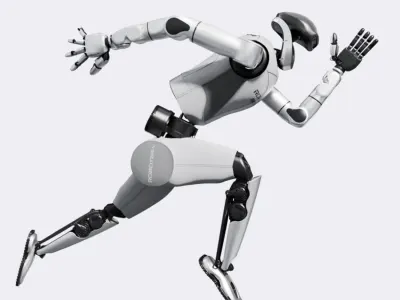
L7 vs VR-H3
Compare L7 by Robot Era vs VR-H3 by VinRobotics for humanoid mobility, dexterity, autonomy, and payload capacity in industrial applications.
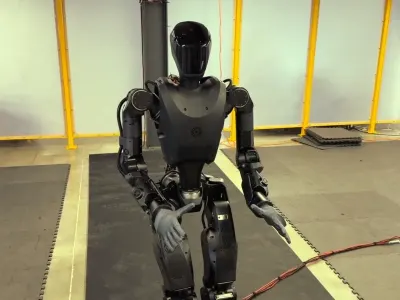
VR-H3 vs Phantom MK1
Head-to-head: VR-H3 vs Phantom MK1 compared on bipedal balance, AI learning, payload strength, and real-world deployment for enterprise robotics.
Learn More About This Robot
Discover detailed specifications, reviews, and comparisons for VR-H3.
View Robot Details →