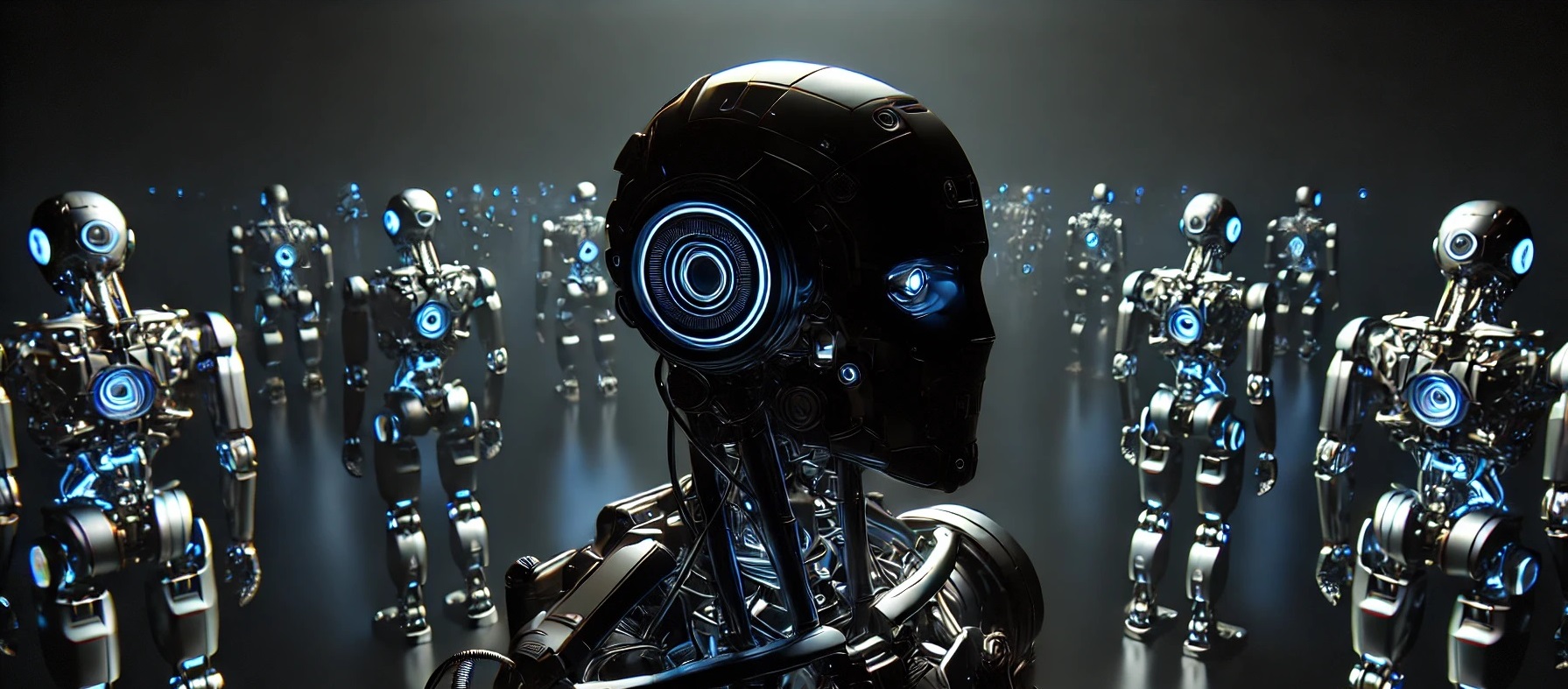
XPENG Officially Commissions Humanoid Manufacturing Plant as Bipedal Robot 'IRON' Walks Off Assembly Line
Category
humanoidPublished
September 8, 2026
Reading Time
3 min read
Author
Origin Of Bots Editorial Team
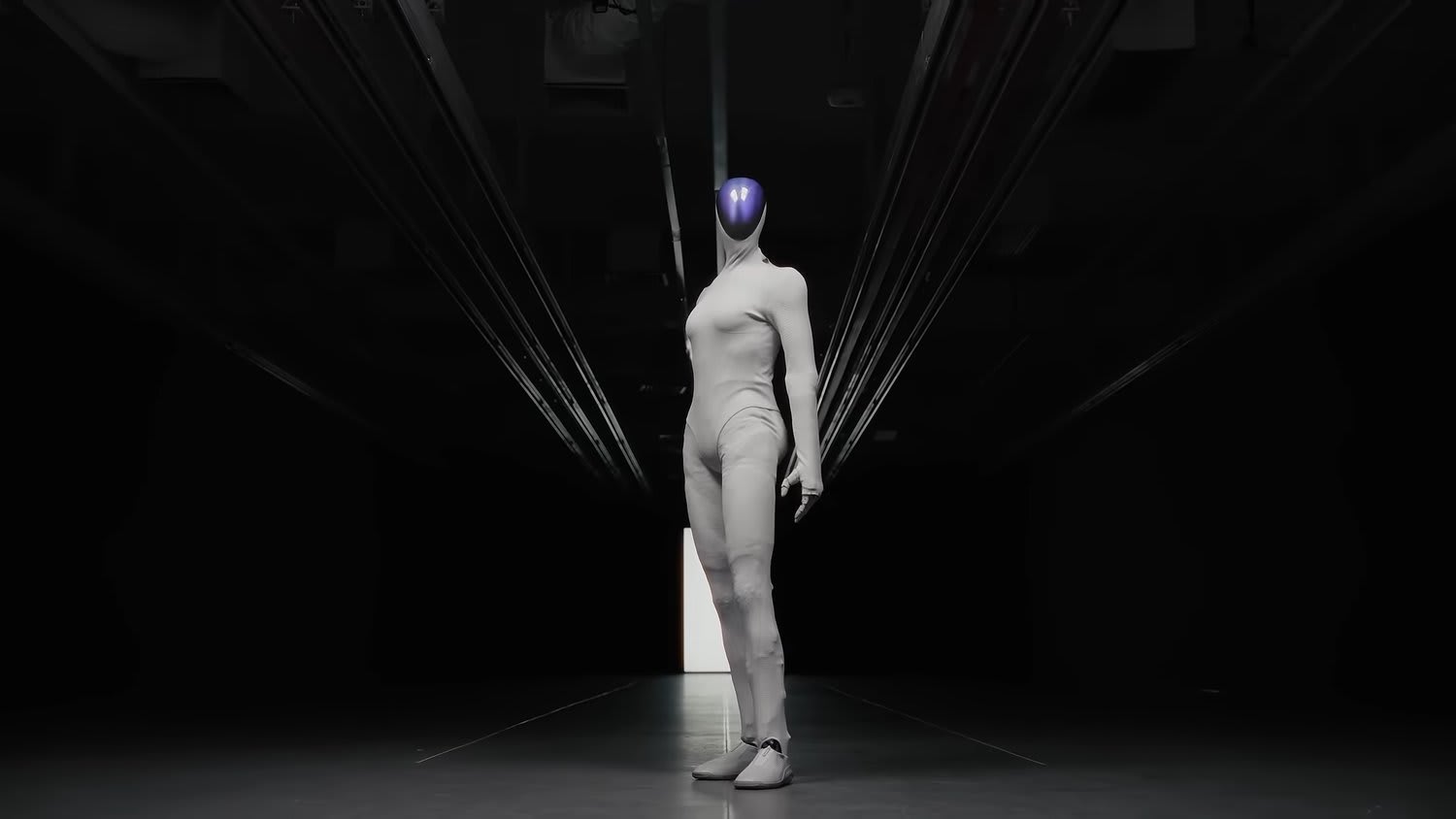
Commissioning the World's First Dedicated Humanoid Robot Factory
In an industrial breakthrough for general-purpose automation, Chinese electric vehicle manufacturer XPENG officially commissioned its dedicated humanoid robot production facility in Guangzhou. The milestone ceremony culminated as the first production-line unit of XPENG’s flagship bipedal humanoid, named IRON, autonomously walked off the factory floor.
This formal commissioning transitions humanoid robotics from custom hand-assembled prototypes into serialized, conveyor-driven industrial manufacturing. By leveraging established automotive tooling and high-precision assembly lines, XPENG aims to overcome the production bottlenecks that have historically constrained robotics commercialization.
High-Degree-of-Freedom Architecture and Biomorphic Kinematics
Standing 178 centimeters tall and weighing 70 kilograms, IRON features a human-scale biomorphic chassis incorporating over 60 active degrees of freedom. The robot's powertrain relies on high-power-density rotary and linear actuators that replicate human muscular leverage during load-bearing tasks.
This structural flexibility allows IRON to execute complex multi-joint crouching, overhead reaching, and narrow-corridor turning with biological fluidness. Rather than operating within rigid robotic safety cages, the machine's compliant joint sensors ensure safe physical proximity alongside human line workers.
Proprietary Turing AI Chip and End-to-End VLA Models
At the heart of IRON's autonomous reasoning is XPENG’s proprietary Turing AI processor, delivering multi-hundred TOPS of local neural compute. The onboard chip runs a unified Vision-Language-Action (VLA) foundation model trained across millions of automotive manufacturing and assembly demonstrations.
This integrated neural stack processes multimodal video feeds from head-mounted panoramic cameras, predicting spatial motion paths without relying on pre-coded trajectory scripts. When encountering misaligned vehicle chassis or unseated bolts, IRON dynamically alters its grasp strategy in real time.
Tactile End-Effectors for Delicate Electrical Harness Routing
A critical engineering highlight of the production model is its high-dexterity five-fingered tactile hands, which feature tactile sensor arrays embedded in every fingertip. These pressure arrays provide sub-millimeter force feedback, allowing the robot to feel friction and surface textures while manipulating flexible components.
In live demonstration runs, IRON picked up flexible automotive electrical harnesses and guided connectors into tight dashboard sockets without bending delicate terminal pins. Mastering flexible wiring assembly overcomes one of the most stubborn manual labor hurdles in the automotive industry.
Immediate Industrial Deployment Inside XPENG EV Assembly Plants
Rather than staging promotional showcase trials, XPENG confirmed that the first production batches of IRON will be deployed immediately into its own vehicle assembly plants. The humanoids are assigned to install interior door weatherstrips, stage instrument panel sub-assemblies, and transport heavy sheet-metal brackets.
Operating directly on active EV production lines subjects the robots to rigorous industrial takt times, demanding consistent 60-second cycle completion rates. Telemetry generated during daily production runs will stream back into central training clusters, continuously refining autonomous motor policies.
Synergies Between Electric Vehicle Supply Chains and Robotics
XPENG’s manufacturing rollout underscores the profound supply chain convergence occurring between modern electric vehicles and embodied robotics. The company utilized its existing automotive supply base to source high-efficiency drive motors, lithium iron phosphate battery packs, and thermal management loops.
Sharing component ecosystems drastically lowers unit manufacturing costs, positioning XPENG to target commercial price thresholds below $30,000 at scale. This cost leadership presents a direct competitive challenge to American and European robotics developers contending with fragmented supply networks.
Accelerating the Global Timeline Toward Commercial Humanoid Fleets
The launch of a dedicated humanoid manufacturing facility signals that general-purpose bipedal robotics has reached its commercial inflection point. XPENG has demonstrated that the technical know-how developed for autonomous vehicles can successfully translate into serialized physical robotic labor.
As hundreds of IRON units enter commercial production over the coming months, factory workforces are embarking on an unprecedented structural transformation. The era of mass-manufactured humanoid coworkers has officially arrived, reshaping industrial productivity across the global automotive landscape.
Sources
Related Articles
Unitree Expands Commercial Footprint with G1 Mass Deployments and Shanghai Market Momentum
Figure AI Signs Landmark $3.5B Cloud Compute Partnership with Nscale for 100,000 NVIDIA Vera Rubin GPUs
IFA 2026 Berlin Showcases Next-Gen Commercial Humanoids: AGIBOT A3 and Xiaomi CyberOne Make European Debuts