The 3i P10 Ultra positions itself in the mid-range home vacuum cleaner market with a price range of $700-$1100. It features a compact design at 34 cm diameter x 10 cm height and weighs 4.5 kg. Key differentiators include dual 3D structured light sensors alongside LiDAR and AI camera for navigation. Its proprietary firmware supports AI-enhanced cleaning algorithms and SLAM-based 3D mapping.
The Dreame L50 Ultra targets the premium segment within $800-$1000, competing directly with high-spec models. It measures 34.8 x 35.2 x 9.7 cm and weighs 4.44 kg, slightly slimmer in height. Standout features encompass RGB camera, LED path illumination, and AI-enhanced obstacle avoidance via spinning LiDAR. Dreamehome OS integrates these for optimized autonomous cleaning.
Detailed Analysis
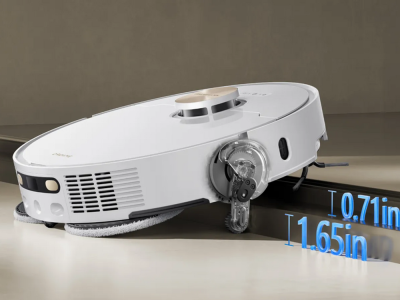
Design & Build Quality
Both robots have similar dimensions around 35 cm diameter and under 10 cm height, with 3i P10 Ultra at 34 cm x 10 cm and Dreame L50 Ultra at 34.8 x 35.2 x 9.7 cm. Weights are close, 4.5 kg for 3i versus 4.44 kg for Dreame. Dreame operates quieter at 70 dB compared to 3i’s 74 dB, while power consumption differs at 75W for 3i and 38W for Dreame.
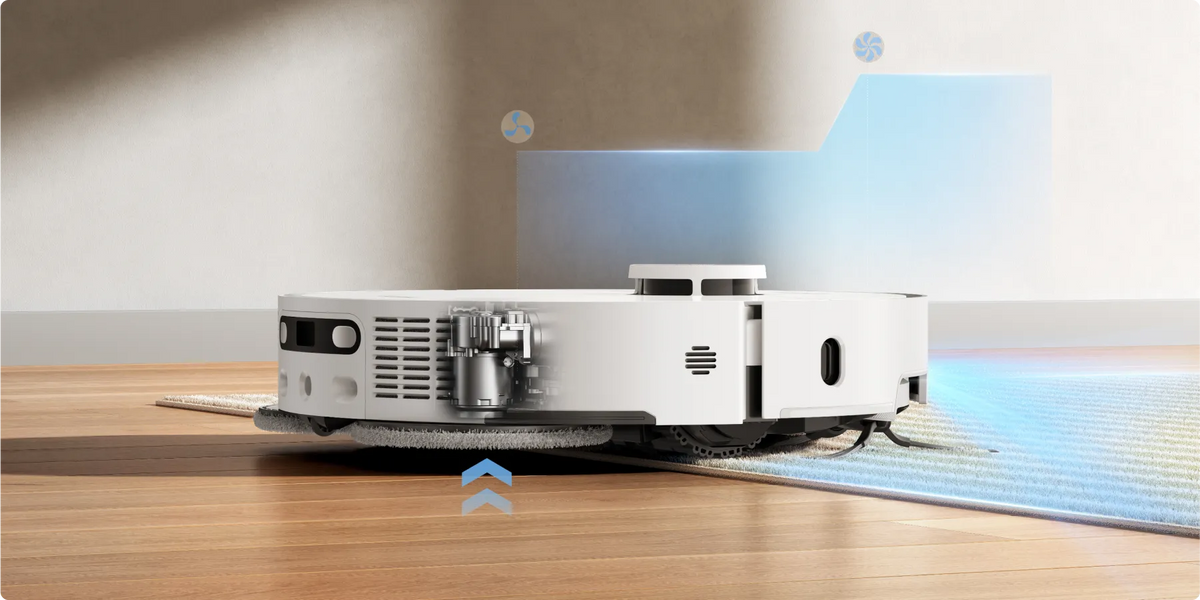
Mobility & Navigation
3i P10 Ultra employs spinning LiDAR with SLAM and 3D mapping for precise pathing. Dreame L50 Ultra uses spinning LiDAR enhanced by AI for obstacle avoidance, supported by RGB and 3D structured light. Real-world tests show both handle navigation well, though Dreame demonstrates stronger obstacle avoidance in some evaluations.
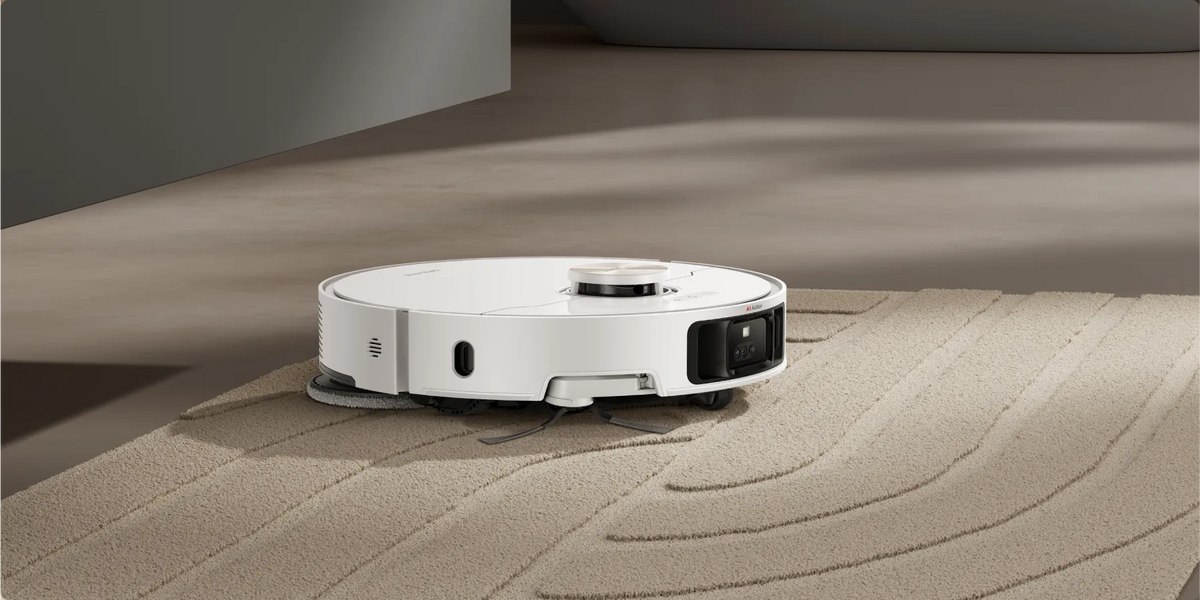
Sensors & Perception
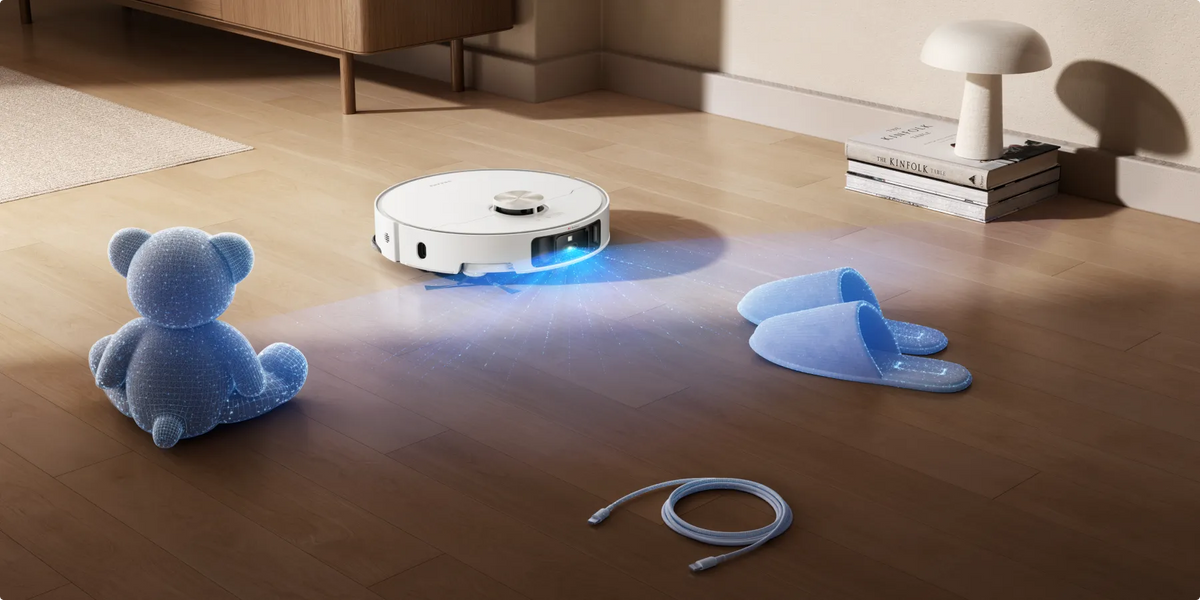
3i P10 Ultra includes LiDAR, dual 3D structured light, AI camera, ultrasonic, cliff, and bump sensors. Dreame L50 Ultra features LiDAR, RGB camera, 3D structured light, cliff, bump sensors, plus LED path illumination. These setups enable advanced perception, with Dreame adding visual aids for low-light conditions.
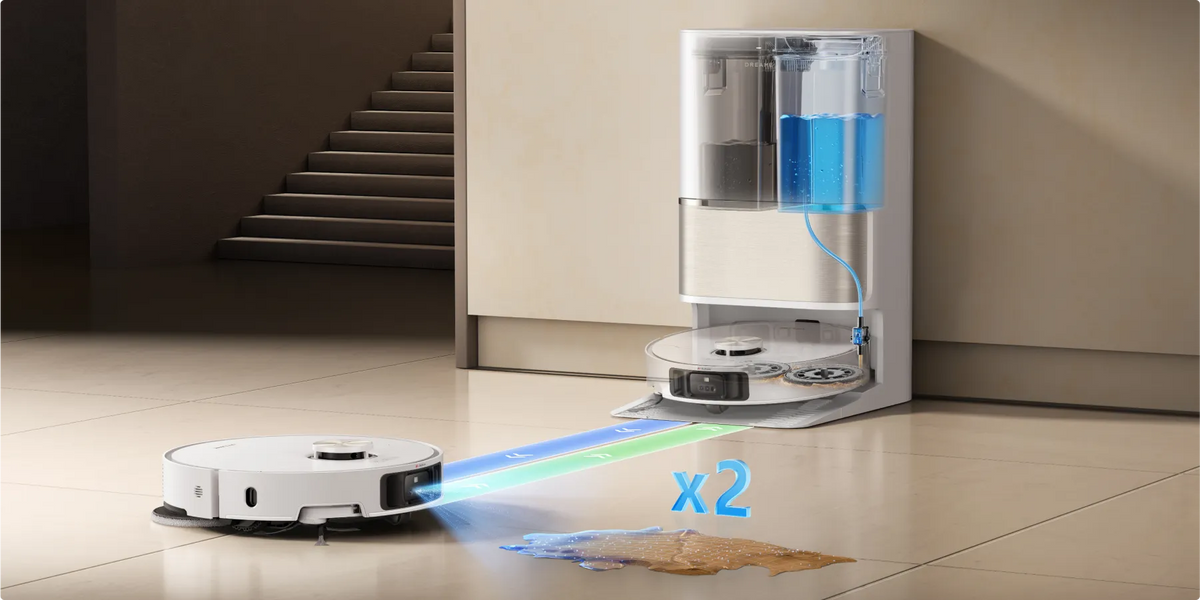
AI Capabilities
Both leverage AI for visual recognition and cleaning algorithms, with 3i using proprietary firmware and Dreame running Dreamehome OS. Navigation benefits from AI-powered obstacle avoidance in both. Dreame’s implementation pairs RGB data for enhanced detection over 3i’s dual structured light approach.
Battery & Power Efficiency
Battery life is rated 2-3 years for both, but runtime differs: 200 min for 3i P10 Ultra versus 220 min for Dreame L50 Ultra on 5200 mAh and 6400 mAh capacities respectively. Charging takes 4 hours each. Dreame shows slight edge in efficiency per tests.
Use-Case Suitability
Designed for home cleaning, both excel in vacuuming and mopping tasks on hard floors and low-pile carpets. 3i P10 Ultra performs strongly in debris pickup, close to top models in tests. Dreame L50 Ultra leads in pet hair and deep cleaning scenarios per evaluations.
Pricing & Value
3i P10 Ultra ranges $700-$1100, often available under $650 in promotions. Dreame L50 Ultra sits at $800-$1000, positioned as top performer in its bracket. Value aligns with specs, Dreame offering higher suction at 19500 Pa versus 18000 Pa.
Safety Features
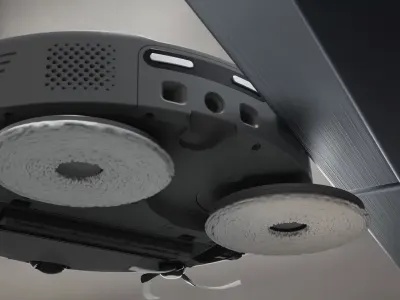
Both include child lock, cliff detection, and anti-collision sensors. Dreame enhances with AI obstacle avoidance and LED illumination. 3i adds ultrasonic and bump sensors for redundancy in detection.
Analysis Score Summary
Total Score
5
3i P10 Ultra
VS
Based on Detailed Analysis
Total Score
11
Dreame L50 Ultra
📊 Win: 2 points | Trade-off: 1 point each
Scores are summed across every insight: a clear winner earns 2 points, while balanced trade-offs give each robot 1 point. The total reflects how often each robot outperforms the other (or shares the spotlight) throughout the detailed analysis sections.
Technical Specifications
Head-to-head performance data and metrics
| Specification | Model A3i P10 Ultra | Model BDreame L50 Ultra |
|---|---|---|
Functional Utility & Use Cases4 Comparative Metrics | ||
Control Method | Smartphone app, voice control (Alexa, Google Assistant), autonomous operation | Smartphone app (Dreamehome), voice control, autonomous operation |
Use Cases | Residential homes, Mixed hard floors and carpets, Pet hair management, Edge and corner mopping, Homes requiring minimal manual maintenance | - |
Multi Robot Coord | No multi-robot coordination support | Not specified |
Pet Friendly | Yes, designed to handle pet hair with anti-tangle brushes and strong suction | Yes, designed to handle pet hair with detangling brush and pet-finding mode |
Manipulation & Load Capacity1 Comparative Metrics | ||
Payload Type | Dust and debris only | - |
Kinematic Architecture & Dexterity3 Comparative Metrics | ||
Material | High-grade ABS plastic with metal components in brush and docking station | High-quality plastic with metal components in chassis and brush assembly |
Mobility Type | Wheeled with brush roll and suction system | Wheeled robot with brush roll and suction system |
Hardware Interface | Charging contacts, USB-C port for service | Charging contacts, USB-C port for service |
Functional Utility & Use Cases
4 Comparative Metrics
Manipulation & Load Capacity
1 Comparative Metrics
Kinematic Architecture & Dexterity
3 Comparative Metrics
Related Comparisons
Discover similar robot matchups to expand your knowledge and find the perfect solution
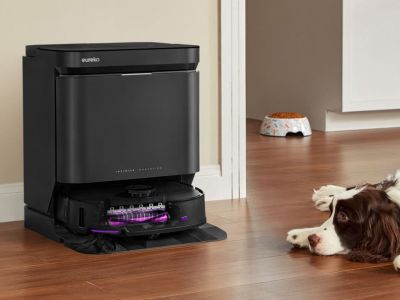
Eureka J15 Max Ultra vs 3i P10 Ultra
Compare Eureka J15 Max Ultra vs 3i P10 Ultra for cleaning performance, pet hair handling, navigation accuracy, and long-term ownership value.
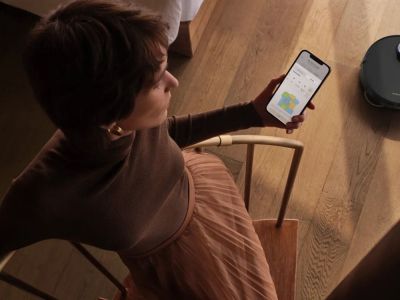
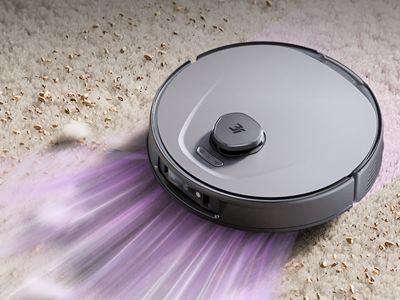
3i P10 Ultra vs Dreame X50 Ultra
Compare 3i P10 Ultra vs Dreame X50 Ultra for cleaning performance, pet hair handling, navigation accuracy, and long-term maintenance value.
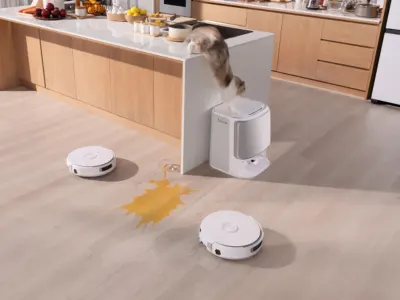
Narwal Flow vs Dreame L50 Ultra
Compare Narwal Flow vs Dreame L50 Ultra for cleaning performance, navigation accuracy, battery runtime, and pet hair handling in real homes.
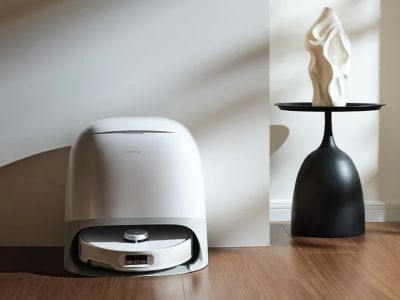
Qrevo Curv vs Dreame L50 Ultra
Qrevo Curv or Dreame L50 Ultra? Compare cleaning performance, navigation accuracy, battery runtime, and pet hair handling for smarter ownership decisions.
Disclaimer
All content, comparisons, and verdicts on this website are based on our research, testing, and opinion. While we strive for accuracy, we do not guarantee the completeness, reliability, or suitability of any information. Performance, specifications, and results may vary depending on usage and conditions. This website and its authors are not responsible for any decisions, actions, or outcomes based on the information provided. Always verify product details with the manufacturer before making purchase or operational decisions.