Which one fits your use?
Based on the uses each robot is built and marketed for. Open a use to see the specs that matter for it.
| Comparing for… | AgiBot X2-N | Green |
|---|---|---|
| Not listed | Suited | |
| Suited | Suited | |
| Suited | Not listed | |
| Suited | Suited |
- Pick AgiBot X2-N for education and training.
- Pick Green for factory and manufacturing work.
- Both suit research labs and hospitality, retail and public-facing roles, so compare the specs for that use.
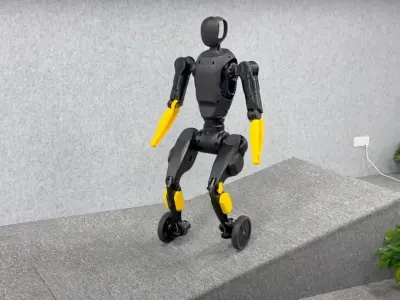
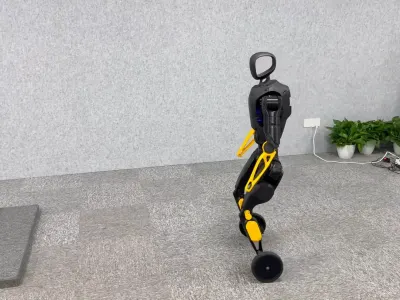
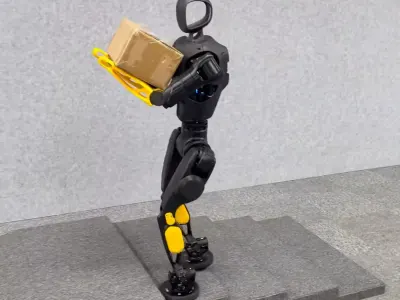
AgiBot X2-N is a compact humanoid with an unusual hybrid design: wheels built into its feet let it switch between walking and rolling, so it can climb stairs, handle slopes and cross flat floors quickly. It works without cameras, relying on joint feedback, foot pressure sensing and an IMU, and AgiBot names logistics, healthcare and public services as its application areas.
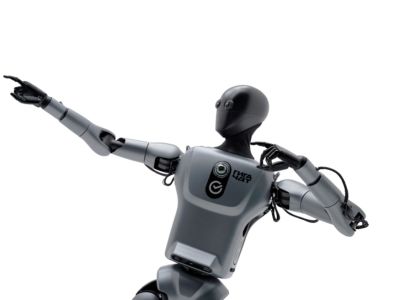
Green is Sber's first humanoid robot, unveiled at AI Journey 2025 in Moscow. It walks on two legs, stands 180 cm tall, weighs 75 kg and has 41 degrees of freedom, including multi-finger hands with force-torque sensing. Green talks through Sber's GigaChat model and manipulates objects with the Green-VLA model, and Sber is aiming it at retail, catering, manufacturing, labs and room service.
Detailed Analysis
AgiBot X2-N
Design & Build Quality
Green is a full-size humanoid at 180 cm and 75 kg, with 41 degrees of freedom, including 12 finger joints and 4 wrist joints. AgiBot X2-N is a smaller platform built around mobility, with foot wheels added to a bipedal body. Green's design centres on its hands; the X2-N's on its legs.
Green
Mobility & Navigation
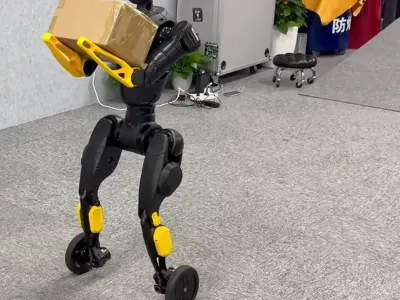
The X2-N is the more versatile mover: it walks, rolls on its foot wheels, climbs stairs and handles slopes, and in AgiBot's demo it carried about 6 kg while climbing stairs. Green walks at up to 0.9 m/s and navigates unfamiliar indoor spaces on its own, steering around obstacles.
AgiBot X2-N
Sensors & Perception
This is the sharpest contrast. The X2-N has no cameras at all and feels its way using joint feedback, foot pressure and an IMU. Green sees with eight RGB cameras and two LiDARs and senses force in its fingertips, which it needs for recognising and handling objects.

Green
AI Capabilities
The X2-N's intelligence is focused on locomotion: it chooses its gait and switches between walking and rolling from what its body feels. Green's AI is focused on tasks and people, combining Sber's GigaChat for conversation with the Green-VLA vision-language-action model for manipulation, and it can correct its own mistakes.
AgiBot X2-N
Battery & Power Efficiency
Neither maker has published full battery figures. Sber says Green uses a 48 V battery, without runtime or charging time. AgiBot has not published the X2-N's own runtime, but it shares the AgiBot X2's battery platform, which runs for about 2 hours.

Green
Use-Case Suitability
AgiBot positions the X2-N for logistics, healthcare and public services, where getting around mixed terrain matters. Green targets hands-on work: collecting items and stocking shelves, assembling and packing products, handling test tubes and bio samples, and room service and cleaning.
AgiBot X2-N
Software Ecosystem
The X2-N runs AgiBot's Linux and ROS-based software. Green runs on Sber's GigaChat and the open-weight Green-VLA model, and Sber's Green Challenge lets outside teams train controllers in a simulator of the robot. Sber has not announced a public SDK.

Green
Safety Features
The X2-N adjusts its gait in real time and has an emergency stop. Green relies on inertial and force sensors for balance, avoids obstacles and can detect its own errors; Sber has not published safety certifications. Ask both makers for certification details before deploying near people.
Capabilities & Operational Tasks
Head-to-head comparison of what AgiBot X2-N and Green can do, their applications, and capabilities.
What Can AgiBot X2-N & Green Do?
155 tasks listed for both, 6 only for AgiBot X2-N, 4 only for Green.
Technical Specifications
AgiBot X2-N and Green differ on 31 of the 52 specifications listed for both.
Functional Utility & Use Cases
4 Comparative Metrics
Manipulation & Load Capacity
4 Comparative Metrics
Kinematic Architecture & Dexterity
4 Comparative Metrics
Related Comparisons
K2 Bumblebee vs Green
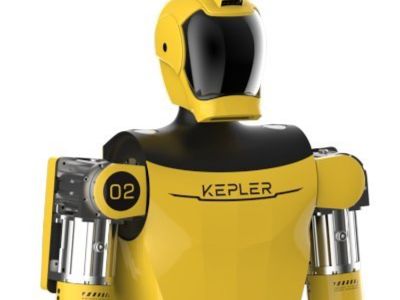
K2 Bumblebee vs Green: Kepler's 52-DOF industrial humanoid against Sber's GigaChat-powered Green, compared on hands, sensors, battery and price.

Optimus vs Green
Optimus vs Green: Tesla's humanoid against Sber's GigaChat-powered Green, compared on size, hands, AI, target jobs and availability.
AgiBot G2 vs Green
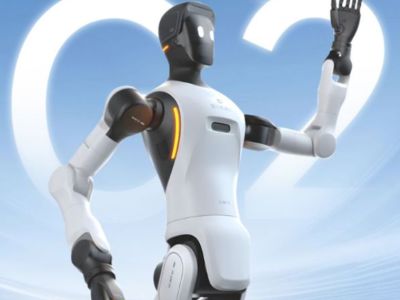
AgiBot G2 vs Green: AgiBot's wheeled precision-assembly humanoid against Sber's walking GigaChat robot, compared on build, sensors, battery and price.
AgiBot X2-N vs Zerith Z1
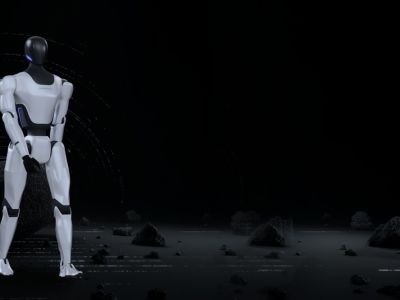
Which robot wins? AgiBot X2-N vs Zerith Z1 compared across navigation, sensors, and battery.
Verdicts reflect our research and opinion. Confirm specifications with the manufacturer before buying.