Which one fits your use?
Based on the uses each robot is built and marketed for. Open a use to see the specs that matter for it.
| Comparing for… | Figure 03 | AgiBot X2-N |
|---|---|---|
| Suited | Suited | |
| Suited | Suited | |
| Suited | Not listed | |
| Suited | Suited | |
| Suited | Not listed |
- Pick Figure 03 for home help and elder care and healthcare settings.
- Both suit research labs, education and training and hospitality, retail and public-facing roles, so compare the specs for that use.
Figure 03 by Figure AI is positioned as a general-purpose humanoid robot optimized for home environments, enabling tasks like laundry, cleaning, and dishwashing. It differentiates through its vision-language-action AI via the Helix system, advanced cameras including palm-mounted ones, and tactile fingertip sensors for delicate object manipulation. With dimensions of 167 cm x 60 cm x 50 cm and a weight of 45 kg, it prioritizes safety features like multi-density foam and soft textiles for household deployment.
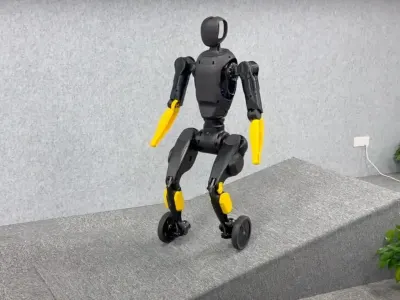
AgiBot X2-N by AgiBot targets logistics, healthcare and public services, with a height of 131 cm and a weight from about 35 kg. It stands out with walk-and-roll mobility and reliance on proprioceptive sensors for navigation without cameras or external aids. This design supports real-time gait adjustment in varied environments, contrasting home-focused robots.
Detailed Analysis
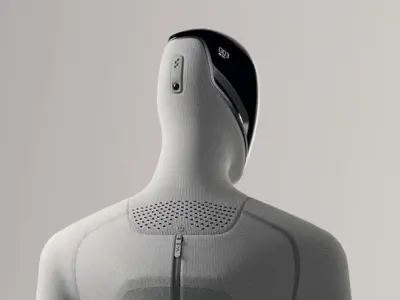
Figure 03
Design & Build Quality
Figure 03 measures 173 cm x 50 cm x 45 cm and weighs 61 kg, featuring multi-density foam padding and soft textile covering for safe home interaction. AgiBot X2-N stands 131 cm tall, 46 cm wide and 21 cm deep, and a weight from about 35 kg. Both share similar lightweight humanoid forms but Figure 03 emphasizes compact, home-safe materials while AgiBot prioritizes proportions for dynamic tasks.
AgiBot X2-N
Mobility & Navigation
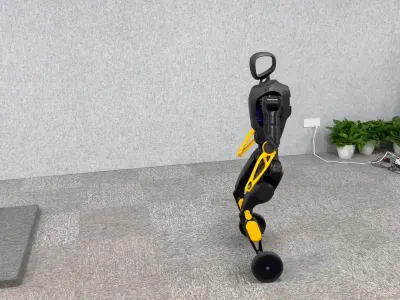
Figure 03 achieves 4.3 km/h speed using vision-language-action AI, SLAM, and mmWave data offload for adapting to changing home layouts. AgiBot X2-N walks at up to about 6.5 km/h via proprioceptive feedback and real-time gait adjustment, lacking GPS or LiDAR for self-reliant movement in dynamic settings. AgiBot offers superior speed, while Figure 03 excels in vision-based navigation for cluttered spaces.
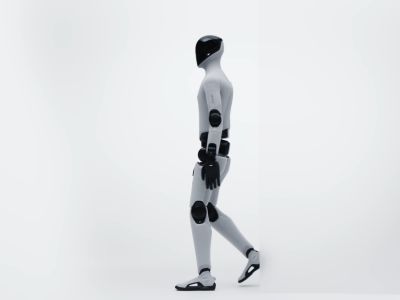
Figure 03
Sensors & Perception
Figure 03 integrates cameras including palm-mounted ones, tactile fingertip sensors detecting forces as low as three grams, and mmWave for fleet learning. AgiBot X2-N employs only proprioceptive sensors like joint torque, pressure, and gyros, with no cameras or external sensors. This results in Figure 03 having richer external perception versus AgiBot's internal feedback focus.
AgiBot X2-N
AI Capabilities
Figure 03 uses the Helix AI system, built on ROS and Linux, for pixel-to-action learning and voice commands. AgiBot X2-N features AI autonomous control with real-time systems on Linux/ROS, emphasizing proprioceptive-driven decisions. Both leverage ROS ecosystems, but Figure 03 incorporates vision-language models for versatile home autonomy.
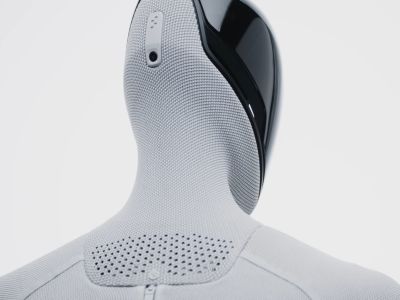
Figure 03
Battery & Power Efficiency
Both robots specify a 3-5 year battery lifespan, aligning on long-term power design. Figure 03 includes 2.3 kWh capacity with 5-hour runtime and 2-hour charging, plus wireless options. AgiBot X2-N matches the lifespan without detailed runtime specs, suggesting comparable endurance for extended operations.
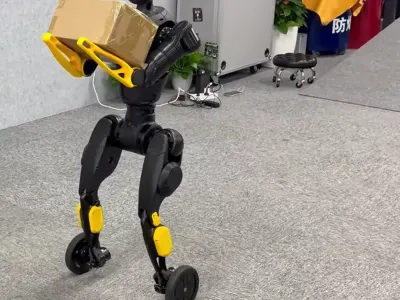
AgiBot X2-N
Use-Case Suitability
Figure 03 targets home assistance, chores, elderly care, and light manipulation like cleaning tasks in unpredictable layouts. AgiBot X2-N suits logistics, search-and-rescue, industrial automation, and dynamic navigation without visual reliance. Figure 03 fits domestic settings, while AgiBot excels in rugged, high-mobility industrial scenarios.
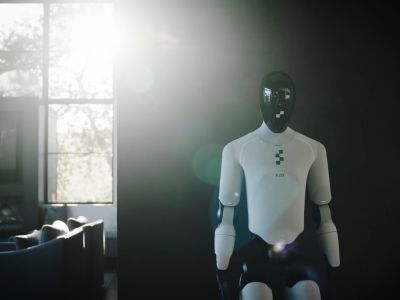
Figure 03
Safety Features
Figure 03 incorporates multi-density foam, soft textiles, emergency stop, obstacle avoidance, and pinch protection for home safety. AgiBot X2-N provides emergency stop, proprioception-based obstacle avoidance, and real-time gait adjustments. Both address core safety, with Figure 03 adding contact-soft materials.
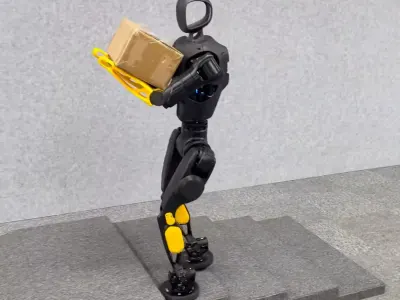
AgiBot X2-N
Software Ecosystem
Figure 03 runs Helix on ROS and Linux with Python/C++ APIs, voice/app control, and mmWave fleet learning. AgiBot X2-N uses Linux/ROS-based software for real-time AI control. Shared ROS foundation enables similar development, enhanced by Figure 03's vision integration.
Capabilities & Operational Tasks
Head-to-head comparison of what Figure 03 and AgiBot X2-N can do, their applications, and capabilities.
What Can Figure 03 & AgiBot X2-N Do?
199 tasks listed for both, 8 only for Figure 03, 2 only for AgiBot X2-N.
Technical Specifications
Figure 03 and AgiBot X2-N differ on 34 of the 53 specifications listed for both.
Functional Utility & Use Cases
4 Comparative Metrics
Manipulation & Load Capacity
4 Comparative Metrics
Kinematic Architecture & Dexterity
4 Comparative Metrics
Related Comparisons
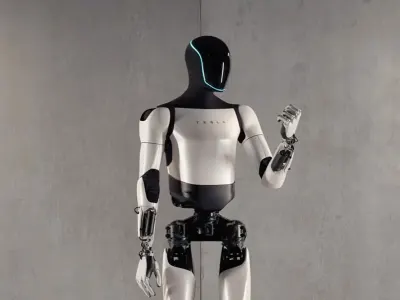
Figure 03 vs Optimus Gen 3
In-depth comparison of Figure 03 and Optimus Gen 3, covering hardware capabilities, teleoperation, and enterprise readiness.
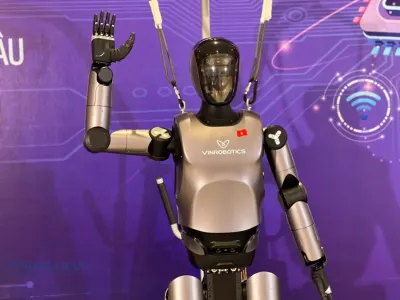
Figure 03 vs VR-H3
Which humanoid robot is better? Figure 03 vs VR-H3 compared for dexterity, AI capabilities, and price.
AgiBot X2-N vs Zerith Z1
Which robot wins? AgiBot X2-N vs Zerith Z1 compared across navigation, sensors, and battery.
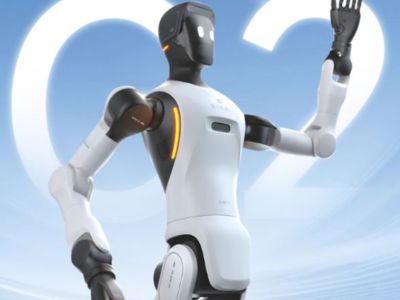
AgiBot G2 vs AgiBot X2-N
AgiBot G2 or AgiBot X2-N? Compare specs, navigation, battery, and sensors.
Verdicts reflect our research and opinion. Confirm specifications with the manufacturer before buying.