Optimus vs NEO Home Robot at a glance
NEO Home Robot is quicker, with a top speed of 6.2 m/s versus 2.2 m/s for Optimus. NEO Home Robot is lighter at 30 kg, compared with 57 kg for Optimus. NEO Home Robot has more degrees of freedom (75 against 40 for Optimus), which allows finer movement. Optimus is priced at $20,000–$50,000 and NEO Home Robot at $20,000, so their price ranges overlap.
Which one fits your use?
Based on the uses each robot is built and marketed for. Open a use to see the specs that matter for it.
| Comparing for… | Optimus | NEO Home Robot |
|---|---|---|
| Suited | Not listed | |
| Suited | Not listed | |
| Not listed | Suited | |
| Not listed | Suited | |
| Not listed | Suited | |
| Not listed | Suited | |
| Not listed | Suited |
- Pick Optimus for warehouse and logistics work and factory and manufacturing work.
- Pick NEO Home Robot for research labs, education and training, home help and elder care, hospitality, retail and public-facing roles and healthcare settings.
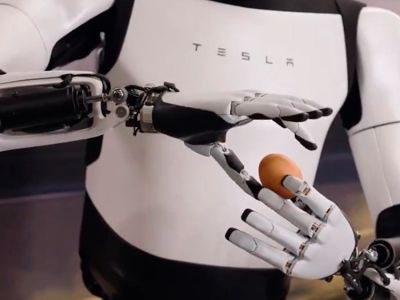
Tesla's Optimus is a 173 cm, 57 kg bipedal humanoid built around the same vision-first AI that powers Tesla's driver assistance. Tesla aims it at manufacturing, logistics and research work first, with a 20 kg carrying capacity, 40+ degrees of freedom and three to five hours of operation per charge. Pricing is expected in the $20,000 to $50,000 range once volume production starts.
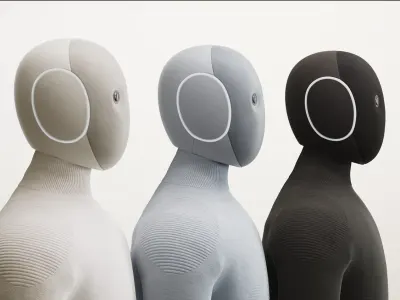
1X's NEO Home Robot takes the opposite approach: it is a 167.6 cm, 29.94 kg humanoid designed to live in a home. Soft exterior covers and compliant, tendon-driven joints make it safe around people, and an 842 Wh battery gives about four hours of work. NEO sells for $20,000 or a $499 monthly subscription and is aimed at chores, fetching items and remote-assisted help around the house.
Detailed Analysis

Optimus
Design & Build Quality
Optimus is the bigger machine at 173 cm and 57 kg, with an aluminum frame and polymer covers suited to factory floors. NEO is slightly shorter at 167.6 cm and much lighter at 29.94 kg, wrapped in soft-touch covers over compliant joints. NEO is better suited to close contact with people at home, while Optimus is built for heavier industrial duty.

NEO Home Robot
Mobility & Speed
Optimus walks at up to 8 km/h, a brisk pace for warehouse aisles. NEO walks at 1.4 m/s and can run at up to 6.2 m/s, so NEO has the higher top speed even though both are tuned for steady walking most of the time. Both use bipedal legs, so stairs, thresholds and tight hallways are within reach for either robot.

Optimus
Payload & Strength
Optimus carries about 20 kg and is rated for a 68 kg deadlift. NEO carries up to 25 kg, lifts up to 70 kg and handles 8 kg in each arm, which is strong for a robot that weighs under 30 kg. On published figures NEO edges ahead on lifting, while Optimus offers more body mass for sustained industrial handling.
NEO Home Robot
Sensors & Perception
Optimus relies on Tesla's FSD-derived, camera-based vision stack, with tactile sensing in its fingers and force and torque sensing in its feet and joints. NEO uses dual 8.85 MP stereo fisheye cameras, four beamforming microphones and force sensing in its joints and hands, fused through visual SLAM with depth. Both are vision-first; NEO adds a stronger audio array for conversation at home.

Optimus
AI & Autonomy
Optimus runs Tesla's custom AI and FSD-integrated software and is described as semi-autonomous to fully autonomous for factory tasks. NEO is semi-autonomous, pairing its own AI models with teleoperation-backed help, where a remote operator can guide new chores while the robot learns. Optimus is better positioned for repetitive autonomous work; NEO is better for varied household tasks.

NEO Home Robot
Battery & Charging
NEO's 842 Wh lithium-ion pack runs for about four hours and recharges fully in two hours. Tesla sized Optimus's 2.3 kWh battery for about a full working day, and it recharges in one to two hours. Runtime is similar, but Optimus can return to work faster after charging.

Optimus
Use-Case Suitability
Optimus fits manufacturing, logistics, inspection and research, where its size and Tesla's production focus matter most. NEO fits household chores, object retrieval, elder assistance and telepresence. Choose Optimus for industrial pilots and NEO for a robot that works safely in a family home.

NEO Home Robot
Safety Features
NEO is built for safety around people, with soft exterior covers, passive joint compliance, obstacle detection and an emergency stop. Optimus offers an emergency stop, obstacle detection and compliant actuators, which suits supervised industrial settings. For homes with children or older adults, NEO has the safer design.
Optimus
Pricing & Value
NEO is available at $20,000 or $499 a month, which makes it one of the more accessible humanoids for consumers. Optimus is expected at $20,000 to $50,000, with commercial availability tied to Tesla's production ramp. NEO is the better value for home buyers today, while Optimus targets businesses planning larger fleets.
Capabilities & Operational Tasks
Head-to-head comparison of what Optimus and NEO Home Robot can do, their applications, and capabilities.
What Can Optimus & NEO Home Robot Do?
164 tasks listed for both, 4 only for Optimus, 8 only for NEO Home Robot.
Technical Specifications
Optimus and NEO Home Robot differ on 32 of the 47 specifications listed for both.
Functional Utility & Use Cases
4 Comparative Metrics
Manipulation & Load Capacity
4 Comparative Metrics
Kinematic Architecture & Dexterity
4 Comparative Metrics
Frequently Asked Questions
Which is better for home use, Optimus or NEO Home Robot?
NEO Home Robot. It was designed for homes, with soft covers, compliant joints, a 29.94 kg body and household chores as its main job. Optimus is aimed first at factory and logistics work.
How much do Optimus and NEO Home Robot cost?
NEO costs $20,000, or $499 per month on subscription. Optimus is expected to cost between $20,000 and $50,000.
Which robot can lift more?
NEO is rated to carry 25 kg and lift up to 70 kg. Optimus carries about 20 kg and is rated for a 68 kg deadlift.
How long do the batteries last?
NEO runs for about four hours on its 842 Wh battery and charges in two hours. Optimus is designed to run for about a full working day on its 2.3 kWh battery and charges in one to two hours.
How tall and heavy are they?
Optimus is 173 cm tall and weighs 57 kg. NEO is 167.6 cm tall and weighs 29.94 kg.
Do they work fully on their own?
Optimus is designed for semi-autonomous to fully autonomous operation. NEO is semi-autonomous and can be guided by a remote operator while it learns new chores.
Related Comparisons

Optimus vs Unitree G1
Compare Optimus vs Unitree G1 for humanoid mobility, dexterity, autonomy, and payload capacity.
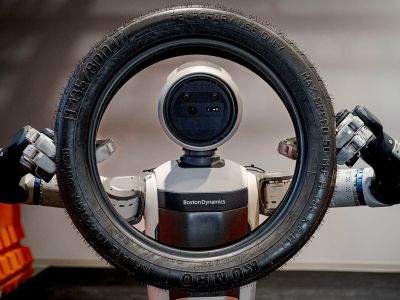
Optimus vs Atlas (Electric 2025)
In-depth comparison of Optimus and Atlas (Electric Atlas, 2025), covering hardware capabilities, teleoperation, and enterprise readiness.

NEO Home Robot vs ELIXIS
NEO Home Robot or ELIXIS? See which humanoid robot performs better for manufacturing, logistics, and research.
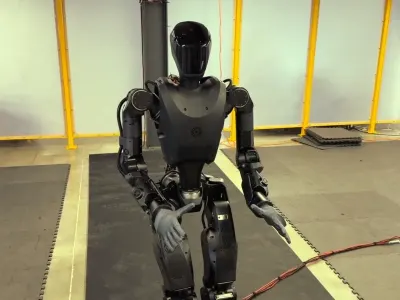
Optimus vs Phantom MK1
Optimus or Phantom MK1? See which humanoid robot performs better for manufacturing, logistics, defense, dexterity, autonomy, and payload in enterprise deployments.
Verdicts reflect our research and opinion. Confirm specifications with the manufacturer before buying.