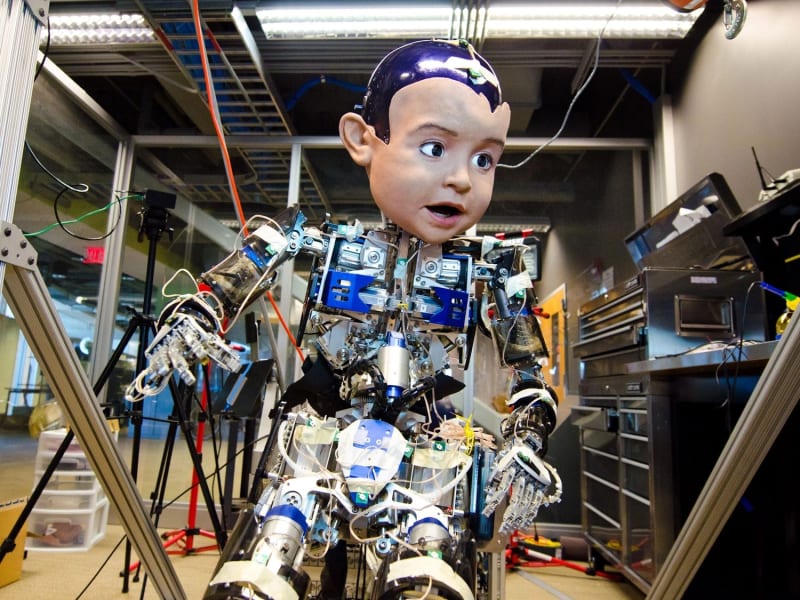
Diego-San
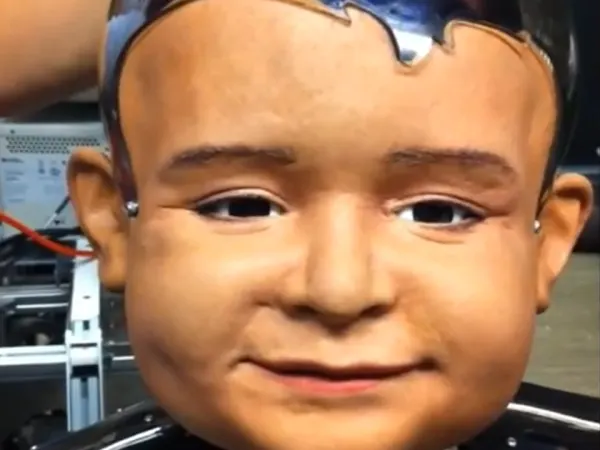
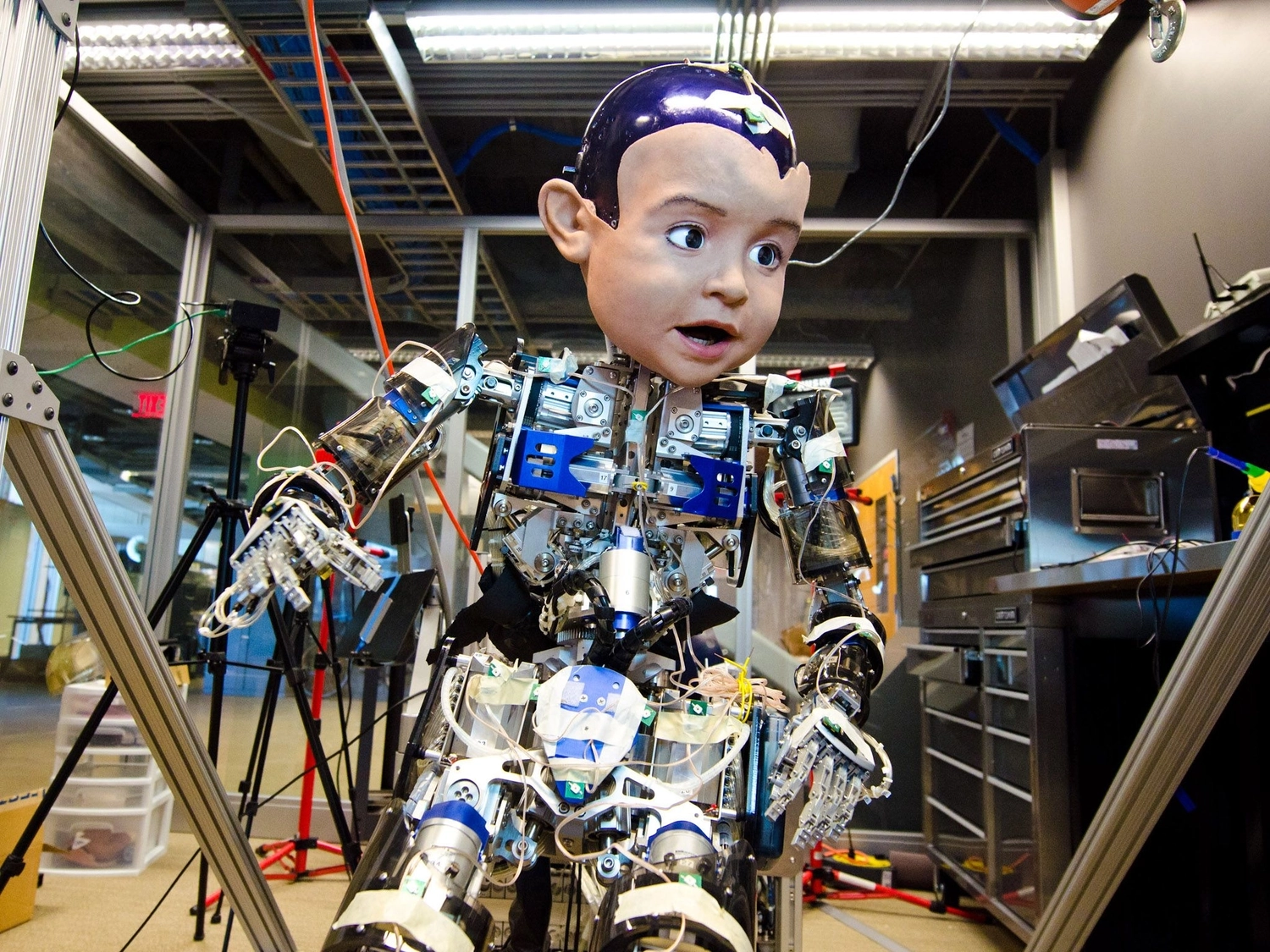
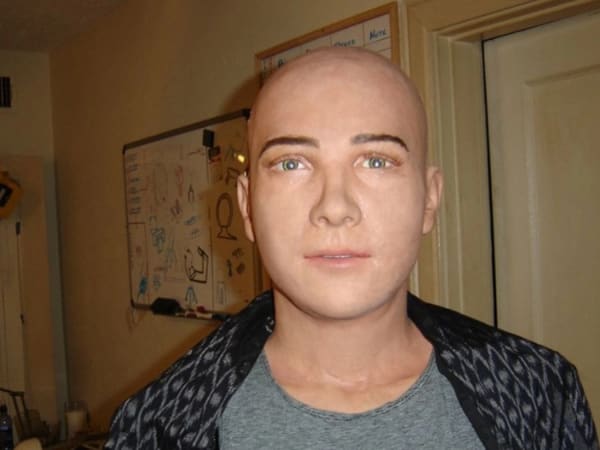
Diego-San is a research humanoid robot modeled after a 1-year-old infant, designed to study cognitive and social development through human-robot interaction. Featuring a hyper-realistic head by Hanson Robotics with 27 servo motors for lifelike facial expressions and high-definition eye cameras for perceiving gestures and people, it mounts on a Kokoro body with 44 pneumatic actuators mimicking muscle dynamics. Equipped with 71 degrees of freedom, including bipedal legs, dexterous arms, and compliant joints, Diego-San learns via AI modeled on baby cognition, using sensors like IMUs, microphones, pressure sensors, and potentiometers. Standing oversized at 130 cm and 35 kg for hardware accommodation, it advances emotionally relevant robotics, enabling studies in sensory-motor skills, facial communication, and early childhood behaviors in collaborative research settings.
Quick Overview & Key Facts
Diego-San is a humanoid system developed by Hanson Robotics in China and launched in 2010. Starting price is estimated at Not commercially available. It is currently ranked #285 in most-viewed humanoid robots on Origin of Bots. It supports People interaction, precision instruments. Operating battery runtime is rated at 2 hours on full charge. Primary applications include Infant cognitive development studies, social robotics research, sensory-motor skill analysis. Featured in editorial articles including “Hanson Robotics’ Diego-San remains a benchmark for toddler-like humanoid research”.
What Can Diego-San Do?
Core operational tasks and activities demonstrated or performed by Diego-San.
Real-World Applications of Diego-San
Industries, working environments, and deployment suitability for Diego-San.
Diego-San Capabilities
Inherent physical, perceptual, and cognitive abilities built into Diego-San.
Download Media Cards
Story CardExport high-resolution story cards summarizing Diego-San's operational tasks, real-world applications, and capabilities.
Image Gallery
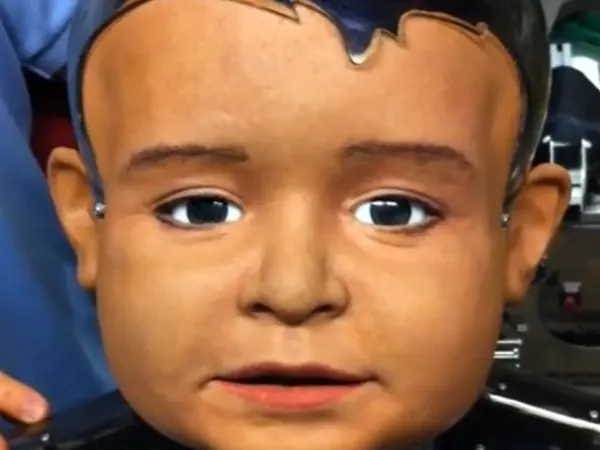
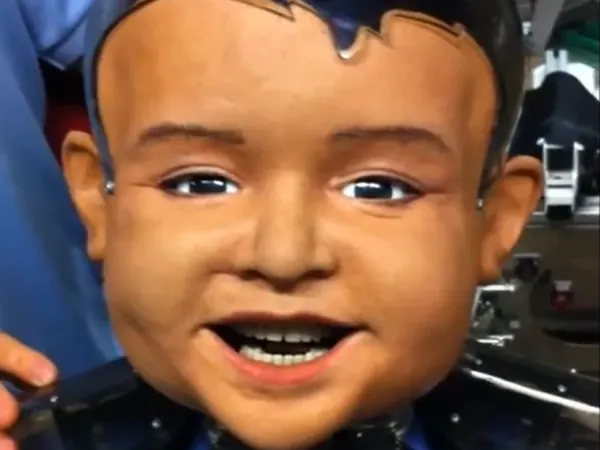
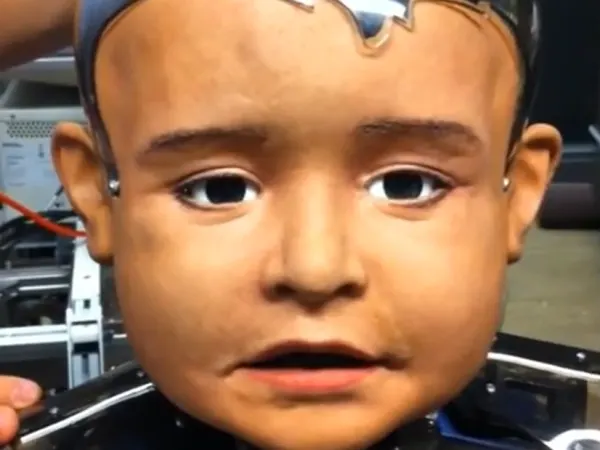
Below images are from Hanson Robotics's official sources
Review Videos
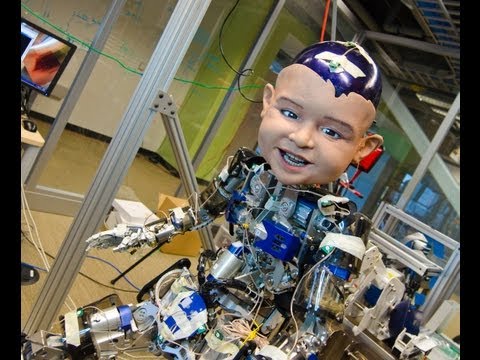
Watch expert reviews and demonstrations of this robot


Robot Specifications
Latest News About Diego-San
Stay updated with the latest articles and developments
More Robots from Hanson Robotics
Explore other robots from this manufacturer



More Humanoid Robots
Discover more robots in the same category
Robots From Other Categories
Discover complementary robots from different categories that work well together


Frequently Asked Questions
Get answers to common questions about this robot
Q1. What is Diego-San, and what problem is it designed to solve?
Diego-San is a humanoid robot modeled after a one-year-old infant, developed by researchers at UC San Diego's Machine Perception Laboratory to study cognitive and social development in infants from a computational perspective.
Q2. What are the main capabilities and key features of Diego-San?
Diego-San features high-definition cameras for visual recognition, 27 servo motors controlling facial expressions, and pneumatic joints enabling body movement, allowing it to mimic infant learning behaviors and recognize familiar objects and expressions.
Q3. Who is Diego-San built for, and which industries can benefit from it?
Diego-San is designed for academic and research institutions studying developmental psychology, machine learning, neuroscience, computer vision, and robotics, particularly those investigating sensorimotor intelligence development.
Q4. Is Diego-San a commercial product or still a research prototype?
Diego-San remains a research platform operated by UC San Diego's Machine Perception Laboratory and is not available as a commercial product for general purchase or deployment.
Q5. Is Diego-San currently available for purchase, and when is it expected to ship?
Diego-San is not available for commercial purchase; it operates exclusively within the research laboratory environment at UC San Diego and is not marketed for external distribution.
Q6. How does Diego-San actually work in real-world environments?
Diego-San uses computer vision to recognize people and objects, processes sensory input through machine learning algorithms, and responds with coordinated facial and body movements to simulate infant interaction patterns.
Q7. When was Diego-San announced or officially launched?
Development began in 2010 under Professor Javier Movellan's direction, with the robot activated in 2013 following collaboration between UC San Diego, Kokoro Co. Ltd., and Hanson Robotics.
Q8. How is Diego-San different from other robots in the same category?
Diego-San uniquely combines a realistic infant appearance with pneumatic and servo-actuated joints designed to approximate human muscle dynamics, enabling study of embodied cognitive development rather than abstract learning systems.
Q9. Does Diego-San require additional development or customization after purchase?
This question is not applicable; Diego-San is not sold commercially and remains under continuous development by UC San Diego researchers for ongoing cognitive and interaction studies.
Q10. What is the future roadmap or planned upgrades for Diego-San?
The research team has not publicly announced specific upgrade timelines; ongoing development focuses on expanding understanding of sensorimotor learning and human-robot interaction within the laboratory setting.
User Comments (No Login needed)
Share your thoughts, experiences, or questions about this robot.
Comments are reviewed before posting.