Eelume
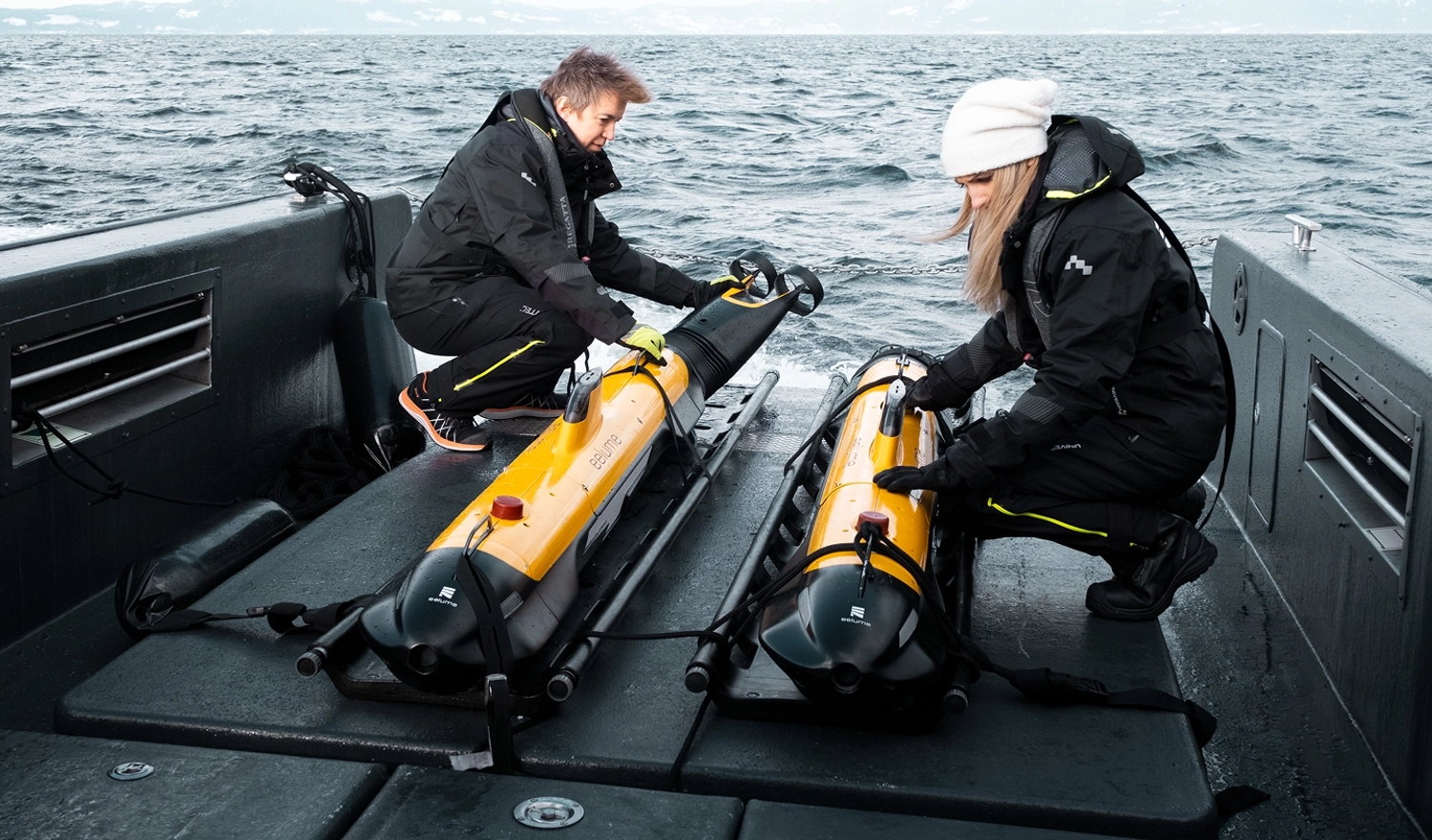
Eelume is a modular, snake-like articulated underwater robot designed for permanent subsea residency, enabling 24/7 inspection, maintenance, and repair (IMR) operations on underwater structures like oil/gas installations and offshore wind farms. Its flexible body combines serpentine maneuverability with thrusters for 6 DOF movement, accessing confined spaces inaccessible to traditional ROVs/AUVs, performing tasks such as visual inspections, cleaning, valve operations, and light interventions using dual-arm configurations, torque tools, and grippers. Resident operation eliminates surface vessel needs, reducing costs, CO2 emissions, and HSE risks while providing frequent data for predictive maintenance. Equipped with multi-sensors, HD cameras, and customizable payloads, it supports tethered teleoperation or autonomy in challenging currents and depths up to 3000m.
Quick Overview & Key Facts
Eelume is a miscellaneous system developed by Eelume AS in Norway and launched in 2015. Starting price is estimated at Not publicly disclosed. It is currently ranked #53 in most-viewed miscellaneous robots on Origin of Bots. It supports Tools (grippers, torque tools, cleaning brushes), sensors, maintenance instruments. Operating battery runtime is rated at 6+ months per deployment (with docking). Primary applications include Subsea visual inspection, cleaning, valve/choke operation, light IMR on oil/gas platforms and wind farms. Featured in editorial articles including “Eelume AS Advances Snake-Like Robots for Permanent Subsea Duties”.
Image Gallery
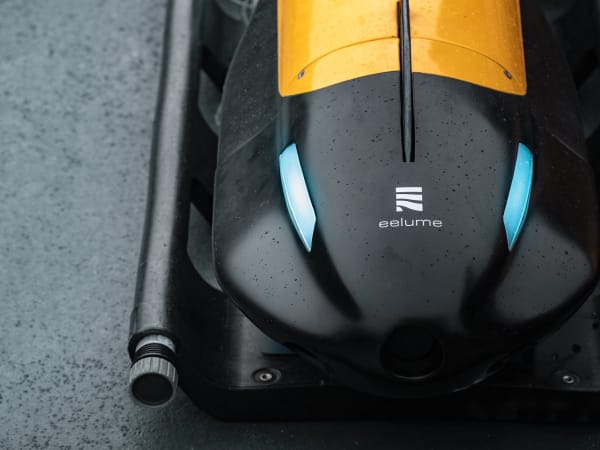
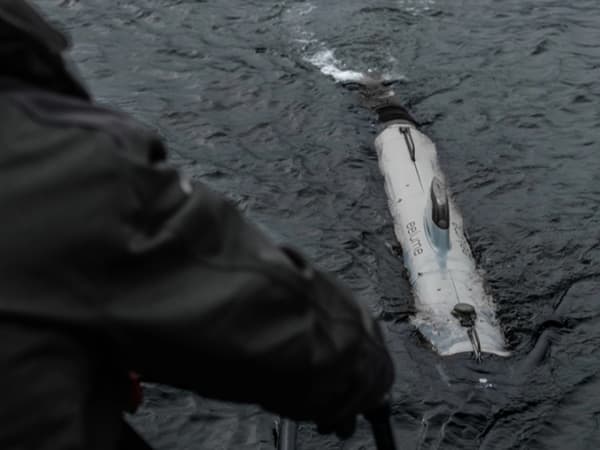
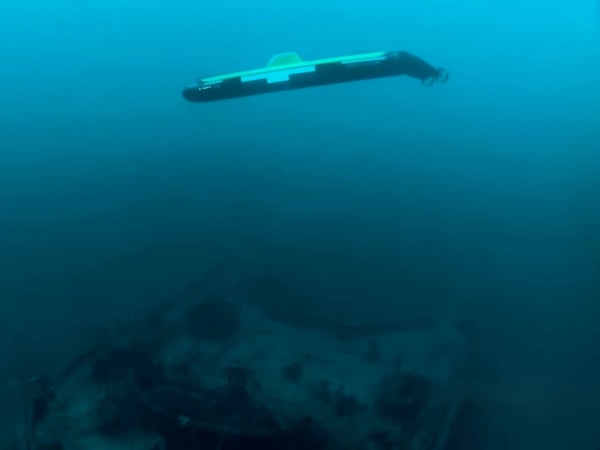
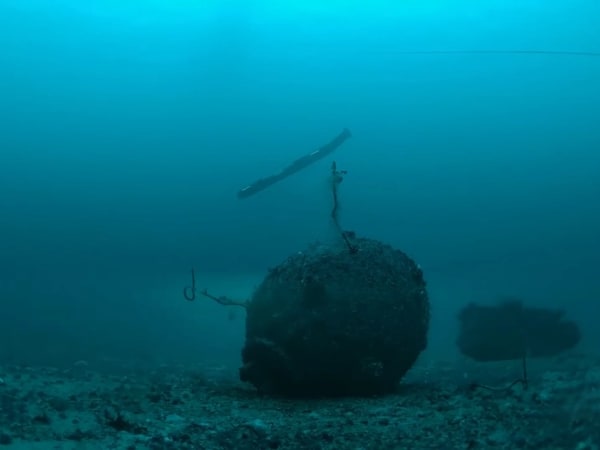
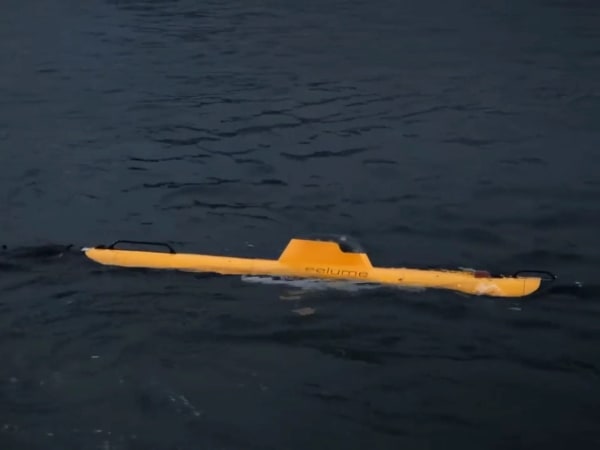
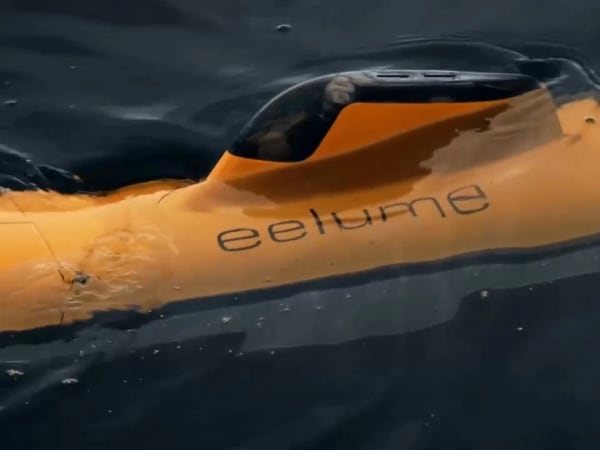
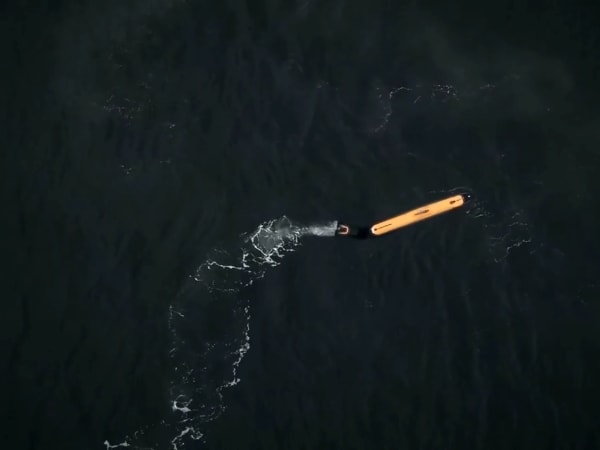
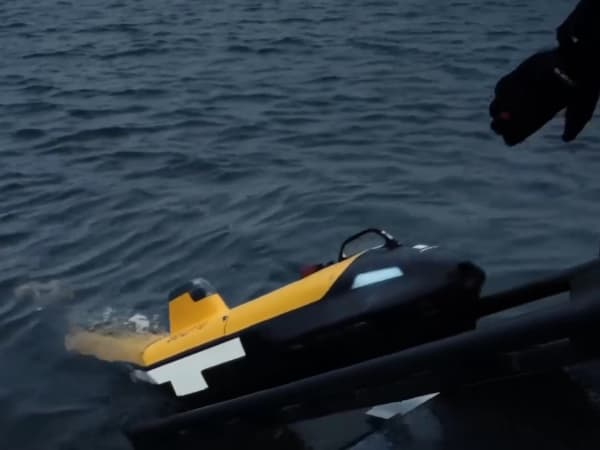
Below images are from Eelume AS's official sources
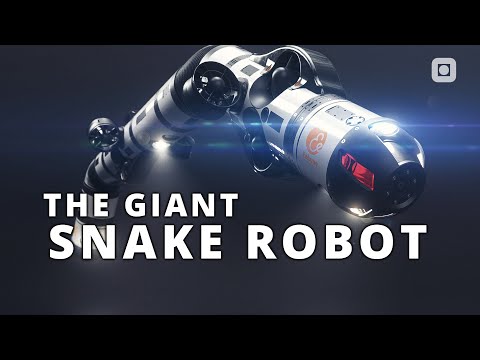
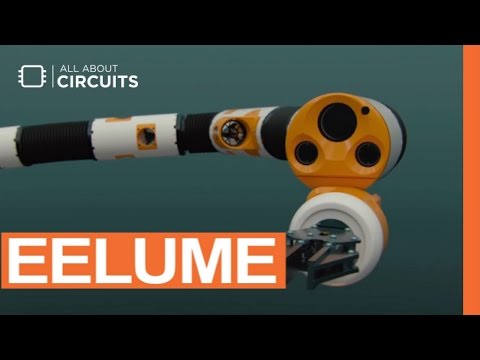
Review Videos
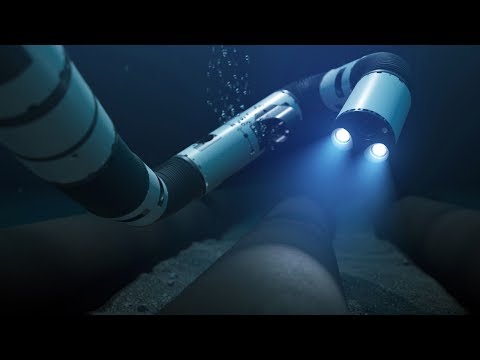
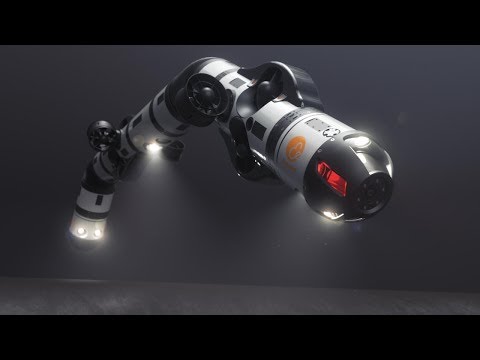
Watch expert reviews and demonstrations of this robot
Robot Specifications
Latest News About Eelume
Stay updated with the latest articles and developments
More Robots
Discover more robots in the same category


Robots From Other Categories
Discover complementary robots from different categories that work well together
Frequently Asked Questions
Get answers to common questions about this robot
Q1. What is Eelume and what specific problem or task is it designed to solve?
Eelume is an articulated underwater robot developed by Eelume AS, resembling a snake or eel in form. It addresses inspection, maintenance, and repair tasks in confined subsea spaces inaccessible to conventional ROVs or AUVs, enabling operations in strong currents and restricted areas.
Q2. What are the core capabilities and standout features of Eelume?
Eelume features a modular, slender body with articulated joints providing multiple degrees of freedom, thrusters for hovering and maneuvering, and payload options like cameras, grippers, and torque tools. It supports dual-arm configurations in a U-shape, all-attitude operation, and both tethered and autonomous control for inspection and intervention.
Q3. Who uses Eelume, and which industries or sectors benefit from it?
Eelume is used by research institutions like NTNU for snake robotics studies and scientific missions, and by offshore industries for subsea IMR. Sectors include oil and gas, marine environmental surveys, and underwater infrastructure maintenance, with operations monitored from onshore centers.
Q4. Is Eelume a commercially available product, or is it still a research prototype?
Eelume has transitioned from research prototypes, with deliveries like the 2020 NTNU unit, to commercially oriented systems offered by Eelume AS. According to Eelume AS, it is available for operational deployment in demanding underwater environments.
Q5. How does Eelume operate autonomously, and what level of human oversight is required?
Eelume supports autonomous navigation and task execution via onboard control systems, with capabilities for long-distance transit and docking for recharging. Human oversight occurs through tethered remote control or supervised operations from onshore centers, depending on mission complexity.
Q6. What sensors, AI, and navigation technology does Eelume use?
Eelume integrates high-definition video cameras, multi-sensor modules for inspection, and sonar for imaging and detection. Navigation relies on thruster-based 6-DOF control, articulated joints for shape adaptation, and AI for in-mission processing, mapping, and object classification.
Q7. How does Eelume compare to similar robots or competing solutions in its category?
Unlike rigid ROVs or traditional AUVs, Eelume's flexible, snake-like body accesses confined spaces and hovers in currents where others cannot. It reduces reliance on surface vessels by residing subsea, offering modularity over fixed-configurations, though it may have lower speed for open-water transit.
Q8. What are the known limitations, trade-offs, or challenges of using Eelume?
Eelume's slender design limits payload capacity and maximum speed compared to larger vehicles, with operations constrained by battery life requiring docking stations. Challenges include complexity in modular reconfiguration and ensuring stability in extreme currents despite its agility.
Q9. What does it cost to acquire or deploy Eelume, and what is the expected ROI?
Specific costs for acquiring or deploying Eelume are not publicly detailed by Eelume AS. According to Eelume AS, it lowers expenses by eliminating surface vessel needs and enabling 24/7 operations, potentially improving ROI through reduced mobilization and environmental impact.
Q10. What is the future roadmap or planned improvements for Eelume?
Eelume AS continues iterative development with partners, focusing on enhanced autonomy, sensor integration, and compatibility with subsea docking for extended range. Planned advancements include broader all-terrain AUV capabilities for diverse environments like under ice and harbors.
User Comments (No Login needed)
Share your thoughts, experiences, or questions about this robot.
Comments are reviewed before posting.