JAKA Pi
Last updated:
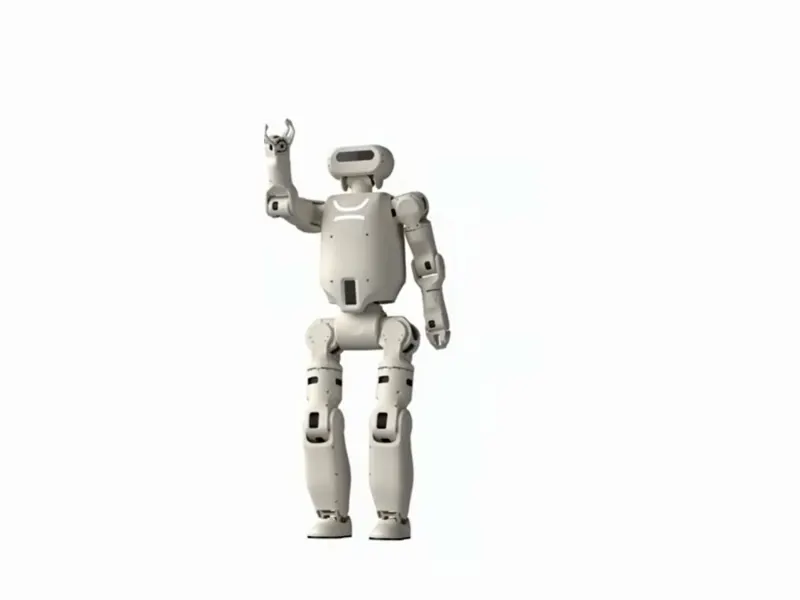
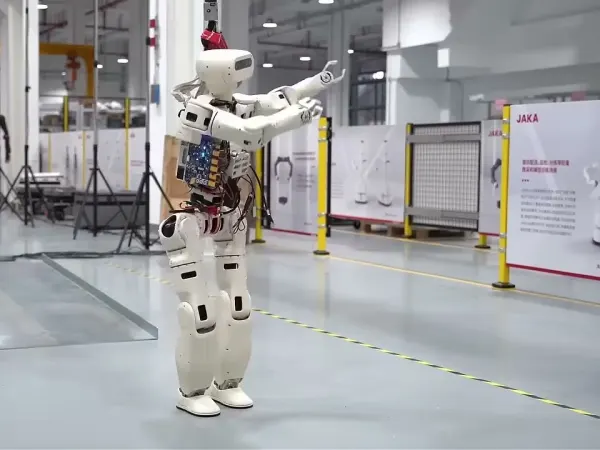
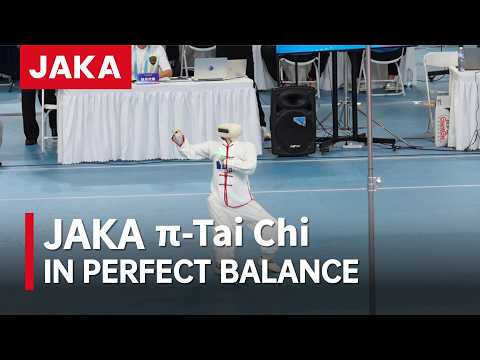
JAKA Pi (styled JAKA π) is a compact, child-sized humanoid robot from JAKA Robotics, the Shanghai cobot maker, officially unveiled in China during the 2026 Children's Day season. It stands 1.22 m tall, weighs 42 kg and has 27 degrees of freedom (12 in the legs, 12 in the arms, 1 in the waist and 2 in the head), with knee joints that deliver up to 120 N·m of torque and arms that each carry up to 3 kg. Its integrated joint modules are 15–27% smaller in outer diameter than JAKA's previous designs. A "Fusion Brain" built on a single Intel computing platform combines a "cerebrum" for AI reasoning, vision and large language models with a "cerebellum" for real-time motion control over an EtherCAT bus at millisecond-level timing. JAKA says Pi can walk, run and jump, and it finished in the top 10 in Tai Chi at the 2026 World Humanoid Robot Games. Fully self-developed with an open SDK, it is aimed at education and research, data collection, exhibitions and entertainment, and companionship and care at home.
Quick Overview & Key Facts
JAKA Pi is a humanoid robot made by JAKA Robotics in China, launched in 2026 and built for Embodied-AI teaching platform for university AI labs and vocational schools; research and data collection; cultural entertainment and commercial performances; exhibition guiding and explanation; companionship and daily reminders at home. Its estimated price is Approx. $15,000 – $35,000.
- Dimensions
- 1,220 mm (H) × 420 mm (W) × 220 mm (D)
- Weight
- 42 kg (net)
- Mobility
- Bipedal (legged) humanoid
- Top speed
- Walking approx. 4 km/h (1.1 m/s)
- Payload capacity
- Light objects up to 3 kg per arm
- Battery runtime
- Approx. 1.5–2 hours per charge
- Charging time
- 2–3 hours
What Can JAKA Pi Do?
Core operational tasks and activities demonstrated or performed by JAKA Pi.
Real-World Applications of JAKA Pi
Industries, working environments, and deployment suitability for JAKA Pi.
JAKA Pi Capabilities
Inherent physical, perceptual, and cognitive abilities built into JAKA Pi.
Download Media Cards
Story CardExport high-resolution story cards summarizing JAKA Pi's operational tasks, real-world applications, and capabilities.
Image Gallery
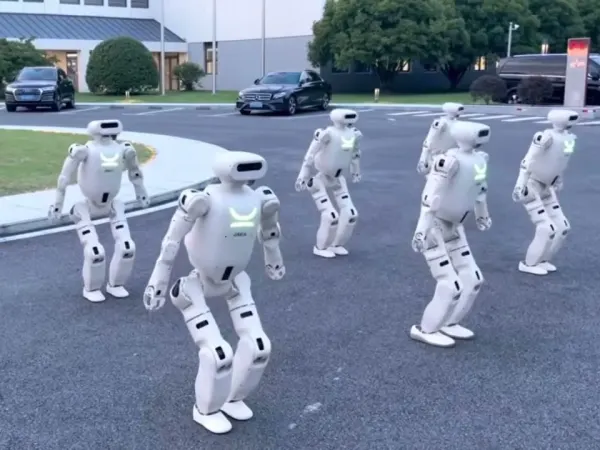
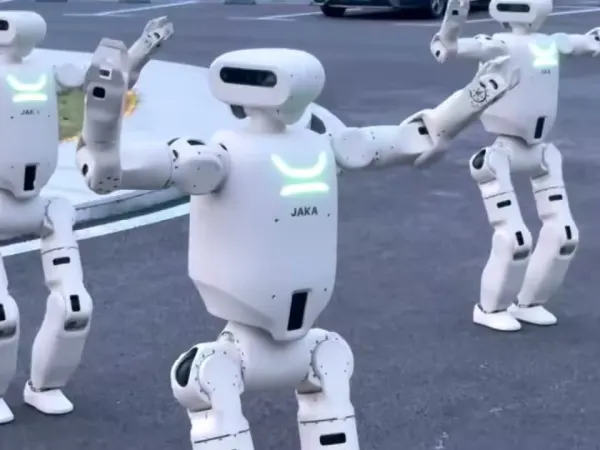
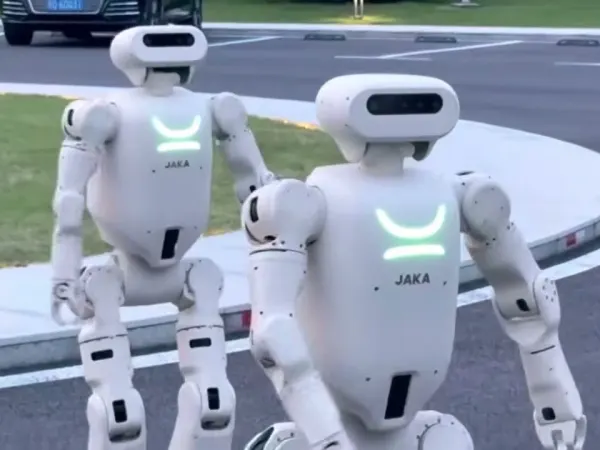
Below images are from JAKA Robotics's official sources
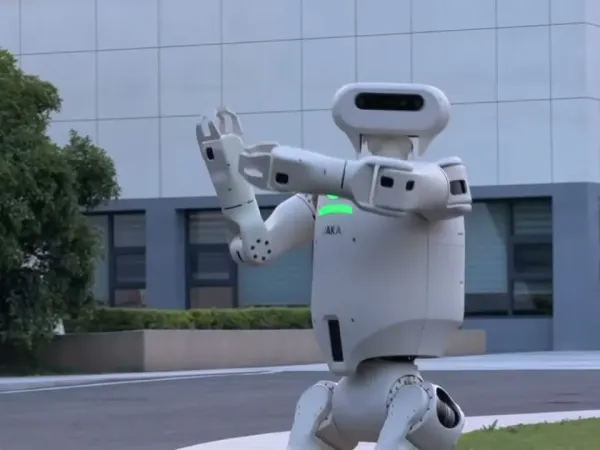
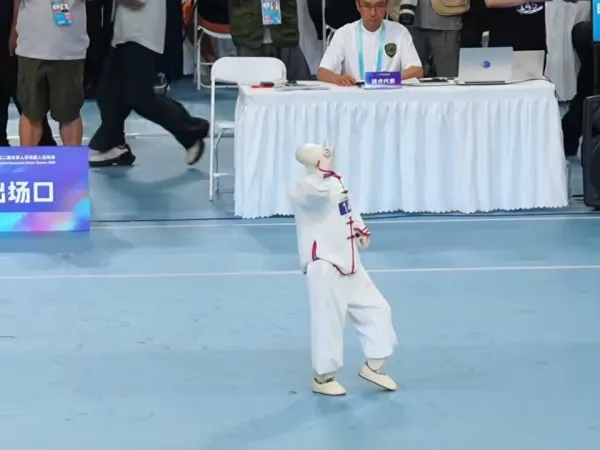
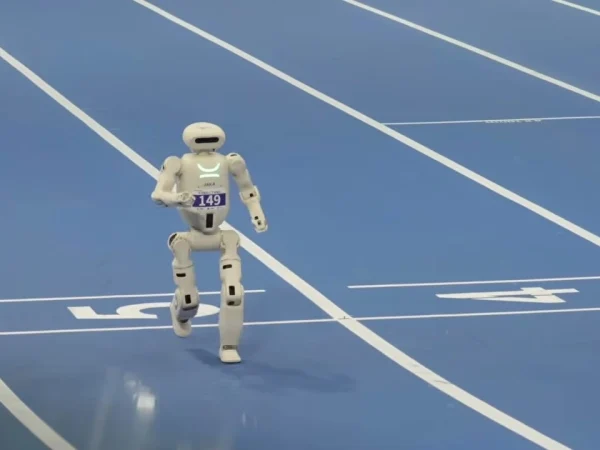
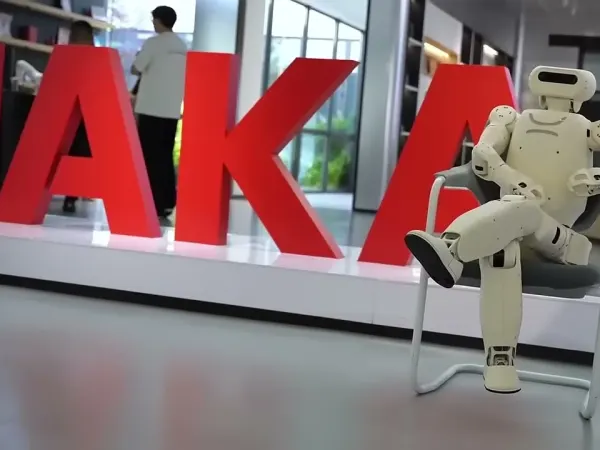
Review Videos
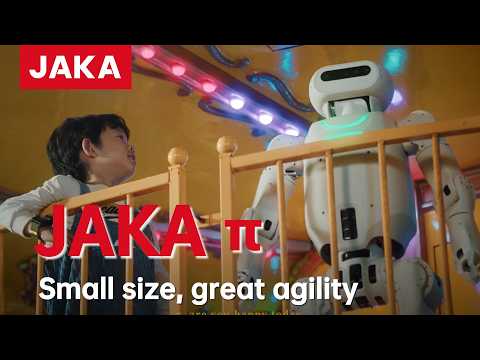
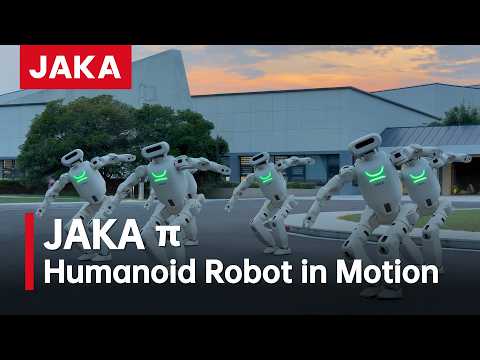
Watch expert reviews and demonstrations of this robot
Robot Specifications
More Robots from JAKA Robotics
Explore other robots from this manufacturer
Kargo50
Manufactured by JAKA Robotics
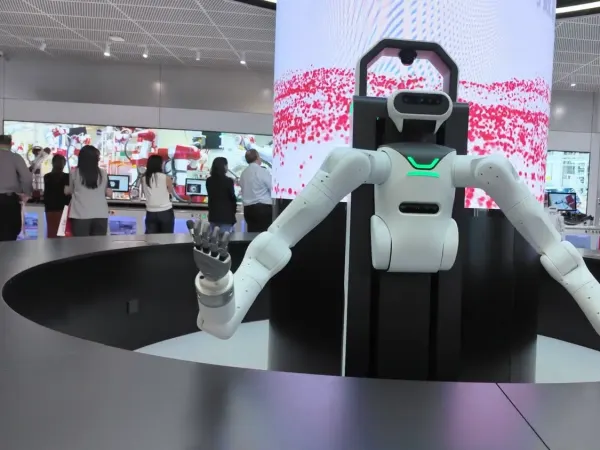
Kargo50 is a heavy-duty wheeled humanoid robot from JAKA Robotics, launched at the 26th China International Industry Fair (CIIF 2026) in Shanghai on October 12, 2026 alongside the Zu50 cobot. It extends JAKA's Kargo line of wheeled humanoids, whose smaller model is already in large-scale commercial use in automotive-parts and high-end electronics factories, to heavier industrial loads. Its job is to carry heavy totes and materials between workstations and handle flexible transfer tasks on the factory floor. JAKA has not yet published Kargo50's technical specifications, so the values on this page are estimates based on the official spec sheet of its sibling, the JAKA Kargo: a human-like upper body with two seven-axis arms, a head with vision cameras, a waist that lifts and tilts so the arms can reach from floor to shelf height, and a wheeled base that drives it around the factory. On the existing Kargo, JAKA reports that the handling time per tote fell from 105 to 28 seconds and that a new task can be deployed in 57 days.
More Humanoid Robots
Discover more robots in the same category


Robots From Other Categories
Discover complementary robots from different categories that work well together
Frequently Asked Questions
Get answers to common questions about this robot
Q1. What is JAKA Pi, and what problem is it designed to solve?
JAKA Pi is a small, child-sized humanoid robot from JAKA Robotics. It brings humanoid robotics into everyday places like classrooms, labs, exhibitions and homes, where a full-size industrial humanoid would be too big or too expensive.
Q2. What are the main capabilities and key features of JAKA Pi?
It walks, runs, jumps, dances and performs Tai Chi, talks with people through voice interaction, handles light objects with its arms, and can be controlled from a mobile app or programmed by developers.
Q3. Who is JAKA Pi built for, and which industries can benefit from it?
It is built for universities and vocational schools teaching embodied AI, researchers collecting robot data, exhibition halls and shopping malls, entertainment shows, and families looking for a companion robot.
Q4. Is JAKA Pi a commercial product or still a research prototype?
It is a commercial product line launched in 2026, though JAKA positions it as an open platform that customers keep developing.
Q5. Is JAKA Pi currently available for purchase, and when is it expected to ship?
JAKA unveiled it in China in 2026 and is preparing it for global markets. Pricing is quoted on request through JAKA.
Q6. How does JAKA Pi actually work in real-world environments?
An Intel-based "Fusion Brain" runs both its AI, such as language models and vision, and its real-time motion control. That lets it understand what it sees and hears and then move smoothly and stay balanced.
Q7. When was JAKA Pi announced or officially launched?
JAKA showed the first footage of Pi in May 2026 and officially unveiled it around Children's Day in June 2026.
Q8. How is JAKA Pi different from other robots in the same category?
It is much smaller and lighter than most humanoids, so it fits in classrooms and homes. It also comes from a company with more than a decade of experience building robot joints and motion control for cobots.
Q9. Does JAKA Pi require additional development or customization after purchase?
It works out of the box for demos and voice interaction. Schools and researchers who want new behaviors use its open SDK to build their own applications.
Q10. What is the future roadmap or planned upgrades for JAKA Pi?
JAKA says it is preparing Pi for international markets and keeps adding new skills, shown in competitions and demos throughout 2026.
Rating and Reviews
Share your experience and help others decide!
Loading...
User Reviews
No user reviews. Be the first one to review!
User Comments (No Login needed)
Share your thoughts, experiences, or questions about this robot.
Comments are reviewed before posting.