
JingChu 1
AI ChatLast updated:
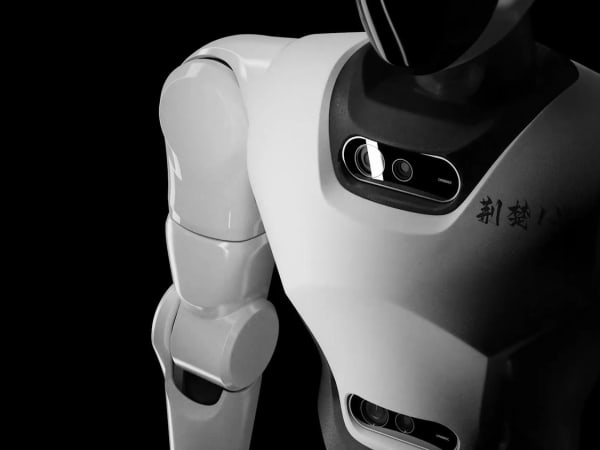
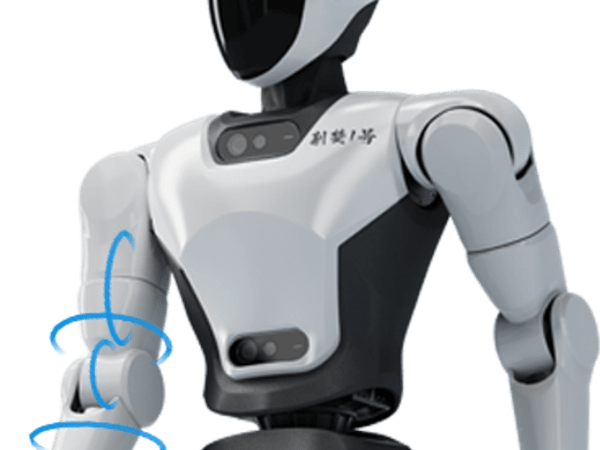
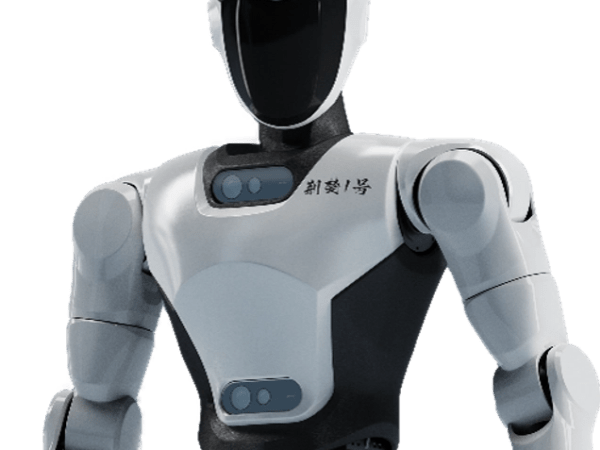
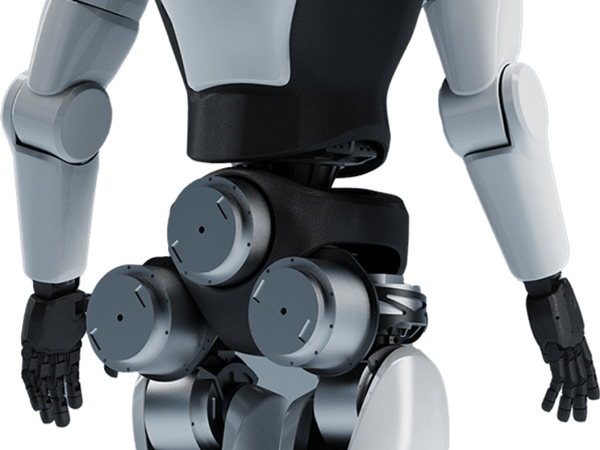
JingChu is a full-size bipedal humanoid robot from JCBOT (Hubei JingChu Humanoid Robot Co., Ltd.) in Wuhan, born in the lab of Academician Ding Han at Huazhong University of Science and Technology. Its most unusual feature is in the legs: the knees are driven by planetary roller screw linear actuators, a joint design that few humanoids anywhere use, while the other joints use high-torque planetary gear modules. The robot stands 170 cm tall, weighs about 65 kg and has 26 body degrees of freedom plus six-degree-of-freedom humanoid hands as standard. It sees with LiDAR and depth cameras, talks through a microphone array and speaker with access to large language models, navigates on its own and runs for about 8 hours on its 48 V battery. JCBOT aims it at education, research and service work, and opens control of every motor through a Python and C++ SDK. JingChu debuted in Wuhan in February 2025 and entered mass production that June.
Quick Overview & Key Facts
JingChu 1 is a humanoid robot made by JCBOT in China, launched in 2025 and built for education and teaching, robotics research and development, and reception and service. Its estimated price is USD 35,000.
- Dimensions
- Height 170 cm (5 ft 7 in)
- Weight
- Approx. 65 kg (143 lb)
- Mobility
- Bipedal (legged) humanoid
- Handles
- Not publicly disclosed
- Battery runtime
- About 8 hours of combined operation
- Sensors
- LiDAR, two RGB-D depth cameras, 6-axis IMU and microphone array
- Operating environment
- Indoor education, research and service settings
What Can JingChu 1 Do?
Core operational tasks and activities demonstrated or performed by JingChu 1.
Real-World Applications of JingChu 1
Industries, working environments, and deployment suitability for JingChu 1.
JingChu 1 Capabilities
Inherent physical, perceptual, and cognitive abilities built into JingChu 1.
Image Gallery
Below images are from JCBOT's official sources
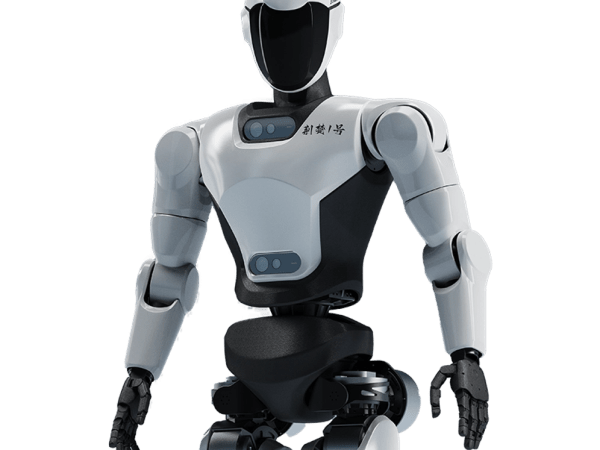

Robot Specifications
Values without a Confirmed badge are compiled from public sources and may not be manufacturer-verified.
Not yet published by JCBOT: warranty terms, safety certifications, EMC compliance, IP rating, noise level, expected lifespan, maintenance schedule, firmware version and 7 more.
Robot Timeline
Key milestones in this robot's development and rollout
The JingChu humanoid from Academician Ding Han's team at Huazhong University of Science and Technology debuts in Wuhan alongside nine other "Chucai" humanoid robots at a Hubei provincial conference.
Source: Xinhua ↗
JCBOT releases the fourth design iteration of JingChu-1, a month after the company is founded in Wuhan with its first investment.
The JingChu project is signed into Wuchang District, Wuhan, and the company starts mass production, with robots expected to begin work in the third quarter of 2025.
Source: Xinhua ↗
JingChu 1 vs Nylo, Wanda 2.0, Embodied Tien Kung 2.0 Lite and Walker C
JingChu 1 overlaps with these alternatives on Research and development and Receptionist; only JingChu 1 is tagged for Dexterous manipulation. JingChu 1 leads this group on runtime but trails on weight.
Industries and capabilities are tags, not scores: a tick means the robot is listed for it. Green marks the best figure in a row (highest runtime; lowest weight). Ranges are not ranked.
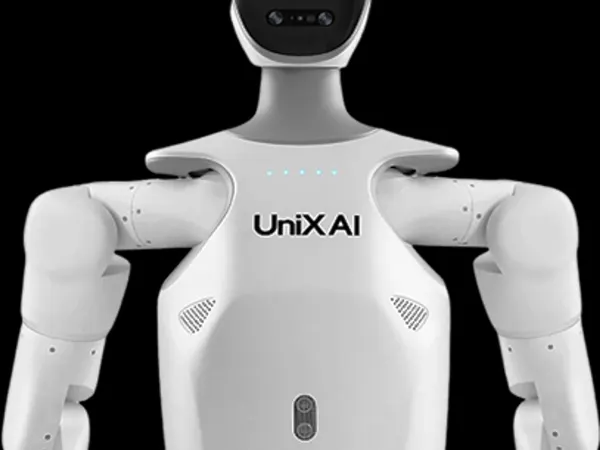
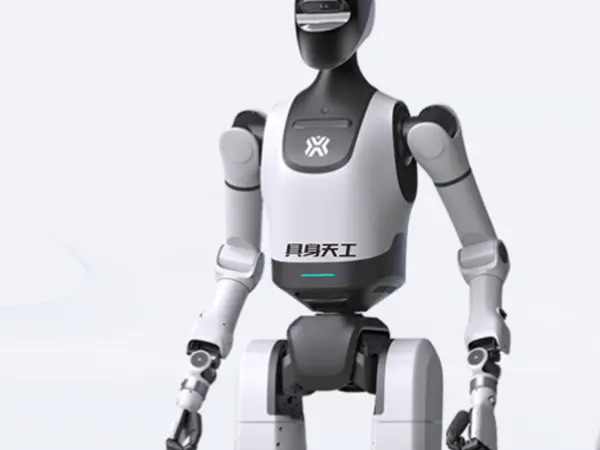
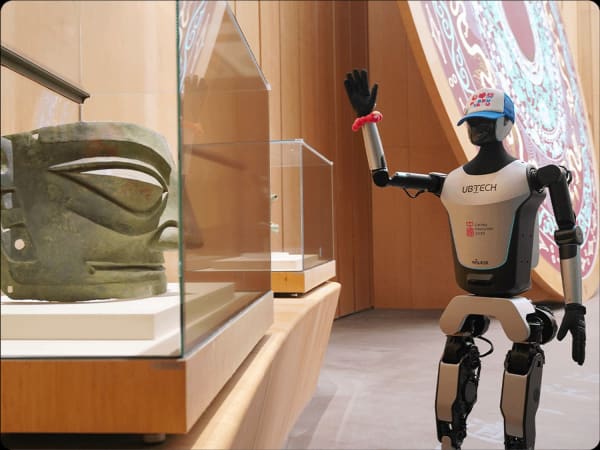
| Spec | JingChu 1JCBOT | NyloIntBot | Wanda 2.0UniX AI | Embodied Tien Kung 2.0 LiteX-Humanoid | Walker CUBTECH Robotics |
|---|---|---|---|---|---|
| Industries | |||||
| Research and development | Yes | Yes | Yes | Yes | No |
| Receptionist | Yes | No | No | No | Yes |
| Public services | Yes | Yes | Yes | No | Yes |
| Education and training | Yes | Yes | Yes | Yes | Yes |
| Capabilities | |||||
| Developer friendly | Yes | Yes | No | No | No |
| Speech interaction | Yes | Yes | Yes | No | Yes |
| Human-robot interaction | Yes | Yes | Yes | No | Yes |
| Dexterous manipulation | Yes | No | No | No | No |
| Runtime | 8 h | 8 h | 4 h | — | 120 min |
| Weight | 65 kg | 30 kg | 60 kg | 60 kg | 43 kg |
| Released | 2025 | 2025 | 2025 | 2025 | 2025 |
Notes such as conditions or alternate figures are left out and values are shown in common units; open each page for the full specs. Browse all Humanoid Robots
More Humanoid Robots
Discover more robots in the same category

Robots From Other Categories
Discover complementary robots from different categories that work well together
Frequently Asked Questions
Get answers to common questions about this robot
Q1. What is JingChu, and what problem is it designed to solve?
JingChu is a full-size bipedal humanoid robot from JCBOT in Wuhan. It gives schools, labs and service venues a walking, talking robot that developers can fully program.
Q2. What are the main capabilities and key features of JingChu?
It walks on two legs, uses linear actuators in its knees, has dexterous humanoid hands, navigates on its own with LiDAR and depth cameras, and holds spoken conversations backed by large language models.
Q3. Who is JingChu built for, and which industries can benefit from it?
It is built mainly for education and research, and for service roles such as reception and guiding, where a human-sized robot that can talk and move around is useful.
Q4. Is JingChu a commercial product or still a research prototype?
It is a commercial product. The company started mass production in mid-2025 and builds robots to order.
Q5. Is JingChu currently available for purchase, and when is it expected to ship?
Yes, it is sold by JCBOT, which quotes prices on request through its website and sales contacts. Delivery timing is agreed per order.
Q6. How does JingChu actually work in real-world environments?
It maps and moves through indoor spaces with LiDAR and depth cameras, balances with an inertial sensor, listens and speaks through a microphone array and speaker, and runs its motion and AI software on an onboard computer.
Q7. When was JingChu announced or officially launched?
It debuted in Wuhan in early 2025 as a robot from Academician Ding Han's team at Huazhong University of Science and Technology, and went into mass production that summer after the company was founded.
Q8. How is JingChu different from other robots in the same category?
Most humanoids drive their legs with rotary motors, while JingChu uses planetary roller screw linear actuators in its knees, which the company says makes walking steadier and lets it carry more.
Q9. Does JingChu require additional development or customization after purchase?
It works out of the box for voice interaction and navigation, and JCBOT also provides a Python and C++ SDK with open motor control so research teams can build their own behaviors.
Q10. What is the future roadmap or planned upgrades for JingChu?
JCBOT keeps iterating the robot and its AI. It has already released several design versions, and its newer work includes a vision-language-action model and new dexterous hands and linear joint modules.
Rating and Reviews
Share your experience and help others decide!
Loading...
User Reviews
No user reviews. Be the first one to review!
User Comments (No Login needed)
Share your thoughts, experiences, or questions about this robot.
Comments appear after moderator review.