
Mantis Standard
AI ChatLast updated:
Mantis Standard, nicknamed "Xiaobai" (Little White), is a modular wheeled humanoid from Blue Worm Robotics in Xi'an, launched on September 14, 2026 with a starting price of RMB 9,800 (about USD 1,400). Its idea is "one brain, many forms": the arm, omnidirectional base, lifting waist, sliding stage and camera head are separate modules joined by quick-mount interfaces, so the same system can work as a single desktop arm, a mobile base, a dual-arm station or a full humanoid. Higher versions have up to 22 degrees of freedom, with seven-joint arms that each carry up to 7 kg (14 kg with both arms) and joints with up to 120 N·m of torque. The head holds 4K, 60 fps binocular cameras on a three-axis gimbal, wrist cameras are optional, and higher versions add LiDAR. The base moves in all directions, the waist lifts the upper body by 550 mm, and the whole machine runs for about 3 hours. Blue Worm's BW-Brain software carries its Wormhole embodied-AI models, a VR teleoperation system records demonstrations with latency under 10 milliseconds, and ROS 2, MoveIt 2, an SDK and simulation tools support research. The company positions it for university research and data collection, with light commercial, inspection and home tasks as secondary uses.
Quick Overview & Key Facts
Mantis Standard is a humanoid robot made by Blue Worm Robotics in China, launched in 2026 and built for university research and teaching, robot data collection through teleoperation, and desktop and workstation pick-and-place. Its estimated price is USD 1,400 (RMB 9,800 starting price).
- Dimensions
- Height about 140 cm; arm span 663 mm
- Weight
- About 50 kg (110 lb)
- Payload capacity
- Objects up to 7 kg per arm on higher versions (3 kg on the entry version)
- Battery runtime
- About 3 hours (whole machine)
What Can Mantis Standard Do?
Core operational tasks and activities demonstrated or performed by Mantis Standard.
Real-World Applications of Mantis Standard
Industries, working environments, and deployment suitability for Mantis Standard.
Mantis Standard Capabilities
Inherent physical, perceptual, and cognitive abilities built into Mantis Standard.
Image Gallery
Below images are from Blue Worm Robotics's official sources


Robot Specifications
Values without a Confirmed badge are compiled from public sources and may not be manufacturer-verified.
Not yet published by Blue Worm Robotics: safety certifications, EMC compliance, IP rating, noise level, expected lifespan, maintenance schedule, firmware version, update method and 4 more.
Robot Timeline
Key milestones in this robot's development and rollout
Blue Worm Robotics launches the modular Mantis Standard wheeled humanoid ("Xiaobai") in Xi'an with a starting price of RMB 9,800.
Source: 36Kr ↗
Mantis Standard vs RealBot-S2, RealBot-01, Knowin-X1 and RealBot-L2
Mantis Standard overlaps with these alternatives on Research and development and Education and training; only Mantis Standard is tagged for Logistics. Mantis Standard leads this group on payload and weight but trails on runtime.
Industries and capabilities are tags, not scores: a tick means the robot is listed for it. Green marks the best figure in a row (highest payload and runtime; lowest weight). Ranges are not ranked.
| Spec | Mantis StandardBlue Worm Robotics | RealBot-S2RealMan Robotics | RealBot-01RealMan Robotics | Knowin-X1Knowin | RealBot-L2RealMan Robotics |
|---|---|---|---|---|---|
| Industries | |||||
| Research and development | Yes | Yes | Yes | No | Yes |
| Education and training | Yes | No | Yes | No | No |
| Logistics | Yes | No | No | No | No |
| Household help | Yes | Yes | Yes | Yes | Yes |
| Capabilities | |||||
| Adjustable height | Yes | Yes | No | Yes | Yes |
| Developer friendly | Yes | No | Yes | No | No |
| Omnidirectional mobility | Yes | Yes | Yes | No | No |
| Remote control (teleoperation) | Yes | Yes | Yes | No | Yes |
| Max Speed | 3 m/s | 0.1–1.5 m/s | 0.1–1.5 m/s | — | 0.1–1 m/s |
| Payload | 7 kg | 5 kg | 5 kg | 6 kg | 5 kg |
| Runtime | 3 h | 6 h | — | — | 6 h |
| Weight | 50 kg | 125 kg | 125 kg | — | 120 kg |
| Released | 2026 | 2026 | 2025 | 2026 | 2026 |
Notes such as conditions or alternate figures are left out and values are shown in common units; open each page for the full specs. Browse all Humanoid Robots
More Humanoid Robots
Discover more robots in the same category


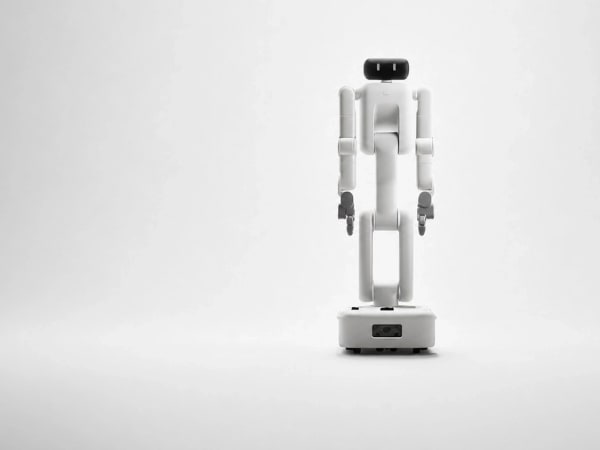

Robots From Other Categories
Discover complementary robots from different categories that work well together
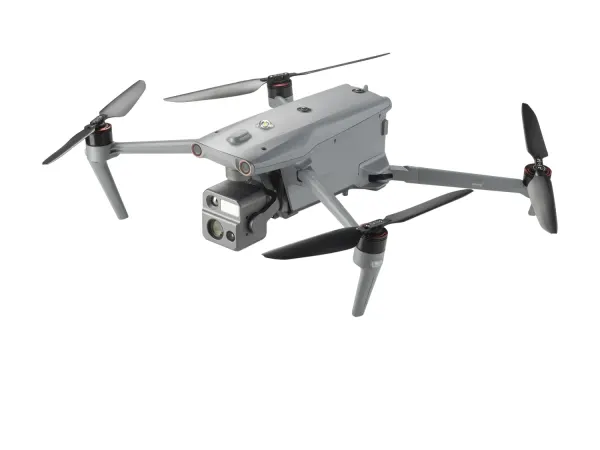
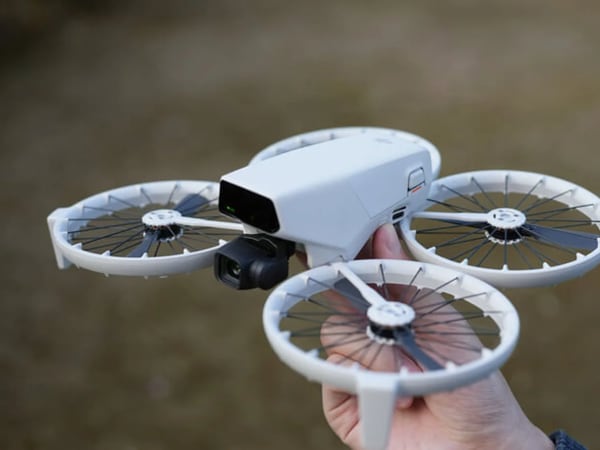
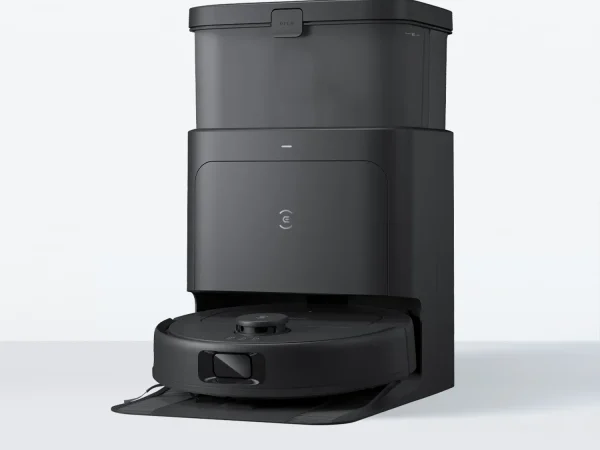
Frequently Asked Questions
Get answers to common questions about this robot
Q1. What is Mantis Standard, and what problem is it designed to solve?
Mantis Standard, nicknamed Xiaobai, is a modular wheeled humanoid from Blue Worm Robotics in Xi'an. It lets labs and developers buy just the arm, base or full robot they need and combine them later.
Q2. What are the main capabilities and key features of Mantis Standard?
Its arm, base, waist, sliding stage and head are separate modules that click together, and the same software can run them as a single arm, a mobile base, a dual-arm station or a complete humanoid.
Q3. Who is Mantis Standard built for, and which industries can benefit from it?
It is aimed mainly at university research and teams collecting robot training data, with light commercial service, inspection and home-style tasks as secondary uses.
Q4. Is Mantis Standard a commercial product or still a research prototype?
It is a commercial product that Blue Worm launched in autumn 2026 and sells in several versions.
Q5. Is Mantis Standard currently available for purchase, and when is it expected to ship?
Yes, Blue Worm sells it directly with an entry price that is low for a humanoid, and the price rises with the version, and customers contact the company for the exact configuration.
Q6. How does Mantis Standard actually work in real-world environments?
A wheeled omnidirectional base moves it around, force-capable arms do the handling, stereo cameras on a stabilized head observe the scene, and operators can wear VR headsets to teach it tasks that its software then learns from.
Q7. When was Mantis Standard announced or officially launched?
Blue Worm launched it on September 14, 2026.
Q8. How is Mantis Standard different from other robots in the same category?
Instead of one fixed body, it is built like a custom computer, so teams can start small and add modules as their projects grow, and it carries its own embodied-AI software on top.
Q9. Does Mantis Standard require additional development or customization after purchase?
Teams add their own work through its SDK, ROS 2 tools, simulation environment and support for open-source robot-learning models, and can attach their own grippers or cameras.
Q10. What is the future roadmap or planned upgrades for Mantis Standard?
Blue Worm plans to extend the same platform into more forms and versions, building on its predecessor that already competed at a humanoid robot games event.
Rating and Reviews
Share your experience and help others decide!
Loading...
User Reviews
No user reviews. Be the first one to review!
User Comments (No Login needed)
Share your thoughts, experiences, or questions about this robot.
Comments appear after moderator review.