ALICE 3 Emerges as Compact Powerhouse for Industrial Human-Robot Collaboration
Robot Details
ALICE 3 • AEI RobotPublished
January 26, 2026
Reading Time
2 min read
Author
Origin Of Bots Editorial Team
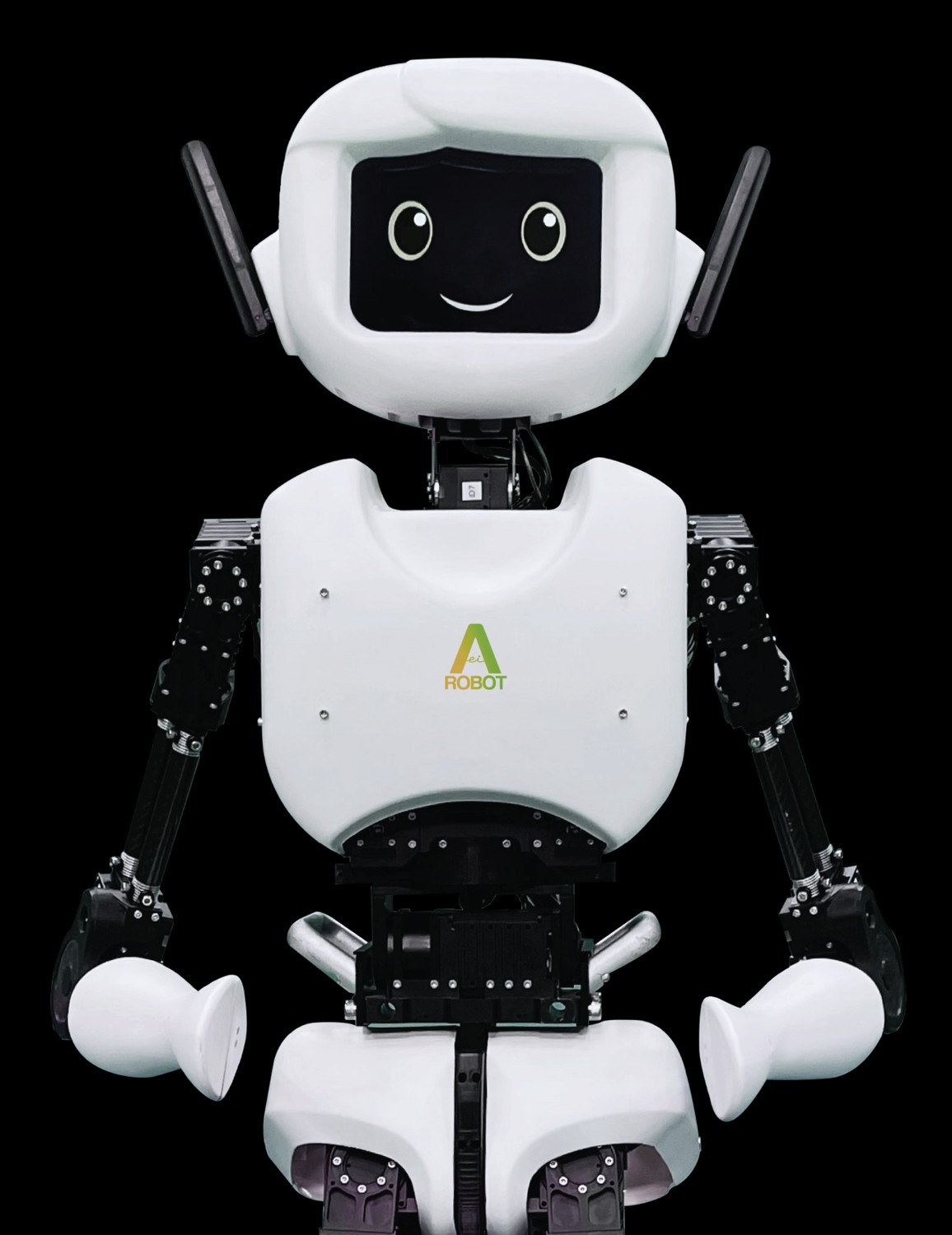
Lightweight Design Shifts Humanoid Expectations
AEI Robot's ALICE 3 is redefining what industrial humanoids can achieve at scale, combining sophisticated AI capabilities with a remarkably compact 27.5 kg frame designed for seamless deployment in manufacturing, logistics, and customer service environments. Unlike heavier bipedal competitors, ALICE 3's lightweight architecture enables rapid integration into existing workflows without extensive infrastructure modifications, positioning it as an accessible entry point for enterprises exploring human-robot collaboration at meaningful scale.
Perception Meets Precision Movement
The robot's sensor fusion architecture orchestrates intelligent decision-making across complex environments. Its integrated RGB and stereo cameras work alongside LiDAR mapping systems to enable real-time obstacle detection and dynamic path planning, while force sensors and collaborative mode features allow safe interaction alongside human workers. Voice recognition capabilities paired with a touchscreen interface create multiple interaction pathways, allowing operators to communicate naturally rather than relying on rigid programming interfaces.
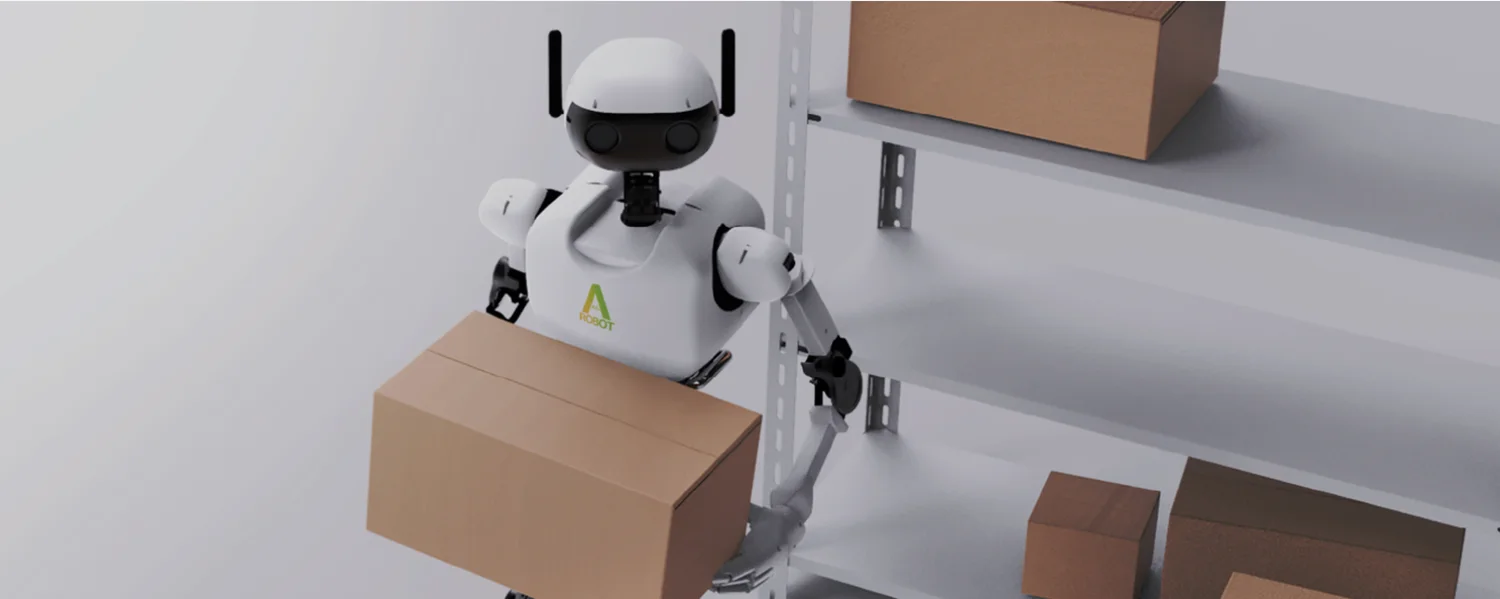
Bipedal Navigation for Human Spaces
ALICE 3's walking speed of 1.0–1.2 meters per second supports practical indoor operations without sacrificing safety margins. The bipedal locomotion system enables navigation through doorways, narrow aisles, and multi-level facilities designed for human movement, eliminating the need for specialized infrastructure that wheeled platforms often demand. This mobility profile directly addresses a persistent challenge in warehouse and manufacturing settings where space constraints and existing layouts resist retrofit for robotic systems.
From Factory Floor to Customer Engagement
Manufacturing operations leverage ALICE 3 for precision tool transport and component manipulation, while logistics providers deploy it for inventory verification and package routing in confined spaces. Security applications benefit from autonomous patrol capabilities combined with visitor recognition, while educational institutions use the platform for hands-on robotics research and AI development. Customer service environments deploy ALICE 3 as an interactive greeter and information provider, demonstrating that industrial-grade robotics can simultaneously serve operational and engagement functions.
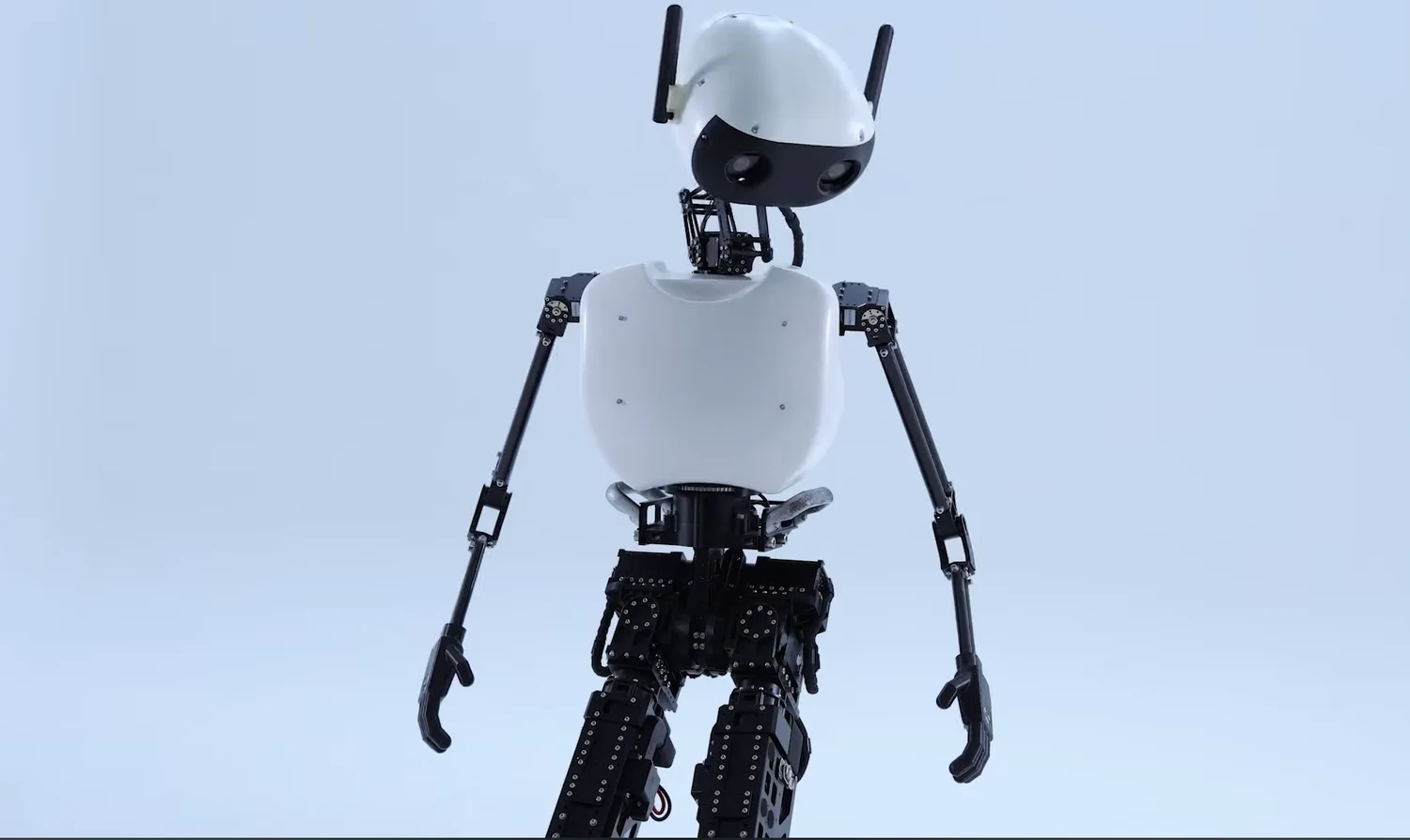
Skill Architecture & Capability Summary
ALICE 3's sensor suite—encompassing RGB imaging, stereo depth perception, LiDAR, ultrasonic ranging, inertial measurement, and thermal sensing—enables nuanced environmental awareness that translates directly into dexterous manipulation and safe human coexistence. The robot's three-year battery lifecycle supports extended interaction sessions across multiple operational shifts, while force-limiting technology and collision detection allow it to work alongside human colleagues without protective barriers. Its modular software foundation supporting ROS2, Python, and C++ enables rapid customization for domain-specific tasks, with an open SDK architecture that transforms ALICE 3 from a fixed platform into an extensible research and deployment vehicle.
How ALICE 3 Stacks Against Rivals
| Robot | Strengths over ALICE 3 | ALICE 3 Advantages | Weaknesses vs. ALICE 3 |
|---|---|---|---|
| Phoenix | Potentially greater payload capacity for heavy-duty lifting | Significantly lighter (27.5 kg), easier deployment in confined spaces, faster integration | May require more space and infrastructure modifications |
| Elf V1 Series | Specialized design for specific vertical applications | Versatile across manufacturing, logistics, and service sectors; open SDK ecosystem | Less specialized optimization for niche use cases |
| Astribot S1 | Advanced dexterity in some manipulation scenarios | Proven bipedal walking in human environments, integrated voice interaction, three-year battery endurance | Potentially lower manipulation precision in fine-motor tasks |
| Henry | Established market presence and ecosystem maturity | Compact footprint enabling rapid deployment, real-time sensor fusion for dynamic environments | Fewer years of field deployment data available |
Explore Humanoids

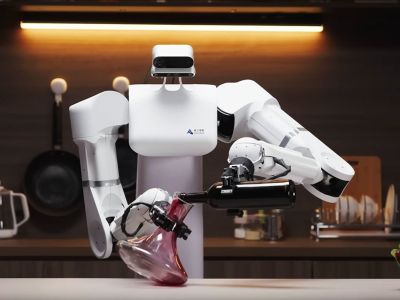

Related Articles

MagicBot Z1 Shatters Limits with 130N·m Torque at CES
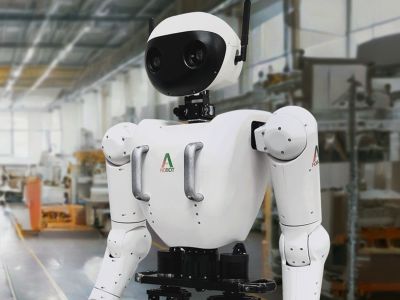
ALICE 4 Redefines Industrial Robotics With Gearless Precision and NVIDIA AI Integration
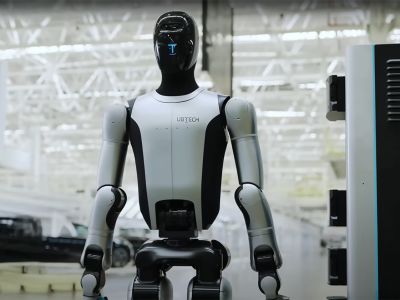
UBTECH Walker S2 Debuts Autonomous Battery Swap in Airbus Trials
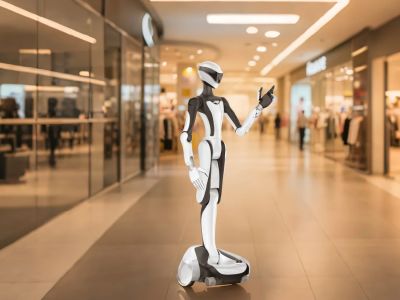
Q5 Wheeled Humanoid Redefines Service Robots With Ultra-Human Interaction
Related Comparisons
Compare ALICE 3 with similar robots
ALICE 4 vs RobotEra Q5
Which robot wins? ALICE 4 vs Q5 compared across sensors, speed, battery, and navigation.
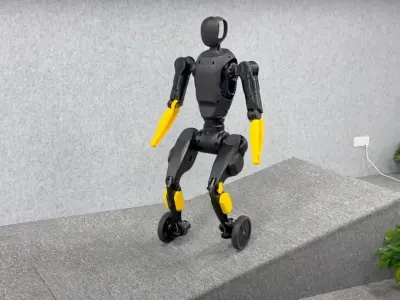
AgiBot X2-N vs ALICE 4
In-depth comparison of AgiBot X2-N by AgiBot and ALICE 4 by AEI Robot. Analyze navigation, battery life, sensors, mobility, AI, and price.
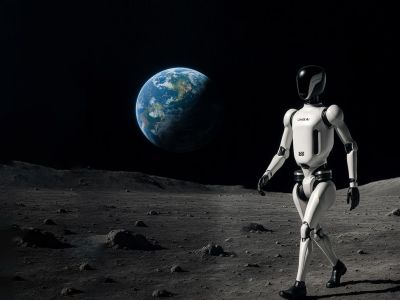
ALICE 4 vs Martian
In-depth comparison of ALICE 4 by AEI Robot and Martian by UniX AI. Analyze navigation, battery, sensors, and mobility.

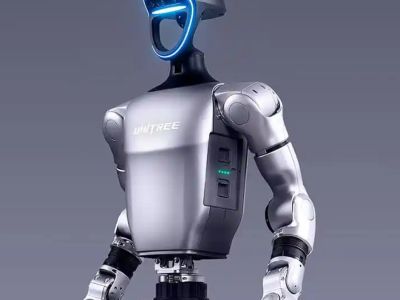
Optimus vs Unitree G1
Compare Optimus vs Unitree G1 for humanoid mobility, dexterity, autonomy, and payload capacity.
Learn More About This Robot
Discover detailed specifications, reviews, and comparisons for ALICE 3.
View Robot Details →