ALICE 4 Redefines Industrial Robotics With Gearless Precision and NVIDIA AI Integration
Robot Details
ALICE 4 • AEI RobotPublished
January 26, 2026
Reading Time
3 min read
Author
Origin Of Bots Editorial Team
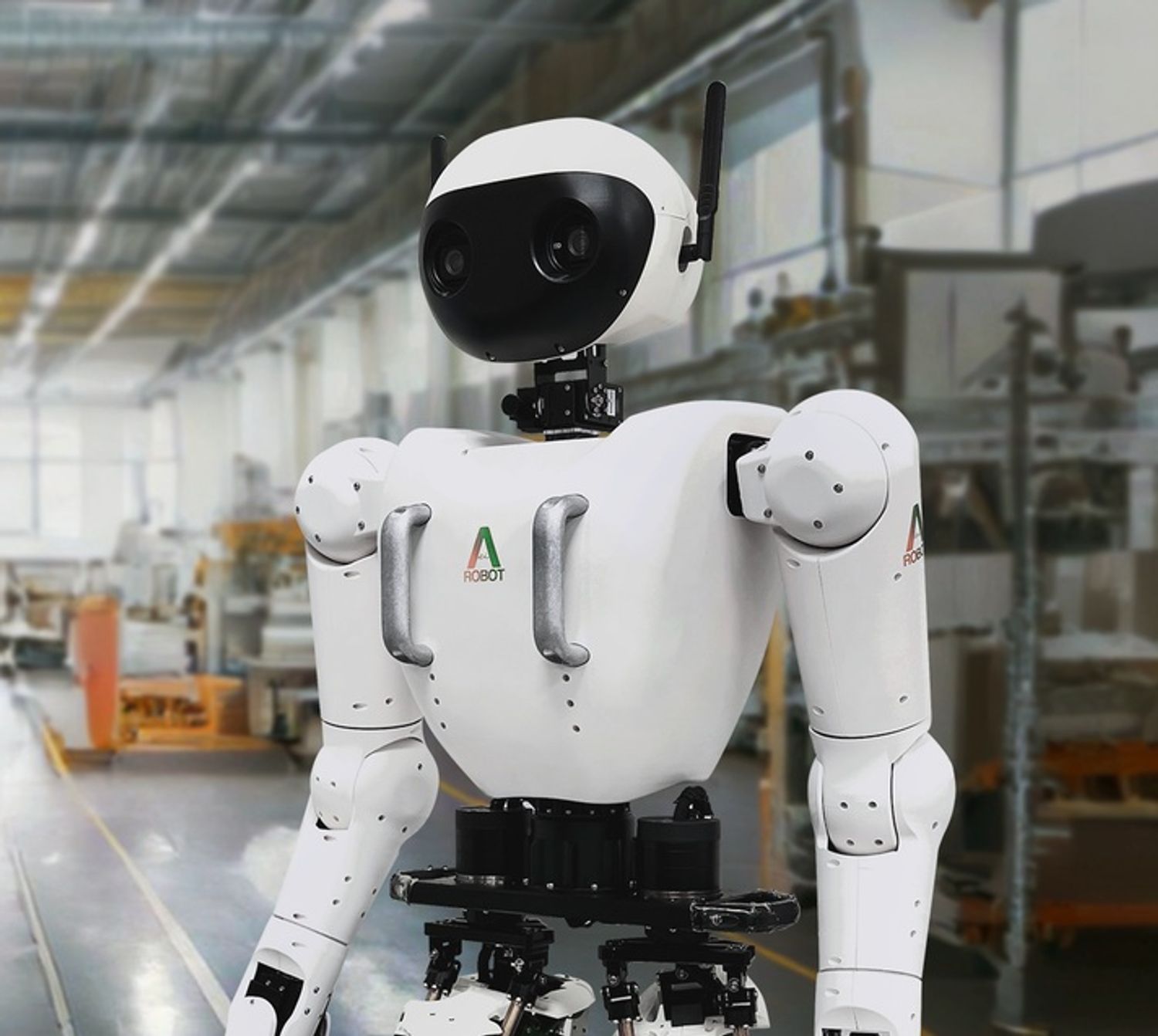
South Korean Innovation Enters the Arena
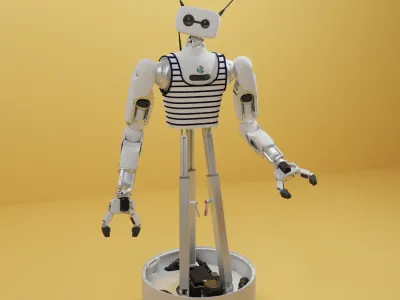
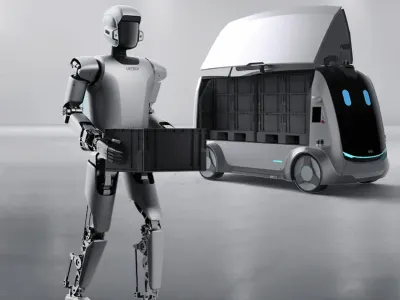
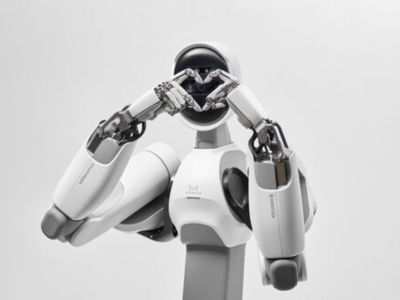
AeiRobot has unveiled ALICE 4, a 160-centimeter humanoid platform engineered to transform material handling and collaborative manufacturing through proprietary gearless linear actuators paired with NVIDIA's Jetson Orin NX computing architecture. Standing 45 kilograms and equipped with 41 degrees of freedom, the robot combines force-sensitive manipulation with natural language understanding to execute complex pick-and-place workflows autonomously. This represents a meaningful shift in how manufacturers approach flexible automation, moving beyond rigid task execution toward adaptive, context-aware industrial assistance.
Quiet Power Meets Precision Control
What distinguishes ALICE 4 from conventional industrial arms is its radical departure from traditional geared actuators. The robot's proprietary linear actuator design eliminates mechanical reducers entirely, delivering back-drivable force control that enables safe physical collaboration with human workers. This architecture produces minimal operational noise while maintaining the impedance control necessary for handling fragile objects, precision instruments, and delicate assembly tasks. The force-sensing resistor network grants the robot real-time awareness of contact forces, allowing it to adjust grip pressure and movement velocity based on object properties and environmental feedback.
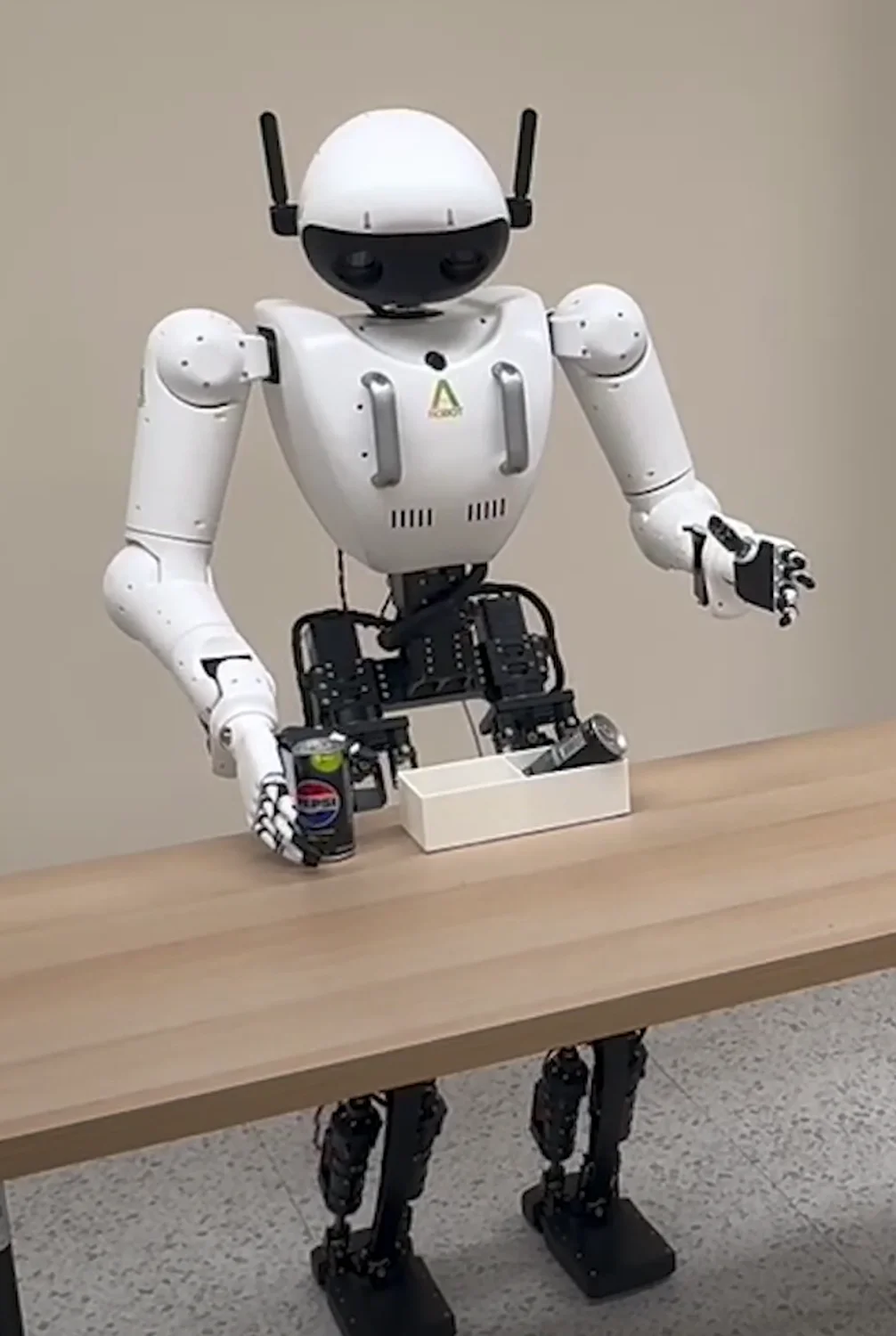
Engineering Breakthroughs in Motion
The gearless actuator innovation addresses longstanding constraints in humanoid robotics: energy waste, thermal buildup, and imprecise force feedback. ALICE 4's parallel linear configuration maximizes energy efficiency while an integrated heatsink frame manages thermal dissipation during sustained operation. The robot's real-time field-oriented control system processes sensory input from force sensors, inertial measurement units, and depth cameras to maintain stable, natural movements even when navigating unpredictable factory environments. This multi-modal sensor fusion enables the robot to perceive spatial relationships, detect obstacles, and adapt movement trajectories without explicit programming for each scenario.
From Warehouses to Research Labs
ALICE 4 targets three distinct operational domains. In manufacturing, it automates sorting, material transfer, and assembly line support where human-safe collaboration matters. Research institutions leverage its modular design and ROS2-based software stack to prototype new AI behaviors and test embodied learning systems. Service applications including VR-based teleoperation allow remote operators to train the robot through demonstration, with imitation learning algorithms capturing skilled movements for autonomous replay. The robot's eight-hour battery runtime supports full-shift deployment in commercial facilities, while its 0.8 meters-per-second walking speed enables meaningful task completion within human-paced work environments.
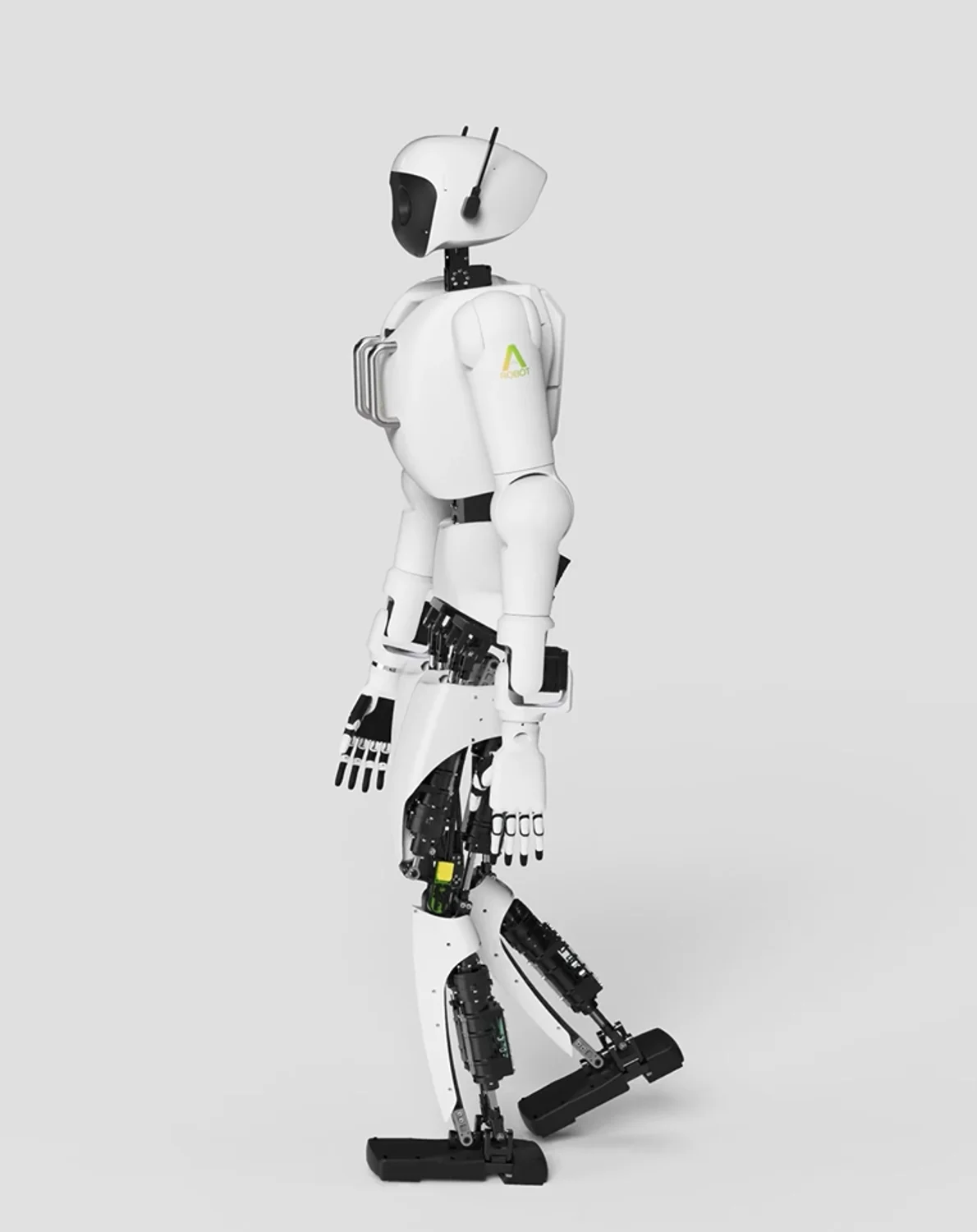
Skill Architecture and Capability Summary
ALICE 4's technical foundation transforms raw specifications into interaction competencies. The 41-joint architecture enables dexterous hand manipulation (7 degrees of freedom per arm) combined with fluid torso and neck articulation, allowing the robot to position objects with millimeter accuracy while maintaining natural eye contact during collaborative tasks. Its sensor array—RGB cameras, stereo depth sensing, LiDAR, ultrasonic proximity detection, gyroscopes, and force sensors—creates comprehensive environmental awareness that supports both autonomous navigation through crowded spaces and precise manipulation of objects ranging from 5-10 kilograms per arm. The eight-hour battery life sustains continuous interaction sessions across manufacturing shifts, while the NVIDIA Jetson Orin NX processes vision-based object detection and natural language instructions in real-time, enabling the robot to respond to verbal commands like "sort these components by color" without pre-programmed workflows.
Versus Rivals Breakdown
| Robot | Strengths over ALICE 4 | ALICE 4 Advantages | Weaknesses vs. ALICE 4 |
|---|---|---|---|
| ALLEX | Potentially higher payload capacity for heavy manufacturing | Gearless actuators enable safer human collaboration; superior force control precision | Limited information on thermal efficiency and noise levels |
| Walker S1 | Specialized bipedal locomotion for outdoor terrain navigation | Optimized for indoor human environments; modular design supports rapid skill acquisition via imitation learning | Wheeled base restricts deployment to flat, structured surfaces |
| KUAVO-MY | Possible cost advantages in emerging markets | Advanced AI integration with NVIDIA's latest models; proven pick-and-place performance in industrial settings | Unknown battery efficiency and long-term durability metrics |
| D7 | Established market presence with extensive deployment history | Proprietary linear actuators eliminate mechanical wear; quiet operation suits sensitive manufacturing environments | Newer platform with limited real-world validation compared to established competitors |
Explore Humanoids

Sources
Related Articles
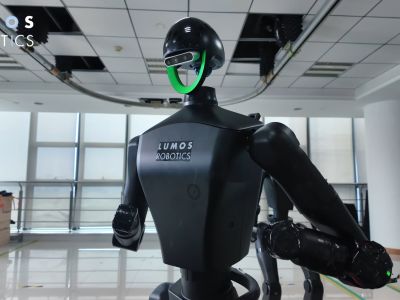
Lumos LUS2 Springs to Feet in One Second, Redefines Humanoid Agility
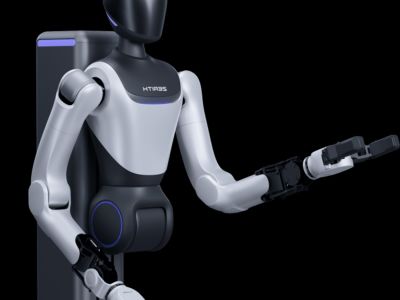
Zerith H1 Deploys Across 20+ Chinese Venues, Secures $14M Orders

Zerith Z1 Rockets to Hotels with $14M Orders, 500 Deliveries

MagicBot Z1 Shatters Limits with 130N·m Torque at CES
Related Comparisons
Compare ALICE 4 with similar robots
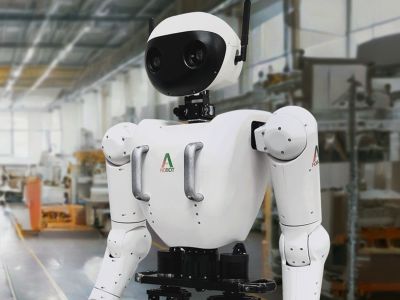
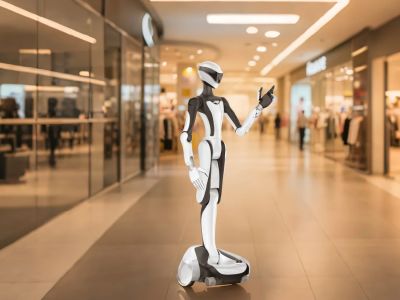
ALICE 4 vs RobotEra Q5
Which robot wins? ALICE 4 vs Q5 compared across sensors, speed, battery, and navigation.
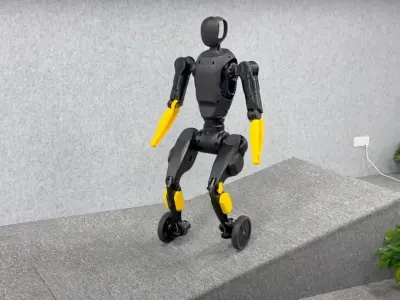
AgiBot X2-N vs ALICE 4
In-depth comparison of AgiBot X2-N by AgiBot and ALICE 4 by AEI Robot. Analyze navigation, battery life, sensors, mobility, AI, and price.

ALICE 4 vs Martian
In-depth comparison of ALICE 4 by AEI Robot and Martian by UniX AI. Analyze navigation, battery, sensors, and mobility.

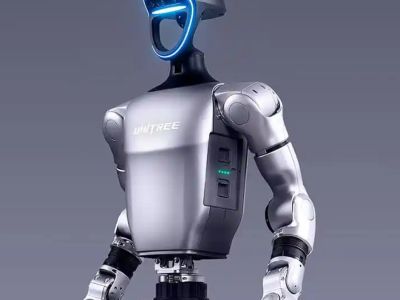
Optimus vs Unitree G1
Compare Optimus vs Unitree G1 for humanoid mobility, dexterity, autonomy, and payload capacity.
Learn More About This Robot
Discover detailed specifications, reviews, and comparisons for ALICE 4.
View Robot Details →