AmphiBot IV Deploys Pollution Sensors in Lakes 2026
Robot Details
AmphiBot (Robot Snake) • EPFLPublished
March 18, 2026
Reading Time
2 min read
Author
Origin Of Bots Editorial Team
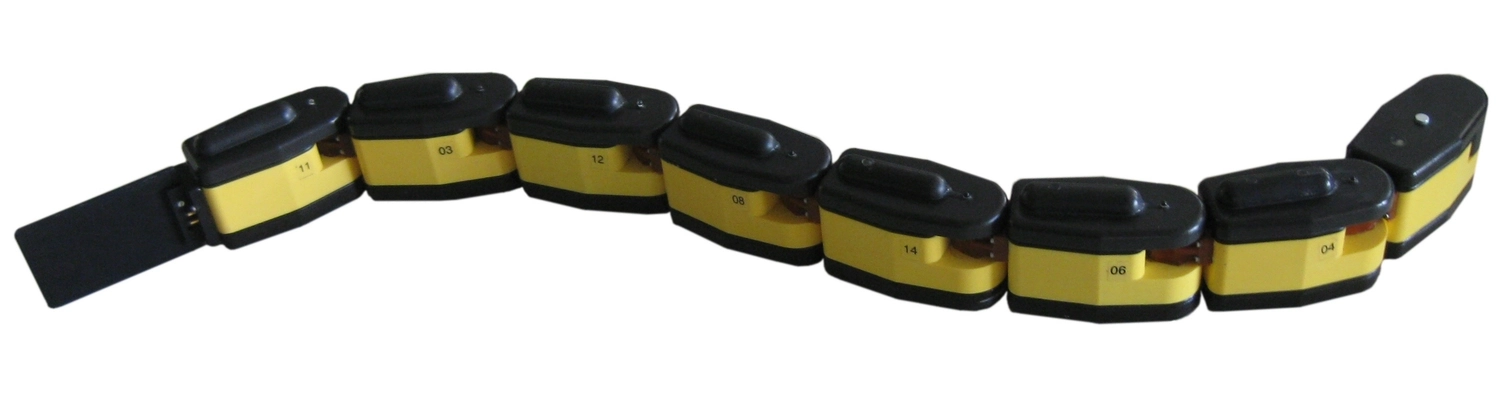
Lakes Gain Robot Sentinels
EPFL researchers have deployed the AmphiBot IV, their advanced robot snake, into Swiss lakes this March 2026 to actively monitor chemical and biological pollutants in real time. This field trial marks a pivotal shift from lab prototypes to operational environmental guardianship, targeting hidden contamination in hard-to-reach aquatic zones. By slithering through water and over lakebeds, the bot collects precise data that traditional sampling boats often miss, potentially transforming how authorities track water quality threats amid rising industrial runoff concerns.
Undulation Masters Environments
The AmphiBot IV excels with its serpentine undulation powered by central pattern generators (CPGs), enabling seamless transitions between swimming and crawling without human tweaks. Recent lake tests in early 2026 demonstrated its ability to navigate murky depths and rocky shores, outperforming rigid drones in cluttered terrains. Integrated radio transceivers allow operators to steer remotely from shore, while onboard autonomy handles routine patrols, making it a versatile tool for prolonged missions where reliability trumps speed.
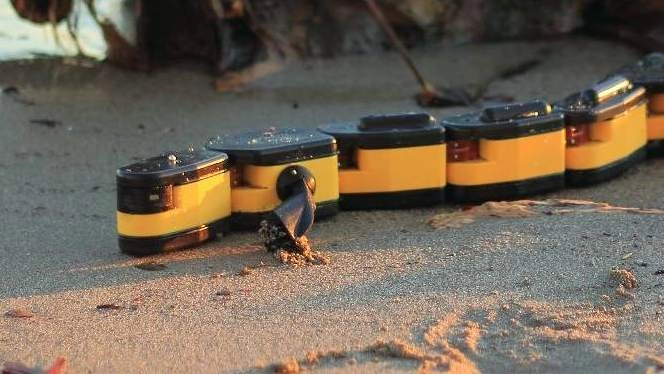
Sensor Fusion Redefined
Engineering advances in AmphiBot IV center on per-segment waterproofing and custom PIC microcontrollers running C code, now ROS-compatible for EPFL lab integrations. Torque-limiting current sensors prevent jams during obstacle encounters, paired with ultrasonic and infrared detectors for proactive avoidance. These upgrades, refined through 2025 simulations, ensure the bot withstands harsh aquatic pressures, delivering consistent performance that earlier versions like AmphiBot II could only approximate in controlled settings.
Pollution Hunts Transform
Beyond lakes, AmphiBot IV supports amphibious exploration in flooded ruins and vertebrate locomotion studies, but its core strength shines in pollution hotspots. Deployments in Lake Geneva trials this quarter sampled microplastics and heavy metals, feeding data to regulatory models for faster response. Researchers note its payload of chemical and biological sensors enables on-site analysis, reducing lab turnaround from days to hours and empowering proactive cleanup strategies in vulnerable ecosystems.
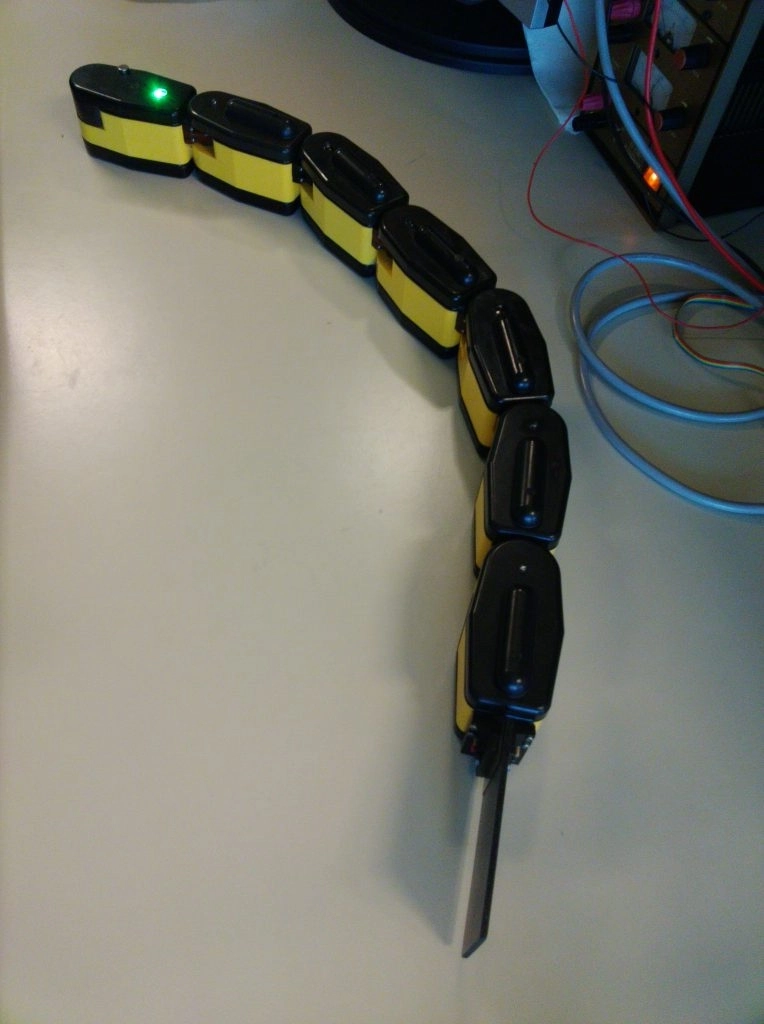
Specs Fuel Endurance
AmphiBot IV's 77.2 cm length assembles from 9.4 cm segments (5.5 cm x 3.7 cm cross-section), weighing 1.1 kg for a seven-unit chain, lightweight enough for easy lake launches yet robust for submersion. It swims at 0.4 m/s (1.4 km/h) and crawls at 0.04 m/s (0.14 km/h), with Li-Ion cells offering 3-5 year lifespans and two-hour runtime per charge. Leak detectors, encoders, and pollution sensors per segment, plus CPG navigation and safety torque limits, enable uninterrupted water analysis in dynamic environments.
Sources
Related Articles
Hyundai Advances MobED Toward Korea Commercialization
DelFly Nimble Achieves 90% Maneuver Accuracy in 2026 Flight Tests
Magnecko Conquers Disaster Sites in ARCHE 2025 Trials
Mi-Mo Developer Kit Opens Waitlist for AI Robot Customization
Learn More About This Robot
Discover detailed specifications, reviews, and comparisons for AmphiBot (Robot Snake).
View Robot Details →