Apptronik Secures $350M Google-Led Funding for Apollo Humanoids
Robot Details
Apollo • ApptronikPublished
January 31, 2026
Reading Time
3 min read
Author
Origin Of Bots Editorial Team
Funding Milestone Unlocked
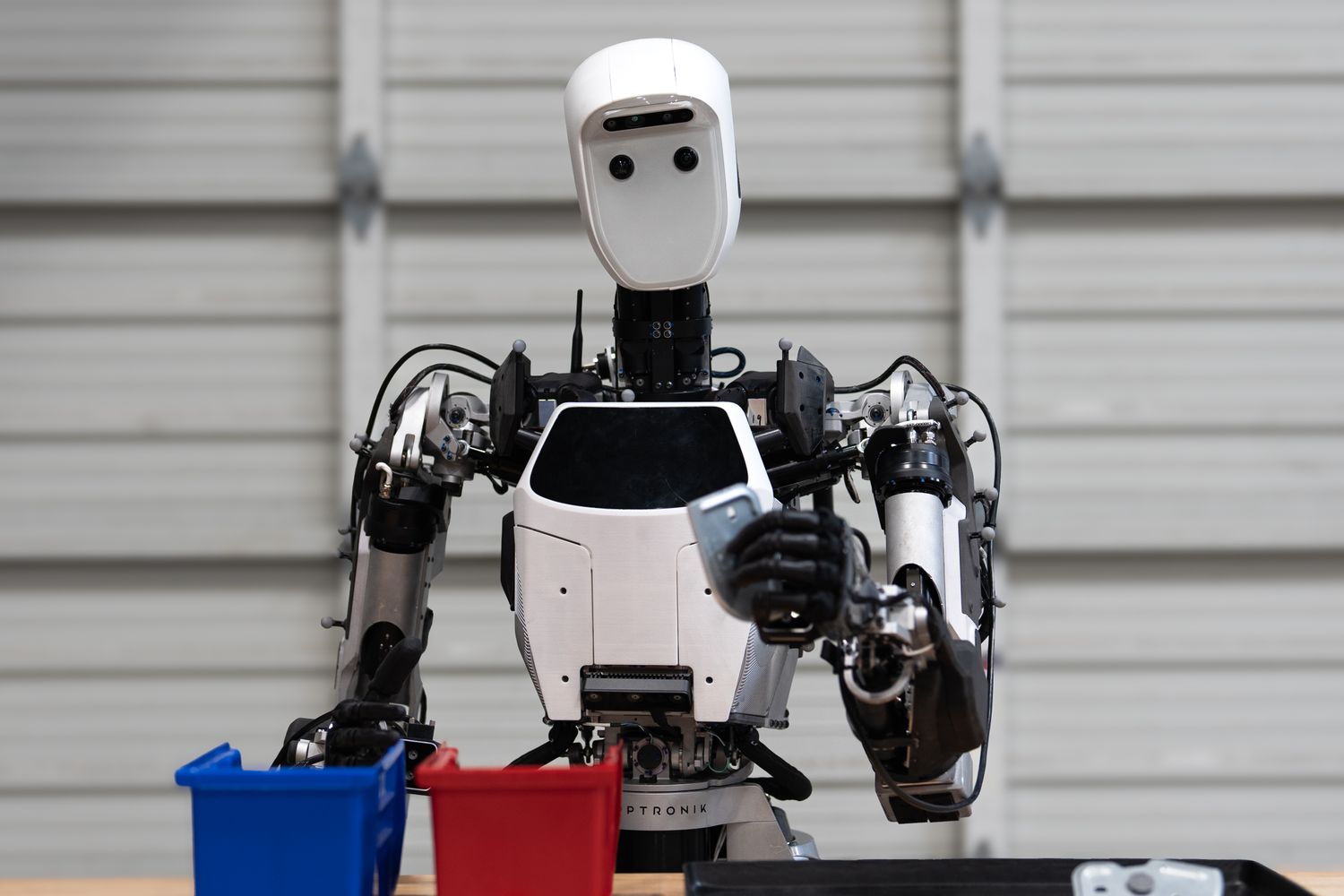
Apptronik just clinched a massive $350 million investment round spearheaded by Google, with participation from heavyweights like Mercedes-Benz and NASA, to turbocharge production of its Apollo humanoid robots. This cash infusion, announced amid surging demand for labor-saving automation, positions the Austin-based firm to scale manufacturing and deploy fleets into real-world operations starting late 2024. Executives hail the deal as a pivotal step toward redefining workforce dynamics, where robots shoulder repetitive, hazardous tasks in human environments. The funding validates Apollo's readiness for commercial rollout, promising to bridge the gap between lab prototypes and factory floors.
Capabilities Redefined
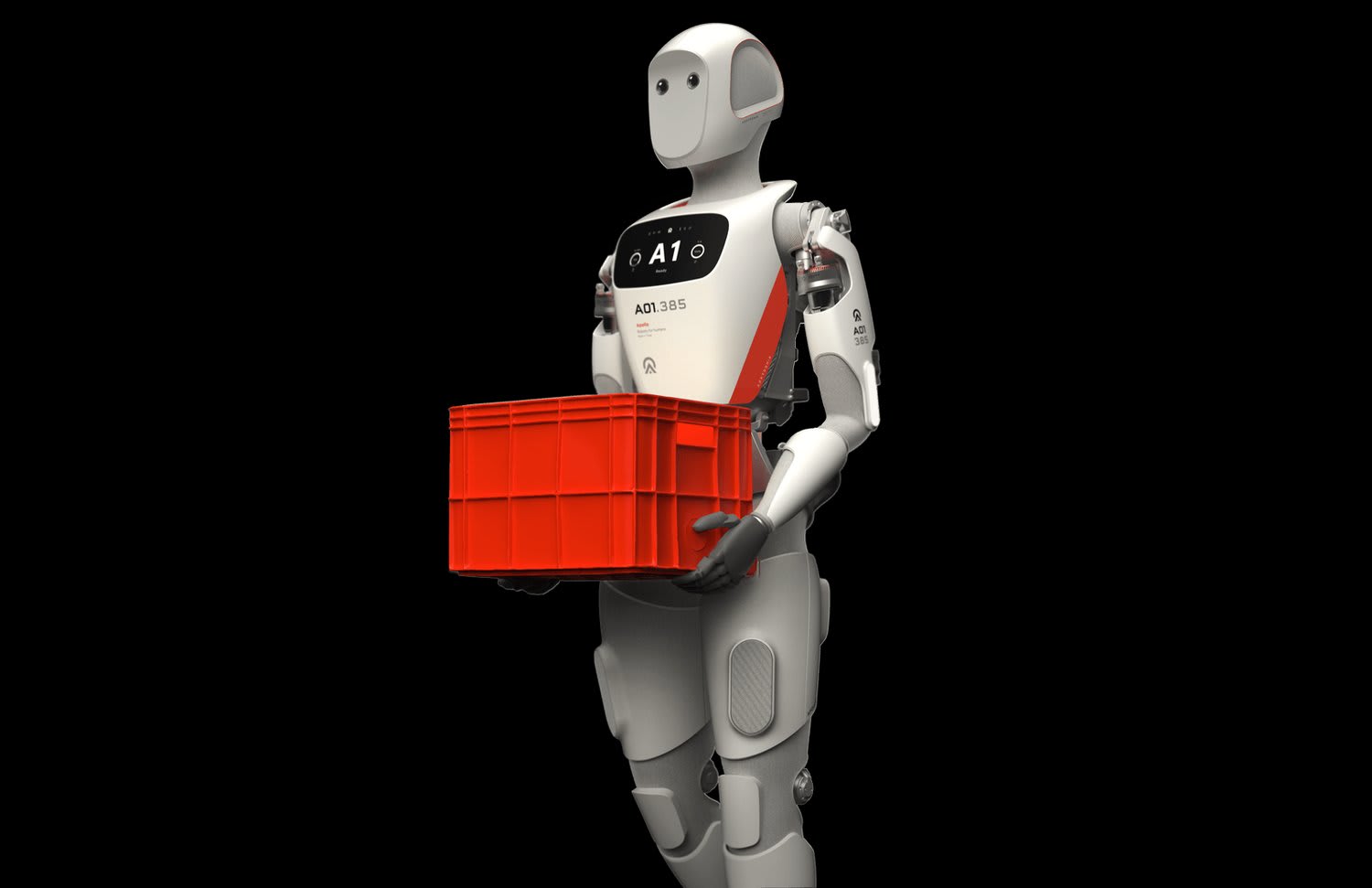
Apollo stands out with its force-control system, enabling seamless adaptation to human coworkers by sensing and responding to unexpected touches or obstacles without halting operations. This innovation fosters natural collaboration, allowing the robot to gently hand off crates or navigate crowded aisles alongside people. Engineers at Apptronik emphasize how this tech evolves beyond rigid programming, empowering Apollo to handle dynamic scenarios like shifting box positions or impromptu path changes. Early pilots demonstrate its knack for gross manipulation, such as stacking totes up to 55 pounds, all while prioritizing intuitive human-robot synergy.
Engineering Leaps Forward
At Apollo's core lies a proprietary linear actuator design spanning 13 generations of refinement, ditching off-the-shelf parts for custom electric motors that slash costs and boost field reliability. This breakthrough supports 29+ degrees of freedom for fluid, human-mimicking motions, from balanced walking to precise grasping. A hot-swappable battery delivers four hours of runtime per charge, extendable via quick exchanges in under five minutes, minimizing downtime in nonstop settings. Safety protocols shine through vision-based slowdowns near humans, emergency curls during falls, and torque-limiting joints, ensuring robust performance in unpredictable warehouses.
Deployment Horizons Expand
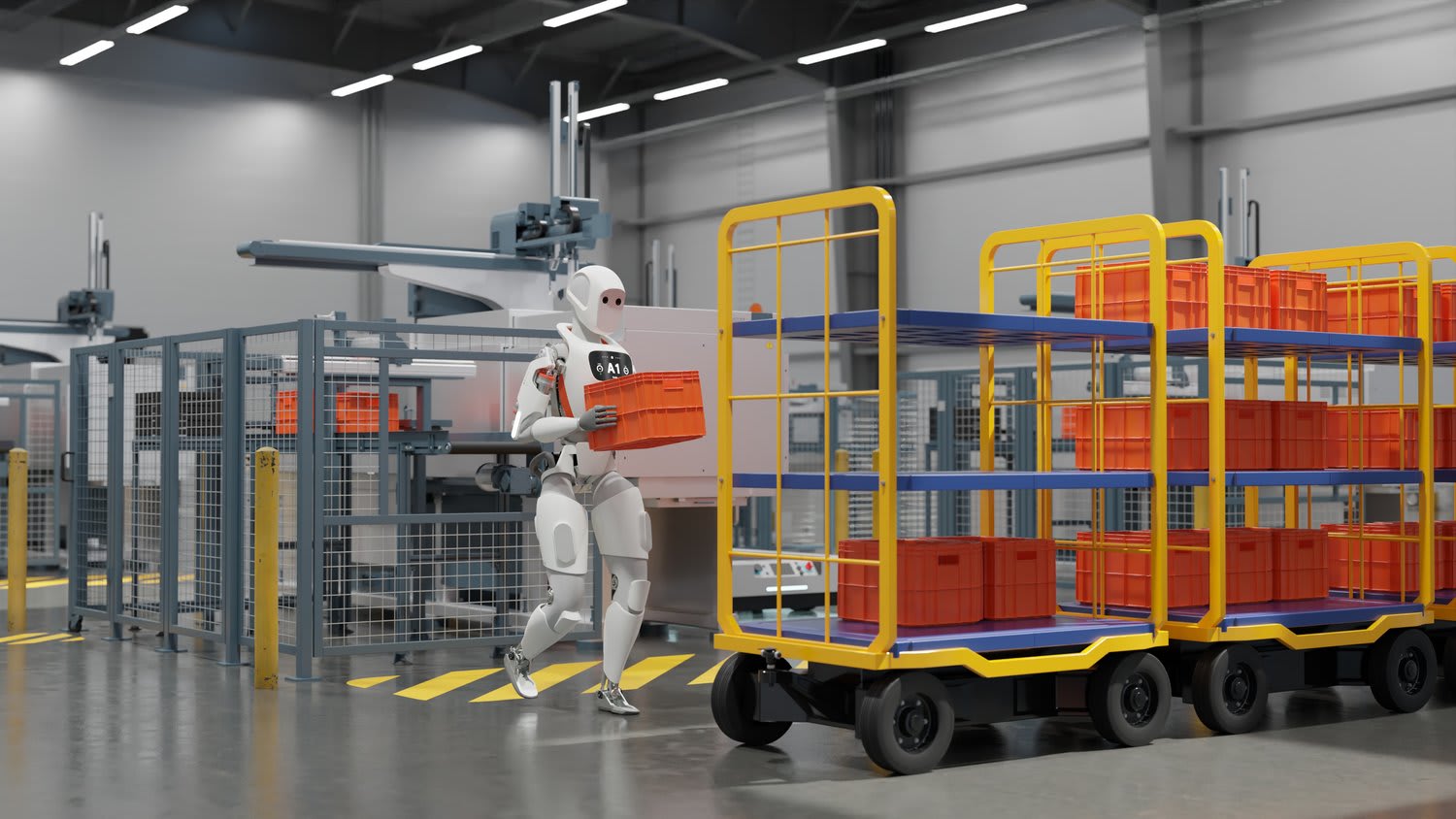
Warehouses top Apollo's debut list, where it tackles box shuttling and tote organization to ease labor shortages, but its versatility stretches to manufacturing assembly lines, logistics sorting hubs, and even eldercare support like fetching supplies. In factories, Apollo integrates into existing human workflows, manipulating tools scaled for average hands. Logistics firms eye it for last-mile handling in tight spaces, while eldercare scenarios leverage its gentle interactions for daily assistance. Apptronik pilots with partners underscore Apollo's potential to transform these sectors by boosting efficiency without overhauling infrastructure.
Skills Power Interactions
Apollo's 1.73-meter height and 72.6-kg frame equip it for deft navigation in human-built spaces, powering legged mobility at 1.5 m/s to keep pace during collaborative shifts. Depth cameras, LiDAR, RGB vision, IMUs, and joint sensors enable precise environmental mapping via SLAM, translating to skillful object recognition and adaptive grasping for goods handling. Force-torque and temperature monitoring underpin safe, nuanced interactions, like yielding to a worker's nudge. Linux-based ROS compatibility and Apptronik APIs facilitate custom skill programming, from warehouse picking to eldercare companionship, while emergency stops and collision avoidance ensure trustworthy human-centric engagements.
Rivals Face-Off
| Robot | Strengths over Apollo | Apollo Advantages | Weaknesses vs. Apollo |
|---|---|---|---|
| T1 Humanoid | Lighter build aids agility in tight spots | Superior 25kg payload for heavy lifts | Less proven force control for collab |
| Unitree G1 | Faster top speeds in open areas | Robust SLAM navigation in clutter | Shorter battery without hot-swap |
| K1 Humanoid | More DoF for fine dexterity | Safer human slowdown via sensors | Bulkier frame limits doorway access |
| Unitree H2 | Cheaper entry price point | Modular design cuts maintenance costs | Inferior payload in gross tasks |
Explore Humanoids
Sources
Related Articles

Hanson Robotics Accelerates Sophia's Widespread Rollout
Ameca Morphs Personalities, Languages in Seconds
Xiaomi Accelerates CyberOne Factory Deployment by 2030
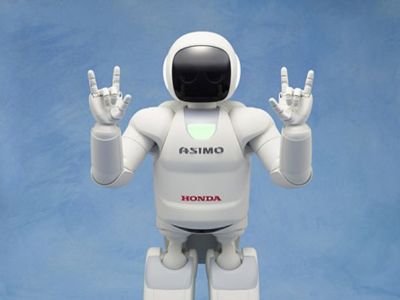
Honda Unveils ASIMO 2.0, Advancing Humanoid Robotics with Enhanced Mobility and Interaction
Related Comparisons
Compare Apollo with similar robots

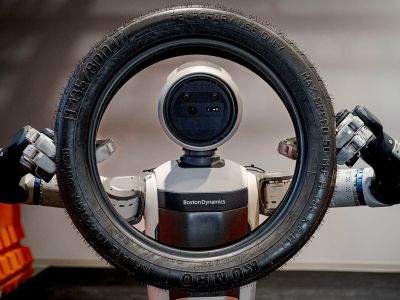
Optimus vs Atlas (Electric Atlas, 2025)
In-depth comparison of Optimus and Atlas (Electric Atlas, 2025), covering hardware capabilities, teleoperation, and enterprise readiness.

Ameca vs Moya
Which humanoid robot is better? Ameca vs Moya compared for dexterity, AI capabilities, and price.
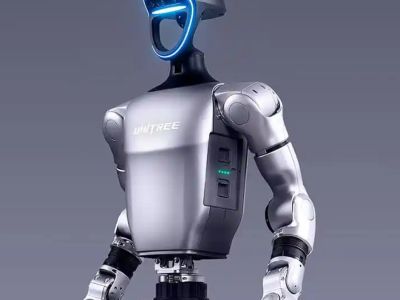
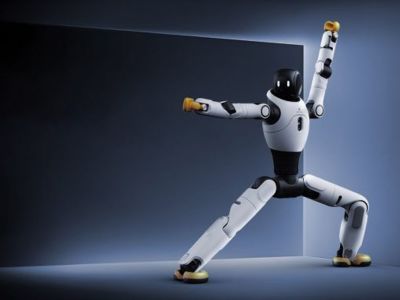
Unitree G1 vs AgiBot X2-N
Compare Unitree G1 vs AgiBot X2 for humanoid mobility, dexterity, autonomy, and payload capacity.
Walker C vs Cruzr S2
In-depth comparison of Walker C and Cruzr S2, covering hardware capabilities, teleoperation, and enterprise readiness.
Learn More About This Robot
Discover detailed specifications, reviews, and comparisons for Apollo.
View Robot Details →