BYD Patents the Look of Its First In-House Humanoid Robot
Robot Details
Xiao Di • BYDPublished
October 9, 2026
Reading Time
5 min read
Author
Origin Of Bots Editorial Team
A Carmaker's Robot Steps Out of the Shadows
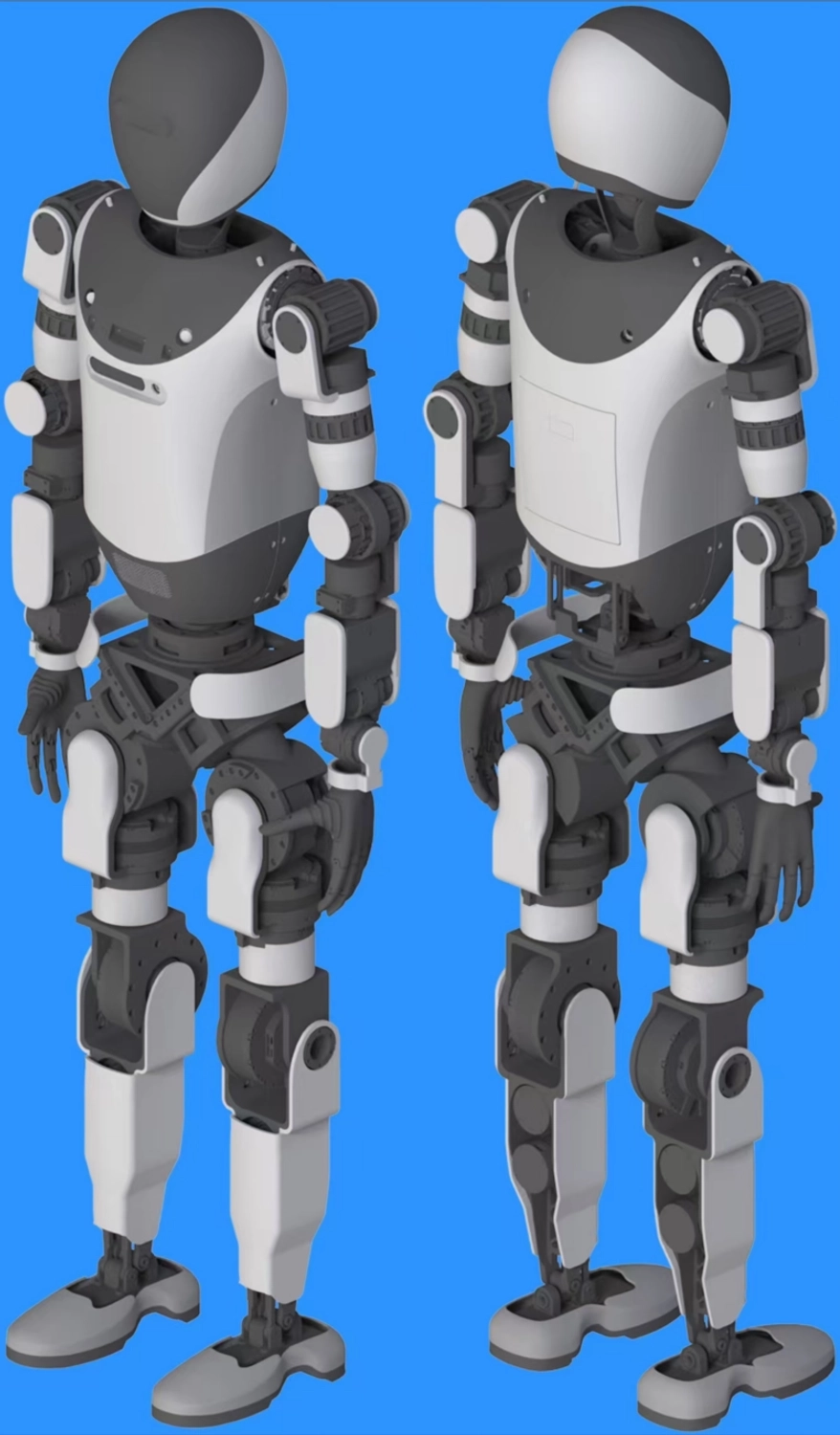
BYD, the Chinese company that sells more electric cars than almost anyone, has given the world its first official look at a humanoid robot of its own design. On October 9, 2026, China's patent office published a design patent owned by BYD for what it calls an Embodied AI Robot.
Why should anyone outside the car industry care? Because BYD builds millions of vehicles a year, and companies with that kind of factory muscle are the ones most likely to make humanoid robots cheap and common. When a manufacturer this large starts filing robot patents, it is a sign the technology is moving from the lab toward the showroom.
What the Patent Drawings Reveal
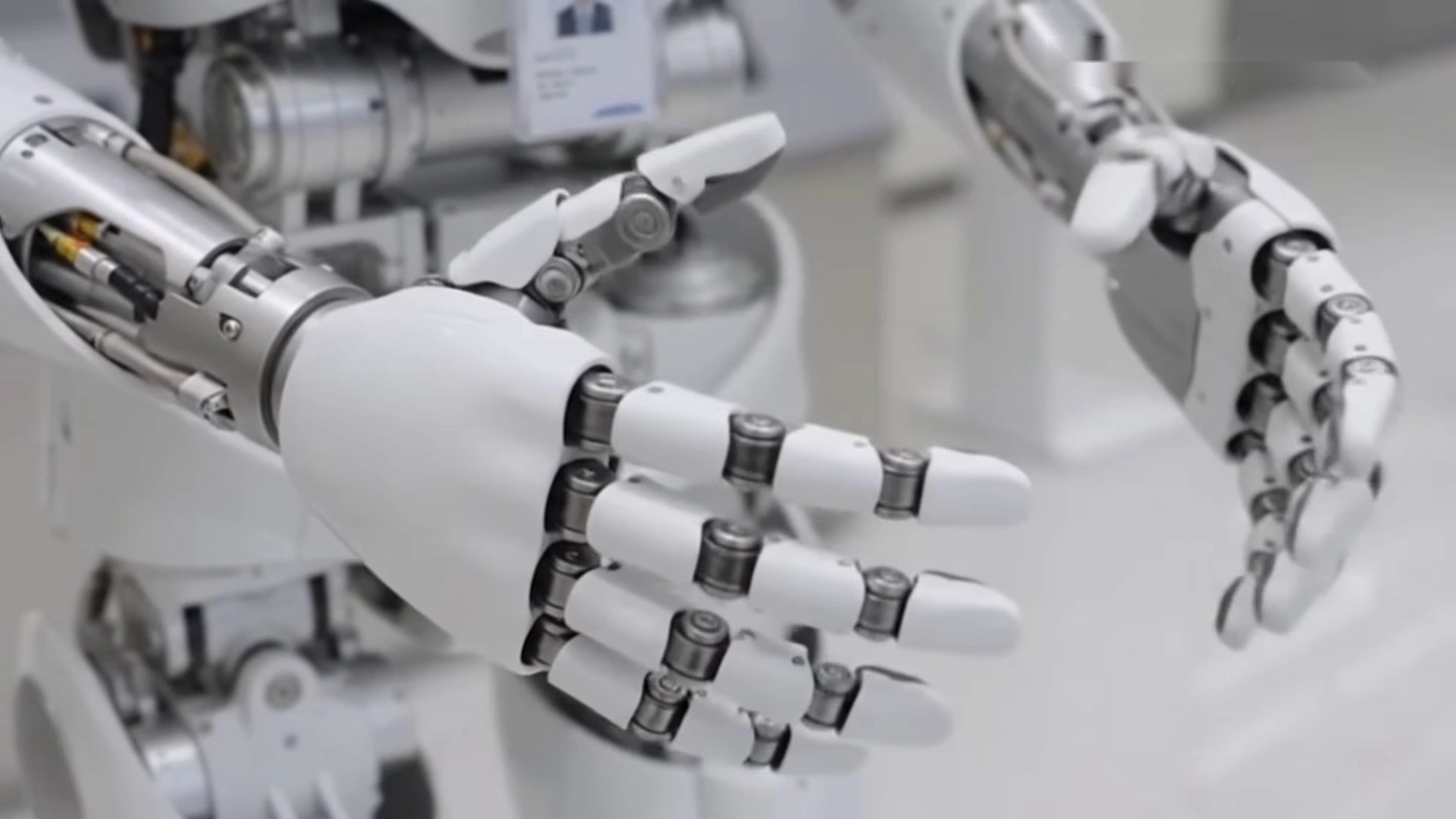
The drawings show a slim, human-shaped machine finished in black and white. Its head is smooth and rounded, with no screen for a face, which sets it apart from many rivals that display cartoon eyes. The torso, arms and legs are broken into many separate joints, hinting at a body built to move freely.
The patent's short description says the robot is meant to walk, keep its balance and interact with the world around it. BYD lists three kinds of work it has in mind: service jobs, education and industrial tasks. Beyond that, the filing stays quiet, because a design patent covers only how a product looks.
Why a Design Patent Is Only a First Glimpse
It helps to know what this document is and is not. A design patent protects the outward shape of a product, the way a trademark protects a logo. It says nothing about the motors, batteries or software inside, and it is no promise that the robot will ever go on sale.
According to Chinese media reports, the patent, numbered CN310247768S, was granted on October 6 and made public three days later. BYD itself has not said which product the drawings belong to, how far along it is, or when anyone will be able to see the robot move in person.
Meet Xiao Di, the Robot Teased in July
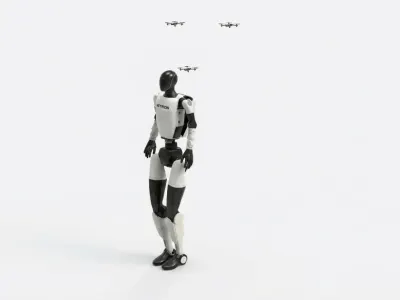
Observers quickly noticed a family resemblance. On July 28, BYD executive vice president He Zhiqi posted a concept poster on social media introducing a humanoid code-named Xiao Di, which roughly means Little Di. The outline in that teaser shares the proportions, limbs and joint layout seen in the new patent.
Earlier disclosures reported by Chinese outlets describe Xiao Di as 1.61 metres tall, a little shorter than an average adult man, and weighing 58.5 kilograms. It is said to have 31 degrees of freedom, meaning 31 separate ways its joints can bend or twist, and hands that can return to the same spot within one millimetre.
A Robot Built to Sell Cars
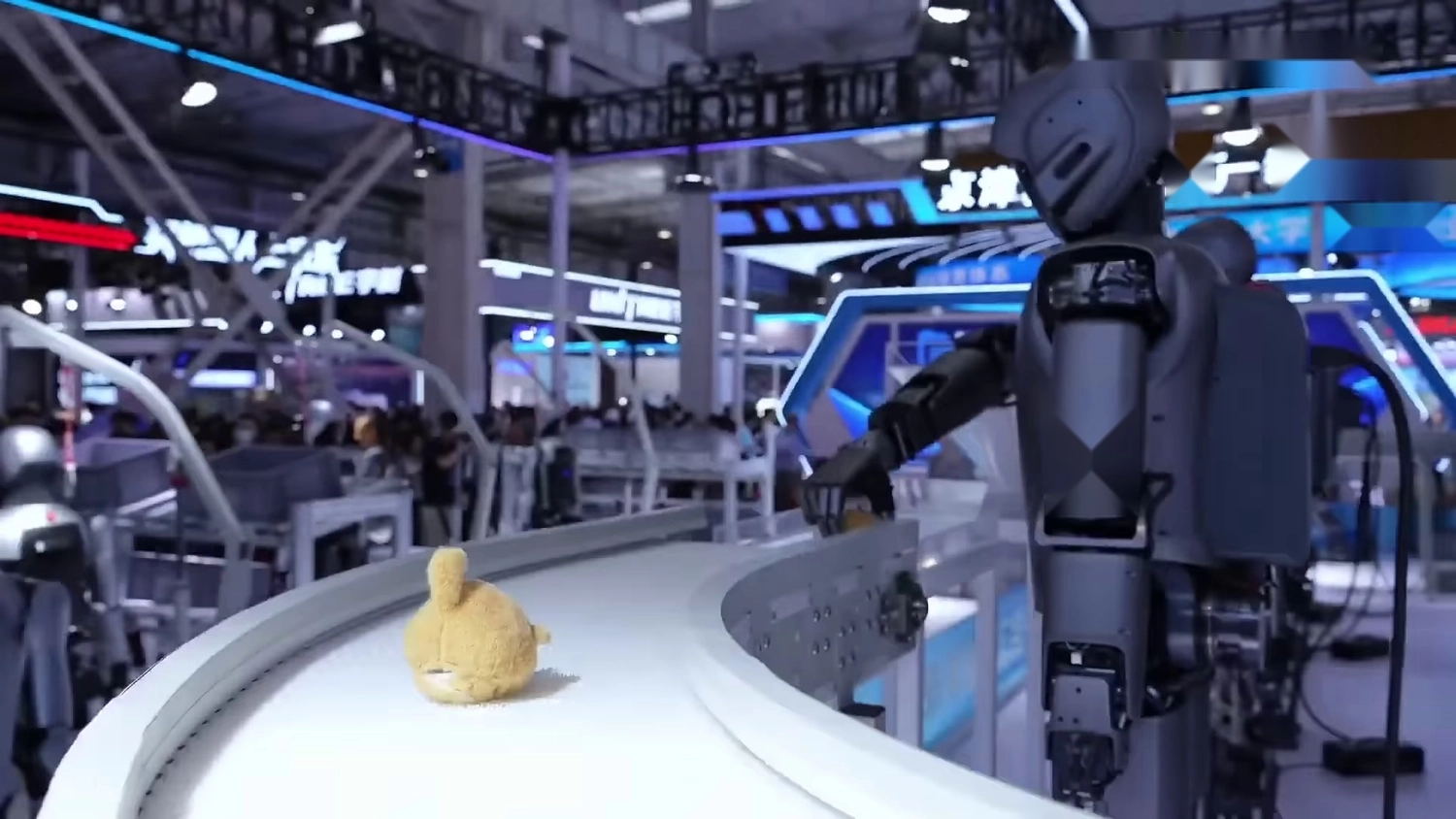
BYD has been unusually open about where it wants its humanoids to work first. Executive vice president Li Ke has said the company plans to place two or three robots in each of its dealerships, where they would greet visitors, explain different car models and demonstrate the screens and controls inside the vehicles.
Li has also floated a bigger idea. If BYD decides its robots are suitable for homes, she said, the company could sell them through the same dealer network that sells its cars, and might even open a platform for robots built with partners. For now, those remain stated ambitions rather than announced products.
Four Years of Quiet Groundwork
The patent did not come out of nowhere. BYD set up a dedicated research team for embodied intelligence, the field of AI that controls physical machines, back in 2022. According to job listings from late 2024, that team had already worked on factory robot arms, collaborative robots, mobile robots and humanoid designs.
BYD has also placed bets on other robot makers. It invested in Agibot, now one of China's biggest humanoid companies, in August 2023, and took a stake in the touch-sensor specialist PaXini in April 2025. It even let UBTech's Walker S1 humanoid practise sorting and carrying parts at a BYD factory in Changsha.
The Questions BYD Has Not Answered
Plenty remains unknown. Chinese reports said Xiao Di was expected to make its public debut in August at a BYD technology centre in Zhengzhou, yet no official launch has followed. The company has not shared a price, production numbers, battery life or any video of the patented robot walking or working.
There is also a fair question about how useful a showroom robot would be. Greeting customers and pointing at features is a modest job compared with factory work, and visitors may still prefer a human salesperson. Until BYD shows the machine in action, judgments about its abilities rest on drawings and a handful of specs.
What Comes Next
The most telling next step will be a live demonstration. If BYD unveils Xiao Di or a sibling in public, watch for whether it walks steadily on its own, how naturally it talks with people, and whether the company names a date for dealerships to receive the first units.
Whatever the timeline, the filing confirms that one of the world's largest manufacturers now treats humanoid robots as a product line worth protecting. In an industry where cost has been the biggest barrier, a company that knows how to build cars by the million entering the race is news in itself.
Explore Humanoids
Sources
Related Comparisons
Compare Xiao Di with similar robots

Optimus vs Unitree G1
Compare Optimus vs Unitree G1 for humanoid mobility, dexterity, autonomy, and payload capacity.
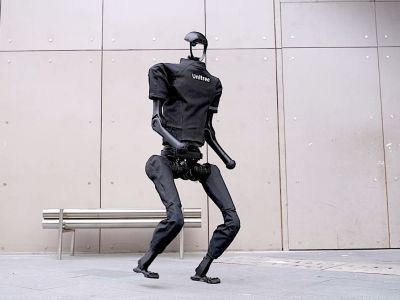
Unitree G1 vs Unitree H1
Head-to-head: Unitree G1 vs Unitree H1 compared on bipedal balance, AI learning, and real-world deployment.
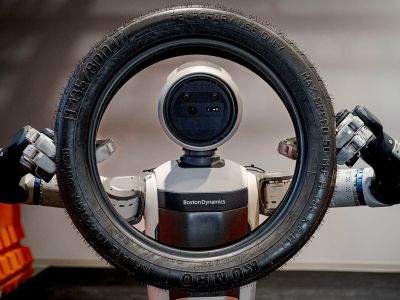
Optimus vs Atlas (Electric 2025)
In-depth comparison of Optimus and Atlas (Electric Atlas, 2025), covering hardware capabilities, teleoperation, and enterprise readiness.
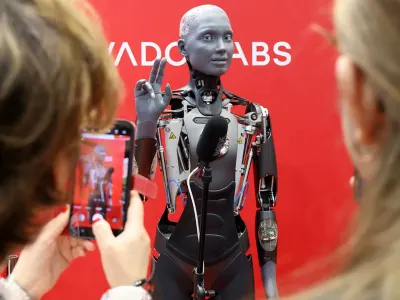
Ameca vs Moya
Which humanoid robot is better? Ameca vs Moya compared for dexterity, AI capabilities, and price.
Learn More About This Robot
Discover detailed specifications, reviews, and comparisons for Xiao Di.
View Robot Details →