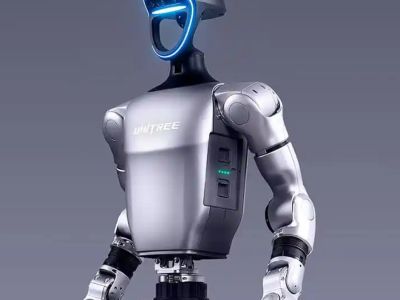
China's Sprinting Humanoid Champions Pivot from Athletic Spectacle to Industrial Factory Floors
Category
humanoidPublished
September 10, 2026
Reading Time
3 min read
Author
Origin Of Bots Editorial Team
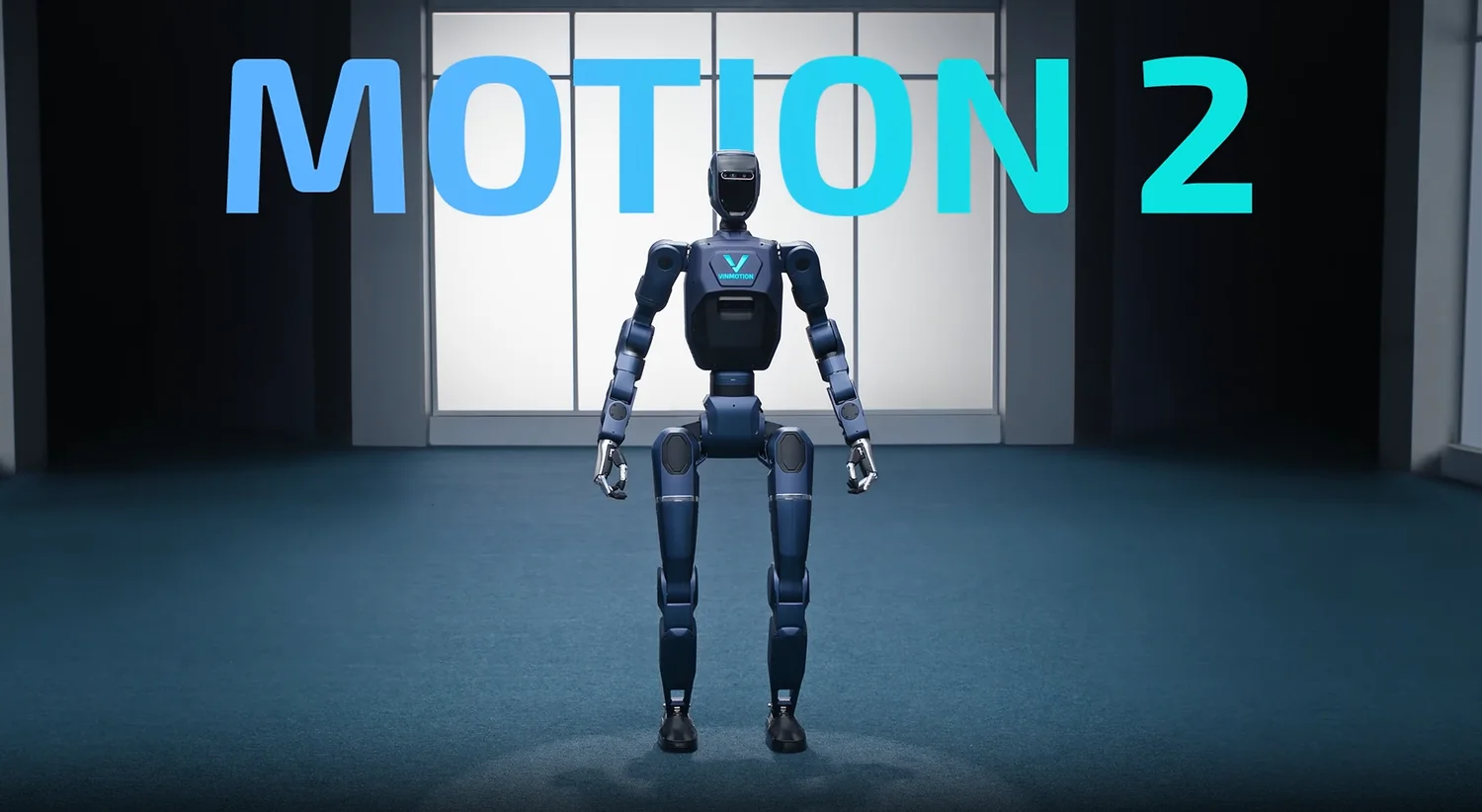
The High-Speed Athletic Breakthroughs of Beijing
At the World Humanoid Robot Games in Beijing, bipedal humanoid robots stunned international spectators by demonstrating unprecedented athletic locomotion. Flagship platforms such as the state-backed TianGong Ultra and MirrorMe's 'Bolt' shattered mechanical records, with Bolt clocking sustained sprint velocities of 10 meters per second on outdoor tracks.
These high-speed milestones proved that dynamic balance, high-frequency torque control, and biomorphic foot placement have finally surpassed human physical benchmarks. However, with the stadium applause fading, robotics developers face urgent pressure from investors to prove that athletic prowess translates into economic value.
Repurposing Sprint Actuators for Heavy Factory Duty
An exclusive Reuters investigation revealed that the National & Local Co-Built Humanoid Robot Innovation Center has begun repurposing these high-output powertrains. The ultra-responsive quasi-direct drive actuators engineered for explosive track sprinting are being adapted into high-torque joints for industrial material handling.
In factory settings, the identical mechanical qualities that prevent a speeding robot from tumbling over gravel enable it to absorb sudden industrial impacts. When carrying 25-kilogram metal castings across uneven warehouse ramps, the robot's high-bandwidth torque loops instantly counteract mechanical jolts.
Transitioning Algorithms from Straight Tracks to Complex Obstacles
Translating straight-line sprinting into cramped manufacturing aisles requires an overhaul of the underlying reinforcement learning navigation policies. On the track, algorithms optimized purely for forward velocity; inside active industrial plants, they must execute agile evasive maneuvers around moving forklifts.
Engineers are retraining foundation locomotion models using multimodal vision-language inputs paired with depth-sensing lidar. This algorithmic shift enables humanoids to dynamically adjust stride lengths and step frequencies while navigating cluttered factory floors without breaking stride.
Pilot Deployments Across Power Grids and Logistics Hubs
Early commercial field trials are already underway across Chinese electrical substations, municipal utility tunnels, and parcel sorting depots. Equipped with specialized thermal imaging cameras and tactile gripper hands, humanoids traverse steep outdoor gravel paths to inspect high-voltage switchgear.
Their human-like physical footprint allows them to climb vertical access ladders and negotiate narrow catwalks inaccessible to traditional wheeled rovers. Replacing human inspection crews in hazardous, high-voltage environments provides an immediate reduction in workplace accidents and operational overhead.
Addressing Battery Run-Time and Thermal Dissipation Constraints
Despite notable locomotion agility, deploying sprinting-class actuators in continuous factory operations introduces formidable thermal bottlenecks. Generating high joint torques continuously causes motor windings to saturate thermally, limiting operational runtimes to roughly two hours per battery charge.
To solve this endurance limit, engineering teams are integrating active liquid cooling jackets directly into actuator housings while adopting solid-state battery cells. These thermal and energy enhancements aim to extend continuous duty cycles to full eight-hour shifts, matching standard industrial work schedules.
Navigating Market Volatility and IPO Regulatory Scrutiny
The rush to commercialize athletic humanoids occurs against a backdrop of tightening financial oversight and regulatory caution in Chinese capital markets. Following volatile market debuts by domestic robotics pioneers like Unitree, state regulators have placed stricter scrutiny on early-stage robotics initial public offerings.
Regulators and institutional investors are demanding audited commercial order books and proven manufacturing revenue before granting listing approvals. This financial discipline is forcing robotics founders to prioritize pragmatic factory floor utility over viral internet video demonstrations.
Forging the Industrial Workhorses of the Physical AI Era
The pivot of China’s sprinting humanoid champions demonstrates that the embodied artificial intelligence sector is maturing past its theatrical infancy. By channeling the extreme kinetic breakthroughs of competitive athletics into pragmatic manufacturing tasks, developers are building true industrial workhorses.
As these agile machines take up permanent positions alongside human workers in factories and utility yards, the nature of physical labor is being redefined. The speed records set on running tracks have laid the technical foundation for an automated industrial revolution that is only just beginning.
Sources
Related Articles
Unitree’s H2 pushes humanoids toward teleoperation-first service work
Unitree’s Superman humanoid puts speed first as China’s robotics race accelerates
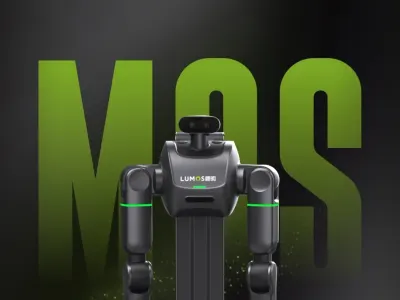
Lumos Robotics positions MOS 2 as a factory-ready humanoid built for teleoperation and heavy handling