Decommissioning Humanoid Fleets: How the 'Magnet Paradox' and Reverse Logistics Threaten the Embodied AI Lifecycle
Robot Details
Robotics & AI News • OriginOfBotsPublished
September 20, 2026
Reading Time
4 min read
Author
Origin Of Bots Editorial Team
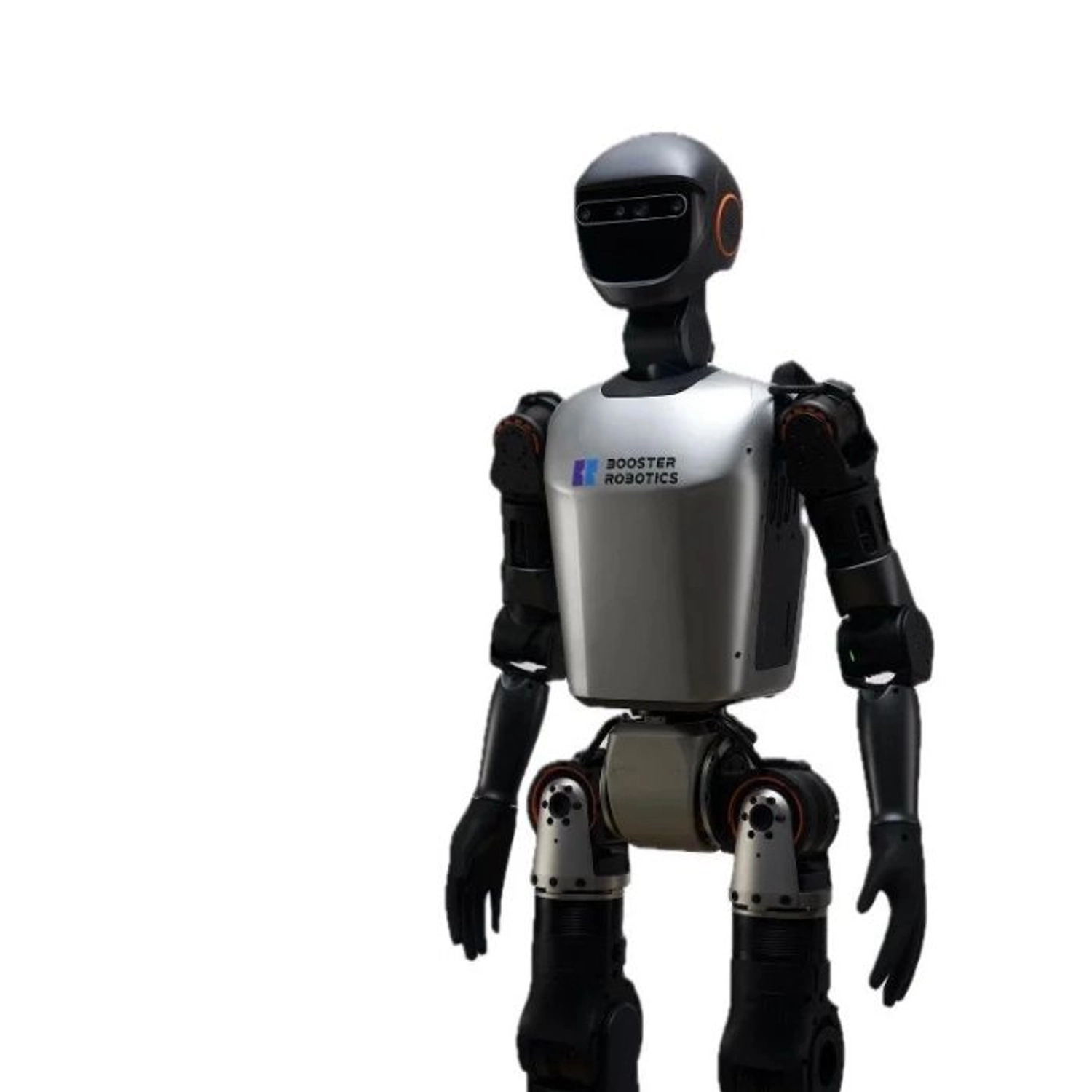
The Looming Multi-Billion-Dollar Decommissioning Dilemma
As global robotics manufacturers accelerate toward mass production, an urgent multi-billion-dollar operational crisis is quietly taking shape. While executive briefings celebrate high-volume assembly lines and novel motor designs, virtually no corporate attention has been paid to retirement logistics. Humanoid bipeds consist of ten to fifteen thousand intricate components, creating unprecedented mechanical complexity that defies traditional scrapping practices.
Decommissioning a damaged or retired humanoid cannot be handled through standard industrial vehicle shredding or municipal electronic waste disposal. Instead, the end-of-life processing of bipedal machines represents a hazardous, highly technical endeavor requiring specialized disassembly protocols. Without scalable reverse logistics infrastructure, the rapid proliferation of humanoid robots risks precipitating a severe environmental and economic bottleneck.
High Architectural Density: Kinematic Skeletons and Sensor Nervous Systems
To understand the difficulty of recycling a humanoid robot, one must examine the extraordinary density of its internal subassemblies. A standard production humanoid integrates up to five hundred major subsystems divided into four tightly interconnected mechatronic architectures. Its structural skeleton combines thirty to fifty aerospace-grade elements forged from lightweight aluminum alloys, carbon fiber composites, and titanium.
These rigid structural elements are held together by thousands of specialized precision fasteners, high-tolerance bolts, and structural adhesive bonds. Weaved throughout this frame is an artificial nervous system comprising dozens of optical encoders, tactile sensors, cameras, and miles of internal cabling. This intense physical consolidation makes non-destructive disassembly extraordinarily laborious, requiring hours of manual work for every decommissioned chassis.
The Kinetic Data Breach: Corporate Espionage in Retired Hardware
Beyond physical recycling complexities, decommissioned humanoid robots pose catastrophic cybersecurity and corporate espionage liabilities. Every operational humanoid functions as an omnipresent enterprise surveillance platform, constantly logging its surroundings to navigate and manipulate objects. Its onboard flash memory and high-capacity storage drives harbor proprietary facility blueprints, classified manufacturing workflows, and high-resolution biometric recordings.
If retired hardware is resold, refurbished, or scrapped without verified cryptographic erasure, highly sensitive corporate intelligence becomes vulnerable to theft. Standard electronic sanitization methods frequently fail to overwrite localized flash registers embedded within remote joint microcontroller units. Specialized recycling centers must therefore perform certified physical destruction or military-grade cryptographic purging on dozens of independent silicon assets.
Volatile Stored Energy and Trapped Hydraulic Pressures
The physical decommissioning process presents acute life-safety hazards to recycling technicians managing damaged or end-of-life robot inventory. High-voltage lithium-ion and lithium-polymer battery packs integrated within robot torsos present catastrophic risks of thermal runaway if crushed or punctured. Processing these high-capacity energy reservoirs requires specialized chemical facilities capable of inertly reducing damaged cells into recyclable black mass.
Furthermore, robots employing hydraulic or closed pneumatic counterbalancing systems retain extreme mechanical pressures long after the electrical grid is severed. Careless disassembly of high-pressure accumulator cylinders can transform heavy steel fittings into lethal, high-velocity projectile weapons. Technicians must be rigorously trained in ordnance-grade depressurization techniques to neutralize stored mechanical energy before unbolting structural joints.
The Rare-Earth Magnet Paradox: A Surgical Recycling Bottleneck
The single most formidable physical hurdle in humanoid decommissioning is an engineering dilemma known as the rare-earth magnet paradox. A single advanced humanoid robot contains between three and a half to four kilograms of high-grade neodymium iron boron permanent magnets. This concentration of rare-earth metals far exceeds the magnetic volume found in an entire full-sized electric vehicle skateboard chassis.
Standard industrial recycling facilities depend upon industrial shredders to pulverize metal waste into bulk sorting streams. However, shredding a humanoid robot magnetically fuses fragmented neodymium dust to shredded aluminum, titanium, and carbon fiber scrap. This catastrophic cross-contamination ruins the entire batch, rendering both the precious rare earths and the structural alloys commercially useless.
Severe Physical Hazards of Manual Magnet Extraction
Because automated crushing destroys material value, recycling facilities must rely on skilled human technicians to surgically extract motor magnets. This manual extraction work is exceptionally dangerous, as powerful permanent magnets exert tremendous attraction forces when freed from motor housings. Technicians face severe pinch and bone-crushing injuries, while brittle neodymium fragments frequently shatter into high-velocity flying shrapnel.
Compounding this physical risk, exposed neodymium dust oxidizes rapidly upon contact with ambient humidity and atmospheric oxygen. This oxidation process produces toxic, corrosive airborne particulates and presents spontaneous combustible dust fire hazards inside recycling workshops. Human-in-the-loop disassembly thus incurs immense labor costs, protective equipment expenditures, and insurance premiums that destroy recycling margins.
The Imperative for Design for Recycling Standards
The current practice of building humanoid robots as sealed, adhesive-bonded monolithic structures is commercially and ecologically unsustainable. Industry thought leaders and specialized recycling pioneers like Re-Teck are urging original equipment manufacturers to adopt Design for Recycling principles. Future bipedal robots must eliminate permanent industrial adhesives in favor of standardized quick-release fasteners and modular joint cartridges.
Standardizing mechanical decoupling interfaces will allow automated robotic workstations to disassemble retiring humanoid units safely and efficiently. Recovering pristine rare-earth elements, lightweight alloys, and undamaged servo motors will create a viable circular economy for physical automation. Unless the robotics sector builds sustainable reverse logistics into initial product architecture, the humanoid revolution will drown in its own mechanical waste.
Related Articles

International Broadcasters Spotlight Viral Milestone of Humanoid Robot Autonomously Walking Off Assembly Line

Samsung Begins Prototype 2nm AI5 Chip Fabrication for Tesla FSD and Optimus Humanoid Robots

ETH Zurich Unveils 'Fingers as Legs': Anthropomorphic Hands Master Untethered Locomotion and Mobile Manipulation
Spirit AI Forecasts General-Purpose Humanoid Robot Brains Poised for a 'ChatGPT-Style' Inflection by 2027
Learn More About This Robot
Discover detailed specifications, reviews, and comparisons for Robotics & AI News.
View Robot Details →