Figure 02 Advances Humanoid Robotics Frontier
Robot Details
Figure 02 • Figure AIPublished
November 30, 2025
Reading Time
3 min read
Author
Origin Of Bots
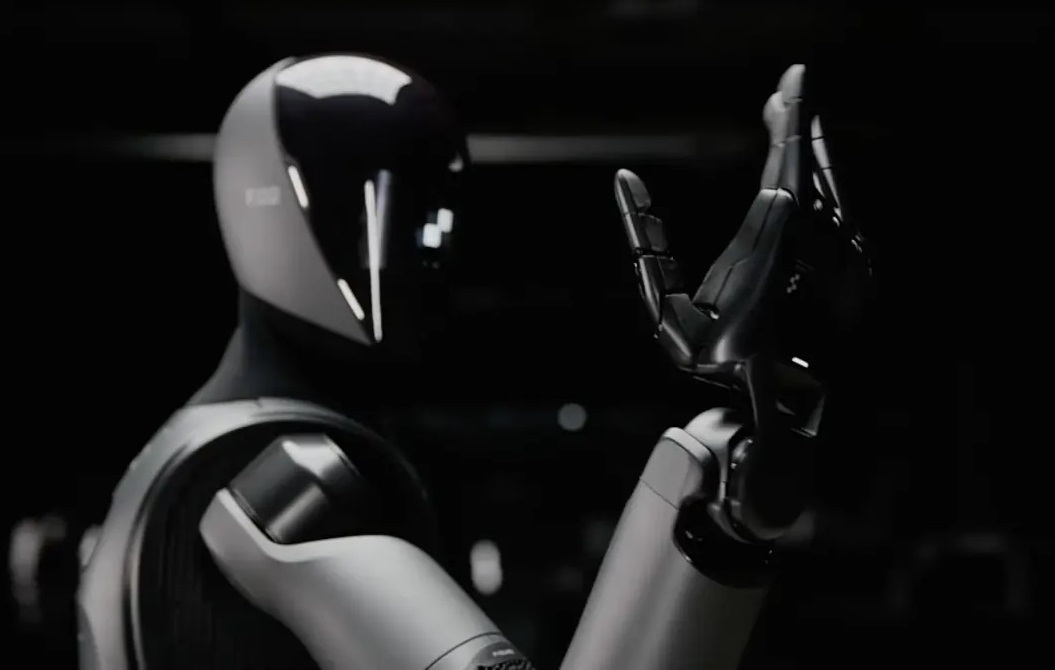
Next-Gen Humanoid Emerges
Figure 02 by Figure AI represents a major leap in humanoid robotics, designed to operate autonomously in human-centric environments with impressive dexterity and intelligence. As the company’s second-generation model, it builds on prior innovations to deliver enhanced real-world functionality, aiming to bridge the gap between experimental robots and practical industrial use. With its human-scale form and AI-driven capabilities, Figure 02 symbolizes a new era where robots can assist in complex tasks alongside people, addressing labor shortages and elevating automation potential across multiple sectors.
Versatile Capabilities Unveiled
The Figure 02 humanoid excels in mobility, manipulation, and interactive intelligence. It can walk at speeds up to 4.32 km/h while carrying payloads up to 25 kg, making it suitable for logistics and manufacturing tasks. Its five-fingered hands with 16 degrees of freedom enable it to grasp and manipulate a wide range of objects precisely. Coupled with voice command integration and conversational AI, it can understand and respond to instructions, making it a versatile assistant for industrial automation, warehousing, and beyond.
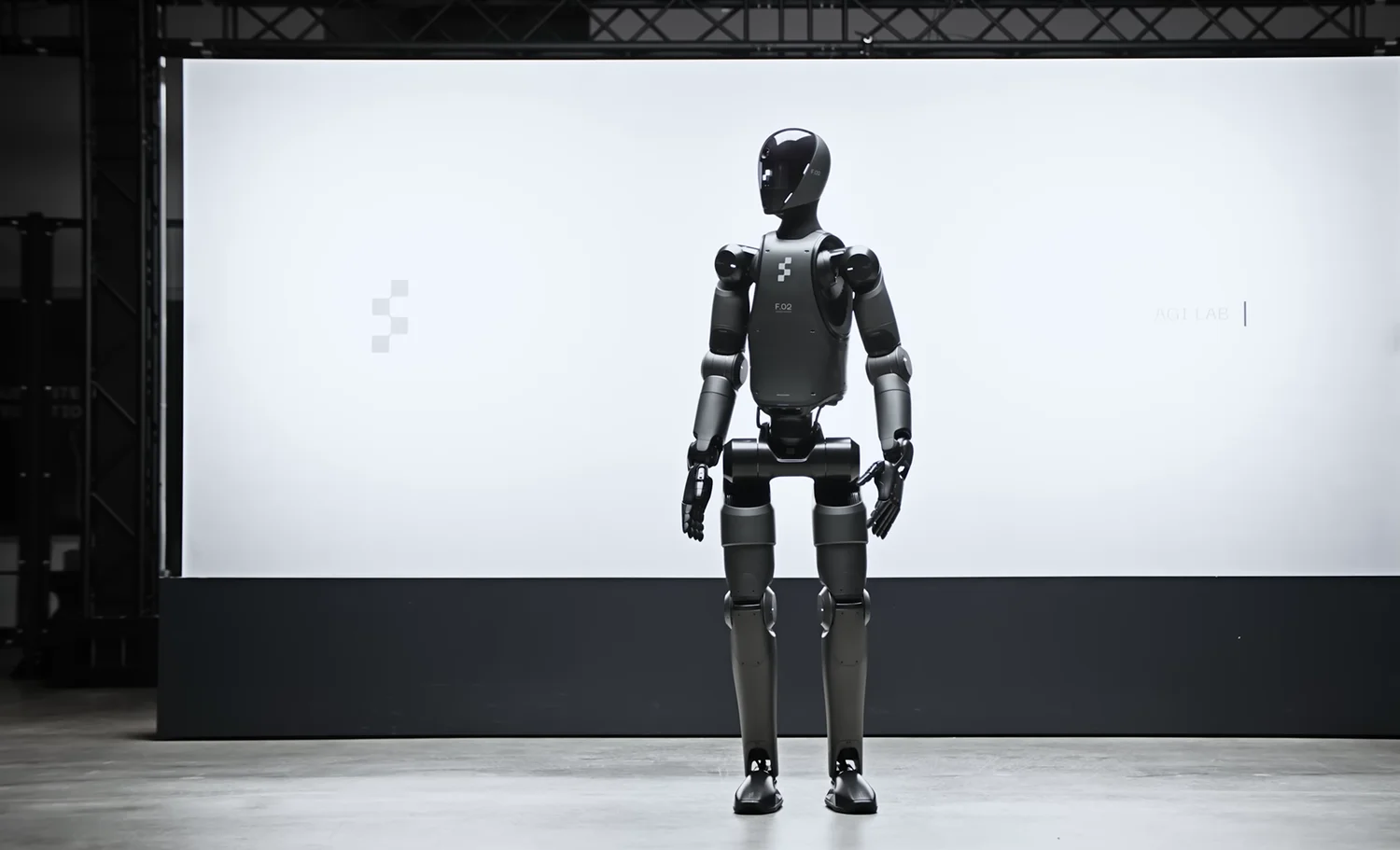
Cutting-Edge Technology Inside
Powered by dual NVIDIA RTX GPU modules, Figure 02 boasts three times the computational power of its predecessor, enabling robust AI inference and real-time decision-making. Its sensory suite includes six RGB cameras, IMU, gyroscope, force sensors, and a touchless human detection sensor, facilitating advanced situational awareness. The robot uses vision-based SLAM (Simultaneous Localization and Mapping) for navigation, guided by onboard cameras and supported by a custom Linux-based operating system with ROS-style APIs, allowing seamless integration with existing automation systems.
Industrial Impact and Use Cases
Figure 02 is poised to reshape industries by addressing critical labor gaps in manufacturing, logistics, and warehousing. Its ability to autonomously navigate complex environments and handle heavy payloads makes it ideal for repetitive or hazardous tasks. Already tested in automotive production lines, the robot’s adaptability translates into safer workplaces and increased operational efficiency. Its deployment could accelerate the adoption of humanoid robots in sectors traditionally dependent on human labor, marking a shift toward hybrid human-robot workflows.
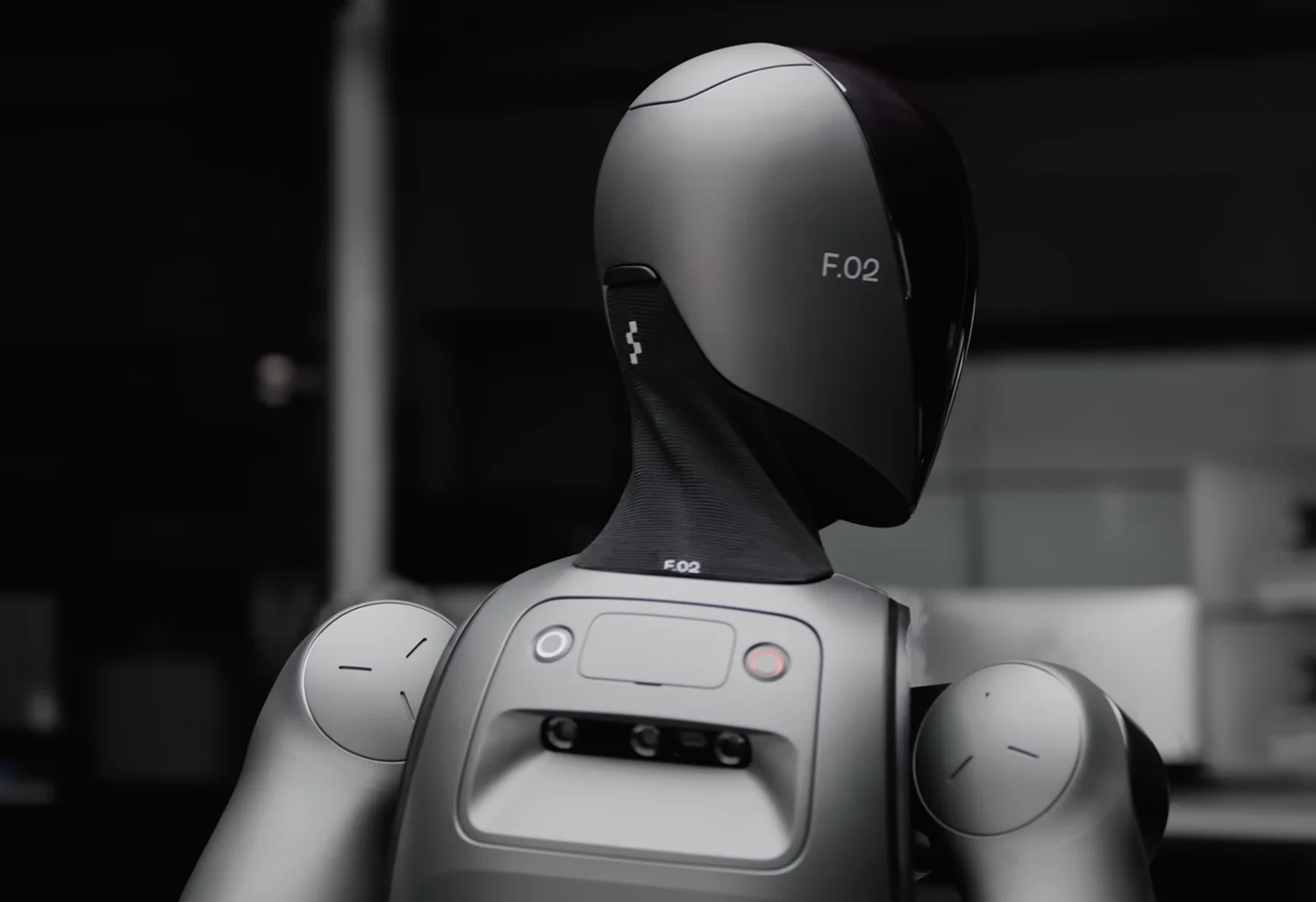
Detailed Specs and Features
The robot measures approximately 168 cm tall, 50 cm wide, and 30 cm deep, weighing 70 kg. It moves on bipedal legs at a steady pace of 1.2 m/s (4.32 km/h), carrying up to 25 kg of cargo. Sensory inputs include six RGB cameras, an IMU, gyroscope, force sensors, and a touchless sensor that detects humans nearby for safety. Navigation relies on vision-based SLAM using onboard cameras. Safety is enhanced by emergency stop functions, collision detection, and compliant actuators. Its software runs on a custom Linux OS with ROS-style APIs, enabling developers to tailor its functions for diverse industrial tasks.
Standing Among Competitors
Compared to similar humanoids like Phoenix, RB-Y1, Apollo, and Forerunner K2, Figure 02 stands out with its superior computational power and advanced sensory array, particularly the six RGB cameras and vision-based SLAM system. Its payload capacity of 25 kg surpasses many rivals, enhancing its utility for industrial tasks. However, its weight at 70 kg and speed of 4.32 km/h are moderate, with some competitors offering lighter frames or faster locomotion. Its custom Linux OS with ROS-style APIs offers developers flexibility, though market adoption will depend on integration ease and cost-effectiveness relative to these alternatives.
Future Horizons Bright
Looking ahead, Figure 02 is a critical milestone toward fully autonomous humanoid robots capable of learning and collaborating with humans in dynamic environments. Continued advancements in AI, sensory technology, and mechanical design will likely enhance its abilities and reduce costs. As Figure AI prepares for broader commercial deployment, the robot could profoundly impact workforce dynamics, enabling safer, more efficient automation. Its success will influence the trajectory of humanoid robotics, pushing the industry closer to realizing robots as everyday industrial partners.
Explore Humanoids
Related Articles
XMAN-F1 Partners Johnnie Walker, M104 for AI Bartending Breakthrough
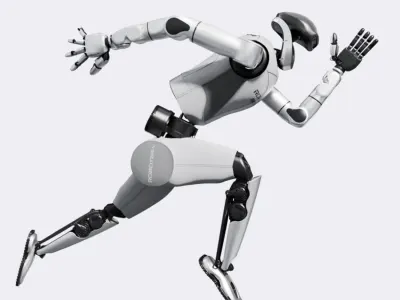
RobotEra L7 Racing Into Warehouses: 14.4 km/h Humanoid Cuts Picking Costs with ERA‑42 Deal

Clone’s Protoclone V1 Mirrors Human Muscles with 1,000 Myofibers, 500 Sensors
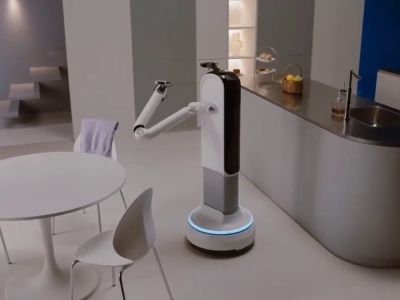
Samsung Bot Handy 2 Integrates Google Gemini, Boosts Dexterity with 3kg Dual-Arm Grip
Related Comparisons
Compare Figure 02 with similar robots
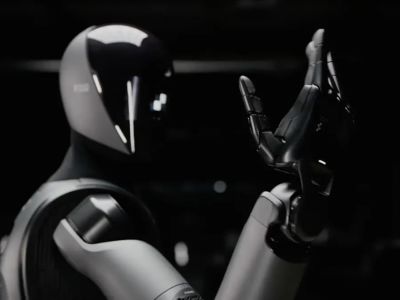

Figure 02 vs Alpha
Compare Figure 02 and Alpha. Detailed analysis of sensors, navigation, battery, speed, and AI capabilities.
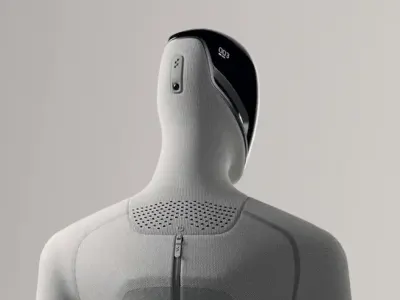
Figure 02 vs Figure 03
Compare Figure 02 and Figure 03 humanoid robots on design, AI, sensors, battery life, and pricing for industrial vs home use.

Optimus vs Figure 02
Compare Tesla Optimus and Figure AI's Figure 02 humanoid robots on specs, AI, mobility, price, and use-case suitability.
Figure 03 vs Optimus Gen 3
In-depth comparison of Figure 03 and Optimus Gen 3, covering hardware capabilities, teleoperation, and enterprise readiness.
Learn More About This Robot
Discover detailed specifications, reviews, and comparisons for Figure 02.
View Robot Details →