Genesis AI Raises $500M Series A for Its Eno Humanoid
Robot Details
Eno • Genesis AIPublished
November 20, 2026
Reading Time
4 min read
Author
Origin Of Bots Editorial Team
A $500 Million Bet on Robot Hands
Genesis AI, a young robotics company, has announced a $500 million Series A round led by Khosla Ventures, Premji Invest and Eclipse. It is a very large first major raise for a company founded only in 2024, and it signals that investors still want to back humanoid robots that can do real work.
For readers weighing where the humanoid market is heading, the takeaway is simple: money is flowing toward companies that promise skilled hands, not just walking robots. Genesis says it has cracked dexterous manipulation, meaning a robot's ability to handle objects with human-like finesse. That is a claim from the company, and it still has to be proven in customer sites.
Two Graduate Students and a Big Idea
Genesis was co-founded in 2024 by CEO Zhou Xian and president Théophile Gervet, who met as graduate students in a Carnegie Mellon University lab. The company raised a $105 million seed round in July 2025, so this new round brings its total funding to well over half a billion dollars.
Xian describes the strategy as vertical integration: build everything yourself. Genesis generates its own training data, builds its own generative AI model, and designs its own humanoid robot. Xian told TechCrunch the goal was to ship the best robot as an end-to-end product rather than a single piece of the puzzle.
Teaching Robots Through a Glove
The most unusual part of the plan is how the robot learns. More than 100 workers around the world wear a sensor-equipped glove and a headset with cameras while they do everyday tasks. The glove records how much force their fingers apply, something ordinary video cannot capture.
The robot's own hands then wear the same kind of glove, and they are built to match human hand proportions. That similarity matters because what a person's hand learns can transfer more directly to a robot hand of the same shape. The company also runs millions of detailed physics simulations, built with an algorithm co-authored by adviser Minchen Li.
Meet Eno, the iMac on Wheels
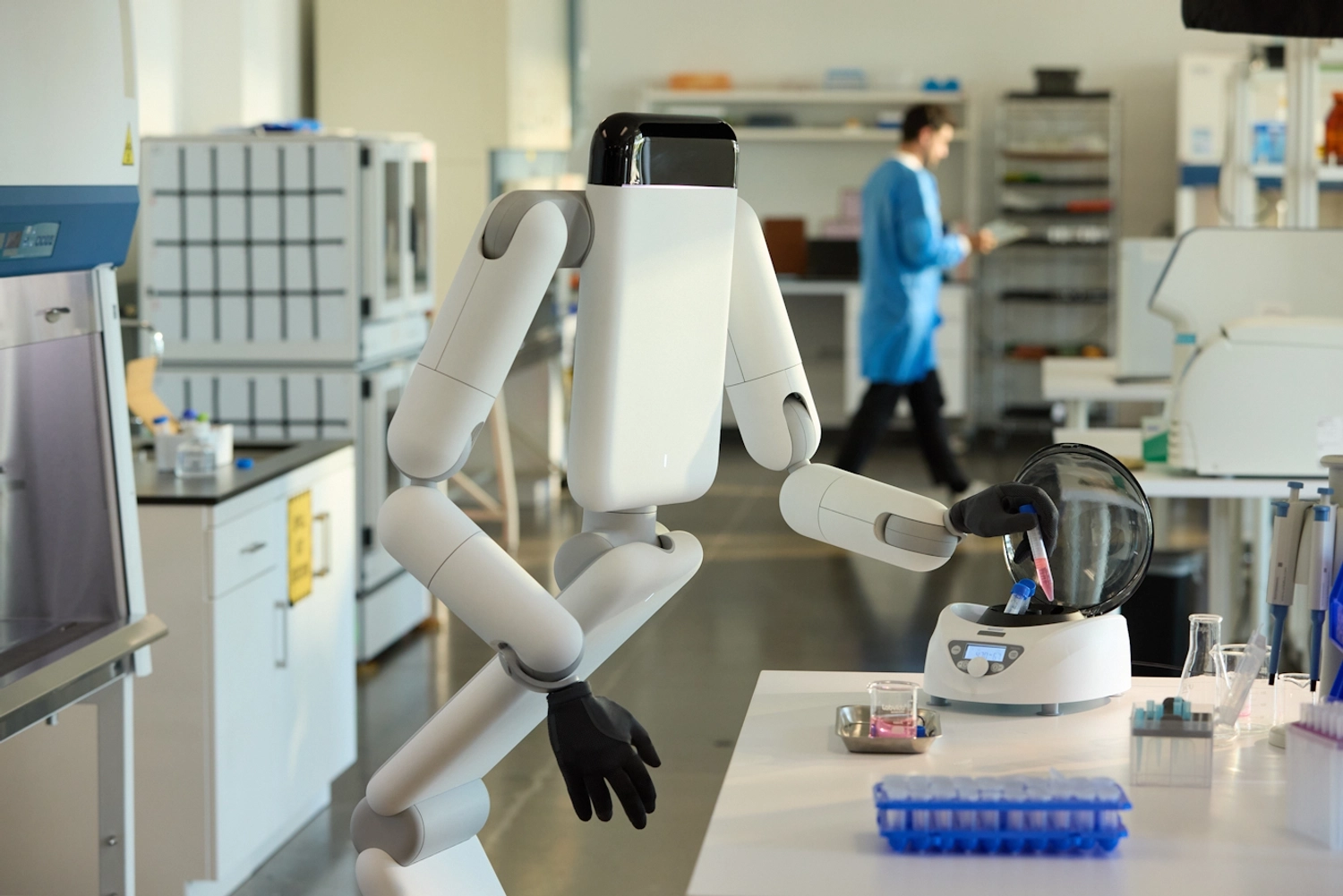
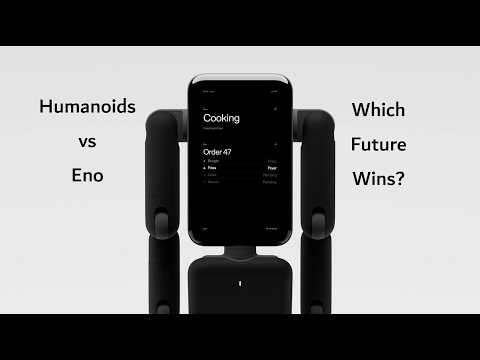
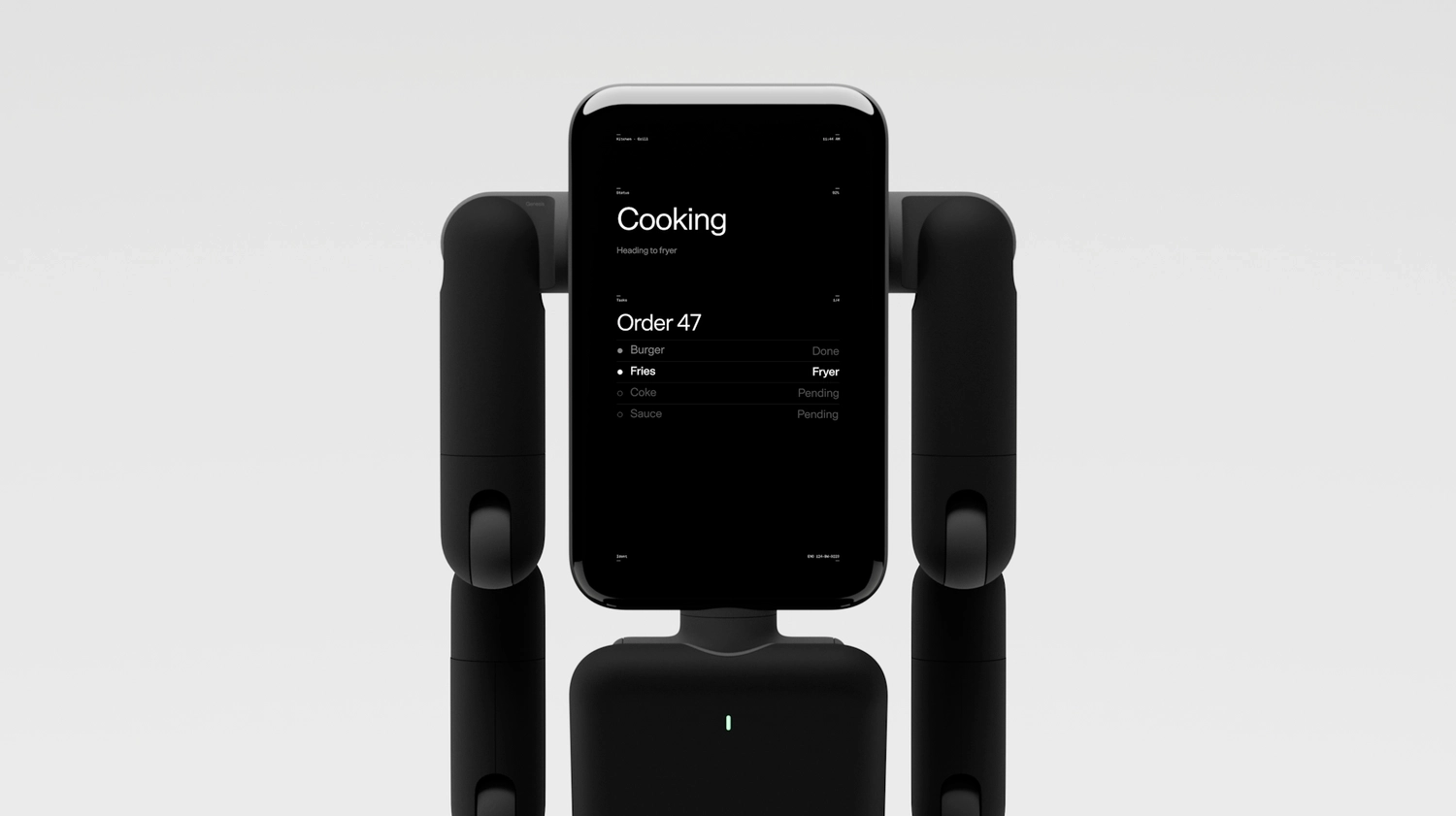
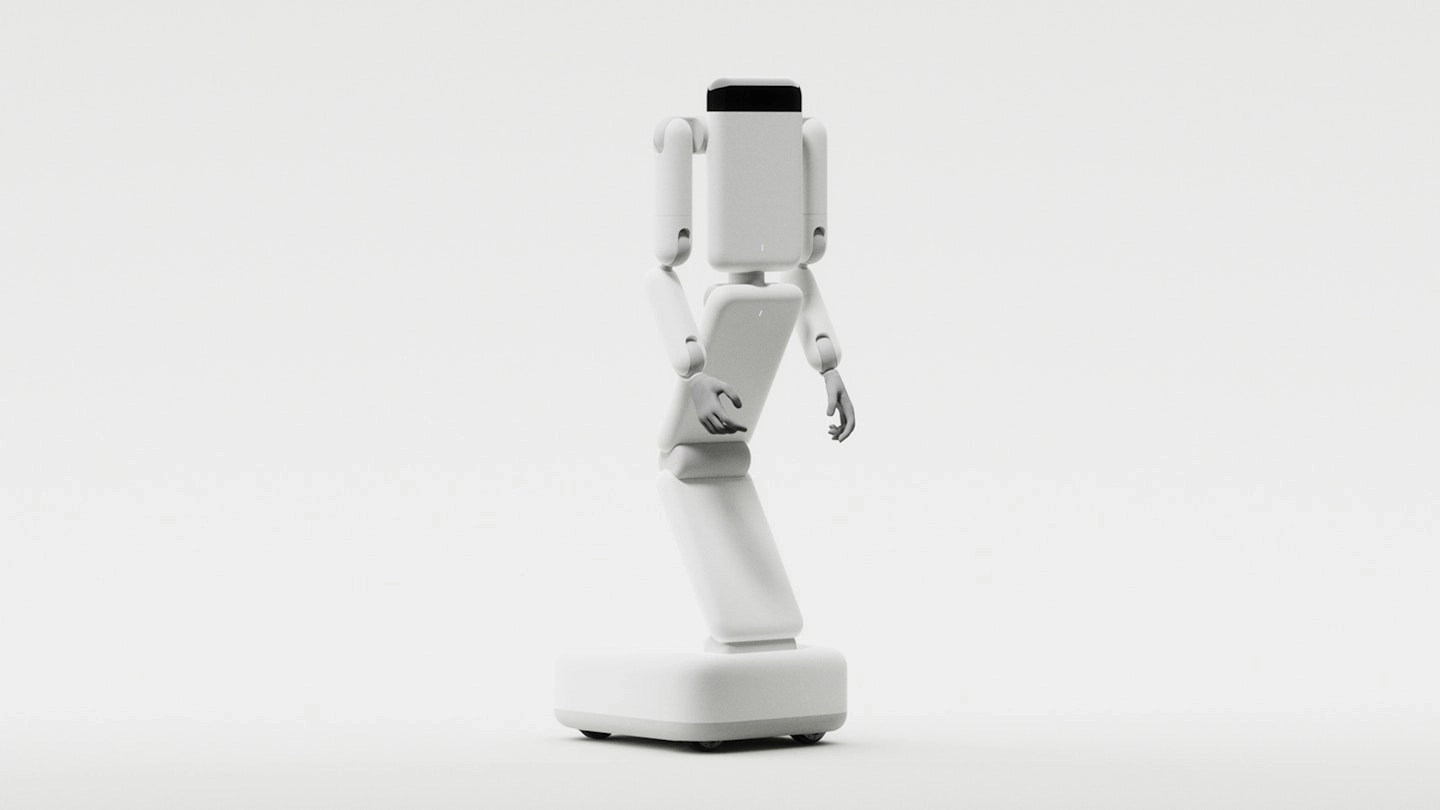
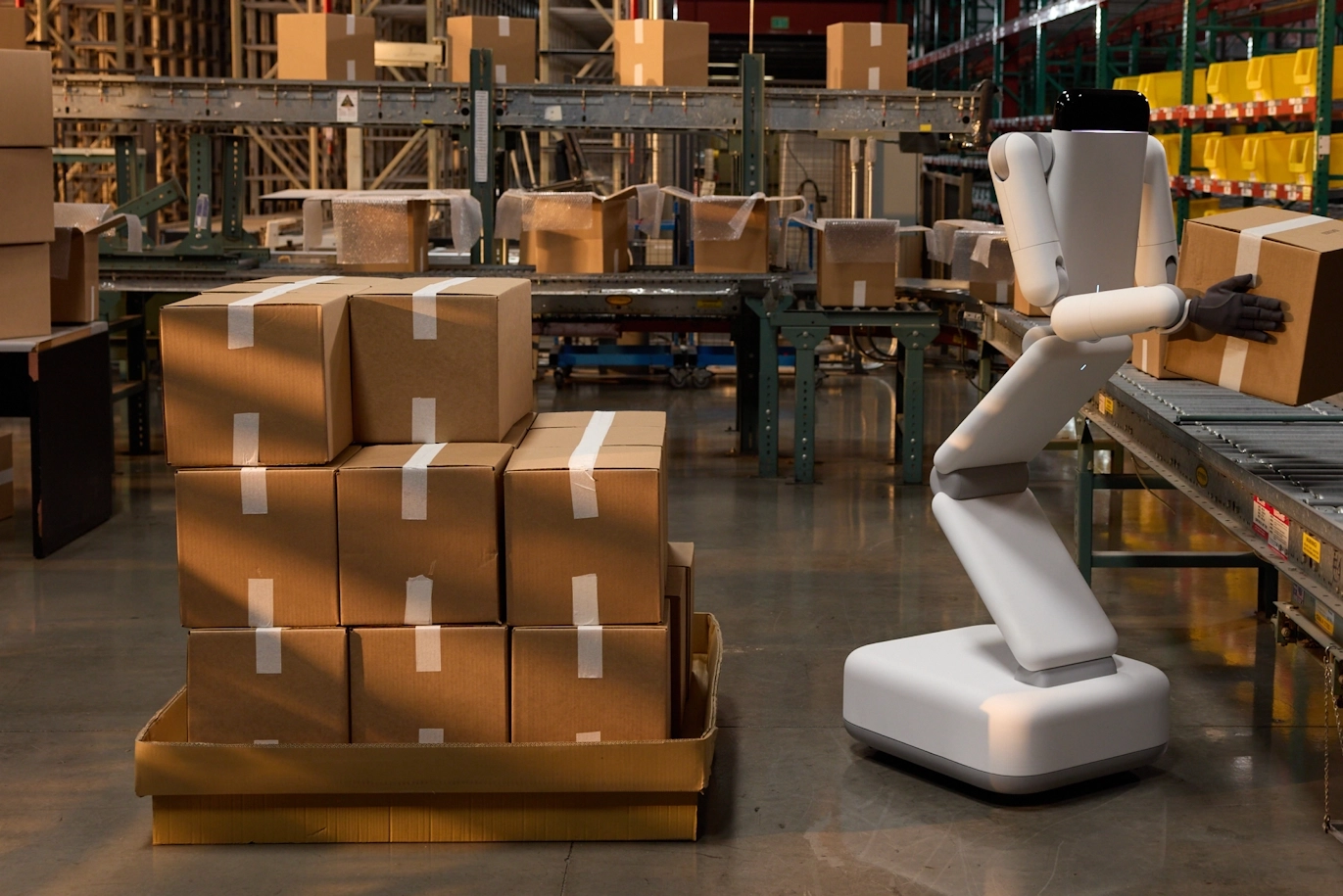
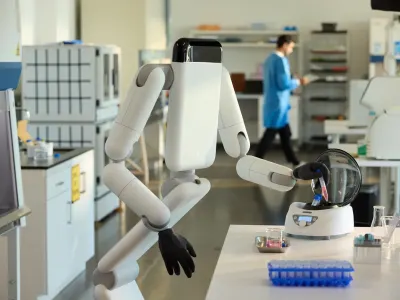
Genesis's flagship humanoid is called Eno. Unlike many rivals with a metal-skeleton look, Eno is described as resembling an iMac on wheels, a design that points to practical work in factories and warehouses rather than imitation of the human form.
The company has built 30 to 40 Enos so far and says it has finalized the mass-produced design. It has also picked a U.S. mass-manufacturing contractor that will begin work next year. A handful of undisclosed customers are piloting the robot, though the company has not named them.
What the Demo Showed, and What It Did Not
In a demonstration for TechCrunch, two off-the-shelf robotic arms packed, taped and labeled a box. In a second run, a robot dropped a box and struggled to peel a label. Genesis calls these stumbles hiccup data, because each failure can be used to improve its AI model.
Notably, Eno itself did not demonstrate its abilities during the visit. Xian says the model performs better on Eno than on the arms, but that is the company's statement. Until buyers can see Eno working on camera or in the field, the strongest evidence remains the arm demo.
The Hardware Problem No One Can Fund Away
Xian is candid about the main obstacle: hardware. Mechanical design and industrial supply chains, he says, are the bottleneck. The company's dexterous hands currently last only a few weeks of regular work before they need replacing, a durability gap that would be costly for any customer.
He also argues that the AI model architecture accounts for only about 10% of the final result. The rest, he says, comes from training infrastructure, data infrastructure and data quality. In his words, the company does not need another scientific breakthrough, because it is just about execution.
What It Means for Buyers and the Industry
For businesses shopping for humanoids, Genesis is a company to watch rather than a product to buy today. Pilots are small, customers are unnamed and mass production is planned for next year. Buyers should ask about hand lifespan, since weeks of use before replacement would shape running costs.
For the wider industry, the round shows investors rewarding a data-first approach to robot skill. If glove-recorded human demonstrations prove to be a faster way to teach robots, rivals building their own humanoids may need to collect similar data, which could raise the cost of competing.
Explore Humanoids
Related Articles
OpenMind Iris Humanoid Uses Living Human Neurons to Read Social Cues
JAKA Lumi 2.0 Patrols a Cluttered Warehouse on Its Own With 96 TOPS of Onboard AI and a Bigger Battery
Genesis AI Raises $500M Series A for Its Eno Humanoid
Related Comparisons
Compare Eno with similar robots
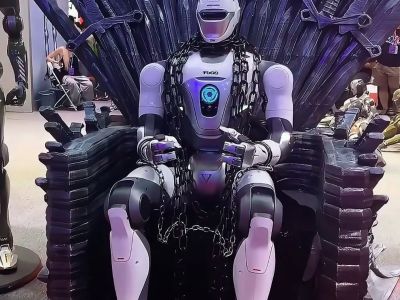
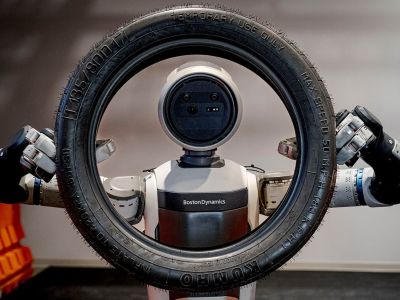
T800 vs Atlas (Electric 2025)
EngineAI T800 vs Boston Dynamics Atlas compared on size, strength, battery, joints, software and safety, with a clear pick for each buyer.
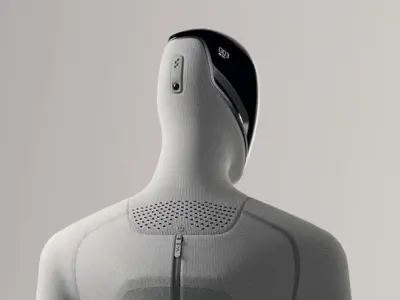
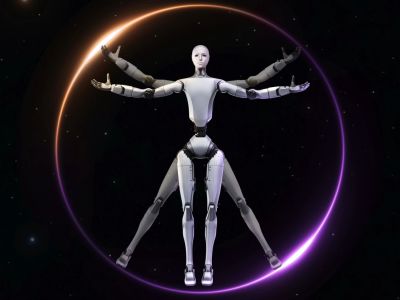
Figure 03 vs Unitree H2
Figure 03 vs Unitree H2 compared on height, weight, battery, walking speed, hands and software, with a clear pick for home help or developer work.
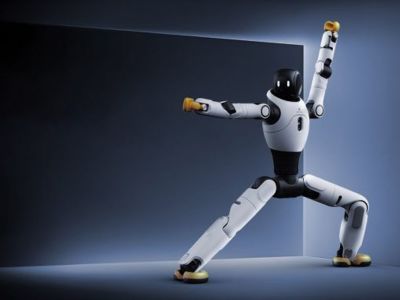
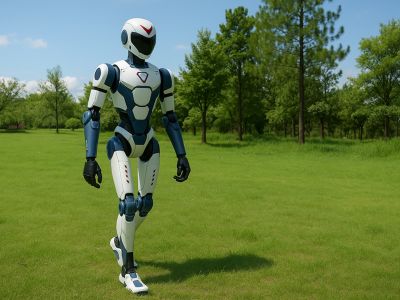
AgiBot X2 vs Unitree R1
AgiBot X2 vs Unitree R1 compared on speed, battery, hands, software and price, with a clear pick for shows, education and developers.
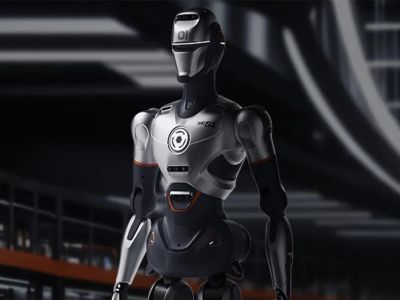
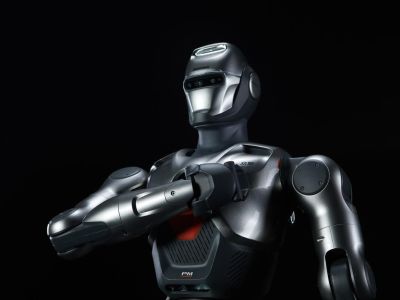
EngineAI SE01 vs EngineAI PM01
EngineAI SE01 vs PM01: joint strength, payload, hands, battery and software compared, with a clear pick for factory work and for research labs.
Learn More About This Robot
Discover detailed specifications, reviews, and comparisons for Eno.
View Robot Details →