JAKA Lumi 2.0 Patrols a Cluttered Warehouse on Its Own With 96 TOPS of Onboard AI and a Bigger Battery
Robot Details
JAKA Lumi 2.0 • JAKA RoboticsPublished
November 17, 2026
Reading Time
4 min read
Author
Origin Of Bots Editorial Team
A Wheeled Robot That Works Like a Night Watchman
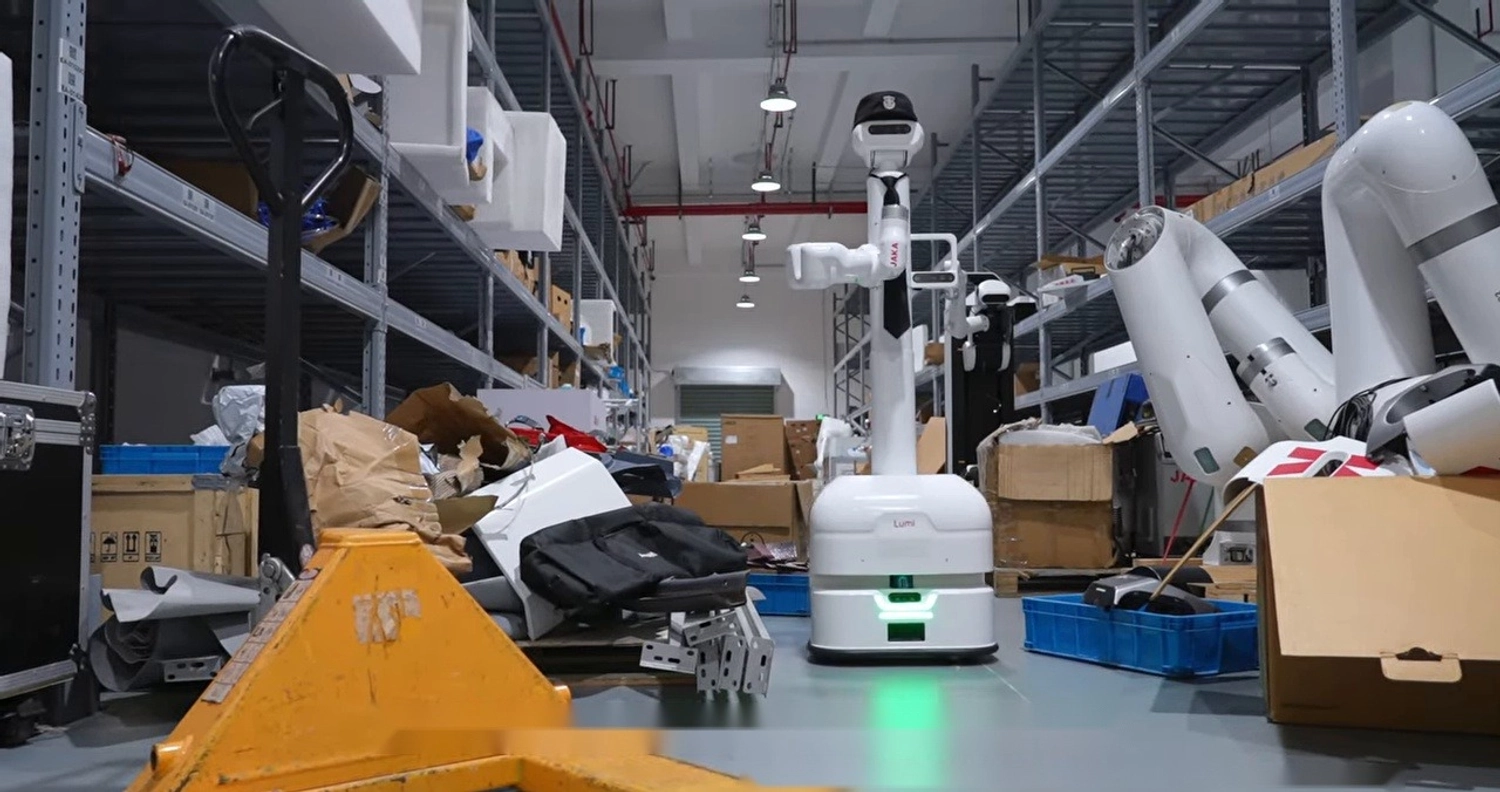
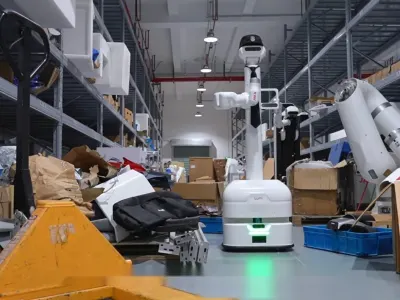
Picture a slim white robot gliding down a dim warehouse aisle, weaving around pallet jacks, cardboard boxes and open crates without a single person guiding it. That is the scene JAKA Robotics chose to show off JAKA Lumi 2.0 in a short film released on November 17, 2026.
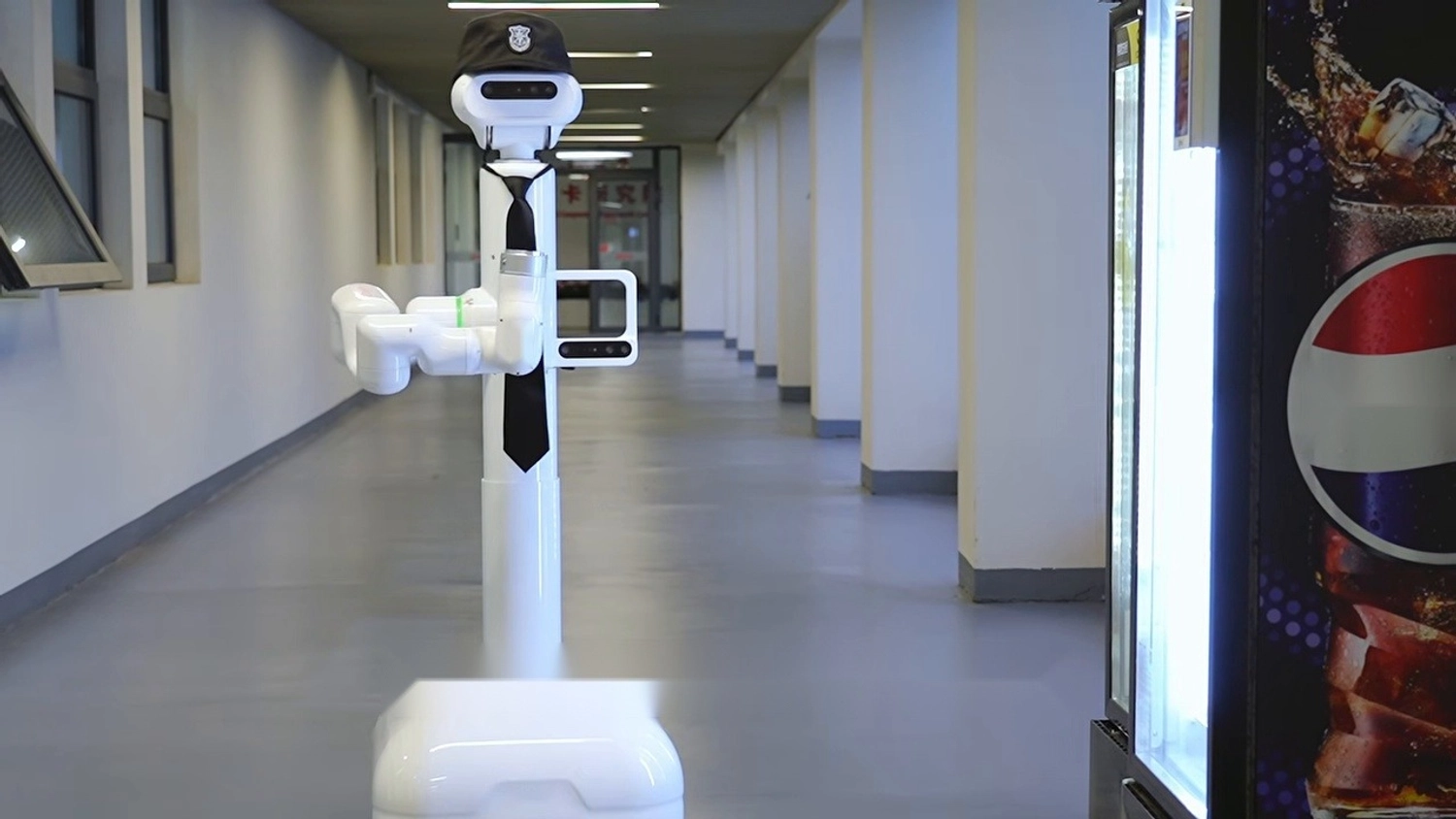
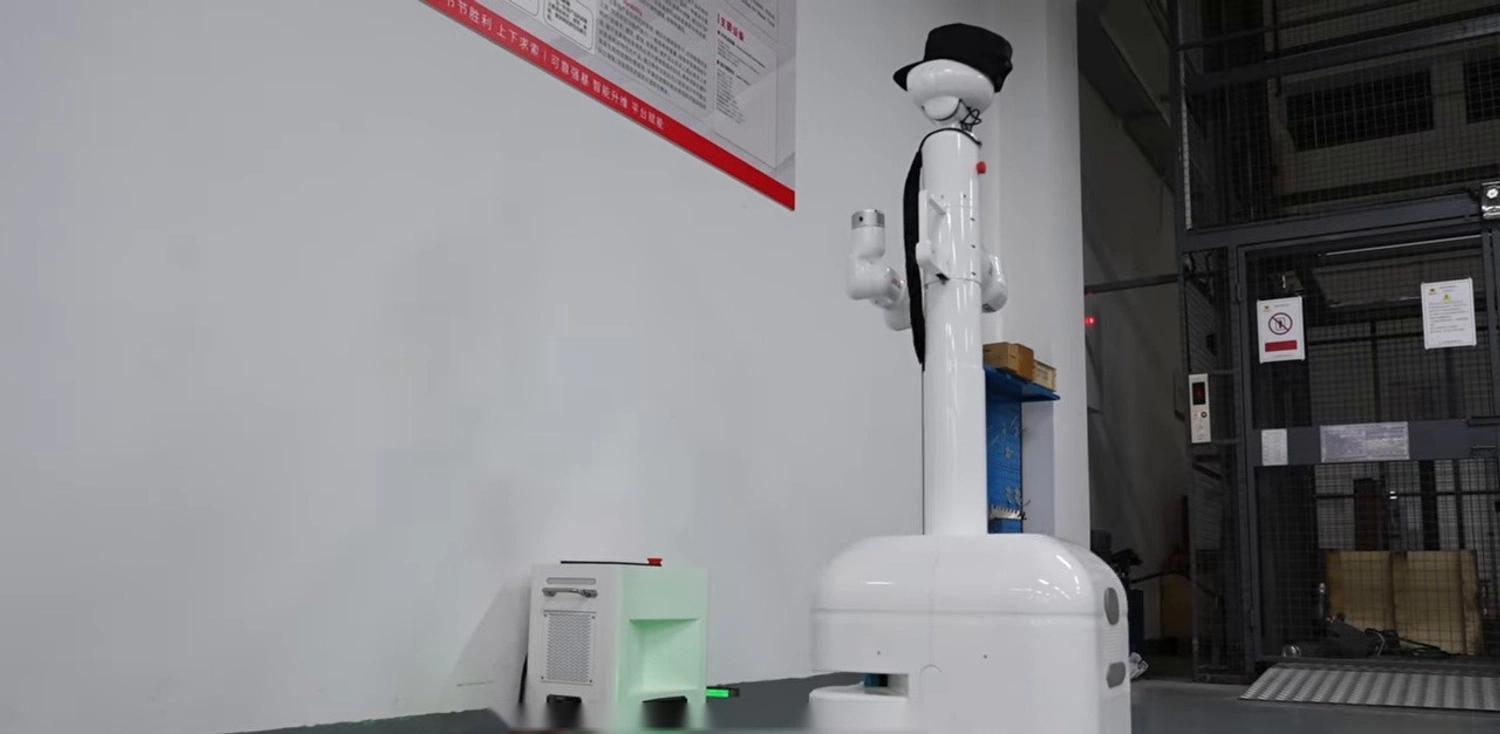
Lumi 2.0 is the upgraded version of JAKA's Lumi, a wheeled platform that pairs a mobile base with a lifting column and a robotic arm. A day earlier, JAKA posted a second film in which the same robot walked a security round through an office lobby and a long corridor, dressed for the part in a guard's cap and tie.
Mapping a Building in One Pass
The first thing the robot does on a new site is learn it. JAKA calls the feature one-shot mapping: the robot drives through a space once, builds its own map, and staff can then draw an inspection route on that map and send the robot off to run it.
JAKA says the route setup is quick, and its film shows the robot going from the mapping step straight to a live patrol in the same lobby. For a facility manager, that means a new building can go from empty floor plan to a running patrol without a long installation project.
Everything Runs on the Robot
Many robots lean on a server in the cloud or in a back room to do their thinking. JAKA stresses that Lumi 2.0 does not. The company describes a full loop that runs on the machine itself, from mapping through planning to carrying out the task, with no external server required.
That loop is powered by 96 TOPS of onboard AI computing, according to the description of JAKA's navigation film. In practice it gives the robot enough local horsepower to see, decide and move in real time, which also keeps it working when a network connection is slow or missing.
Dodging Obstacles in a Mess That Was Staged on Purpose
The warehouse in JAKA's navigation film is deliberately cluttered, and the film says so. Pallets, boxes, bags and tools are scattered across the floor, and the robot reads them through the camera on its chassis, spots what is in the way and plans a new path around it.
On screen, the text calls out real-time perception, active obstacle avoidance and dynamic path planning. After it finishes its patrol, the robot heads back to its charging station by itself, ready for the next round.
A Chassis That Reads the Floor
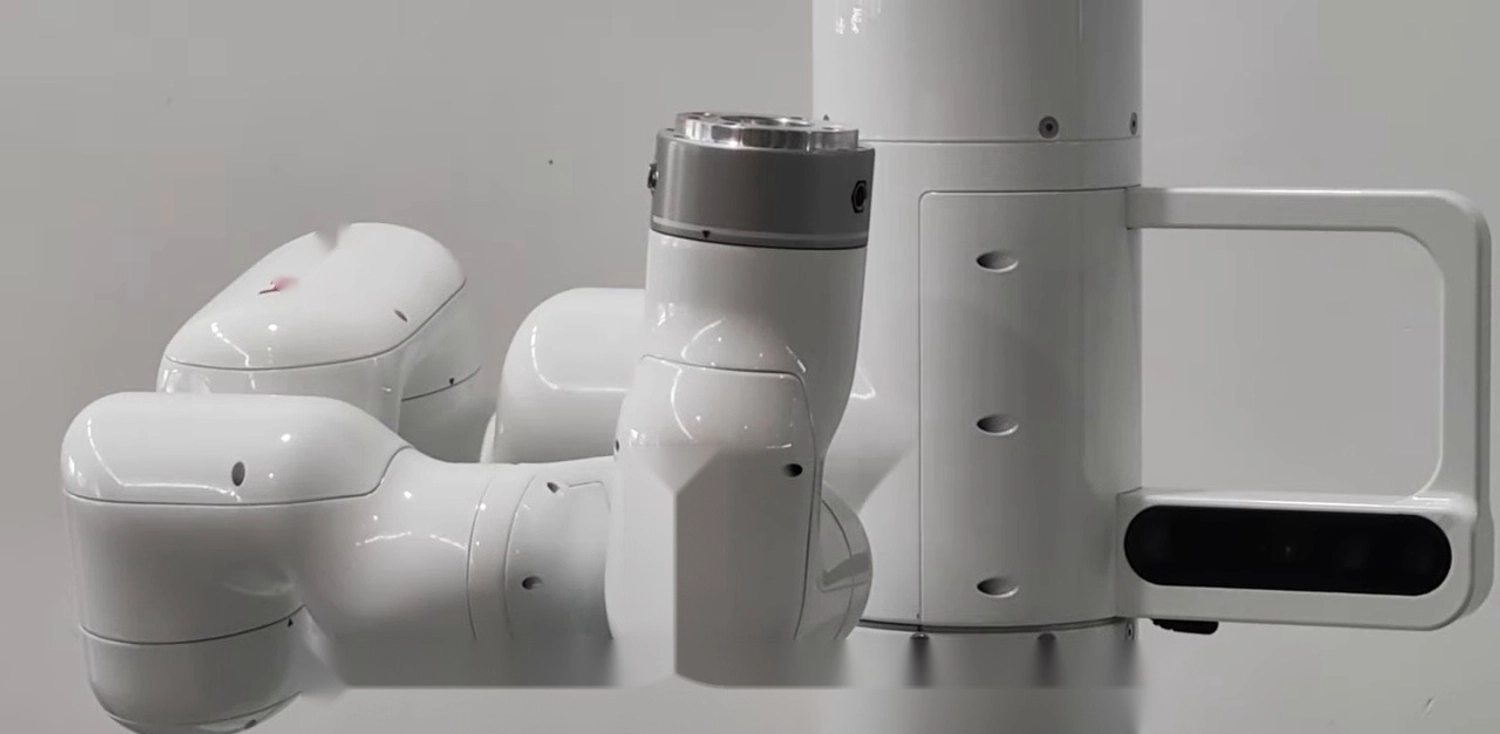
A robot is only as dependable as the ground it rolls on, so JAKA gave Lumi 2.0 a swing-arm chassis with active suspension. Real-time ground perception lets the base sense what is under its wheels and adjust as it goes.
In the corridor film, the robot crosses carpet and uneven patches smoothly, and the on-screen captions promise steady travel all the way. JAKA also states a chassis repeat positioning accuracy of about 20 millimeters, which matters when a robot has to return to the same spot again and again.
More Battery for Longer Shifts
Endurance is another upgrade. JAKA shows Lumi 2.0 beside a charging unit and says it carries a 1296 Wh high-capacity battery, about 20 percent more capacity than the earlier version.
A larger pack means longer stretches between charges, and the automatic return to the charging station means the robot can keep a patrol schedule without a person plugging it in. For overnight security rounds or warehouse checks, that is the difference between a demo and a working shift.
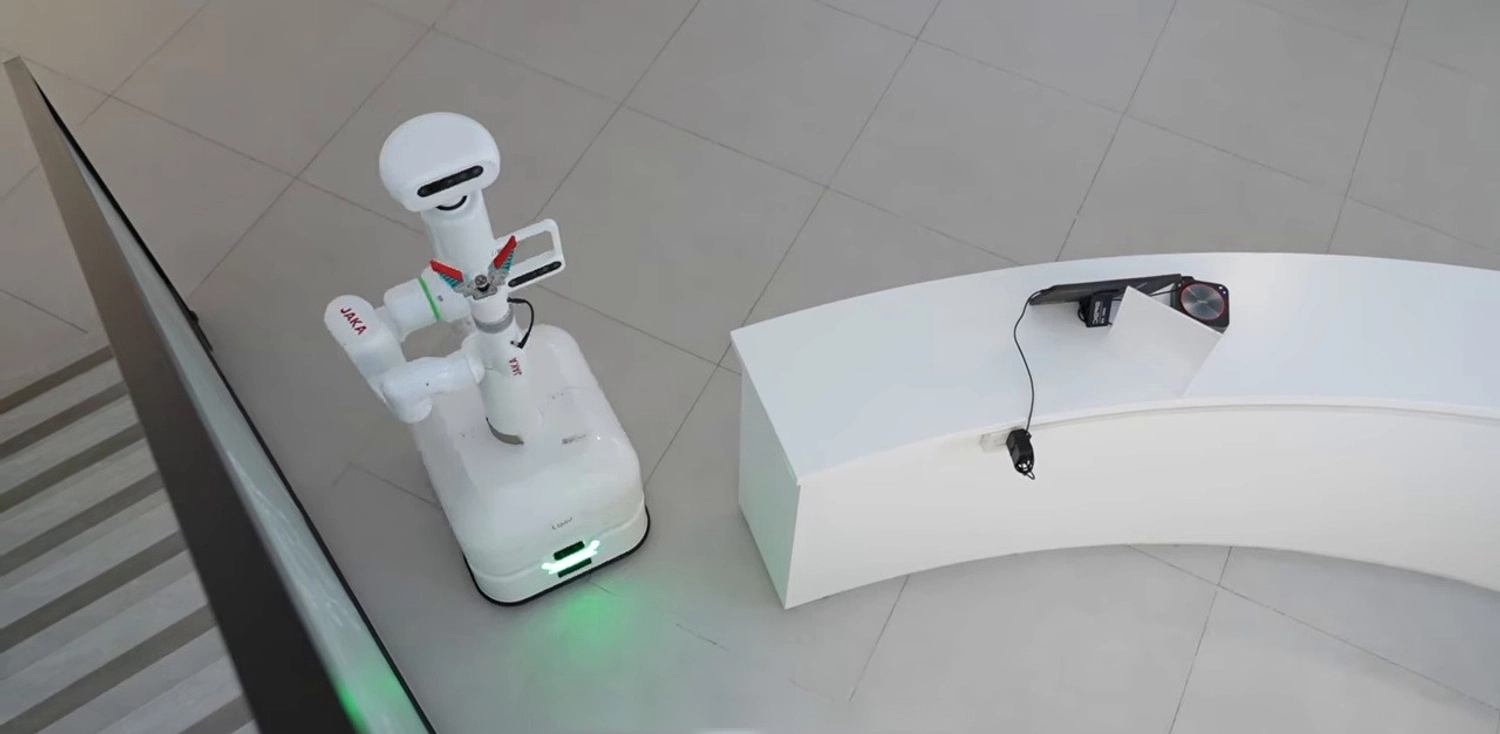
A Robot That Notices the Snacks Are Running Low
One of the lighter moments in the film comes in front of a vending machine. The robot recognizes that the stock is thin and uploads the finding to a backend system, a small example of the object recognition JAKA built into the platform.
It hints at where the robot could earn its keep beyond patrols. The same recognition and the arm on the lifting column point toward inventory checks, restocking alerts and light handling in shops, offices and warehouses.
Built on the Original Lumi, Aimed at Real Sites
The original JAKA Lumi arrived in China on May 29, 2025 as an all-in-one platform for robot training and development. It combined a six-axis arm with a two-kilogram payload, a lifting column, a chassis-mounted laser radar, 3D vision and ultrasonic sensing, plus open software interfaces and support for simulators such as MuJoCo and NVIDIA Isaac Sim.
Lumi 2.0 keeps that open foundation and pushes it toward deployment with more onboard computing, a bigger battery and a sturdier chassis. JAKA invites interested customers to request brochures and quotations at marketing@jaka.com.
Explore Humanoids
Sources
Related Articles
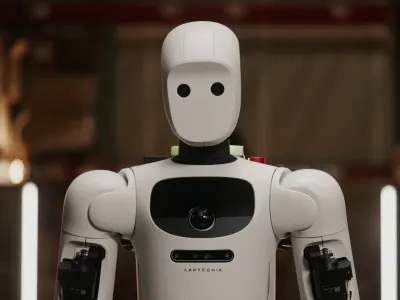
GXO and Apptronik Plan Up to 1,000 Apollo Humanoid Robots in Warehouses Over Four Years
OpenMind Iris Humanoid Uses Living Human Neurons to Read Social Cues
Boston Dynamics Atlas Lands First Non-Auto Customer in GlobalFoundries
JAKA Lumi 2.0 Patrols a Cluttered Warehouse on Its Own With 96 TOPS of Onboard AI and a Bigger Battery
Related Comparisons
Compare JAKA Lumi 2.0 with similar robots

T800 vs Atlas (Electric 2025)
EngineAI T800 vs Boston Dynamics Atlas compared on size, strength, battery, joints, software and safety, with a clear pick for each buyer.

Figure 03 vs Unitree H2
Figure 03 vs Unitree H2 compared on height, weight, battery, walking speed, hands and software, with a clear pick for home help or developer work.
AgiBot X2 vs Unitree R1
AgiBot X2 vs Unitree R1 compared on speed, battery, hands, software and price, with a clear pick for shows, education and developers.
EngineAI SE01 vs EngineAI PM01
EngineAI SE01 vs PM01: joint strength, payload, hands, battery and software compared, with a clear pick for factory work and for research labs.
Learn More About This Robot
Discover detailed specifications, reviews, and comparisons for JAKA Lumi 2.0.
View Robot Details →