GXO and Apptronik Plan Up to 1,000 Apollo Humanoid Robots in Warehouses Over Four Years
Robot Details
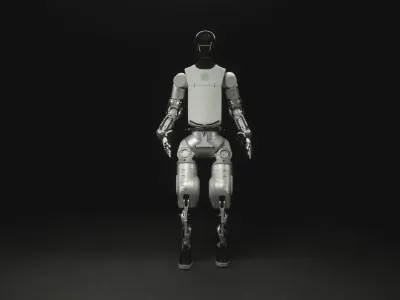
Apollo 2 • ApptronikPublished
November 12, 2026
Reading Time
4 min read
Author
Origin Of Bots Editorial Team
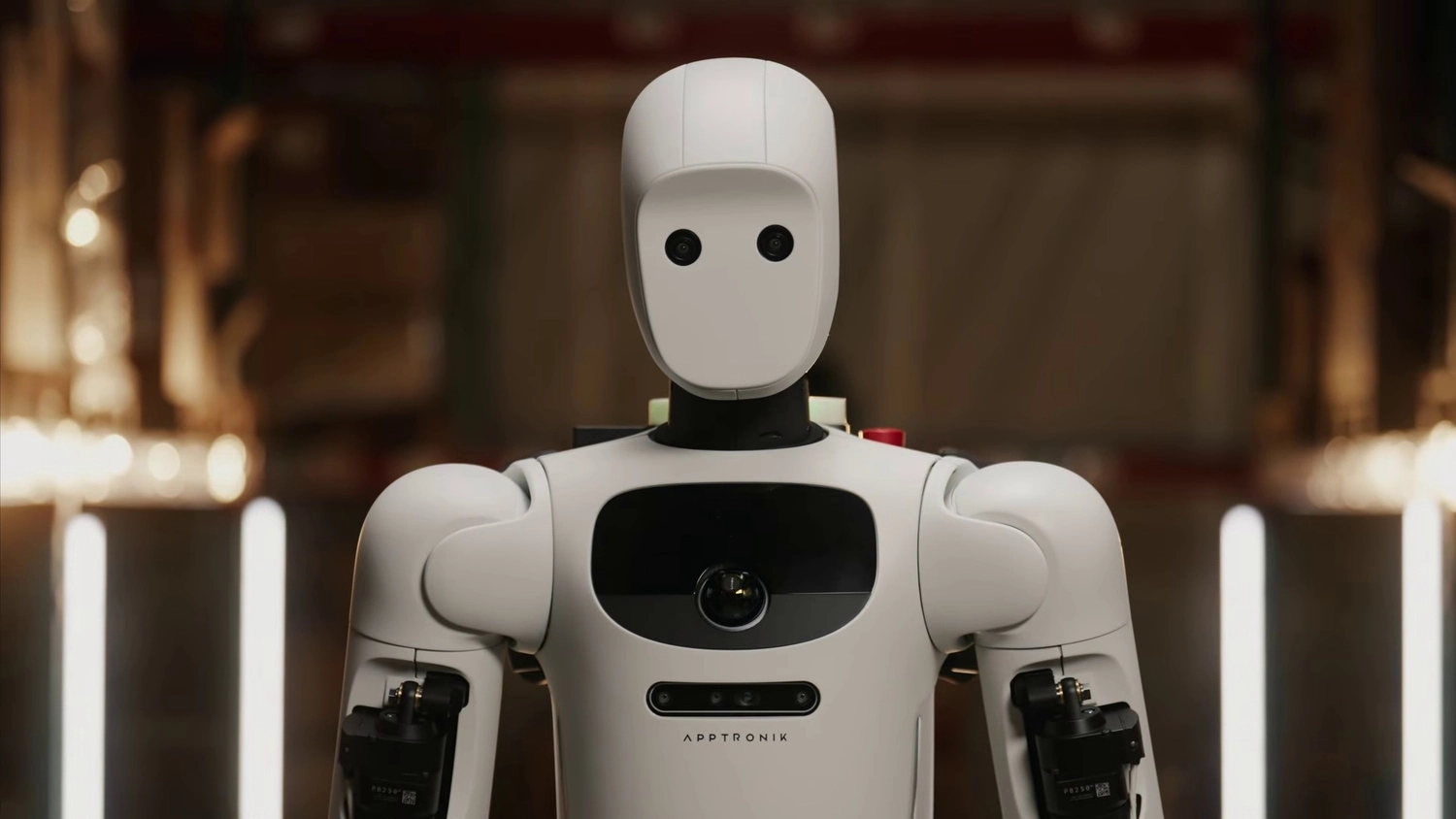
A Warehouse Giant Bets on Walking Robots
On November 12, GXO Logistics, the world's largest pure-play contract logistics company, said it has signed a letter of intent with Apptronik, the Texas robotics company behind the Apollo humanoid. The deal aims to move Apollo from small trials toward real, large-scale work inside warehouses.
A letter of intent is a formal statement of intention, not a final contract. Still, the figures are striking: the companies say they intend to progress toward up to 1,000 Apollo robots over the next four years, if the trials go well.
Two Years in the Making
The relationship is not new. GXO and Apptronik began working together in 2024 with a proof-of-concept program, essentially a small experiment to see whether a humanoid robot could do useful jobs in a real warehouse environment.
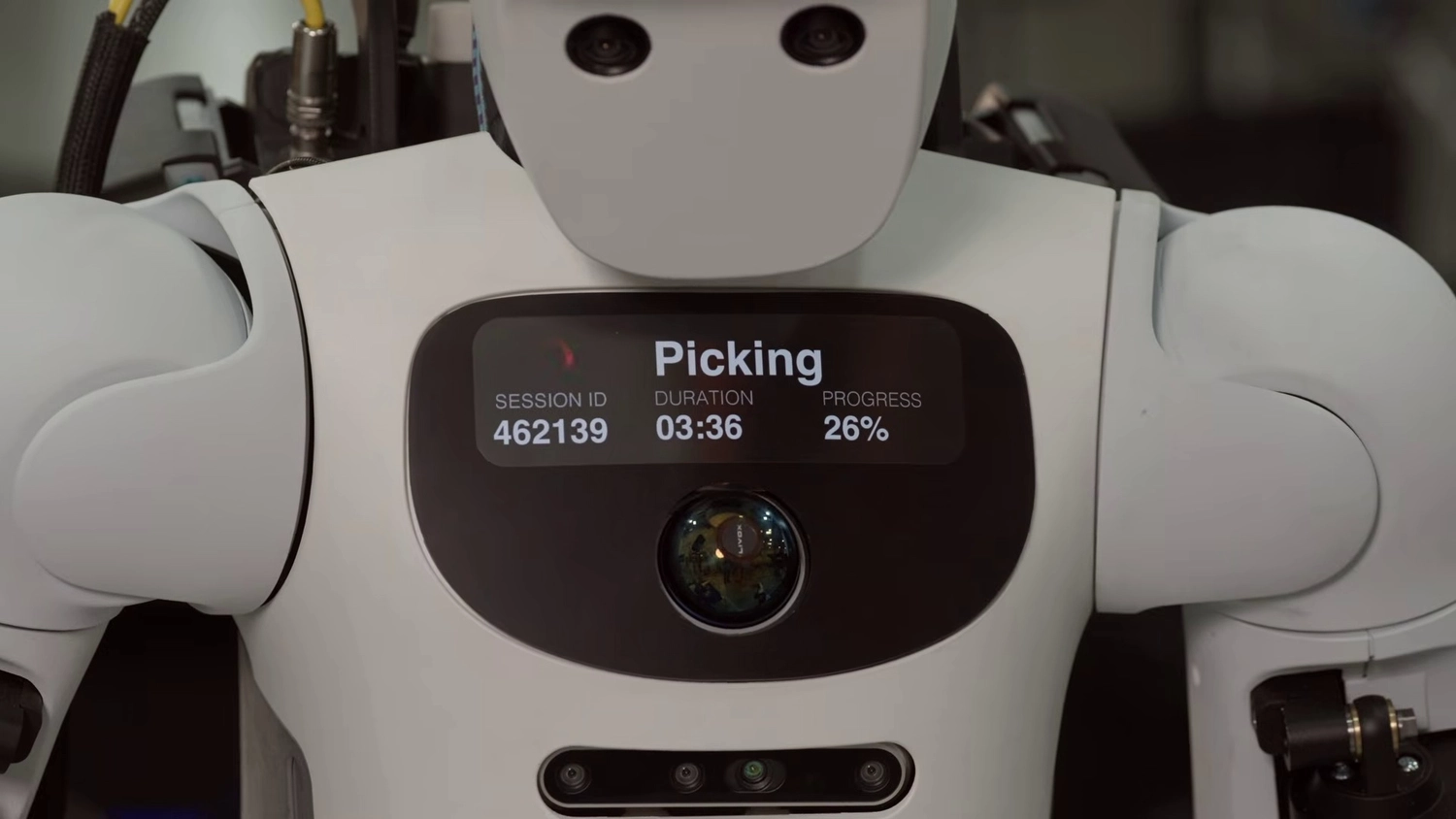
Earlier this year Apollo finished a pilot deployment with GXO in the United States, focused on autonomous picking of small consumer goods. In other words, the robot picked items on its own, without a person guiding each move. The new agreement builds directly on that result.
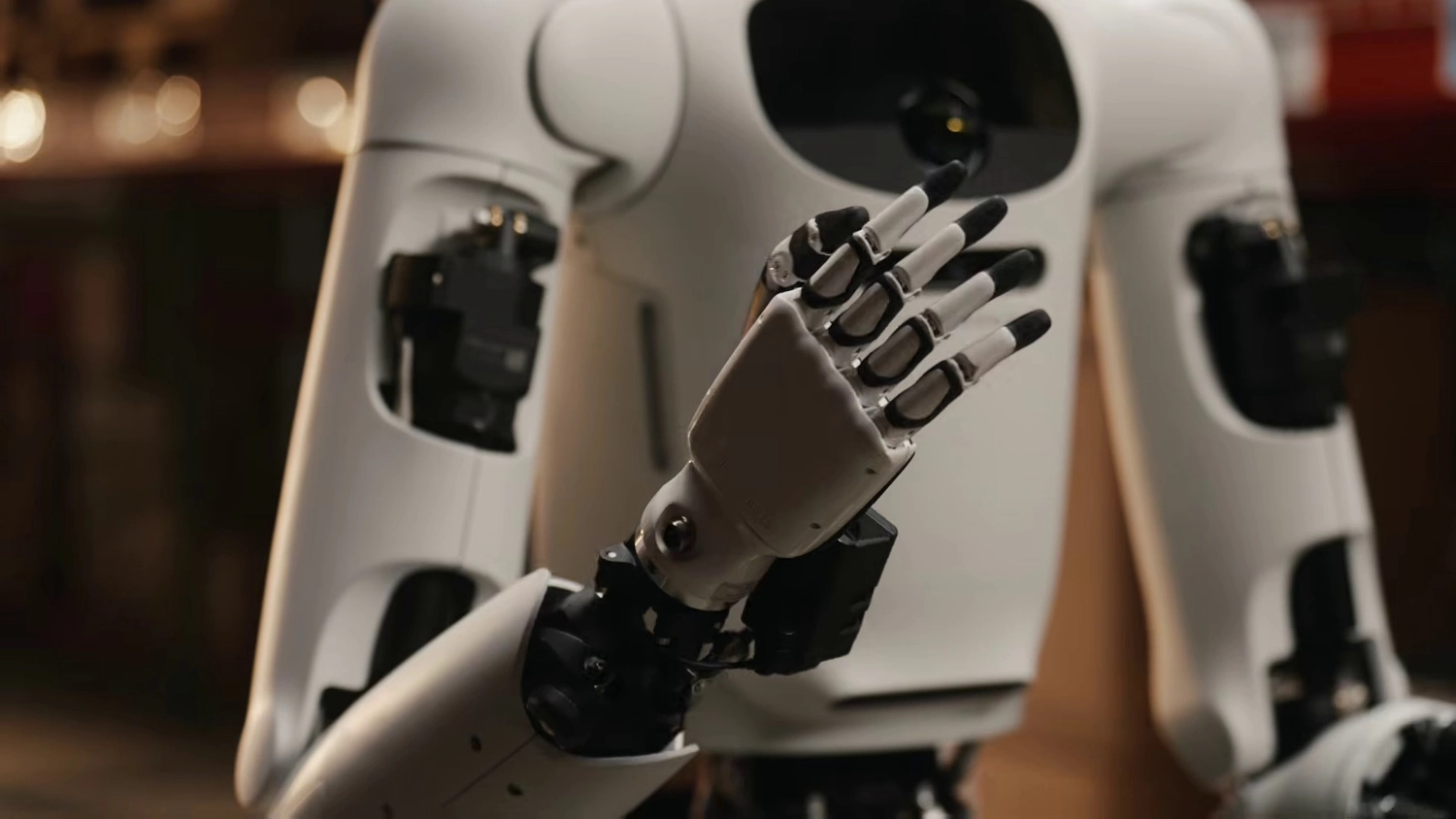
Fifty Tasks Before Day One
Before taking robots into more facilities, the two companies did a lot of rehearsing. According to the press release, they collected data and ran live autonomous evaluations on more than 50 different logistics tasks at Apptronik's Robot Park, a facility used to train humanoid robots.
That matters because warehouse work is surprisingly varied. Lifting a tote, sliding a box onto a conveyor and sorting parcels each demand different grips and movements. Practising them in a controlled space helps reveal what a robot can handle before it meets a busy customer site.
What Apollo Will Actually Do
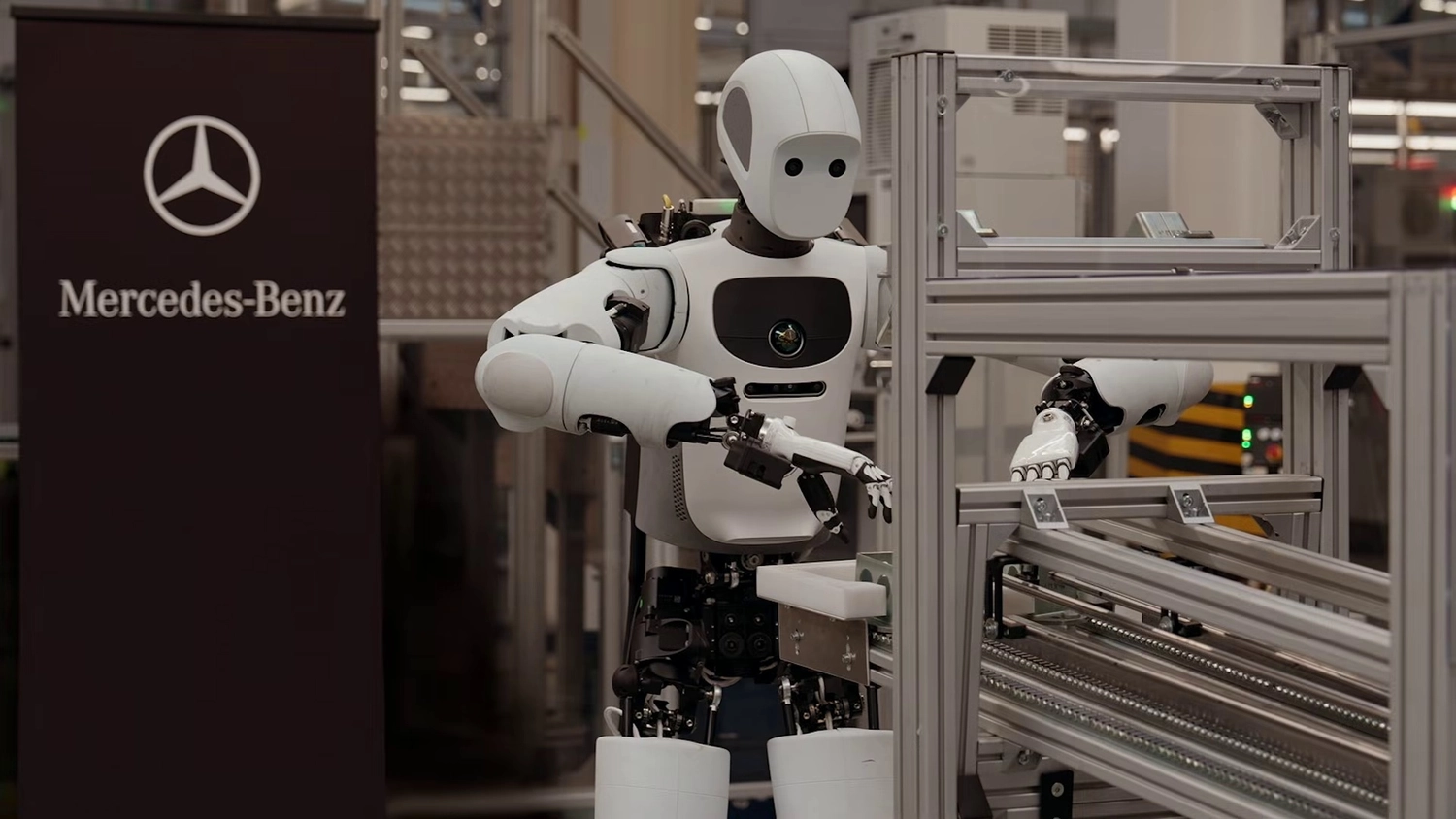
Under the agreement, the partners will expand joint trials of Apollo in live operations across several workflows. These include goods-to-person and person-to-goods picking, which means either bringing items to a worker's station or sending the worker to the shelf, as well as moving cases and totes, packing and sortation.
Apptronik describes Apollo as built for repetitive, physically demanding tasks. The company says the aim is to ease labour shortages, improve throughput and uptime, and free employees to focus on higher-value work, rather than to replace the people who already work in these buildings.
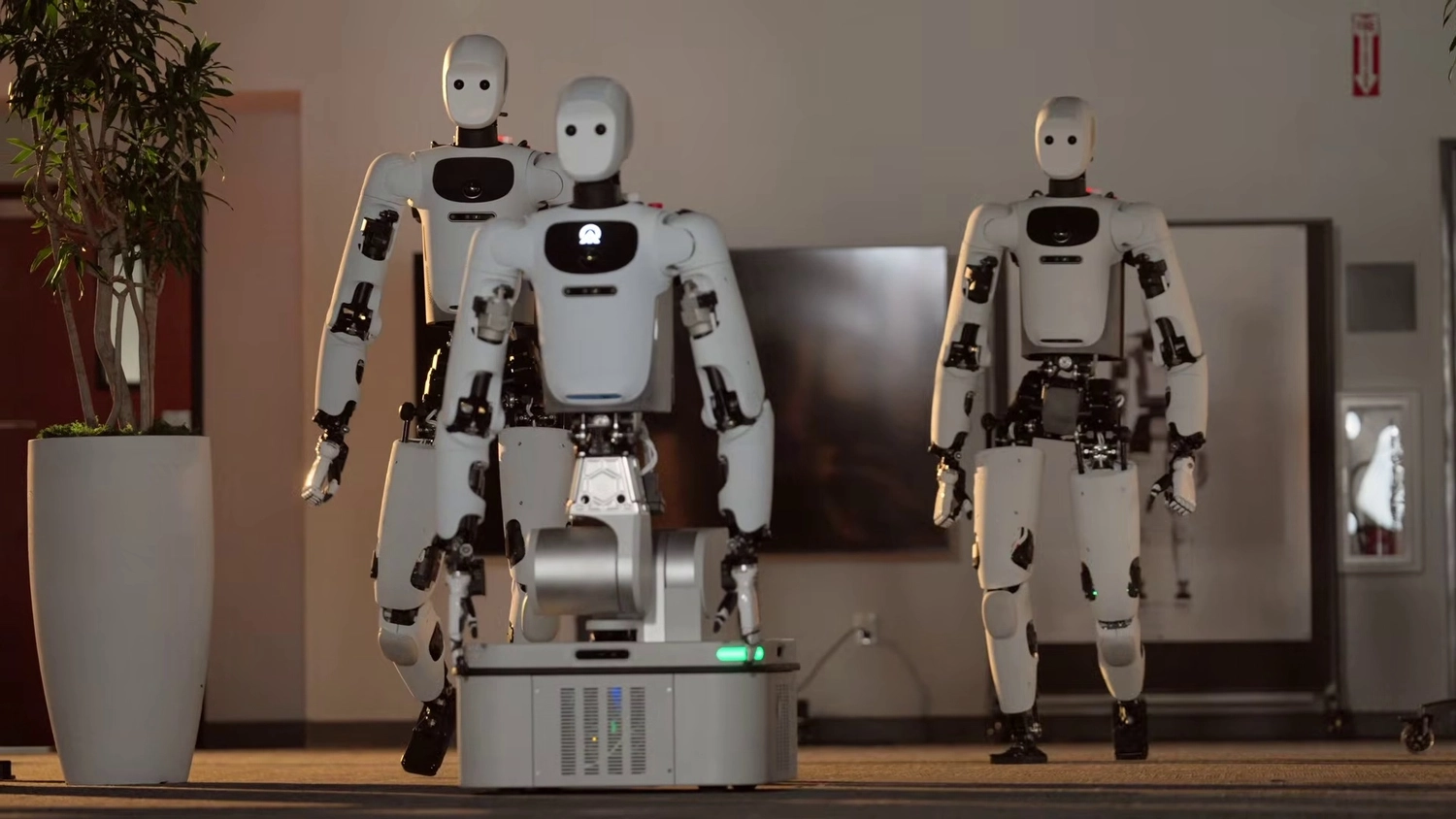
The 2027 Test
Beginning in 2027, the trials are meant to validate the safety, security and technical requirements for deploying robots at scale. Each use case will be judged and ordered against jointly agreed productivity, safety and operational targets, known as KPIs.
The trials will also look at how humanoids fit alongside the conveyors, shuttles and other automation GXO already runs, and alongside its human team members. A robot that works well alone but disrupts the floor around it would not pass that test.
Renting Robots Instead of Buying Them
The commercial plan is expected to follow a Robotics-as-a-Service model. Rather than buying robots outright, GXO would pay for them as a flexible, service-based offering, much like a subscription, scaling up or down as customer demand changes.
For a logistics company that serves many clients with shifting needs, this is a practical approach. It spreads out the cost, shifts some maintenance and software updates to the robot maker, and makes it easier to try new use cases without a large upfront bill.
The Scale Behind the Ambition
GXO says it has more than 150,000 team members across over 1,000 facilities, covering more than 200 million square feet. That footprint is why Apptronik's chief executive Jeff Cardenas said GXO has the network and operating discipline to take the technology to real scale.
Apptronik, which spun out of the University of Texas at Austin's Human Centered Robotics Lab and now has nearly 500 employees, says Apollo draws on more than a decade of work, including 15 earlier robots and NASA's Valkyrie.
A Plan, Not Yet a Fleet
It is worth being clear about what has and has not happened. The 1,000-robot figure is an intention, and it depends on the deployments succeeding and meeting the agreed performance, safety and operational targets. The first deployment in North America is planned for late 2027.
Until then, the real answers will come from the trials: how reliably Apollo works across long shifts, how fast it is compared with people and existing machines, and whether the service pricing makes sense for GXO's customers.
Explore Humanoids
Related Articles
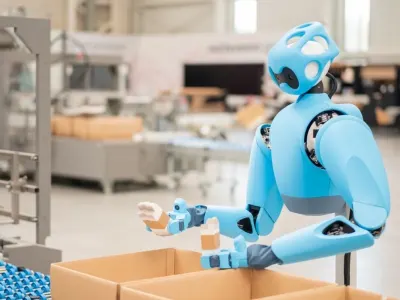
Swiss Startup Embodied AI Unveils AIR, a Humanoid That Learns Factory Jobs on the Shift
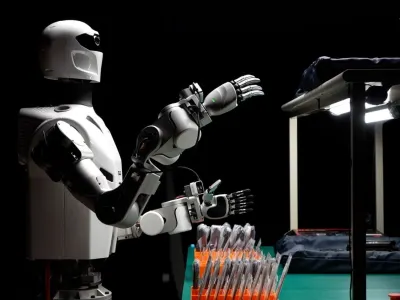
ASUS Gallop Is the PC Maker's First Humanoid Robot, and It Is Already Packing Motherboards on a Real Factory Line

GXO and Apptronik Plan Up to 1,000 Apollo Humanoid Robots in Warehouses Over Four Years
Related Comparisons
Compare Apollo 2 with similar robots
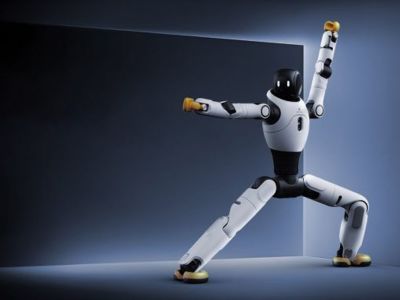

AgiBot X2 vs Unitree R1
AgiBot X2 vs Unitree R1 compared on speed, battery, hands, software and price, with a clear pick for shows, education and developers.
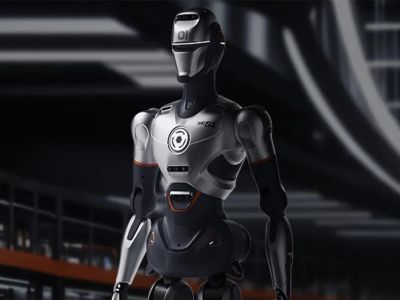

EngineAI SE01 vs EngineAI PM01
EngineAI SE01 vs PM01: joint strength, payload, hands, battery and software compared, with a clear pick for factory work and for research labs.

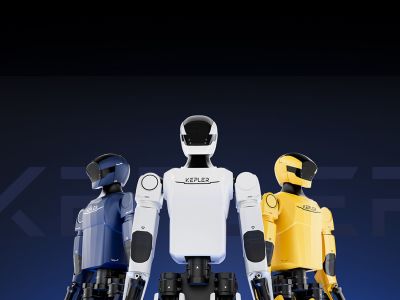
GR-2 vs Forerunner K2
Fourier GR-2 vs Kepler Forerunner K2: payload, battery life, hands and software compared, with a clear pick for labs and for factories.
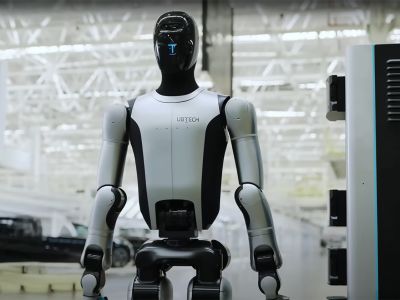
Walker S1 vs Walker S2
Walker S1 vs Walker S2 from UBTECH: speed, battery swap, sensors and software compared, with a clear pick for each factory need.
Learn More About This Robot
Discover detailed specifications, reviews, and comparisons for Apollo 2.
View Robot Details →