ASUS Gallop Is the PC Maker's First Humanoid Robot, and It Is Already Packing Motherboards on a Real Factory Line
Robot Details
ASUS Gallop • ASUSPublished
November 13, 2026
Reading Time
5 min read
Author
Origin Of Bots Editorial Team
A PC Giant Steps Into Humanoid Robots
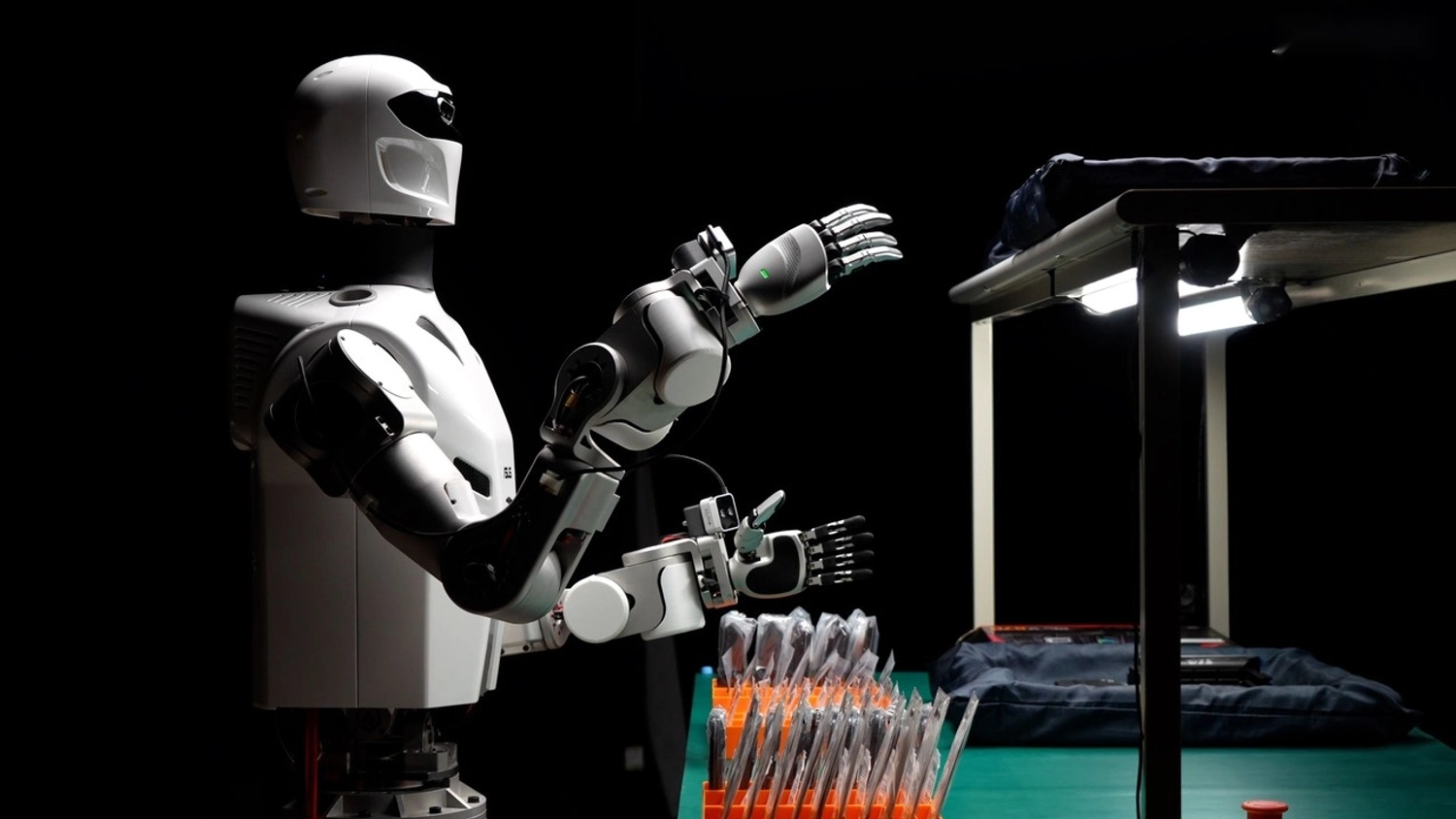
ASUS, the Taiwanese company best known for laptops, motherboards and graphics cards, has introduced Gallop, its first humanoid robot. Co-CEO S.Y. Hsu presented the robot in a CNBC interview on 13 November 2026, and ASUS followed up the same day with a detailed blog post from Dr. Albert Chang explaining what the company is building and why.
Gallop comes from the Humanoid Robotics business unit inside the ASUS Physical AI Solutions Business Group. The program only started in early 2026, but ASUS is not introducing it with a staged demo. The robot is already working at a real station inside one of the company's own electronics factories.
Its First Job Is Harder Than It Looks
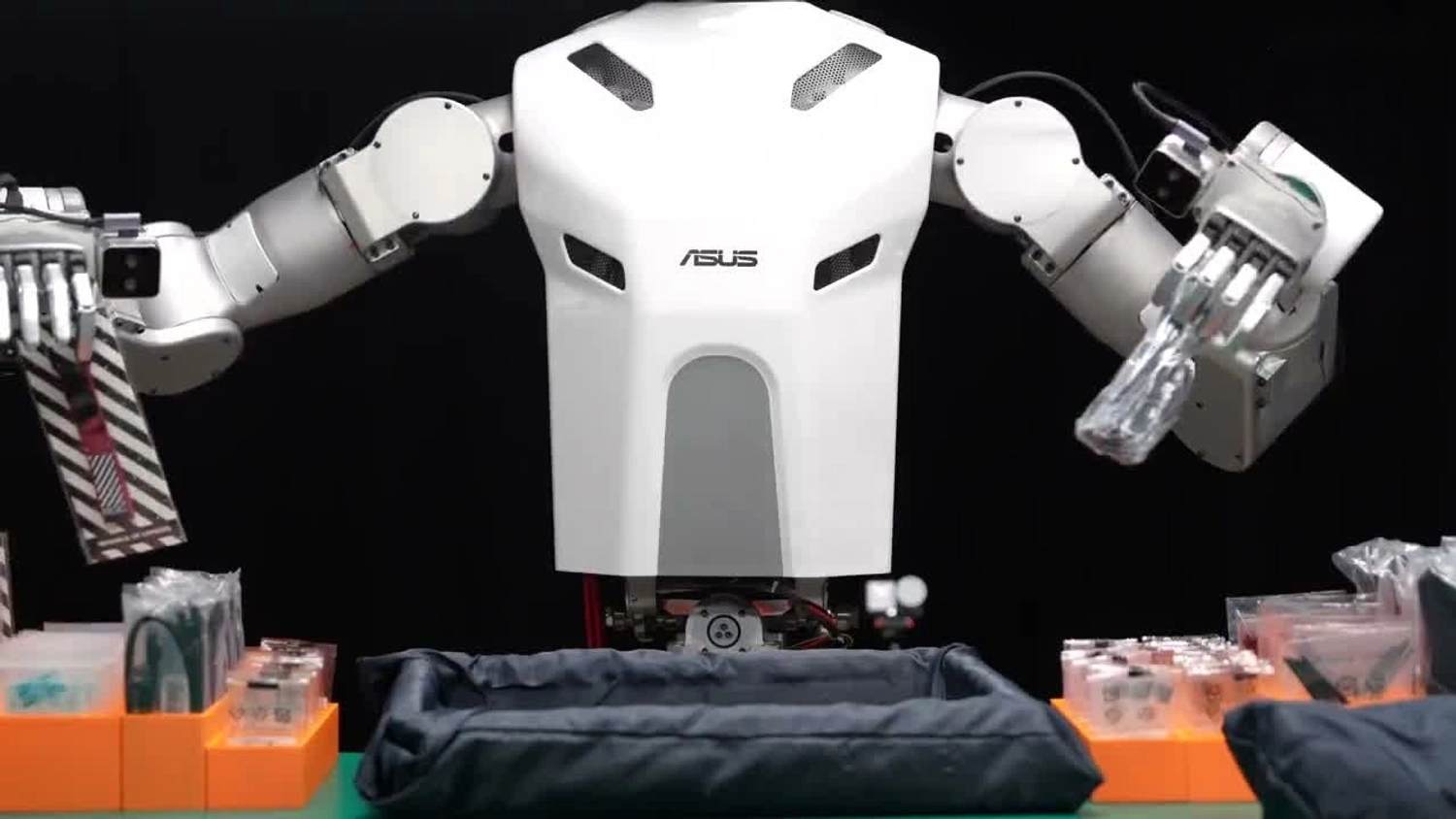
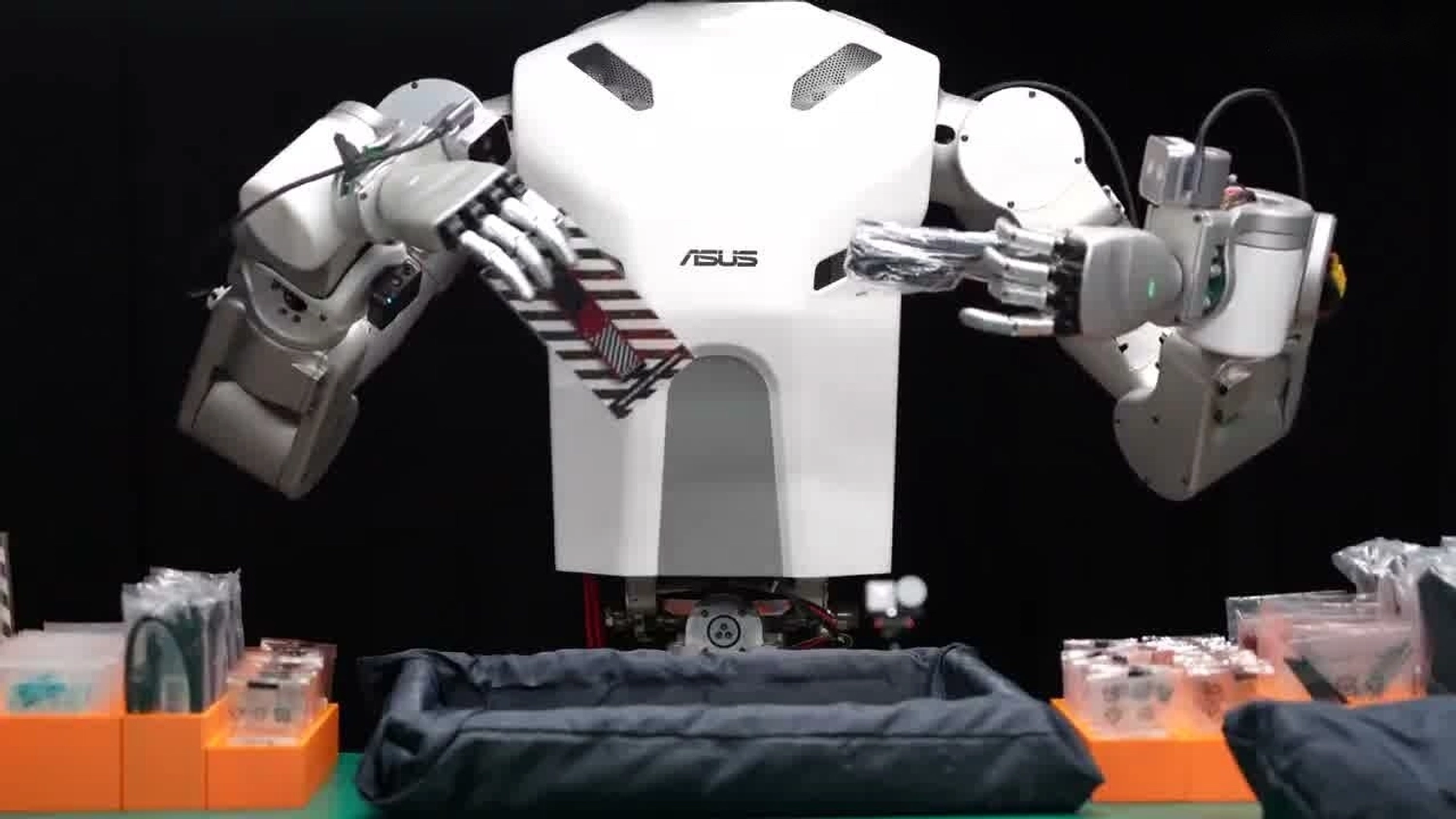
Gallop's first assignment is packing the accessories that ship inside a motherboard box at an ASUS group electronics manufacturing plant. Each board needs fifteen small parts, many of them sealed in thin, clear plastic bags, and a person takes about twenty seconds to pack one.
ASUS chose this station on purpose because it is difficult. Small, thin and soft parts are exactly what a simple robot gripper cannot handle. The company has set Gallop a target of a 99.5 percent success rate within twenty seconds per board, the same standard it holds human workers to, but it has not yet published how close the robot is to that goal.
What Gallop Looks Like Today
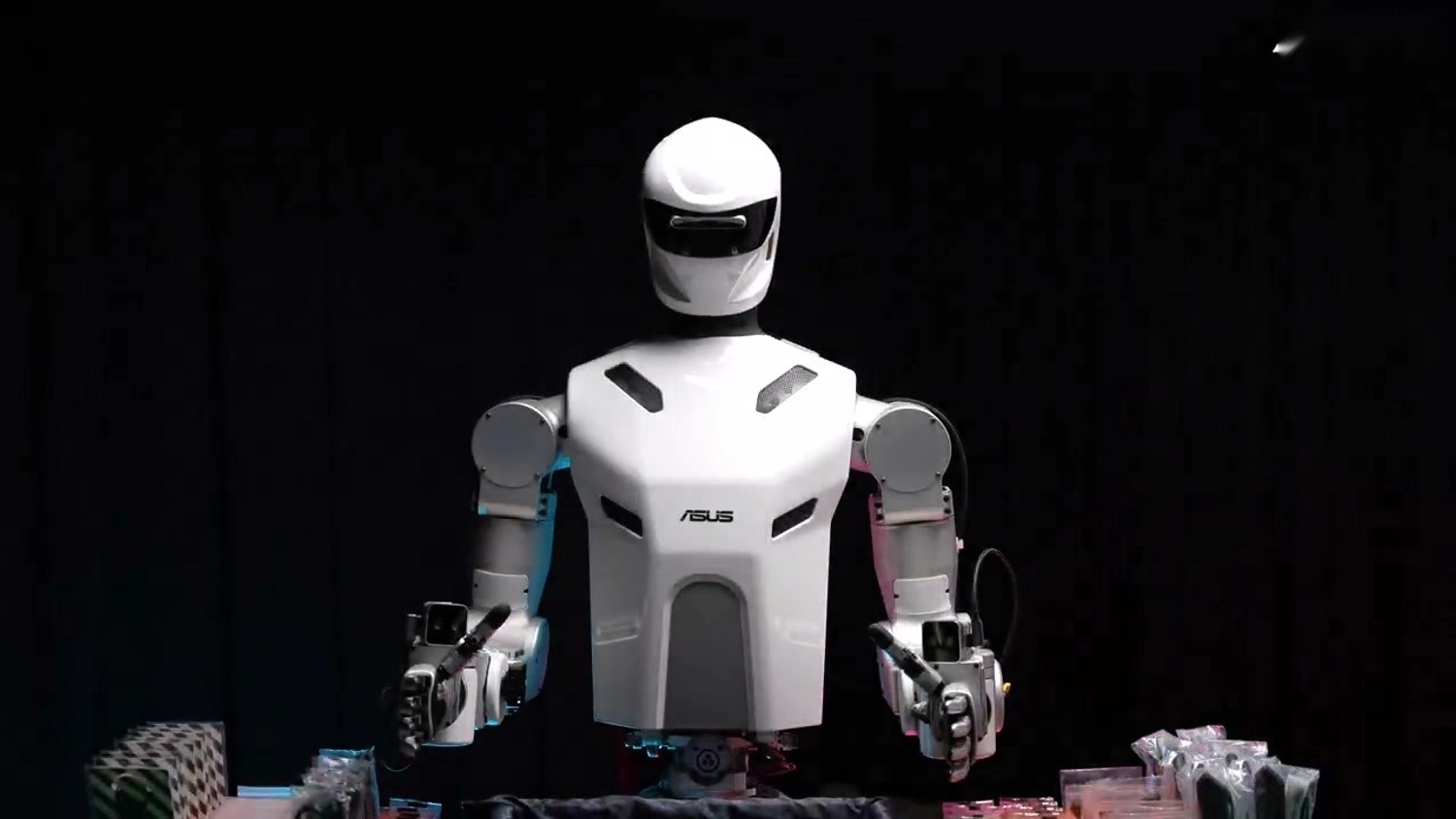
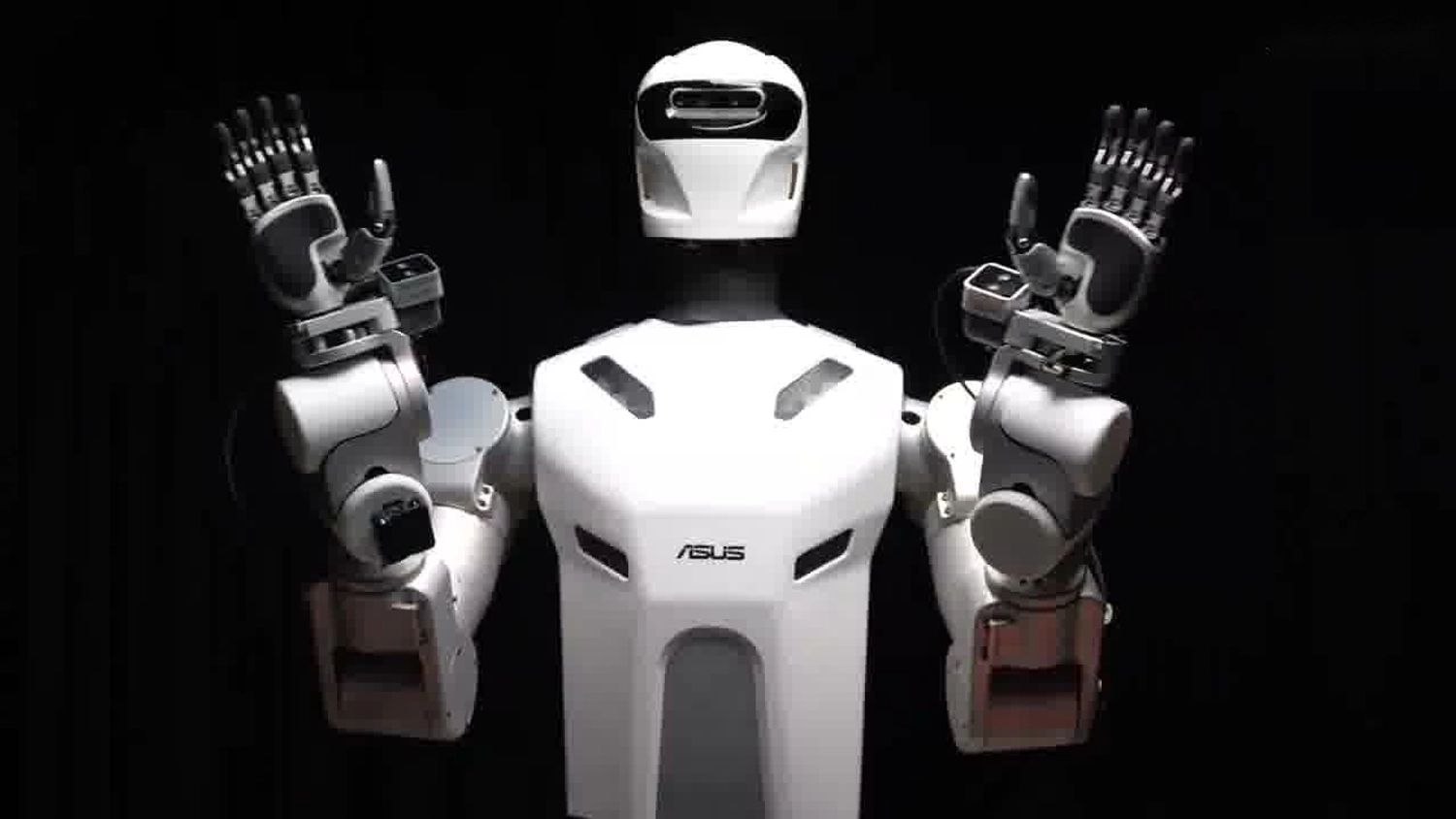
The current Gallop works from a fixed base. It has a white body, a helmet-like head and two humanlike arms that end in five-fingered hands, with small cameras mounted at the wrists. Because it is shaped roughly like a person, it can work at stations, with tools and trays that were designed for human hands, so a factory does not have to be rebuilt around it.
ASUS designs the robot body itself and is building its own dexterous hand with a sense of touch, which the company calls the hardest part of any humanoid and one that is still scarce worldwide. Motors and other standard components come from established partners. ASUS has not shared Gallop's height, weight or number of joints.
Learning by Watching Skilled Workers
ASUS does not train its own giant AI model for Gallop. Instead it starts from leading open models that already understand how hands and objects behave, then teaches the robot the specific job much like a new colleague. Experienced workers wear a small head camera, with their consent, so the robot can see how the task is really done.
Simulation then creates variations of each example so that small changes on the line do not surprise the robot. After that, an operator wearing a VR headset and gloves guides Gallop through the task on the same parts and with the same cameras as the real station. Once the robot is deployed, everything it records feeds back into its training.
A Robot With a Built-In Supervisor
Inside, Gallop's software is split into four layers. A planner looks at the scene, understands the job and breaks it into steps. A second AI acts as a supervisor, checking every step and re-planning when something goes wrong, while a skills layer handles reaching, grasping and placing.
The fourth layer controls the arms and hands precisely and stops the robot instantly if anything is wrong. The layers talk to each other through fixed connections, which means ASUS can swap in a better AI model every few months without rebuilding the robot. All of this runs on a single NVIDIA Jetson AGX Thor computer inside Gallop.
Why ASUS Thinks It Has an Edge
ASUS argues that its decades of combining hardware and software, from motherboards to PCs to servers, give it a head start. It already builds the kind of computing a robot depends on, and it owns electronics factories where it can test robots on real parts under real quality rules, something most robotics start-ups have to rent.
The company says the lesson so far is that its advantage is not simply more data but the right data: a real station, real parts and real quality standards. In its words, the factory workers are the teachers, and their know-how is what Gallop is built on.
Helping Workers, Not Replacing Them
ASUS says Gallop is not meant to replace employees. It is aimed at the repetitive, physically demanding stations that are hardest to staff, and the company's own rule is that a robot has to take over most of a job, because a machine that still needs a person standing beside it all day helps nobody.
The people who teach Gallop are expected to move into setting up, supervising and improving the robots. ASUS says that shift should make their experience more valuable rather than less.
Wheels, a New Hand and a 2028 Launch Target
Over the coming year ASUS plans to fit Gallop with its own dexterous hand, put the robot on wheels so it can move between stations, and show it to customers at Computex 2027 in Taipei. Customer pilots are planned for 2027, and ASUS is targeting the second half of 2028 for market availability. No price has been announced.
Electronics manufacturing comes first because it is the industry ASUS knows best. Since many jobs share the same pick-and-place skills, the company expects what Gallop learns in one place to carry over to others, eventually including hospitals and service sites.
Explore Humanoids
Sources
Related Articles
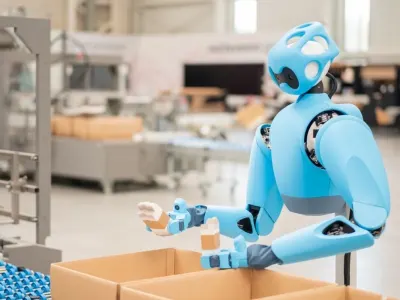
Swiss Startup Embodied AI Unveils AIR, a Humanoid That Learns Factory Jobs on the Shift

UBTECH and China Telecom's Device Arm Aim to Put 100,000 Humanoid Robots on the Market
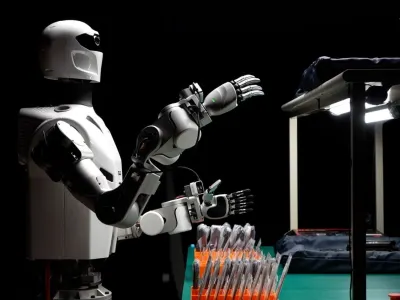
ASUS Gallop Is the PC Maker's First Humanoid Robot, and It Is Already Packing Motherboards on a Real Factory Line
Related Comparisons
Compare ASUS Gallop with similar robots
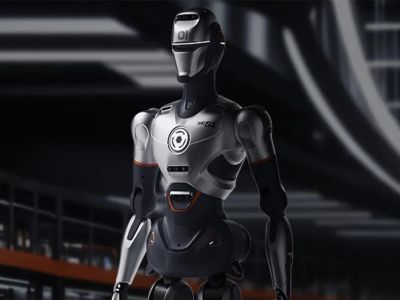
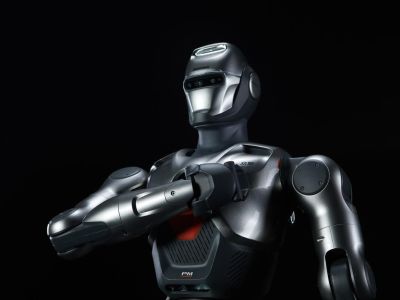
EngineAI SE01 vs EngineAI PM01
EngineAI SE01 vs PM01: joint strength, payload, hands, battery and software compared, with a clear pick for factory work and for research labs.
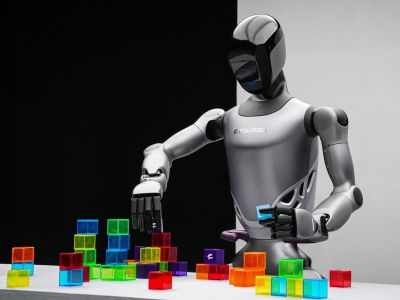
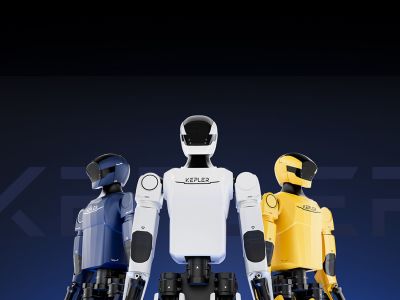
GR-2 vs Forerunner K2
Fourier GR-2 vs Kepler Forerunner K2: payload, battery life, hands and software compared, with a clear pick for labs and for factories.
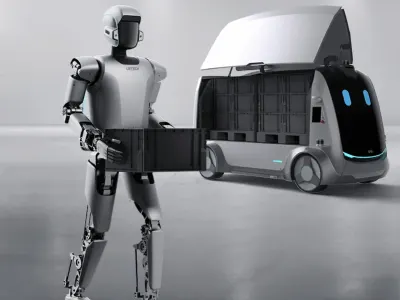
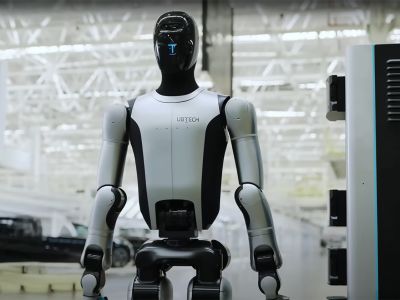
Walker S1 vs Walker S2
Walker S1 vs Walker S2 from UBTECH: speed, battery swap, sensors and software compared, with a clear pick for each factory need.
Unitree R1 vs Unitree H2
Unitree R1 vs Unitree H2: height, battery, joints, arms and software compared, with a clear pick by budget, space and project.
Learn More About This Robot
Discover detailed specifications, reviews, and comparisons for ASUS Gallop.
View Robot Details →