Noble Machines Unveils Moby 3 Humanoid for Hazardous Industrial Tasks at Nvidia GTC 2026
Robot Details
Moby 3 • Noble MachinesPublished
June 30, 2026
Reading Time
3 min read
Author
Origin Of Bots Editorial Team
A New Hazardous Workforce
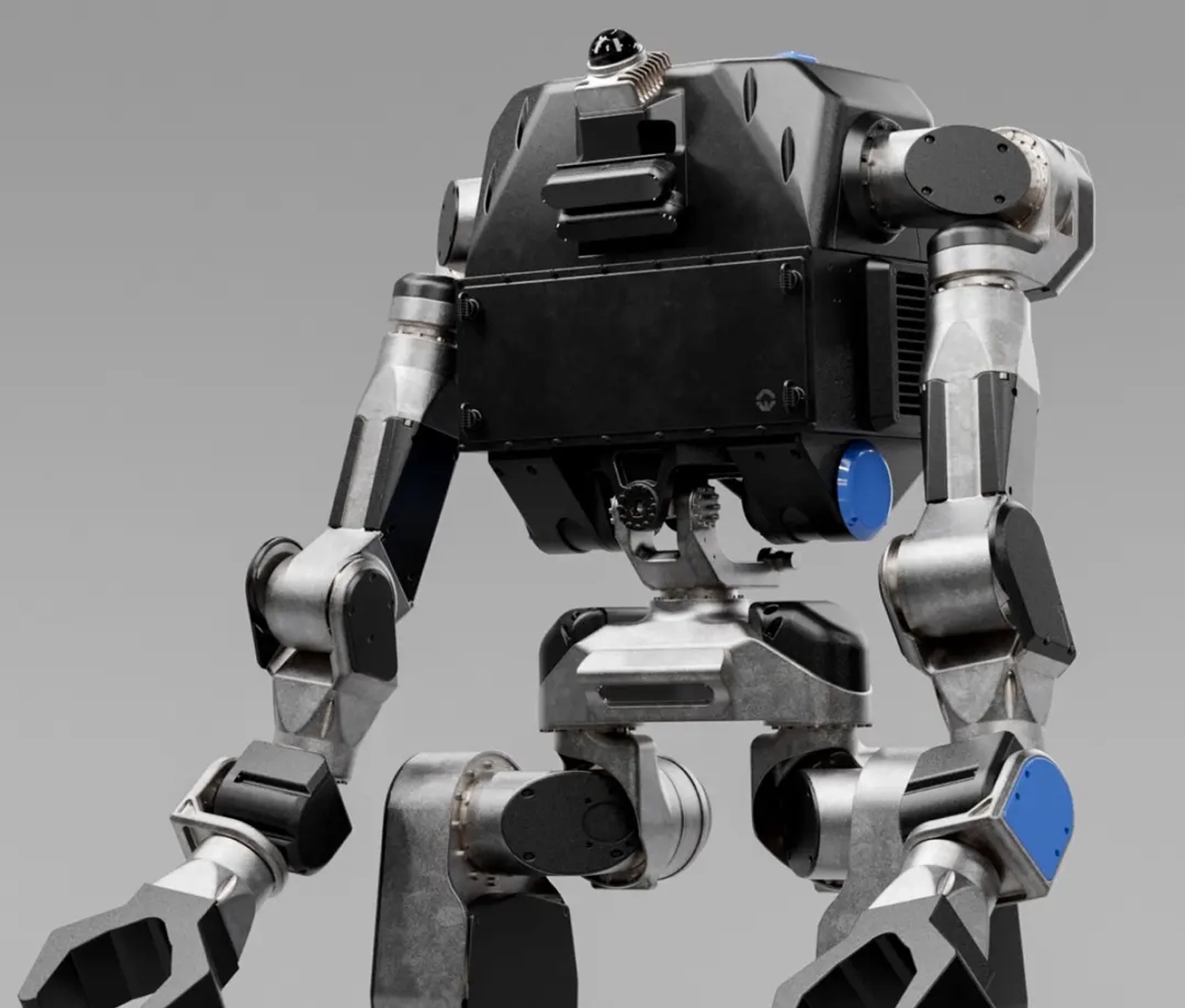
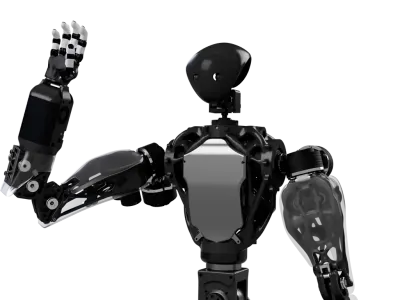
The global industrial sector faces escalating risks in hazardous environments where human exposure to danger remains a critical challenge. At the Nvidia GTC 2026 conference, Noble Machines, led by CEO Wei Ding, unveiled its third-generation humanoid robot, Moby 3, specifically designed to perform physically demanding and hazardous industrial tasks. This demonstration marks the company's transition from stealth development to showcasing a robot engineered to replace humans in high-risk zones like construction sites and unstable terrain.
Why Moby 3 Matters
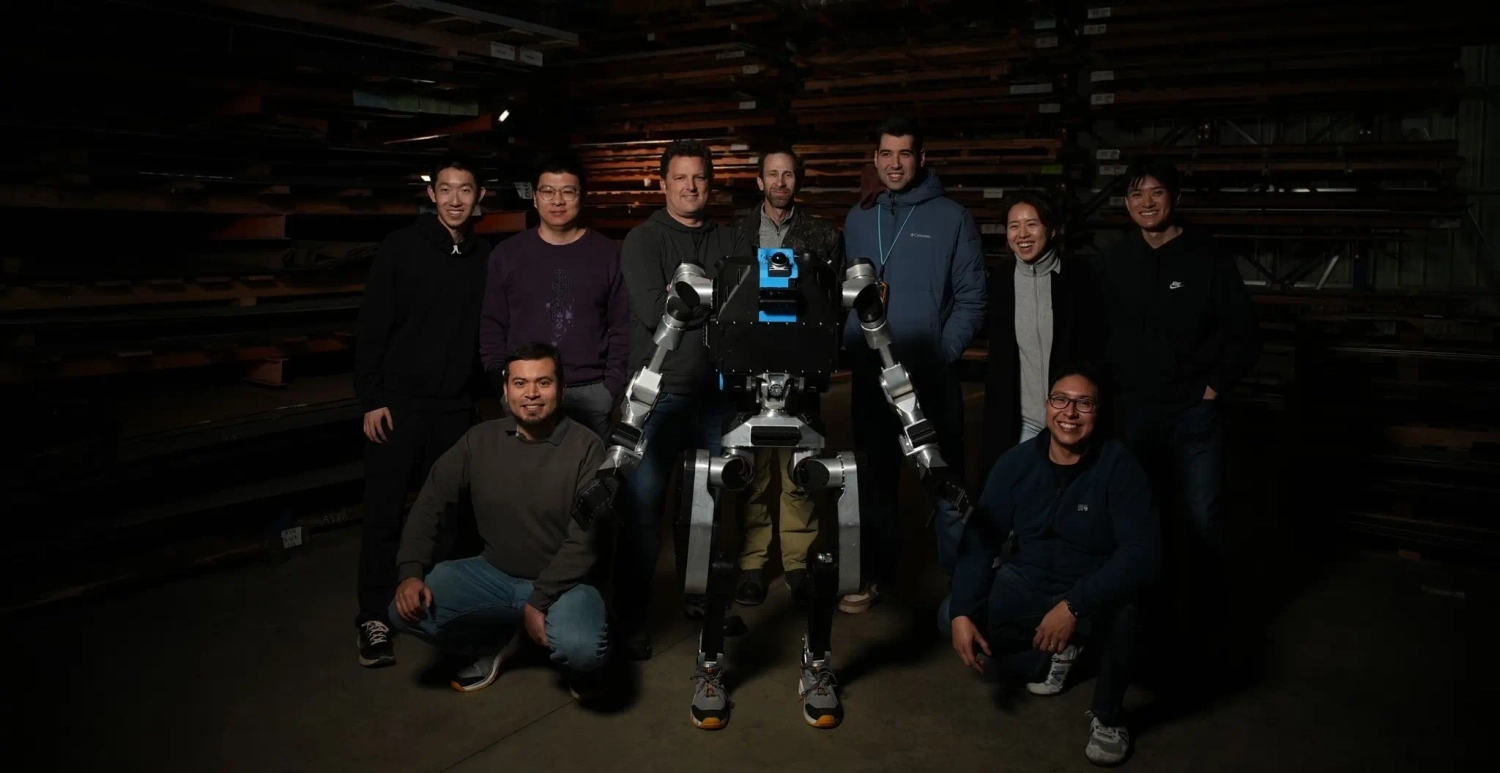
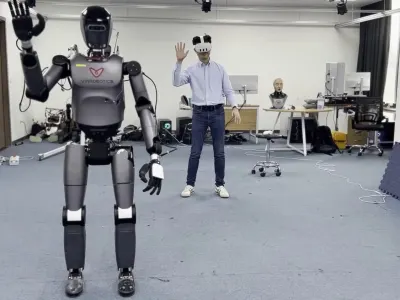
Moby 3 distinguishes itself through full-body coordination that enables natural interaction with complex job sites rather than rigid, pre-programmed movements. Its real-time imitation fidelity allows operators to teach the robot new skills through direct demonstration, bypassing the need for extensive coding libraries. The system supports teleoperation capabilities, letting experts intervene remotely when specific judgment is required during hazardous inspections. Moby 3 is less about hardware strength and more about redefining how humans control robots at scale for dangerous work.
From Input to Action
The robot operates through a streamlined flow where human motion input is captured and processed by an AI model to generate precise joint actuation. This system continuously calculates balance corrections to maintain stability on uneven surfaces like scaffolding or stairs while manipulating tools. The output is a seamless physical response that mimics human dexterity and weight distribution, ensuring the robot can carry packages or instruments without tipping.
Construction Material Handling
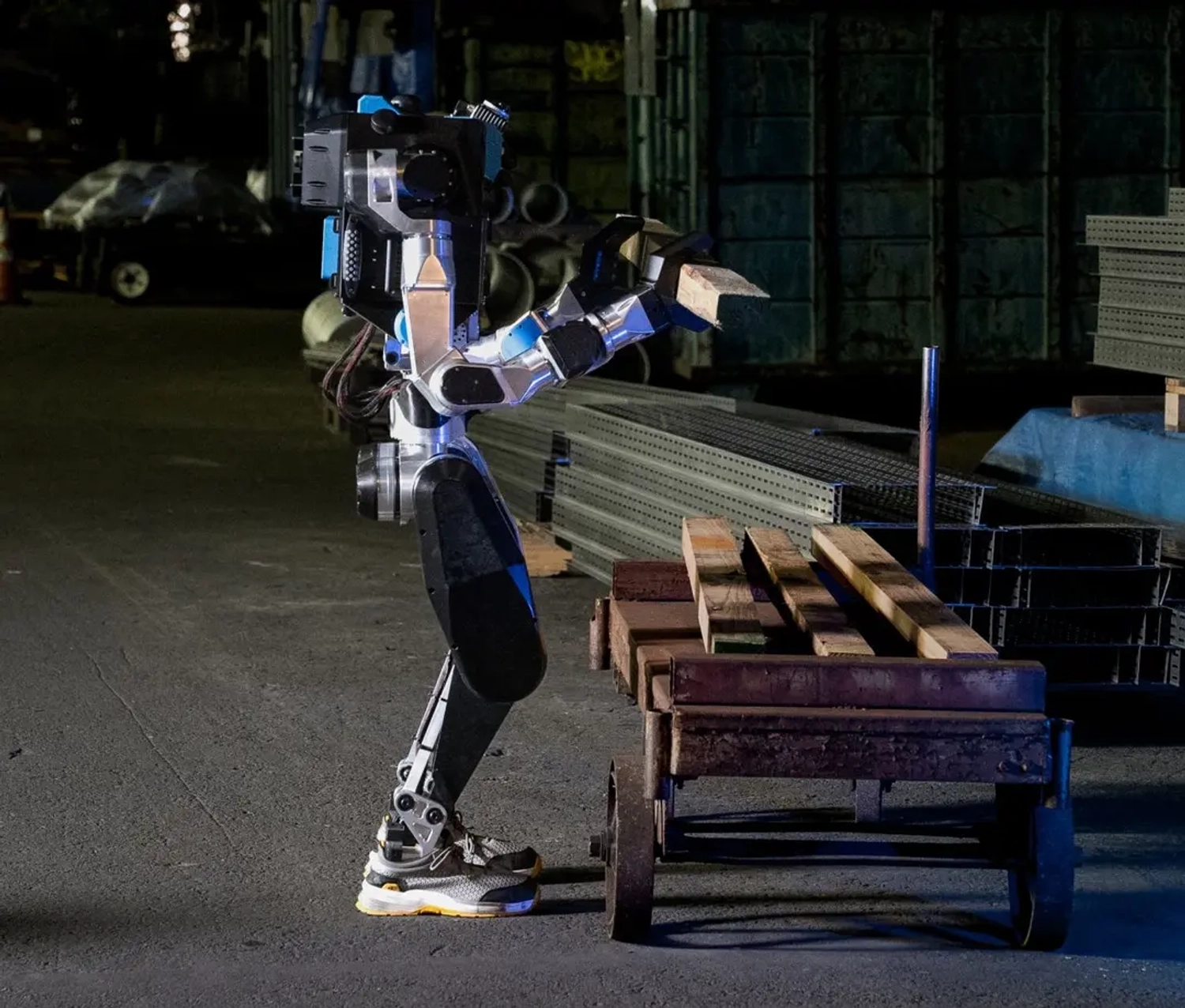
In construction material handling, Moby 3 is deployed to transport heavy loads across cluttered job sites where traditional wheeled robots cannot navigate. The robot lifts and carries materials up scaffolding or through narrow corridors, reducing the physical strain on construction crews and minimizing injury risks. By taking over these repetitive and dangerous lifting tasks, the robot allows human workers to focus on higher-value assembly work while maintaining safety on the front line.
Specs That Enable Capability
The Moby 3 stands 170 cm tall with a compact 55 cm width, allowing it to navigate human-designed spaces without facility redesign. Its 57 kg weight supports a payload capacity for tools and precision instruments, while a walking speed of 0.8 m/s ensures steady progress through unstable terrain. The robot features a battery life of 4 to 5 years and integrates RGB, stereo, and ultrasonic sensors for robust visual SLAM and LiDAR mapping in low-light industrial conditions.
Industry Signal
The development of Moby 3 signals a decisive industry shift toward teleoperation-first humanoids that prioritize human collaboration over replacing pre-programmed motion libraries. Manufacturers are increasingly focusing on robots that can learn physical skills through language and demonstration, enabling rapid adaptation to new hazardous tasks. This approach suggests the future of industrial automation will rely on human oversight guiding intelligent machines rather than isolated, fully autonomous systems.
Explore Humanoids
Sources
Related Articles

Faraday Future Launches FF Futurist, First U.S. Full-Size Humanoid with NVIDIA Sonic Motion Control
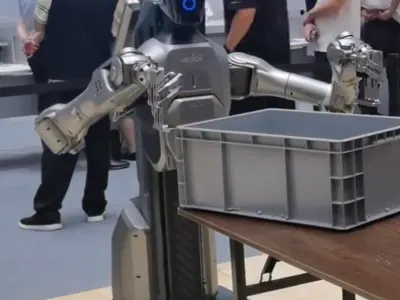
UBTECH Robotics Unveils Cruzr Y1 Wheeled Humanoid for Industrial Warehouse Operations
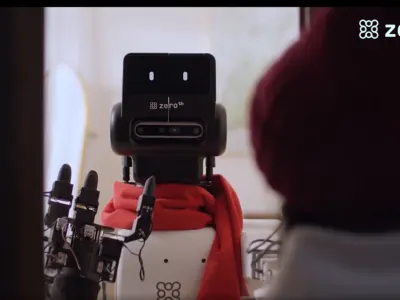
Zeroth Unveils Sean, a Practical Humanoid Robot for Home Tasks and Teleoperation Training

Donut Robotics Unveils Cinnamon 1, the First Mass-Produced Gesture-Controlled Humanoid from a Japanese Brand
Related Comparisons
Compare Moby 3 with similar robots

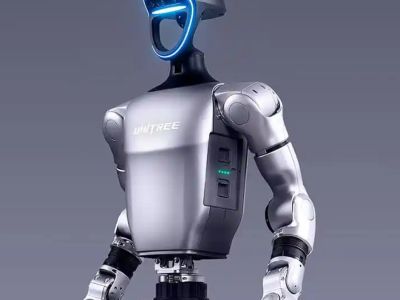
Optimus vs Unitree G1
Compare Optimus vs Unitree G1 for humanoid mobility, dexterity, autonomy, and payload capacity.
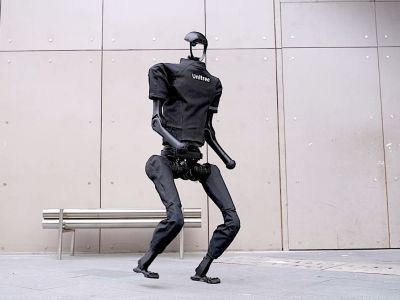
Unitree G1 vs Unitree H1
Head-to-head: Unitree G1 vs Unitree H1 compared on bipedal balance, AI learning, and real-world deployment.
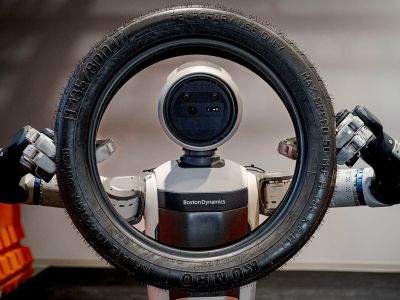
Optimus vs Atlas (Electric 2025)
In-depth comparison of Optimus and Atlas (Electric Atlas, 2025), covering hardware capabilities, teleoperation, and enterprise readiness.

Ameca vs Moya
Which humanoid robot is better? Ameca vs Moya compared for dexterity, AI capabilities, and price.
Learn More About This Robot
Discover detailed specifications, reviews, and comparisons for Moby 3.
View Robot Details →