Faraday Future Launches FF Futurist, First U.S. Full-Size Humanoid with NVIDIA Sonic Motion Control
Robot Details
FF Futurist • Faraday FuturePublished
June 28, 2026
Reading Time
4 min read
Author
Origin Of Bots Editorial Team
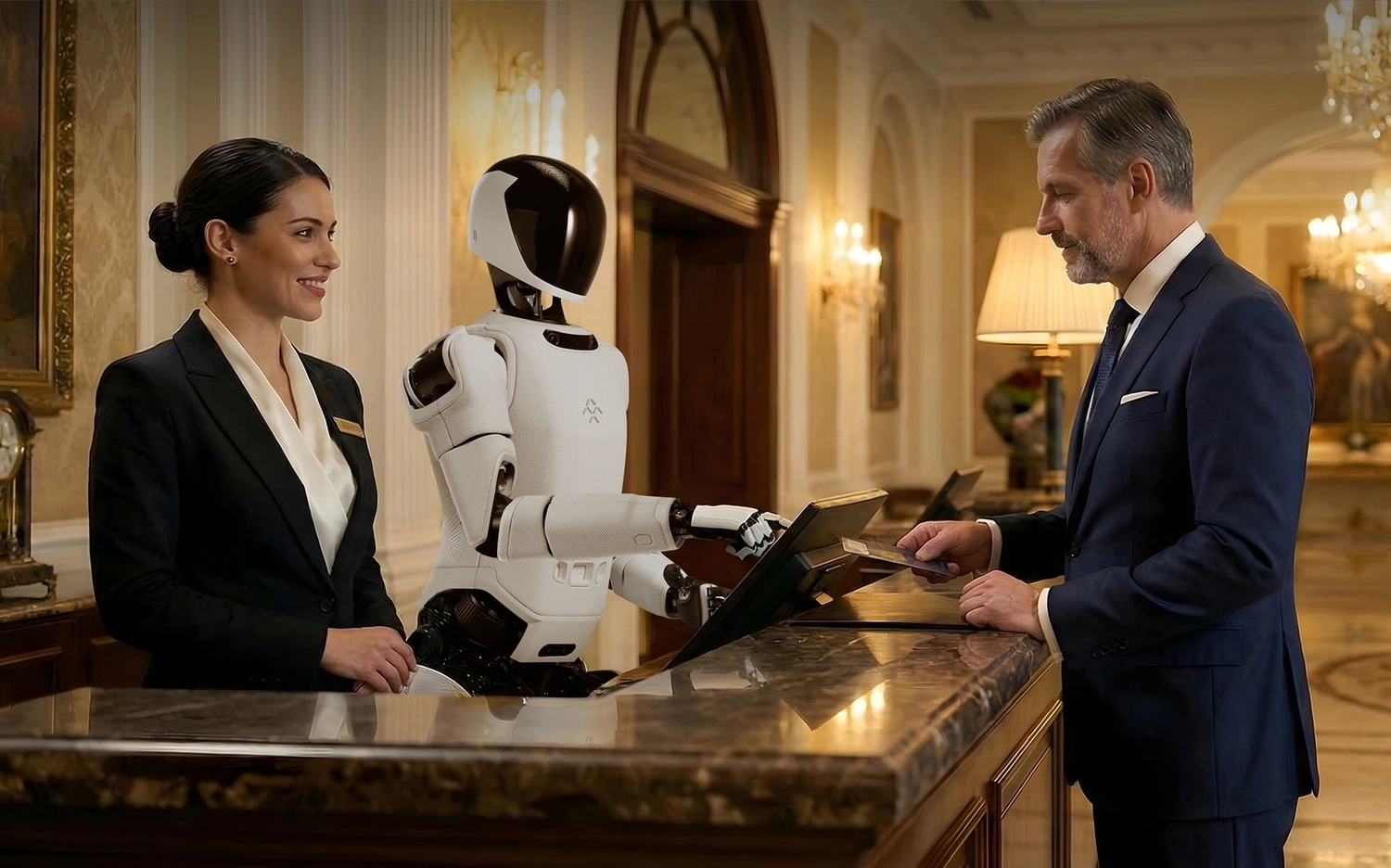
Global Debut and Core News
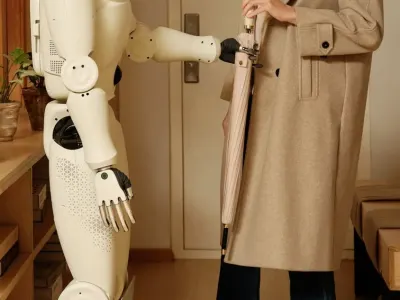
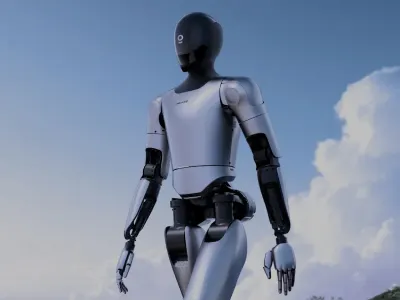
The global robotics sector faces a critical challenge in achieving real-time, full-body motion imitation and balance for human-centric tasks, a hurdle Faraday Future recently overcame by officially launching the FF Futurist on June 16, 2026, at the Automate show in Chicago. This new humanoid robot is the first full-size device in the United States to natively support NVIDIA Sonic's full-body motion control system, marking a significant shift from pre-programmed libraries to dynamic, operator-driven interaction. The launch, which included the introduction of the robot at a major industry event, positions the FF Futurist as an all-in-one professional expert designed for reception, concierge service, and warehouse support.
Why This Robot Matters
The FF Futurist stands out through its ability to deliver full-body coordination, natural interaction with humans, and high-fidelity real-time imitation of operator movements, which are essential for complex teleoperation tasks. Unlike many competitors that rely on static motion libraries, this robot translates human motion input directly into joint actuation and balance correction, allowing for seamless remote inspection in hazardous zones. Its integration of advanced sensors like LiDAR and RGB-D vision further enhances its ability to perceive and interact safely in dynamic environments. The FF Futurist is less about raw hardware specs and more about redefining how humans control robots at scale through teleoperation.
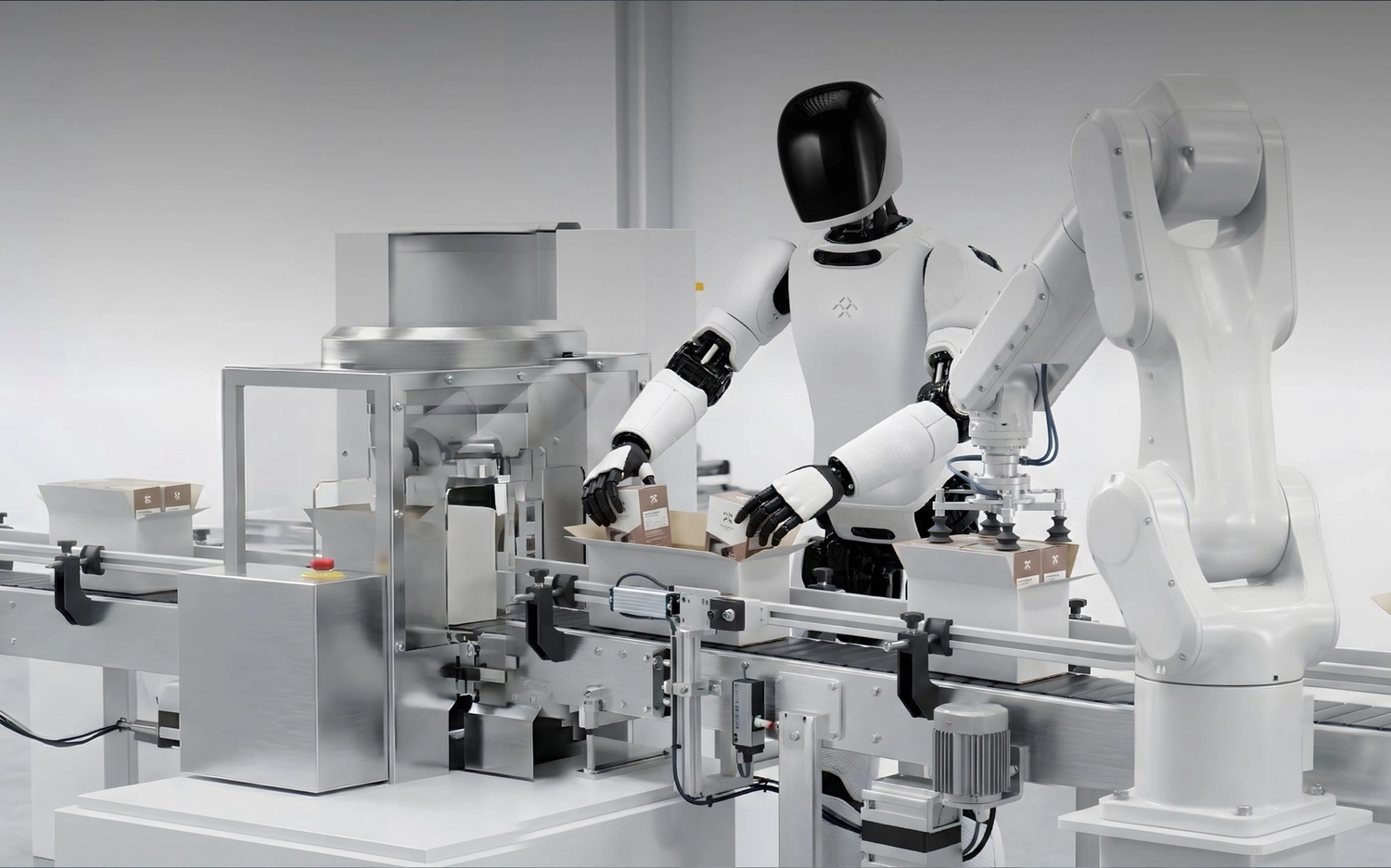
Technical Flow Explained
The robot's technical architecture follows a clear input-to-output flow where human motion input is captured by its sensor array and processed by a proprietary embodied-AI stack built on an NVIDIA-based motion-control architecture. This AI model then directs joint actuation across its 31 degrees of freedom while simultaneously executing balance corrections to maintain stability during bipedal walking. The system integrates visual SLAM and LiDAR mapping for navigation, ensuring the robot can move autonomously within indoor spaces while remaining responsive to external operator commands. This seamless flow enables the robot to act as a true physical extension of a human operator in real-world scenarios.
One Deep Use Case
A primary deployment scenario for the FF Futurist is its role as a remote inspection assistant in hazard zones, where it can be teleoperated by a human worker to navigate dangerous environments without risking human safety. In this use case, the robot utilizes its force/torque sensing and collision detection features to interact with objects and avoid obstacles while providing real-time visual feedback to the operator. Its ability to carry tools and service items allows it to perform maintenance tasks or hazard assessments in industrial settings that are inaccessible to humans. This application highlights the robot's value in high-stakes environments where human presence is restricted.
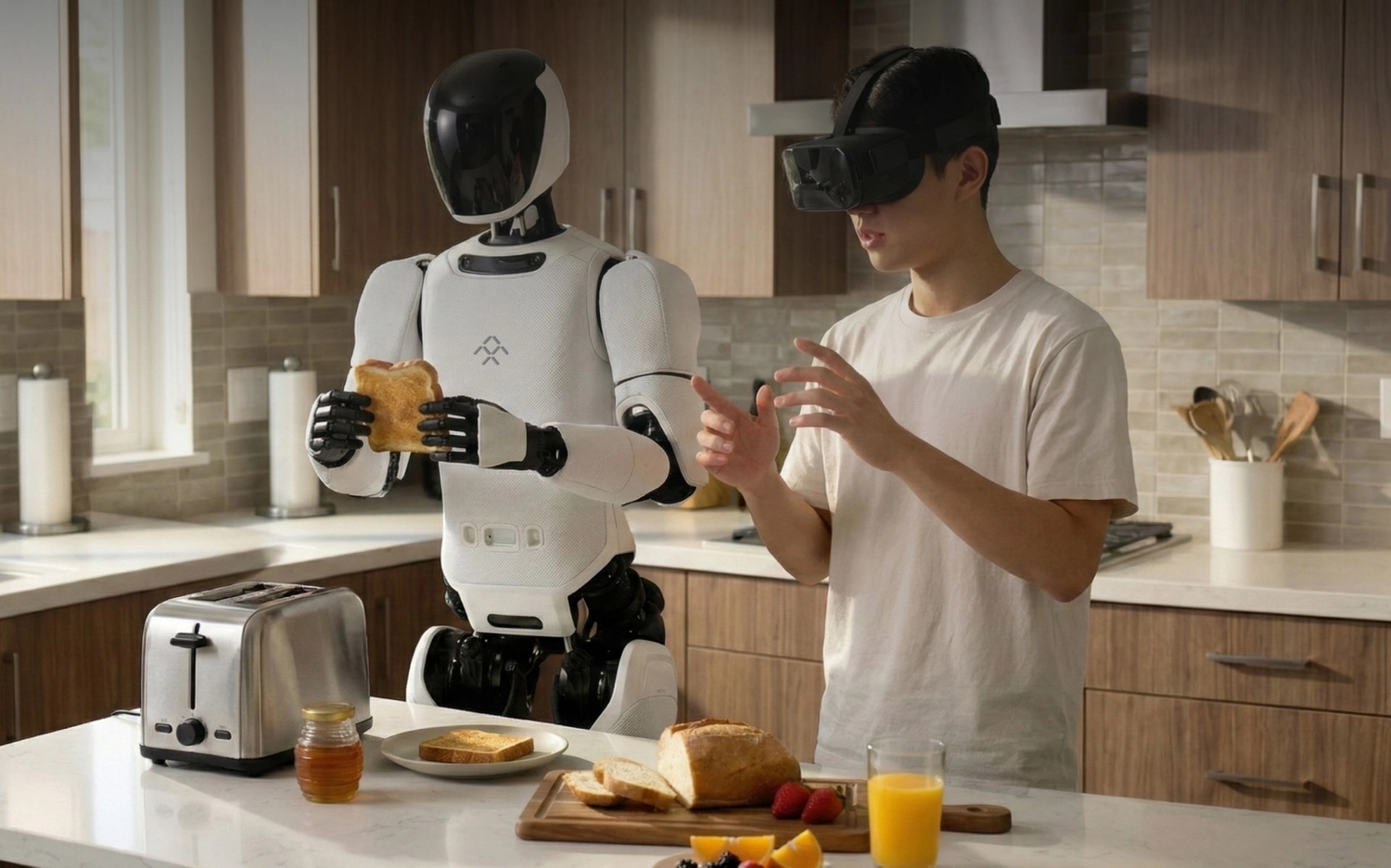
Specs as Real Capability
The FF Futurist is designed with a stature of approximately 169 cm (5 ft 7 in) and a weight of 69 kg (152 lbs), making it a full-size professional humanoid capable of handling diverse payloads. It moves at a speed of 3.6 km/h (1.2 m/s), which is optimized for safe, controlled interaction rather than rapid running, and features a battery life reported to last 3 to 5 years for long-term deployment. The robot is equipped with a comprehensive sensor suite including RGB cameras, stereo cameras, depth/RGB-D vision, LiDAR, and an IMU, enabling robust perception for indoor navigation and human interaction. These specifications are engineered to support its role as a reliable, long-term professional assistant in various service and industrial settings.
Rivals Edge Check
| Robot | Key Advantage | Where FF Futurist Wins | Target Use |
|---|---|---|---|
| Embodied Tien Kung 3.0 | Advanced autonomous task execution | Superior real-time teleoperation fidelity | Remote inspection in hazard zones |
| AgiBot A2 Ultra | High-speed bipedal locomotion | Native NVIDIA Sonic motion control integration | Professional concierge and reception |
| Jupiter | Multi-sensor fusion for outdoor navigation | Optimized indoor SLAM and safety features | Warehouse support and event hosting |
| MagicBot Gen1 | Low-cost scalable deployment | Full-size professional payload capacity | Workplace assistance and inspection |
Industry Direction Signal
This development signals a pivotal shift in the humanoid industry toward teleoperation-first architectures, where robots act as direct physical extensions of human operators rather than pre-programmed autonomous agents. Faraday Future's decision to prioritize the NVIDIA Sonic system suggests that the market is moving away from generic motion libraries to specialized, real-time control systems that enable more natural and responsive human-robot interaction. This trend indicates that future humanoid deployments will increasingly rely on human oversight for safety and precision, particularly in critical sectors like hazard-zone assistance and industrial inspection.
Explore Humanoids

Sources
Related Articles
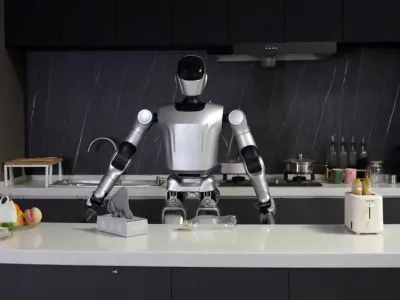
Leju Robotics positions KUAVO 5 as a teleoperation-first humanoid for factories and service spaces
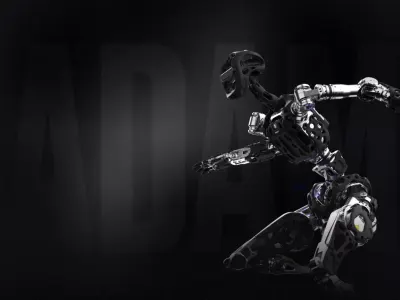
PNDbotics pushes Adam-U as a stationary humanoid built for manipulation data, teleoperation training
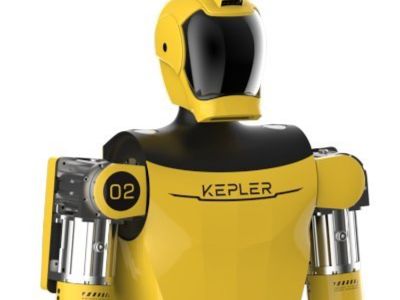
Kepler Robotics Launches Mass Production of K2 "Bumblebee," the First Commercial Hybrid-Architecture Humanoid
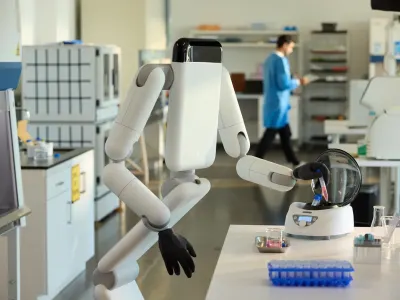
Genesis AI unveils Eno, a teleoperation-first humanoid aimed at labs, factories and service spaces
Related Comparisons
Compare FF Futurist with similar robots

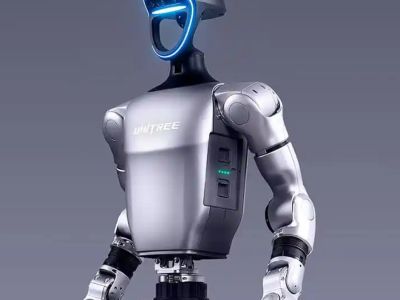
Optimus vs Unitree G1
Compare Optimus vs Unitree G1 for humanoid mobility, dexterity, autonomy, and payload capacity.
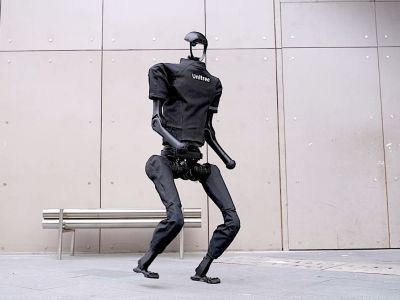
Unitree G1 vs Unitree H1
Head-to-head: Unitree G1 vs Unitree H1 compared on bipedal balance, AI learning, and real-world deployment.
Optimus vs Atlas (Electric Atlas, 2025)
In-depth comparison of Optimus and Atlas (Electric Atlas, 2025), covering hardware capabilities, teleoperation, and enterprise readiness.

Ameca vs Moya
Which humanoid robot is better? Ameca vs Moya compared for dexterity, AI capabilities, and price.
Learn More About This Robot
Discover detailed specifications, reviews, and comparisons for FF Futurist.
View Robot Details →