Genesis AI unveils Eno, a teleoperation-first humanoid aimed at labs, factories and service spaces
Robot Details
Eno • Genesis AIPublished
June 17, 2026
Reading Time
3 min read
Author
Origin Of Bots Editorial Team
A New Humanoid Push
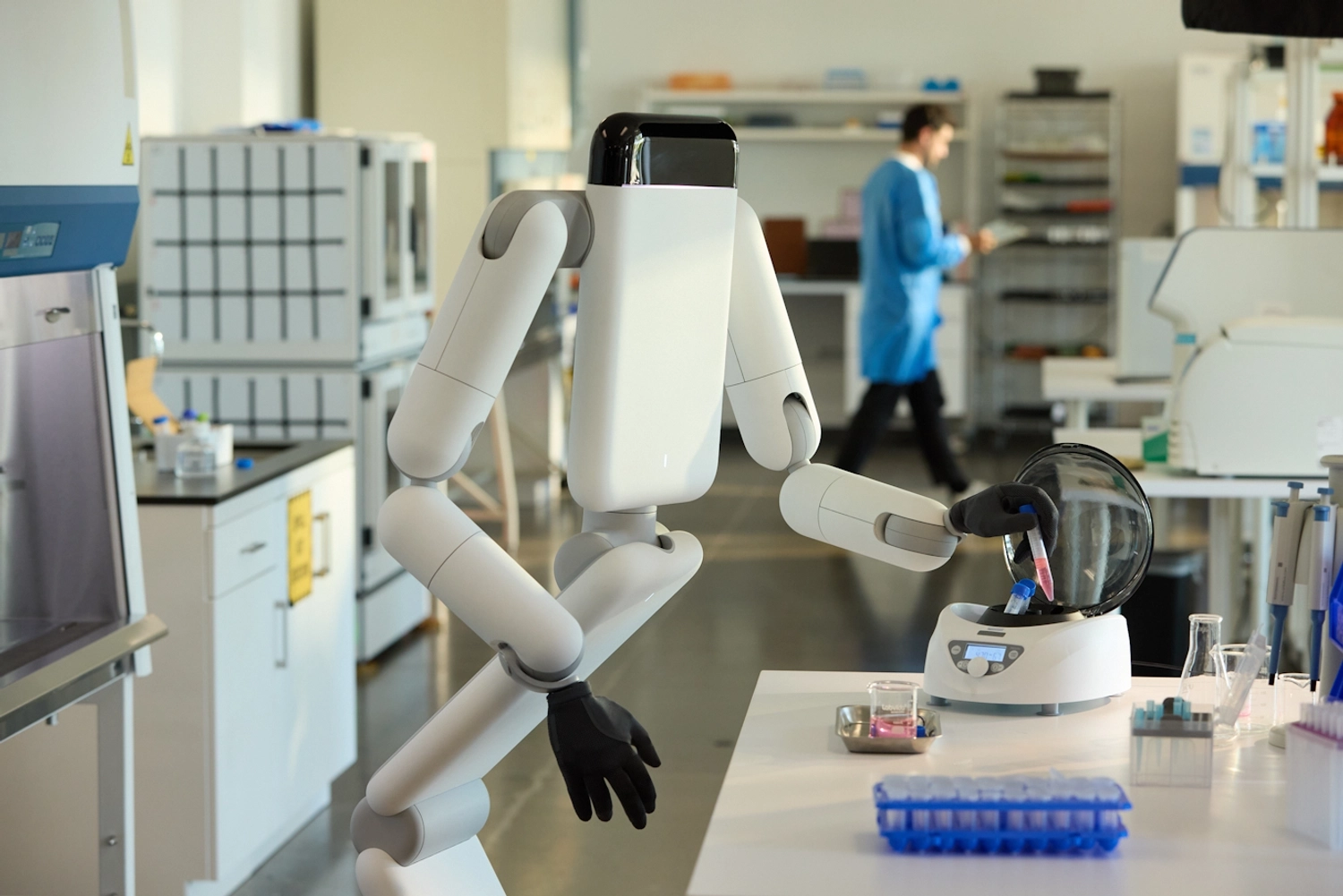
Humanoid robots are being built to handle the hardest part of physical work: matching human motion, keeping balance, and manipulating objects in spaces designed for people. Genesis AI on June 16 unveiled Eno, its first general-purpose robot, and said the system is designed around the company’s GENE robotics foundation model for real-world work across industrial and service settings.
Why It Stands Out
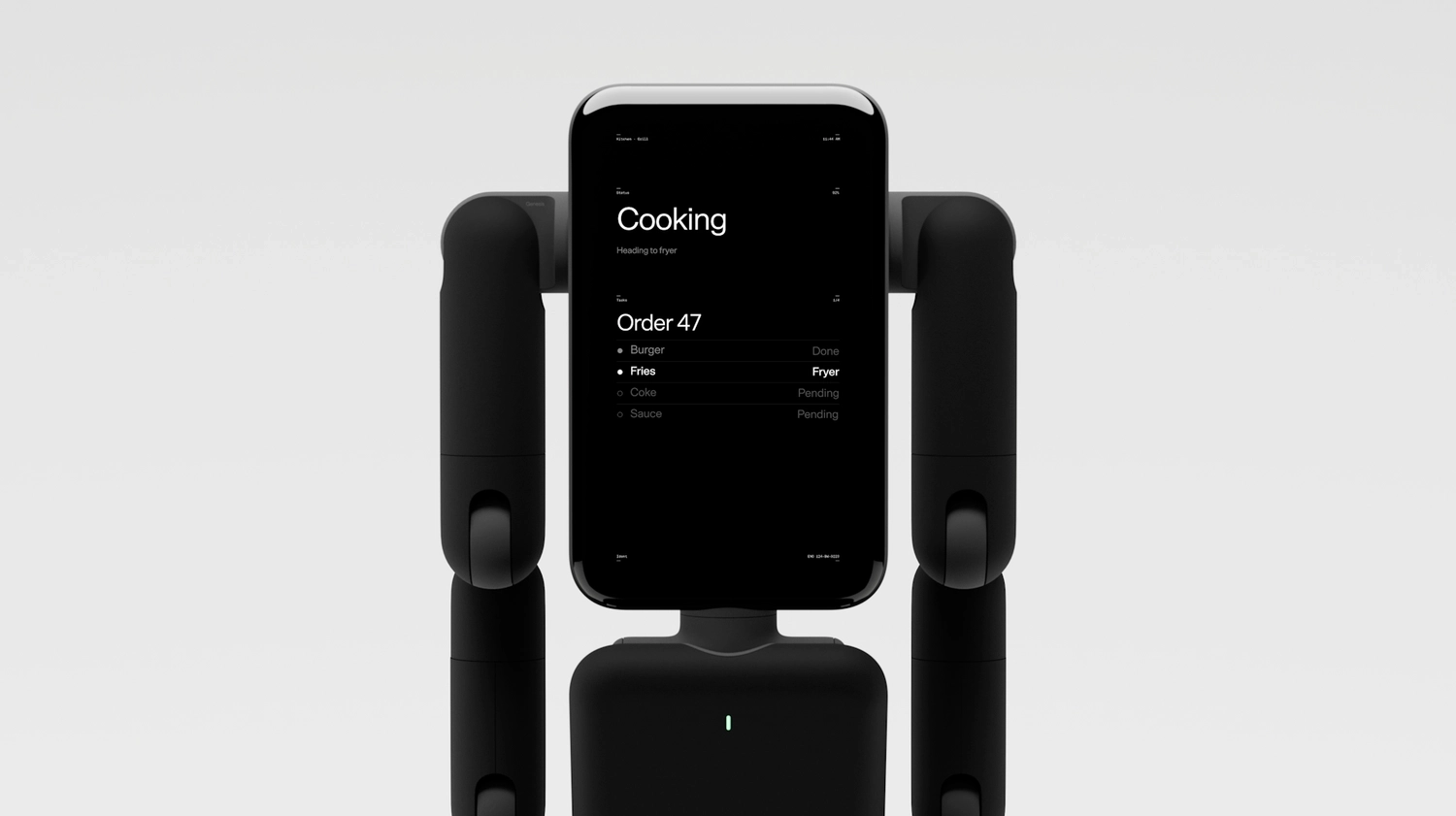
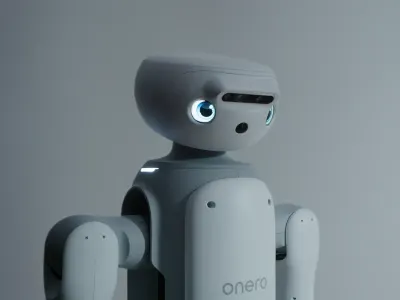
Eno’s significance is less about a single demo stunt than about the way Genesis AI is framing humanoids as coordinated systems for teleoperation and assisted work. The company says GENE is meant to guide long-horizon tasks, and Eno’s collaborative design centers on human interaction, including back-drivable hands and an optional intent display screen for sharing what the robot is doing. The emphasis on real-time imitation fidelity and operator awareness places Eno in a growing camp of humanoids built for supervised work rather than fully autonomous roaming. Eno is a software-led humanoid story wrapped in a practical collaboration model.
How It Works
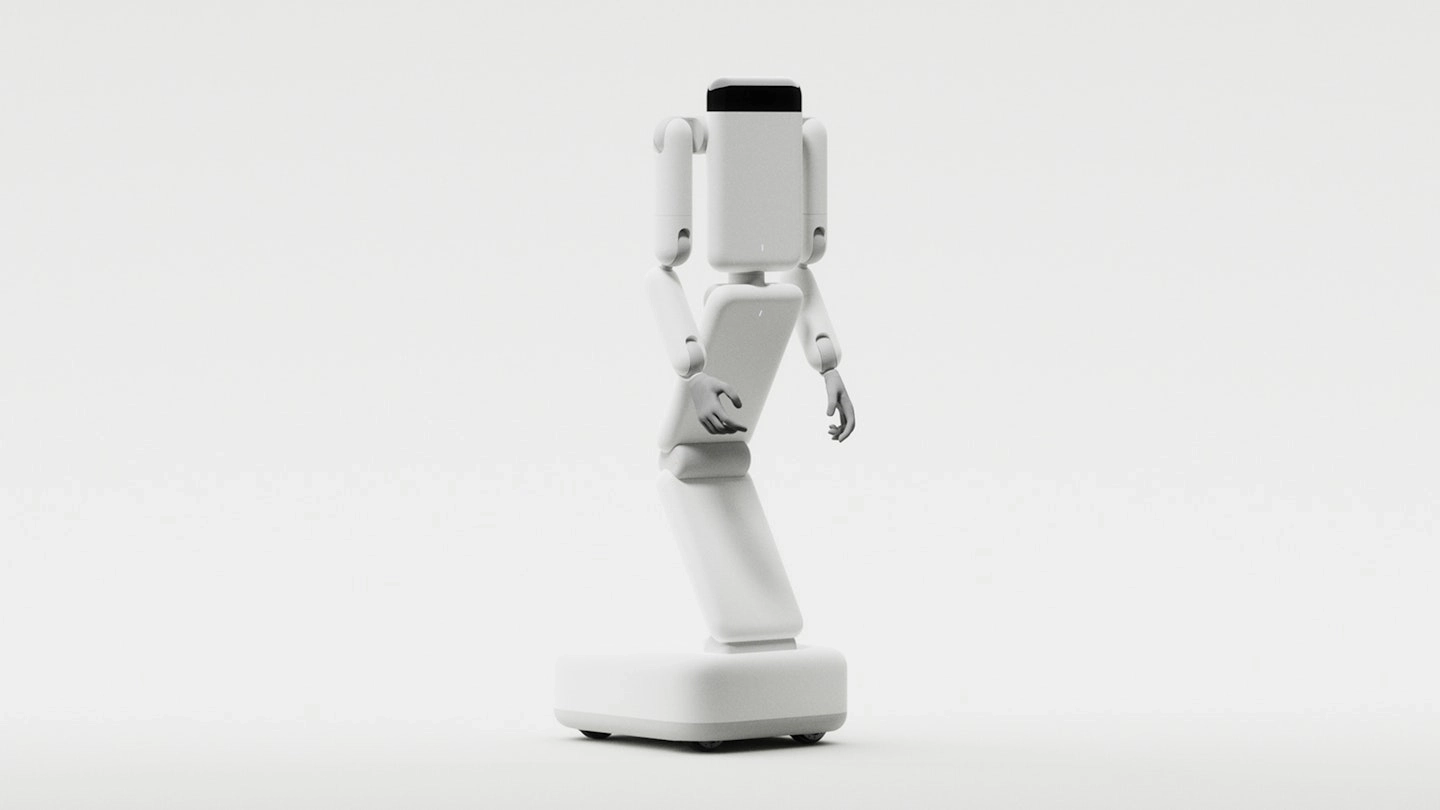
The technical flow is straightforward: human motion input, AI model processing, then joint actuation and balance correction. Genesis AI says Eno is paired with GENE, which interprets goals, retains context, and helps the robot carry out multi-step manipulation tasks while its wheeled body provides mobile positioning in human environments. That setup matters because the robot is meant to translate operator intent into coordinated movement rather than depend on fixed motion scripts.
Lab Work In Focus
One concrete use case is lab pipetting, where Eno is being positioned as a helper for repetitive, precise handling in shared workspaces. In that setting, the value of a humanoid is not speed but consistency, visibility, and the ability to operate around people and standard lab equipment. Genesis AI’s reported plan to start with industrial customers before moving into service settings fits that phased, supervised deployment model.
What The Specs Suggest
The verified hardware details point to a robot built for controlled manipulation rather than heavy autonomy. Eno is reported to use an onboard camera and tactile sensors in each hand, plus additional vision sensors that have not been publicly disclosed, giving it close-range feedback for grasping and object handling. Genesis AI also says the robot has wheeled mobile navigation, back-drivable hands, and an optional intent display screen, while dimensions, weight, speed, battery life, and most mapping details remain undisclosed.
Rivals Edge Check
| Robot | Key Advantage | Where Eno Wins | Target Use |
|---|---|---|---|
| David | Human-centric humanoid positioning | Eno emphasizes GENE-driven teleoperation and intent display for clearer supervision | Assisted service and remote work |
| Onero H1 | Full-body humanoid coordination | Eno’s wheeled base and collaborative hand design may suit indoor tasks more efficiently | Human-centric spaces |
| Tara Gen 2 | General-purpose manipulation focus | Eno pairs manipulation with operator-facing transparency and mapping to shared workplaces | Lab and industrial support |
| CUE7 | Task execution in service environments | Eno’s reported multimodal hand sensing and teleoperation-first framing improve supervised flexibility | Service interactions |
A Teleoperation Shift
Genesis AI’s launch also reinforces a broader industry move toward teleoperation-first humanoids, especially for factories, labs, and other human-dense settings. The company says production and targeted customer deployments are planned for the end of 2026, which makes Eno part of a near-term commercialization race rather than a distant research program. If that timeline holds, the real competitive question will be whether humanoids can prove repeatable usefulness in supervised work before they prove full independence.
Explore Humanoids

Related Articles
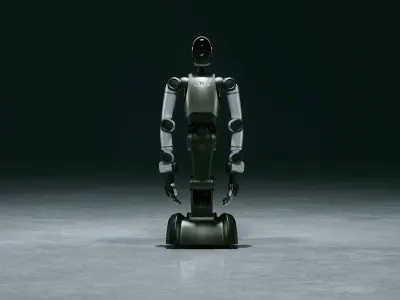
Techman Robot’s TM Xplore I debuts as a wheeled humanoid aimed at factory work and teleoperation
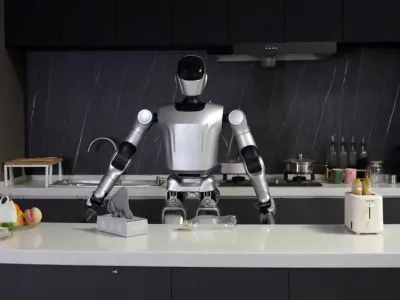
Leju Robotics positions KUAVO 5 as a teleoperation-first humanoid for factories and service spaces
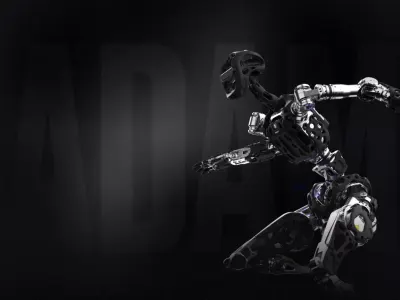
PNDbotics pushes Adam-U as a stationary humanoid built for manipulation data, teleoperation training
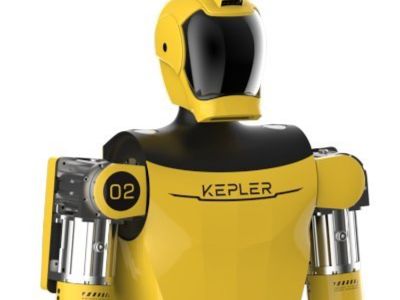
Kepler Robotics Launches Mass Production of K2 "Bumblebee," the First Commercial Hybrid-Architecture Humanoid
Related Comparisons
Compare Eno with similar robots
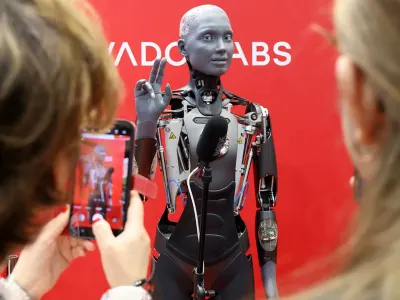

Ameca vs Moya
Which humanoid robot is better? Ameca vs Moya compared for dexterity, AI capabilities, and price.

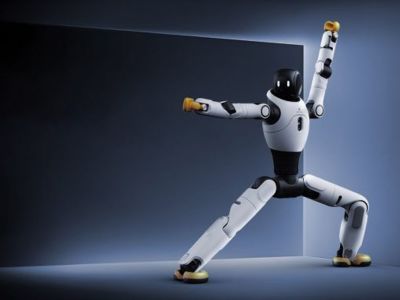
Unitree G1 vs AgiBot X2-N
Compare Unitree G1 vs AgiBot X2 for humanoid mobility, dexterity, autonomy, and payload capacity.
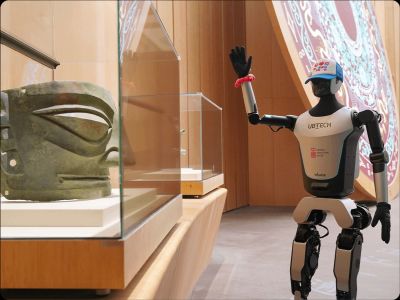
Walker C vs Cruzr S2
In-depth comparison of Walker C and Cruzr S2, covering hardware capabilities, teleoperation, and enterprise readiness.
Figure 03 vs Optimus Gen 3
In-depth comparison of Figure 03 and Optimus Gen 3, covering hardware capabilities, teleoperation, and enterprise readiness.
Learn More About This Robot
Discover detailed specifications, reviews, and comparisons for Eno.
View Robot Details →