Techman Robot’s TM Xplore I debuts as a wheeled humanoid aimed at factory work and teleoperation
Robot Details
TM Xplore 1 • Techman RobotPublished
June 11, 2026
Reading Time
3 min read
Author
Origin Of Bots Editorial Team
A factory-built humanoid
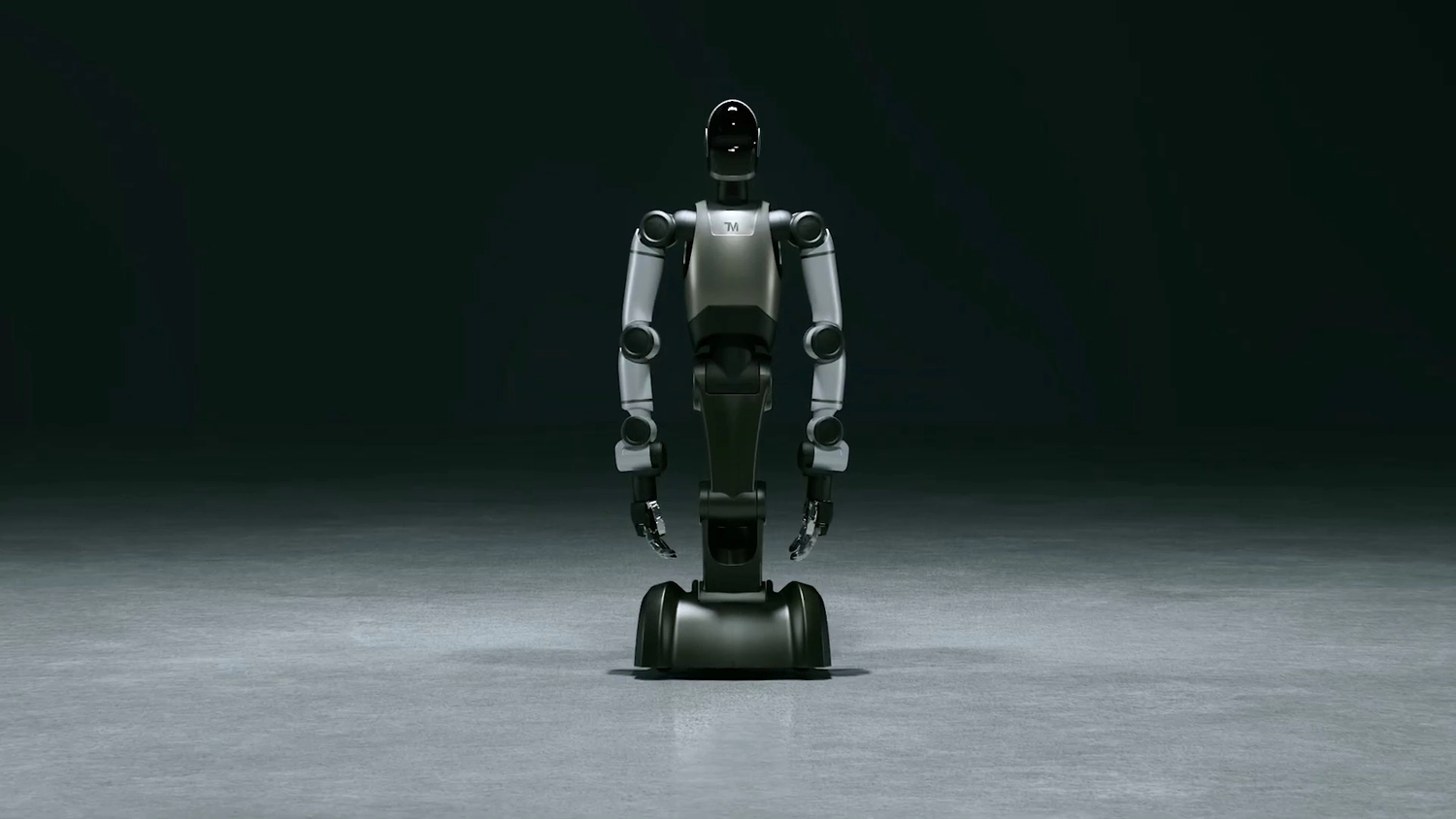
Humanoid robots are being pushed into the gap between repetitive industrial work and tasks that still depend on human judgment, especially in shared spaces where balance, dexterity, and safe interaction all matter. Techman Robot unveiled its TM Xplore I humanoid at NVIDIA GTC 2026, presenting a wheeled platform with an upper body designed for manipulation, visual inspection, and autonomous movement in factory settings.
Why it stands out
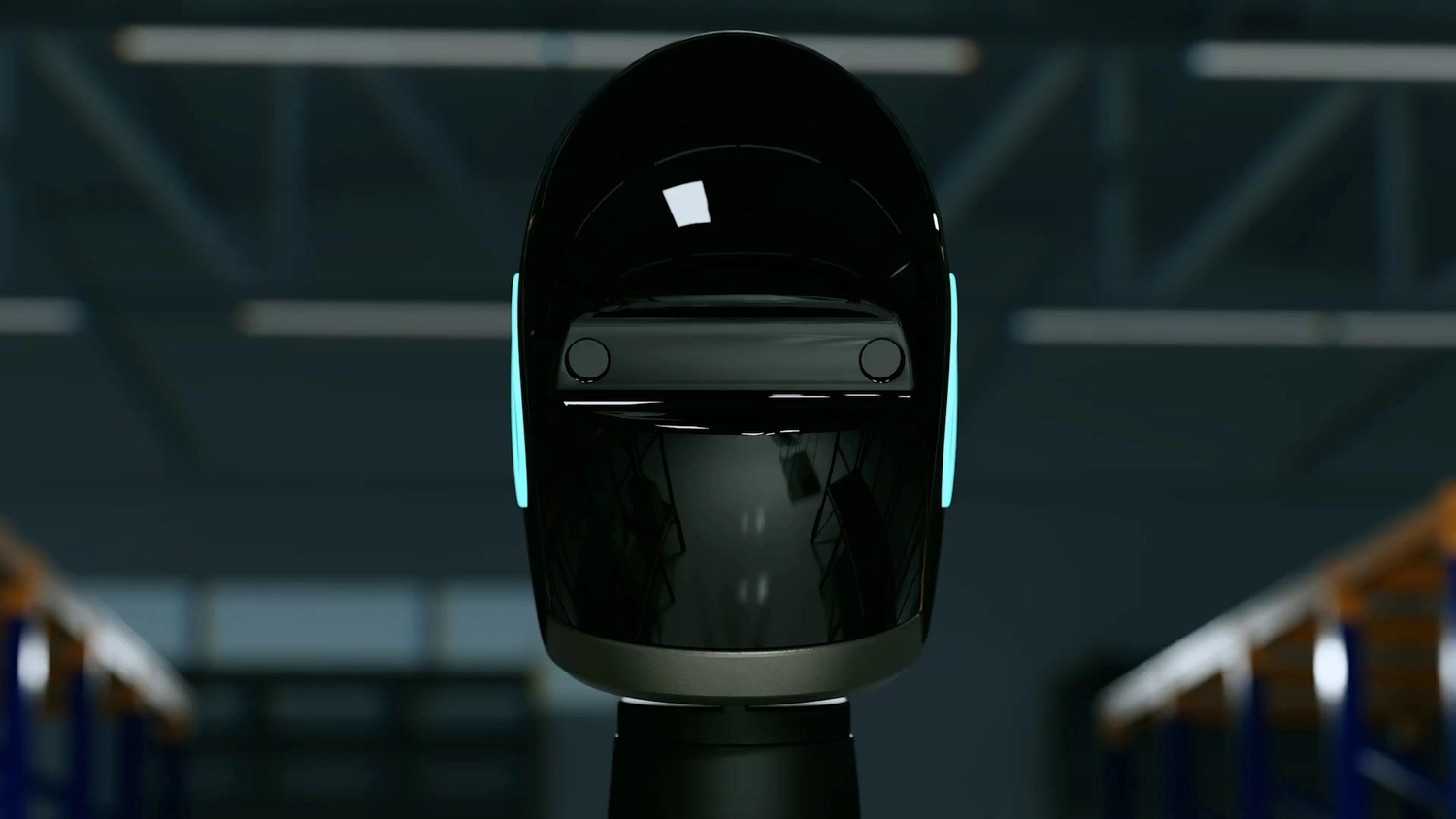
What distinguishes TM Xplore I is not raw speed, but the way Techman is pairing a humanoid torso with a wheeled base and edge AI to target stable movement, human-level interaction, and practical task handling in manufacturing environments. The company’s emphasis on multimodal sensing, autonomous navigation, and quick adaptation to precision work suggests a robot built for assisted labor rather than theatrical demos. That positioning matters because it aligns humanoid development with real factory workflows, where reliability and controlled movement tend to matter more than acrobatics. TM Xplore I is less about mimicry and more about usable human-robot coordination.
Input to output
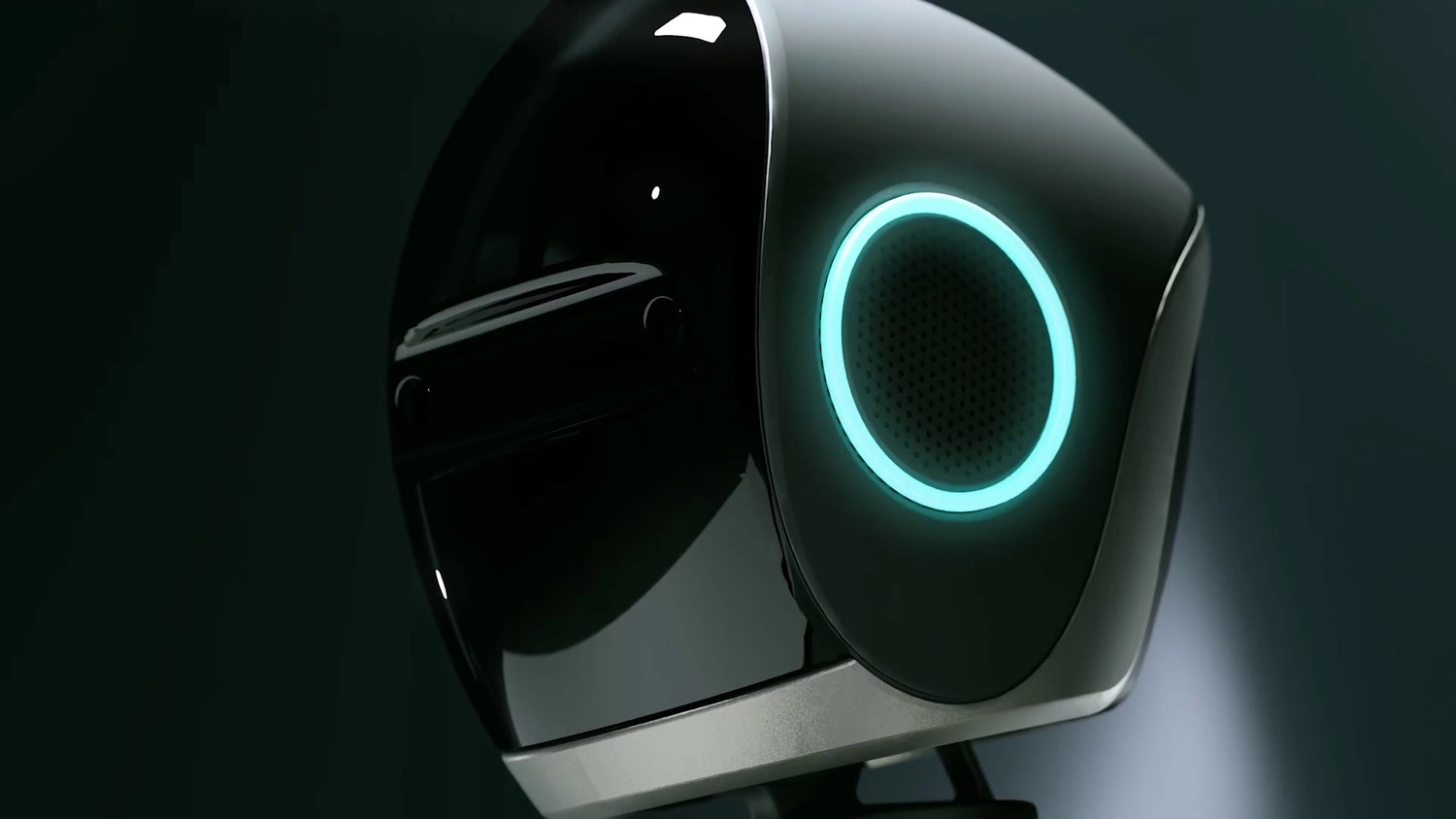
The reported system flow is straightforward: human motion input and environmental data are fed into AI models, the software interprets the task, and the robot then adjusts joint actuation and balance in real time. Techman says the platform uses its “See, Think, Act” stack alongside NVIDIA Jetson-based edge computing, while source coverage also points to vision-language-action modeling for sensor fusion and navigation. In practice, that means the robot is being framed as a machine that can perceive a scene, decide how to move, and execute manipulation without relying on fixed motion scripts.
One realistic role
The clearest near-term deployment scenario is supervised factory handling, where TM Xplore I can move between stations, carry parts or tools, and assist workers with inspection or assembly support. That use case fits the robot’s wheeled design and its reported emphasis on stability, because industrial floors reward predictable travel, short-range manipulation, and quick adjustments when a person steps into the robot’s path. The strongest commercial logic is in human-centric production zones where teleoperation or assisted autonomy can reduce the need for workers to perform physically awkward or visually intensive tasks.
What the specs suggest
The publicly reported 167 cm height gives TM Xplore I a human-scale profile that should help it operate around workbenches, carts, and factory fixtures designed for people. Its reported top speed of 0.83 m/s, or about 3.0 km/h, points to careful indoor movement rather than fast transit, which is consistent with collaborative use in shared spaces. Techman has not publicly disclosed its weight, and that omission leaves durability, transportability, and balance margins as open questions.
Rivals Edge Check
| Robot | Key Advantage | Where TM Xplore 1 Wins | Target Use |
|---|---|---|---|
| Honor D1 (Lightning) | Strong focus on humanoid mobility and dynamic movement | Wheeled stability and factory-friendly manipulation | Assisted industrial work |
| Honor A1 | Likely positioned for general humanoid interaction | More explicit industrial task framing and vision-driven handling | Human-centric manufacturing |
| Walker C1 | Emphasis on whole-body humanoid motion | Better fit for indoor navigation and collaborative factory routines | Teleoperation and inspection |
| NIX | Compact humanoid platform orientation | Larger human-scale format for tool use and station-to-station work | Material handling |
Industry direction shifts
TM Xplore I also points to a broader industry shift toward teleoperation-first humanoids and away from the idea that robots must be fully autonomous before they are useful. By pairing a humanoid upper body with a wheeled base, Techman is effectively betting that controlled movement, remote supervision, and task-specific learning will reach customers sooner than fully general-purpose walking robots. That is a meaningful signal for manufacturers: the next commercial humanoids may be judged less by cinematic demos and more by how reliably they fit into existing production lines.
Explore Humanoids

Sources
Related Articles
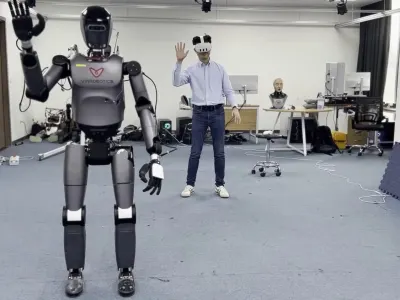
VinDynamics unveils Dyno humanoid robot at ICRA 2026 and Computex Taipei 2026

UBTECH’s U1 Series pushes humanoids toward teleoperation-first companionship
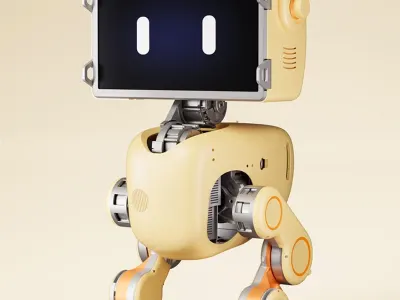
Raydiculous’s TP-01 pushes humanoids toward teleoperation-first service roles
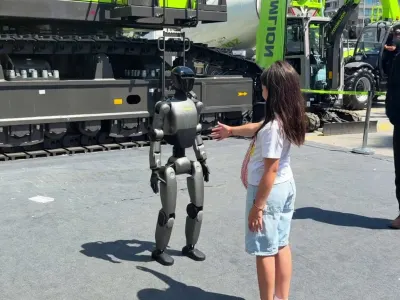
Zoomlion’s Z01 humanoid lands at KOMATEK with a Tai Chi demo and an industrial pitch
Related Comparisons
Compare TM Xplore 1 with similar robots

Optimus vs Unitree G1
Compare Optimus vs Unitree G1 for humanoid mobility, dexterity, autonomy, and payload capacity.
Unitree G1 vs Unitree H1
Head-to-head: Unitree G1 vs Unitree H1 compared on bipedal balance, AI learning, and real-world deployment.
Optimus vs Atlas (Electric 2025)
In-depth comparison of Optimus and Atlas (Electric Atlas, 2025), covering hardware capabilities, teleoperation, and enterprise readiness.

Ameca vs Moya
Which humanoid robot is better? Ameca vs Moya compared for dexterity, AI capabilities, and price.
Learn More About This Robot
Discover detailed specifications, reviews, and comparisons for TM Xplore 1.
View Robot Details →