Zoomlion’s Z01 humanoid lands at KOMATEK with a Tai Chi demo and an industrial pitch
Robot Details
Zoomlion Z01 • Zoomlion TechPublished
June 11, 2026
Reading Time
3 min read
Author
Origin Of Bots Editorial Team
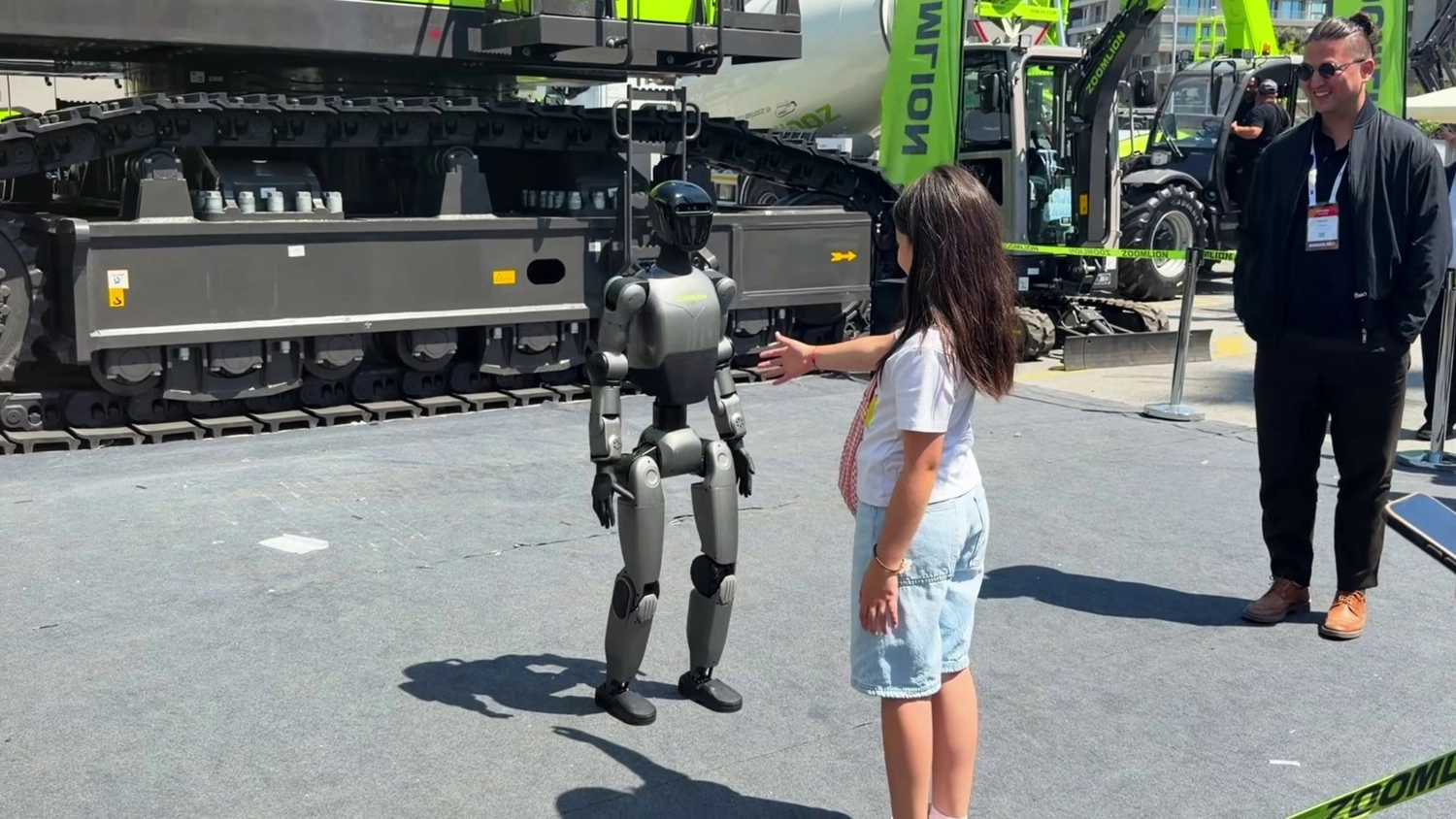
Istanbul debut
Zoomlion Heavy Industry Science & Technology unveiled its humanoid robot Z01 at KOMATEK 2026 in Istanbul, where the robot performed a Tai Chi routine and drew attention as a bipedal platform for industrial collaboration and guided interaction. The demonstration framed Z01 as part of Zoomlion’s broader embodied-AI push, with the company positioning the robot for human-centric settings where motion control, balance, and close-range interaction matter.
Why it stands out
Z01 matters because it is being introduced as a humanoid built around full-body coordination rather than isolated task automation, which is the central challenge for legged robots in real spaces. The demo emphasized real-time balance correction, natural movement, and interaction readability, all of which are more relevant to teleoperation and assisted service than to pre-programmed stage choreography. Zoomlion is also signaling a product strategy that ties humanoids to embodied-AI workflows instead of treating them as standalone showpieces. Z01’s value is less about novelty than about making human-directed robot motion look operationally usable.
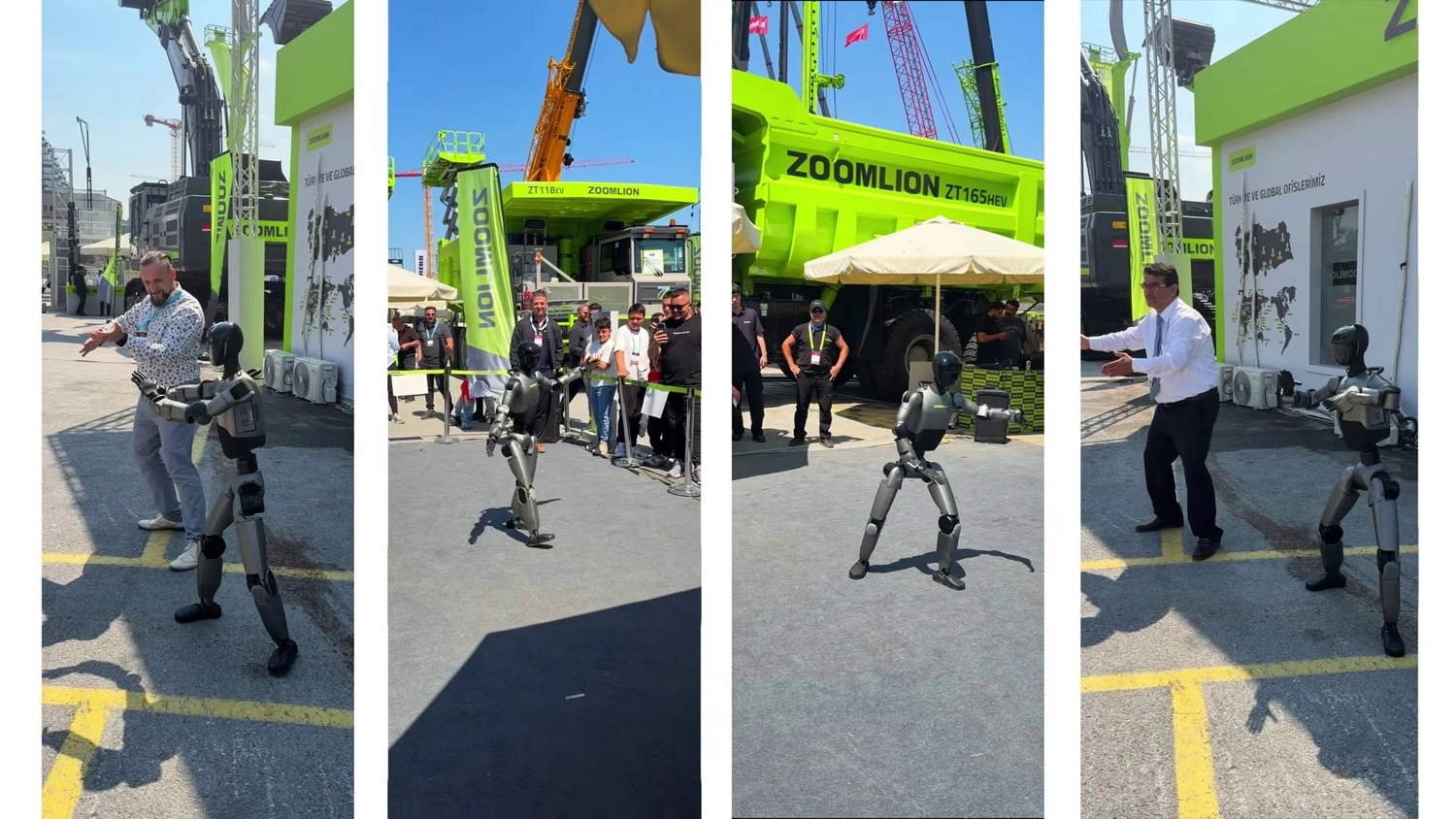
Motion pipeline
For a humanoid like Z01, the core flow is human motion input, AI model processing, then joint actuation with balance correction, which is the sequence implied by its live movement and interaction demos. In practical terms, the robot appears designed to take visual and motion cues, interpret them through an embodied-AI control stack, and translate them into coordinated leg, arm, and torso actions while keeping its posture stable. That kind of pipeline is what allows a humanoid to imitate gestures, respond to operators, and stay upright in close human environments.
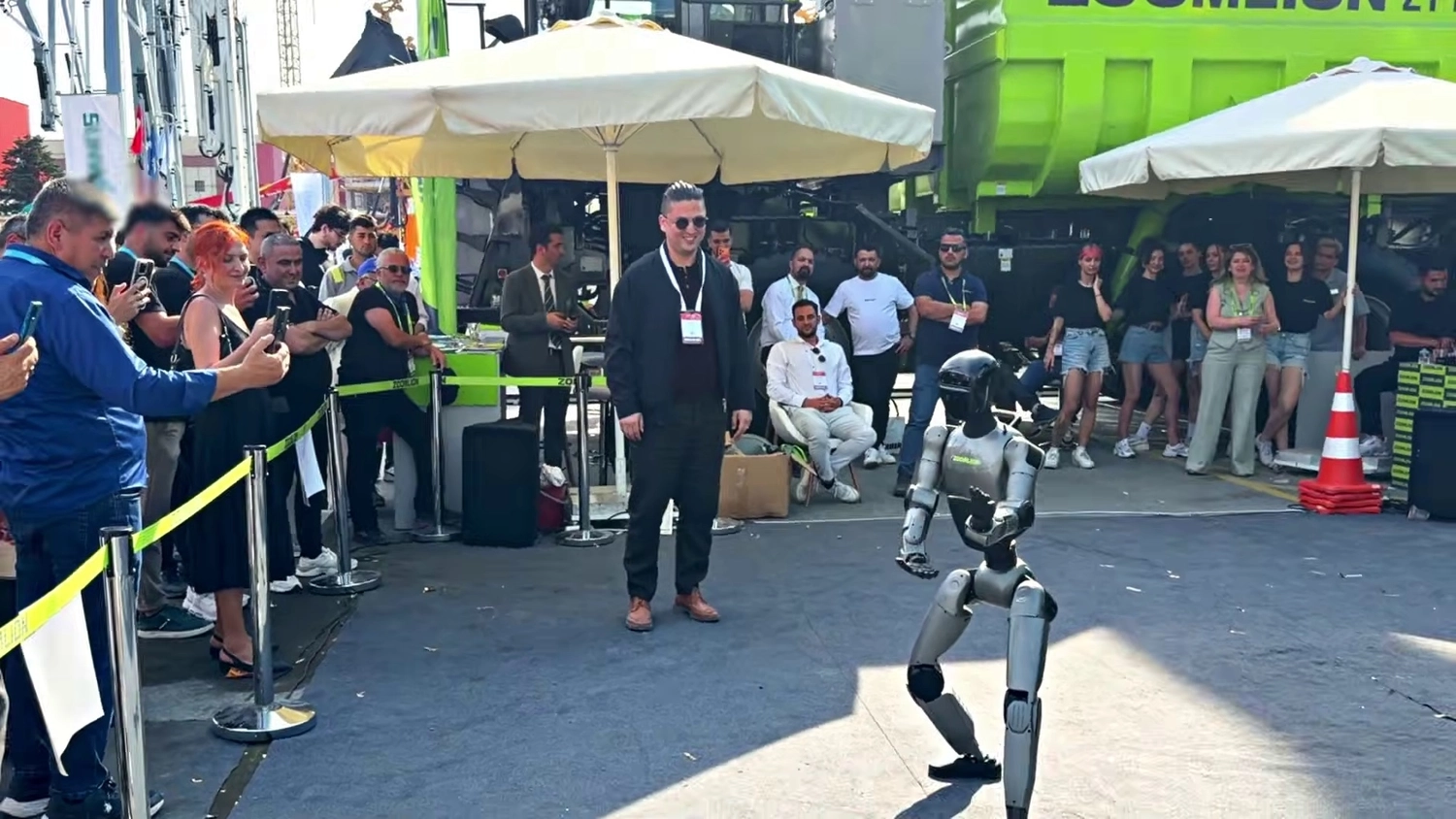
Guided human spaces
The most concrete deployment case is intelligent tour guidance in indoor, human-dense spaces, where a humanoid can combine movement, gesture, and proximity-aware interaction without needing factory-scale autonomy. Z01 was explicitly described as suitable for intelligent guidance and educational applications, which fits scenarios such as exhibition halls, corporate demo floors, and training venues where the robot’s presence is part of the experience. In that setting, its main job is not heavy lifting or long-range autonomy but readable, socially legible motion under human supervision.
What is known
Zoomlion has not publicly disclosed Z01’s dimensions, weight, speed, or battery life, so those performance characteristics remain unknown. What is reported is its sensor-and-control profile: RGB cameras, depth cameras, IMU, gyroscope, force and torque sensing, joint encoders, and collision/contact sensing, with possible LiDAR support for navigation. The navigation stack is described as visual SLAM and indoor SLAM, while the software layer is presented as a proprietary embodied-AI system with likely ROS or ROS2 integration and task-level APIs.
Rivals Edge Check
| Robot | Key Advantage | Where Zoomlion Z01 Wins | Target Use |
|---|---|---|---|
| GENE.01 | Strong reputation for general-purpose humanoid control | Z01’s industrial branding and guidance focus suit exhibition and service environments | Human interaction and demos |
| Matrix 3 | Emphasis on agile humanoid movement | Z01 is presented with clearer embodied-AI and industrial collaboration context | Indoor collaboration |
| Bolt | Known for compact humanoid experimentation | Z01’s bipedal motion and guidance framing better fit public-facing scenarios | Research and interaction |
| Moya | Focus on humanoid expressiveness | Z01’s reported industrial and educational use cases give it broader operational framing | Education and guided service |
Industry direction
Zoomlion’s presentation also points to a broader shift in humanoids toward teleoperation-first deployment, where robots are judged by how reliably humans can direct them in real time. That matters because the near-term market appears to reward systems that can work in controlled indoor environments with human oversight, rather than platforms that promise broad autonomy before the hardware and software stack is mature. Z01 fits that pattern: a humanoid framed as a practical interface between embodied AI and human workflows, not a fully independent worker.
Explore Humanoids

Sources
Related Articles
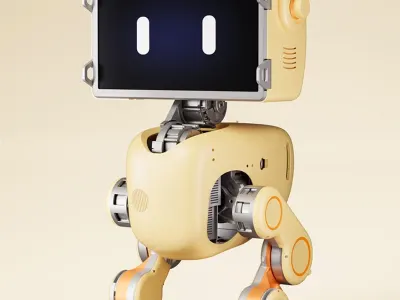
Raydiculous’s TP-01 pushes humanoids toward teleoperation-first service roles
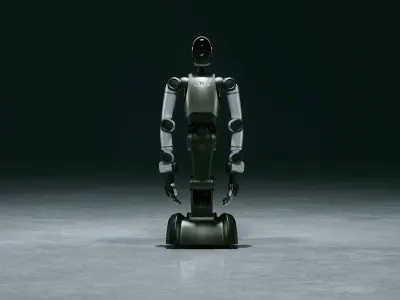
Techman Robot’s TM Xplore I debuts as a wheeled humanoid aimed at factory work and teleoperation
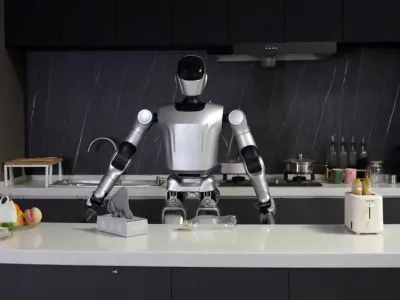
Leju Robotics positions KUAVO 5 as a teleoperation-first humanoid for factories and service spaces
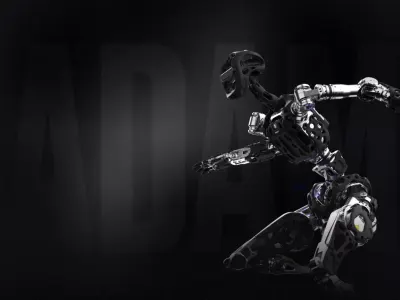
PNDbotics pushes Adam-U as a stationary humanoid built for manipulation data, teleoperation training
Related Comparisons
Compare Zoomlion Z01 with similar robots

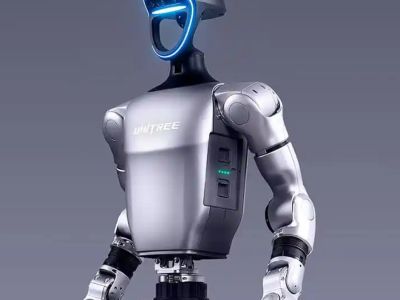
Optimus vs Unitree G1
Compare Optimus vs Unitree G1 for humanoid mobility, dexterity, autonomy, and payload capacity.
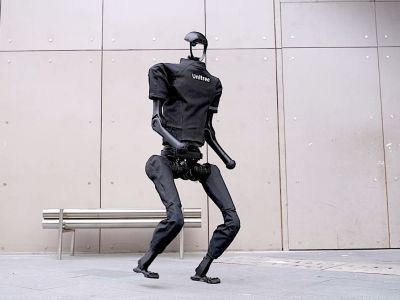
Unitree G1 vs Unitree H1
Head-to-head: Unitree G1 vs Unitree H1 compared on bipedal balance, AI learning, and real-world deployment.
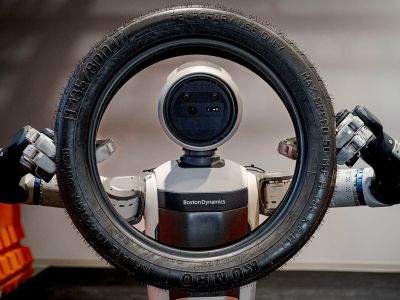
Optimus vs Atlas (Electric 2025)
In-depth comparison of Optimus and Atlas (Electric Atlas, 2025), covering hardware capabilities, teleoperation, and enterprise readiness.
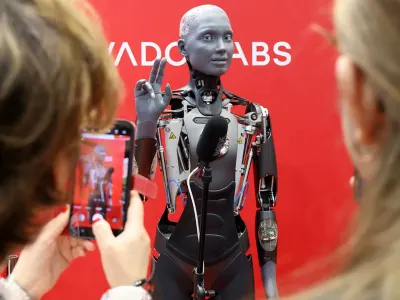
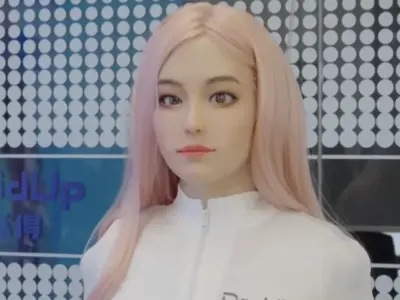
Ameca vs Moya
Which humanoid robot is better? Ameca vs Moya compared for dexterity, AI capabilities, and price.
Learn More About This Robot
Discover detailed specifications, reviews, and comparisons for Zoomlion Z01.
View Robot Details →