Raydiculous’s TP-01 pushes humanoids toward teleoperation-first service roles
Robot Details
TP-01 • RaydiculousPublished
June 11, 2026
Reading Time
2 min read
Author
Origin Of Bots Editorial Team
Why humanoids matter
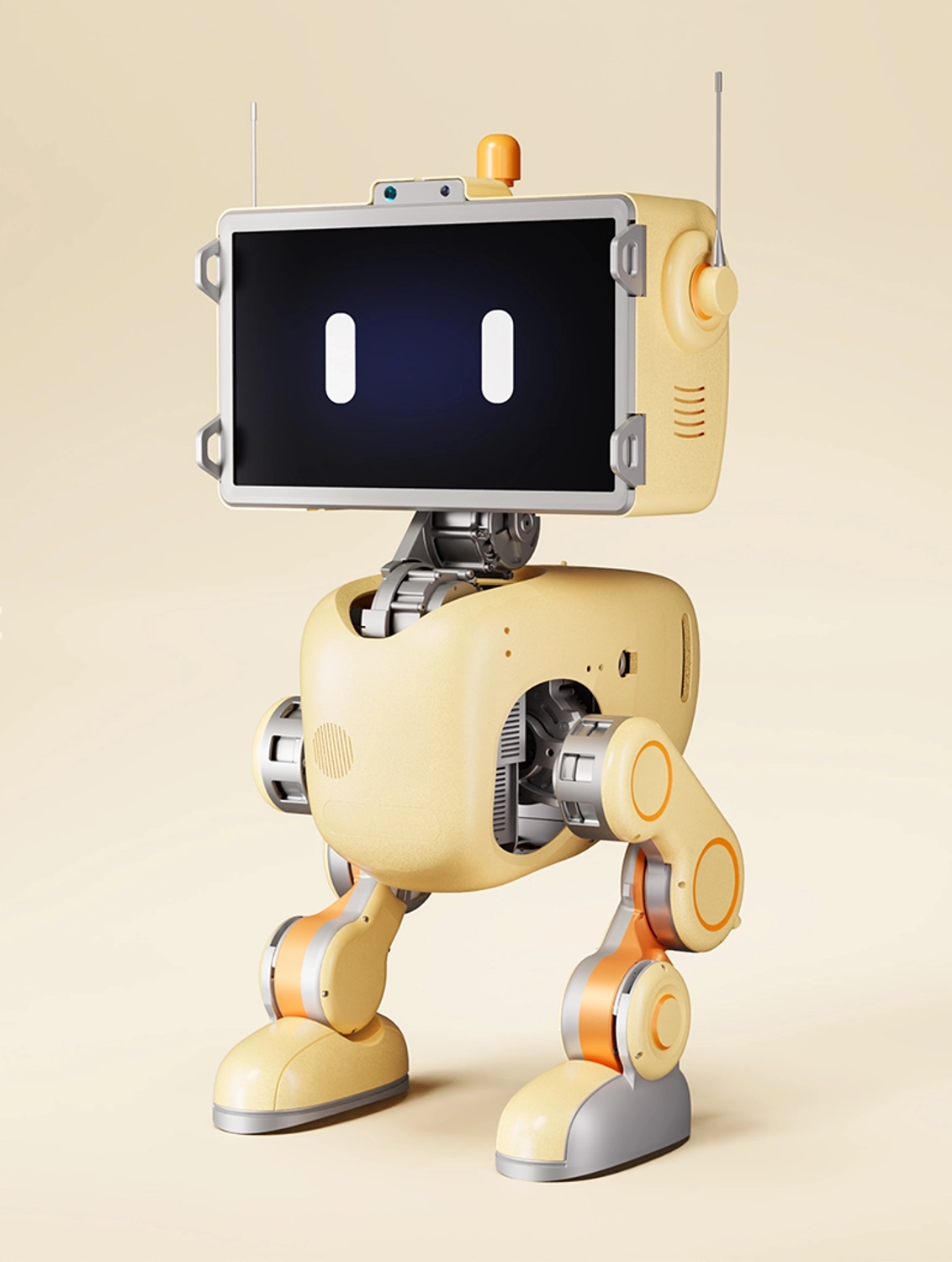
Humanoid robots are still being measured by a hard problem: moving like people while staying balanced, responsive, and useful in human spaces. Raydiculous’s TP-01 has now been presented as a bipedal humanoid built for remote-controlled interaction, with public-facing demos centered on reception, performance, and service-style tasks.
What TP-01 emphasizes
What sets TP-01 apart is not autonomy, but the combination of full-body coordination, natural-looking interaction, real-time imitation potential, and teleoperation as the operating model. That matters because humanoids in this category are being judged less on scripted motion and more on whether an operator can translate human intent into stable, convincing movement in front of people. TP-01 is part of a broader shift toward humanoids that are judged by control quality, not just walking demos.
How it works
The technical flow is straightforward: human motion input goes into AI model processing, and the system then drives joint actuation with balance correction. In TP-01’s case, the reported sensing stack includes RGB cameras, microphones, voice interaction, emotion and micro-expression perception, and inertial sensing, which together support a remote operator’s ability to guide movement and interaction.
A front-desk fit
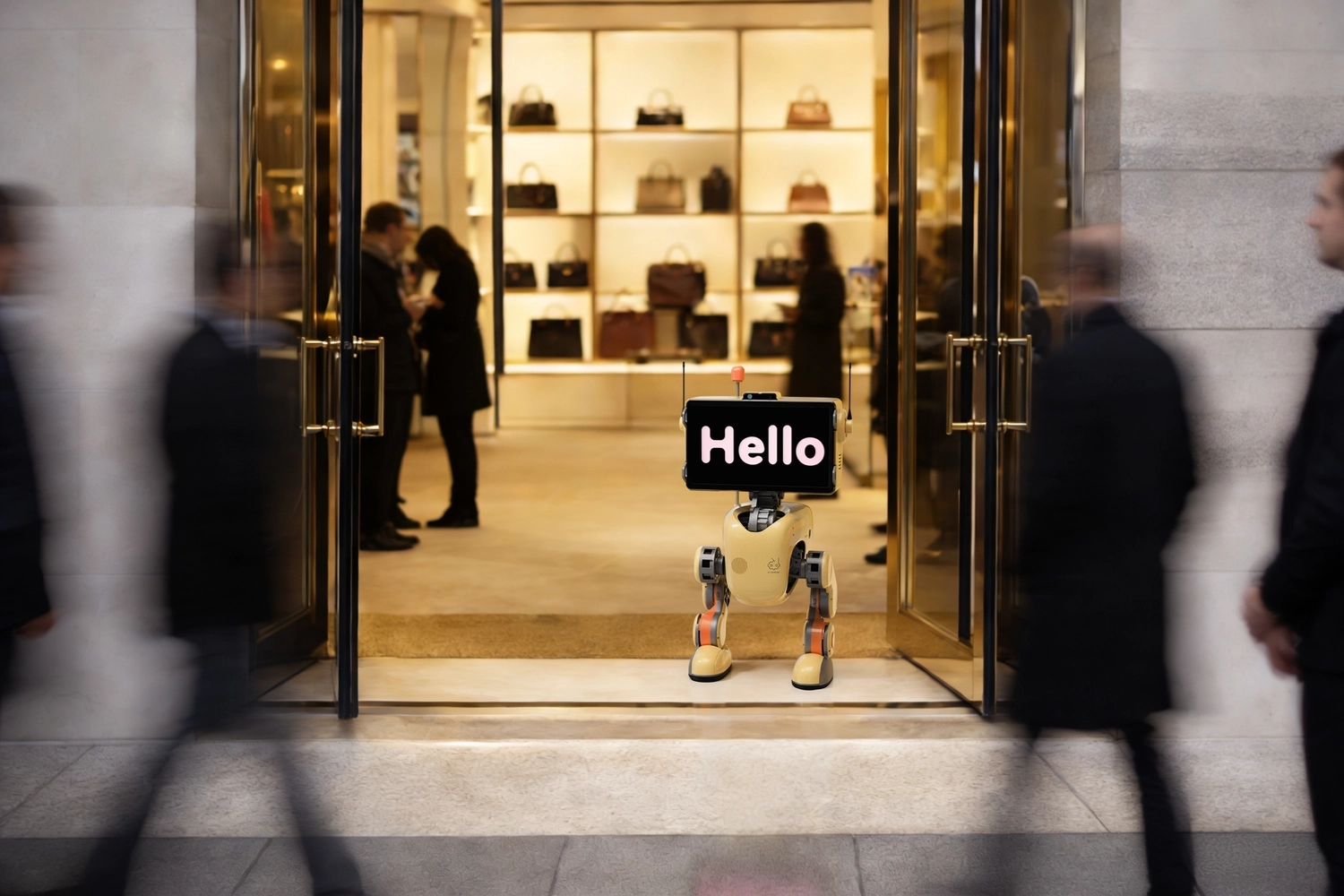
The clearest deployment scenario for TP-01 is a reception robot in a human-facing lobby or event space. In that setting, remote control allows a staff member to manage greetings, direct visitors, and present branded content while the robot provides a physical presence that can be seen, heard, and approached by the public.
Reported capabilities
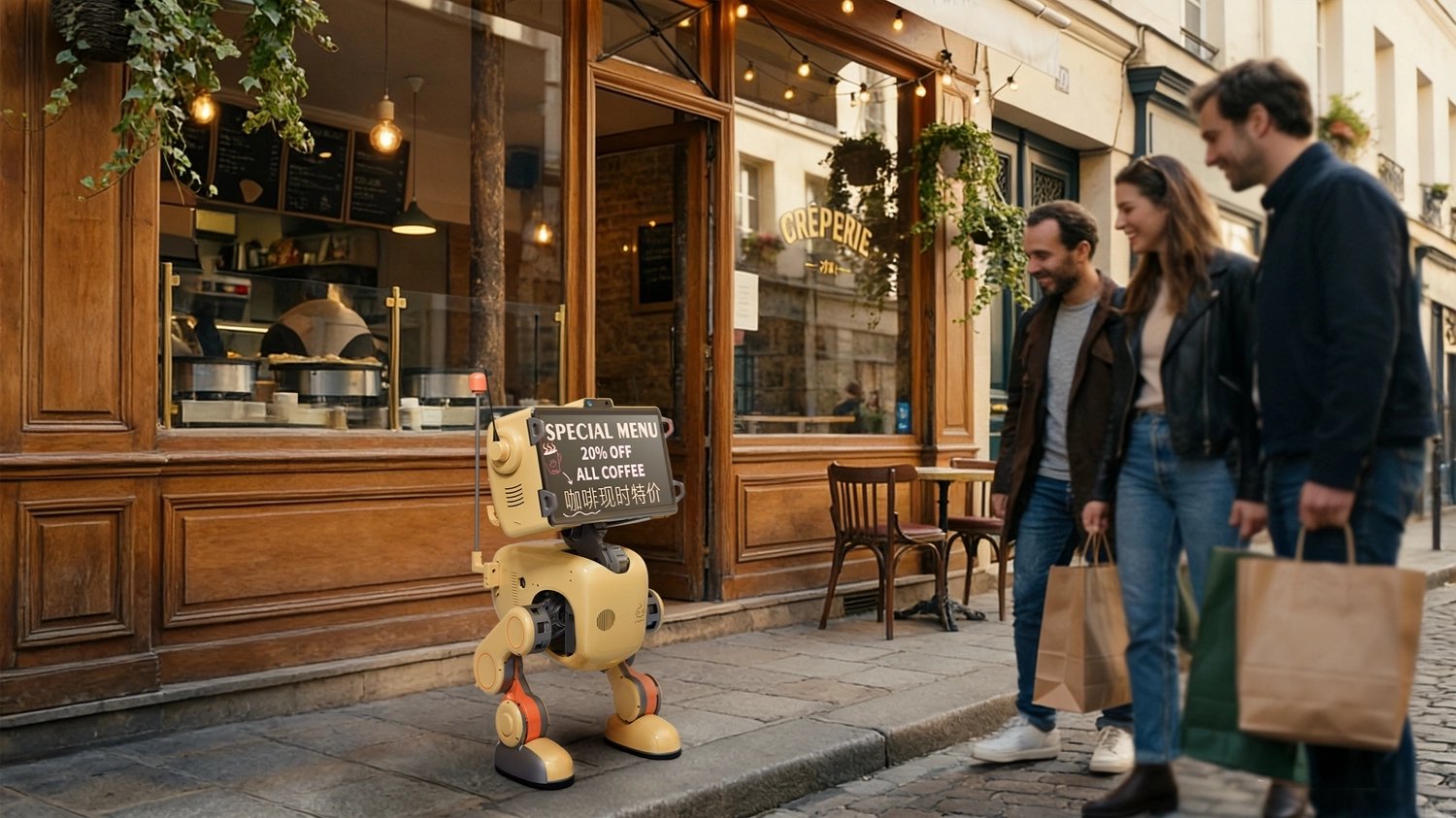
TP-01 is reported to stand 85 cm tall, with a 53 cm by 44 cm footprint and a weight of 34 kg including battery, which keeps it compact enough for indoor interactions while still presenting a stable humanoid profile. Its 0.6 m/s speed, 3 to 5 year battery life, and safety features such as collision avoidance, remote stop, controlled motion limits, and a public-facing interactive mode are all framed around controlled operation rather than open-ended autonomy. The software stack is reported to run on Ubuntu plus ROS 2, aligning it with common robotics development tools.
Rivals Edge Check
| Robot | Key Advantage | Where TP-01 Wins | Target Use |
|---|---|---|---|
| Optimus Gen 3 | Large-scale general-purpose humanoid ambition with broad task automation goals | Simpler teleoperation-first public interaction can be easier to deploy in controlled venues | General-purpose labor |
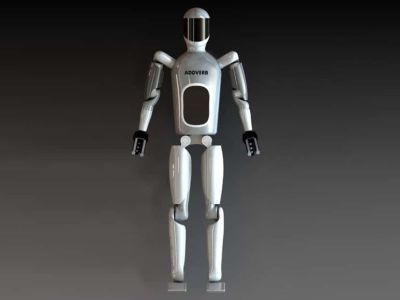
| Addverb Humanoid | Warehouse and industrial workflow integration | More natural public-facing engagement and presentation use | Industrial service |
| Unitree H2 Plus | Mobility-focused humanoid platform with agile movement emphasis | Stronger fit for reception and interactive display roles | Mobility and demonstrations |
| NIX | Emerging humanoid positioning with compact deployment potential | More explicitly configured for people interaction tasks | Human-centric service |
What the market signals
TP-01 reflects a practical industry direction: humanoids may reach revenue first through supervised service, not full autonomy. In environments like receptions, exhibitions, and security-style patrols, the ability to keep motion controlled while a human operator handles judgment reduces risk and makes deployment easier to justify.
Explore Humanoids
Related Articles
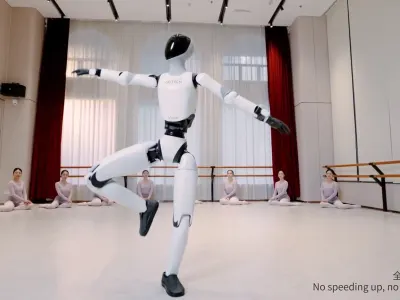
UBTECH’s Walker C1 steps into the public eye as a service humanoid built for human-facing spaces
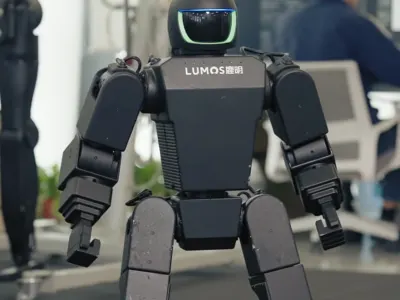
Lumos Robotics opens NIX to developers as compact humanoid demos expand beyond performance
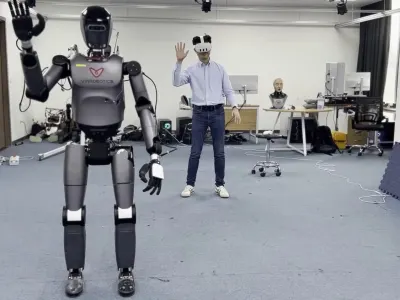
VinDynamics unveils Dyno humanoid robot at ICRA 2026 and Computex Taipei 2026

UBTECH’s U1 Series pushes humanoids toward teleoperation-first companionship
Related Comparisons
Compare TP-01 with similar robots
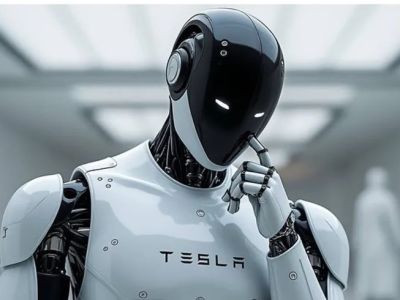
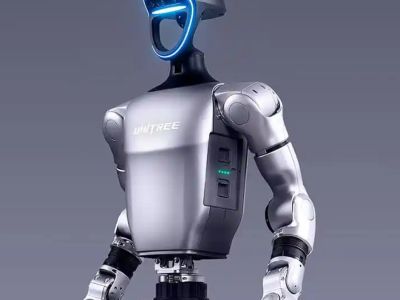
Optimus vs Unitree G1
Compare Optimus vs Unitree G1 for humanoid mobility, dexterity, autonomy, and payload capacity.
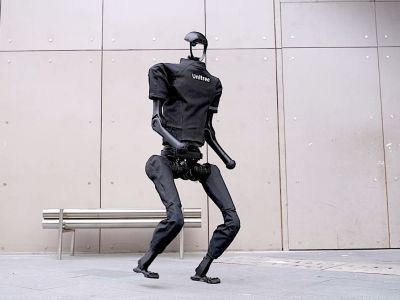
Unitree G1 vs Unitree H1
Head-to-head: Unitree G1 vs Unitree H1 compared on bipedal balance, AI learning, and real-world deployment.
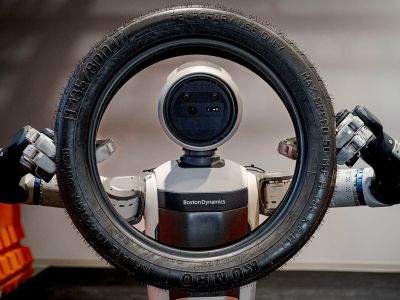
Optimus vs Atlas (Electric 2025)
In-depth comparison of Optimus and Atlas (Electric Atlas, 2025), covering hardware capabilities, teleoperation, and enterprise readiness.
Ameca vs Moya
Which humanoid robot is better? Ameca vs Moya compared for dexterity, AI capabilities, and price.
Learn More About This Robot
Discover detailed specifications, reviews, and comparisons for TP-01.
View Robot Details →