Lumos Robotics opens NIX to developers as compact humanoid demos expand beyond performance
Robot Details
NIX • Lumos RoboticsPublished
June 11, 2026
Reading Time
3 min read
Author
Origin Of Bots Editorial Team
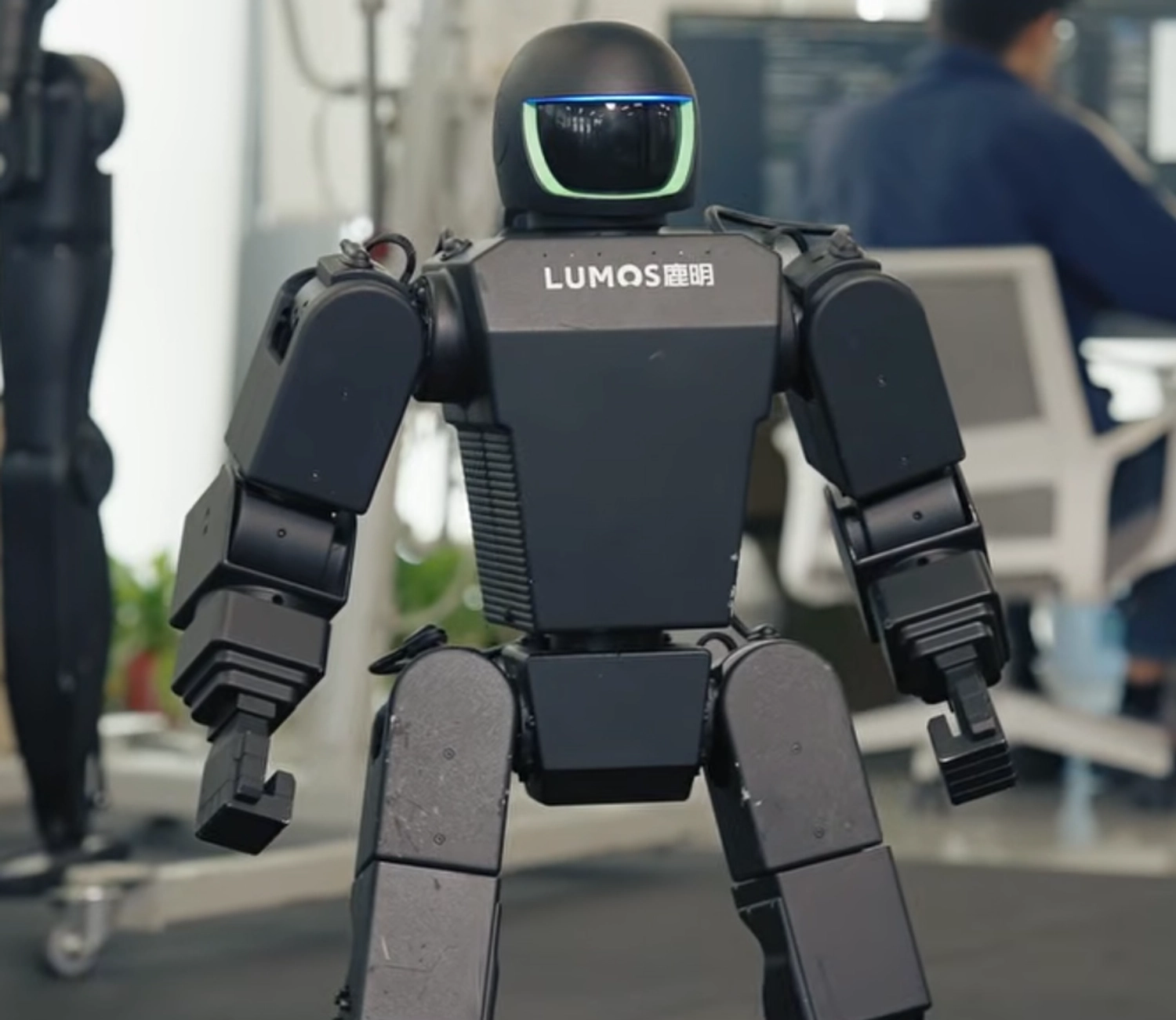
From stage to lab
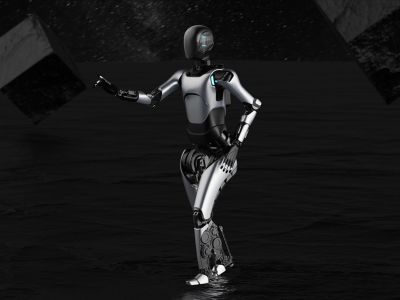
The humanoid robotics race is increasingly centered on small, human-facing machines that can move naturally in crowded spaces and support teleoperation-first workflows. Lumos Robotics has recently pushed NIX in that direction by showcasing the compact biped in live performance and by launching Project EDGE, a program that offers selected builders access to NIX and an open SDK for co-creation.
Why NIX stands out
NIX matters because it combines a child-sized frame with full-body motion that is meant to look approachable rather than industrial, which is important for demonstrations and close interaction. The robot’s reported 21 high-DOF joints, dynamic motion repertoire, and costume-ready design position it for expressive teleoperation and human-centered environments where motion naturalness matters more than heavy payload handling. Its developer-facing release also suggests Lumos wants NIX to become a testbed for embodied AI, not just a showpiece robot. NIX is notable less for brute strength than for making humanoid motion easy to stage, study, and share.

How it works
In category terms, NIX follows a familiar humanoid flow: human motion input, AI model processing, then joint actuation and balance correction. The visible system relies on visual navigation and onboard motion control, with an RGB camera and microphone array supporting interaction and situational awareness, while balance feedback is likely handled through joint and IMU sensing. That setup fits a robot designed to imitate movement in real time rather than to operate as a fully autonomous worker.
A live demo use case
The clearest deployment scenario for NIX is a stage or exhibition floor where a single operator or small team can use it for dance, expressive motion, and audience engagement. In that setting, the value is not autonomy but timing, pose fidelity, and the ability to keep the robot readable and safe around people at close range. Lumos’s recent demonstrations and co-creation program point to exactly that kind of human-in-the-loop deployment model.
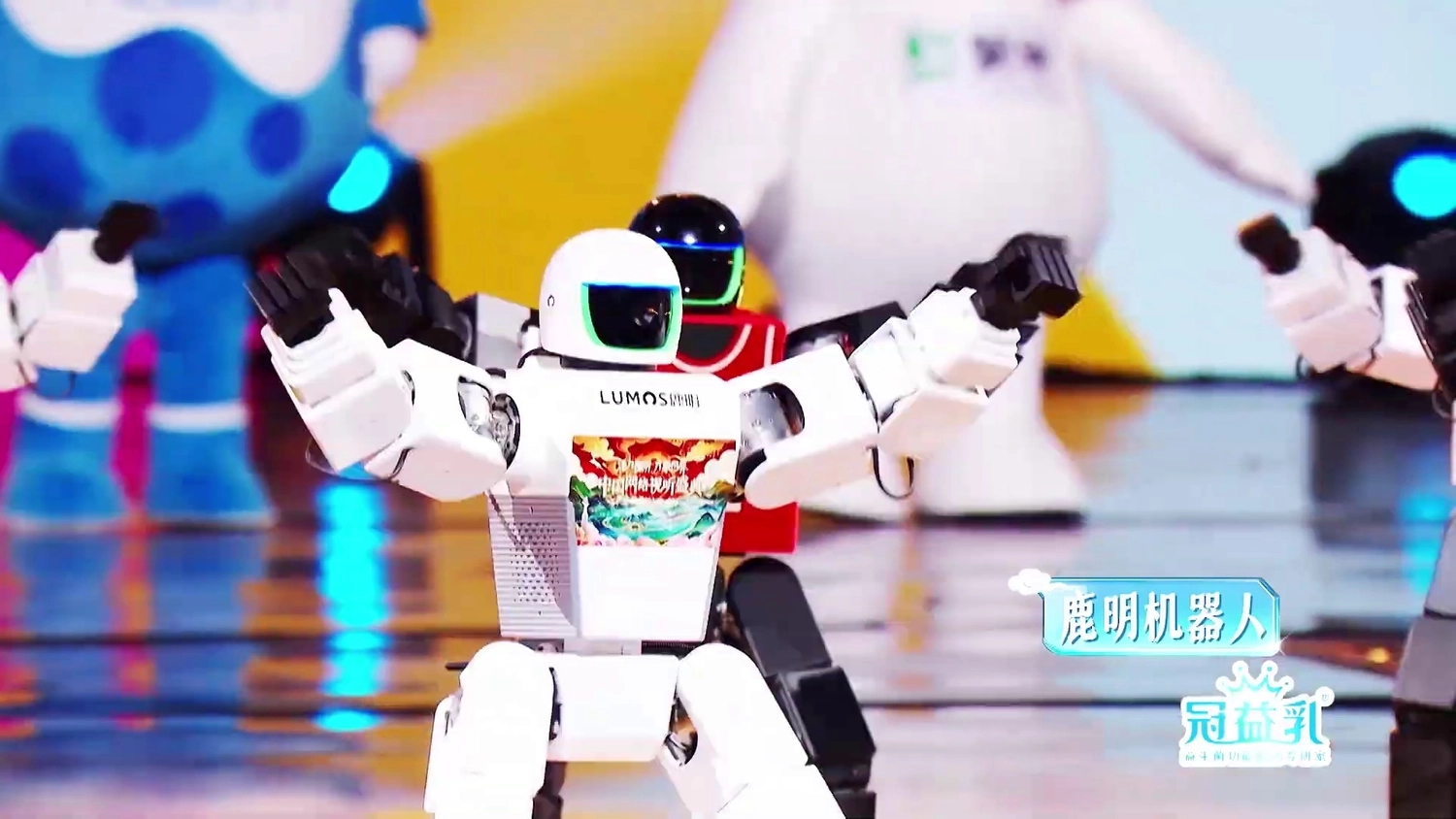
Capability in practice
The reported 89 x 40.8 x 16.9 cm footprint and 20 kg weight make NIX a compact humanoid that can fit into tighter indoor spaces than larger service robots. Its published battery life of 3 to 5 years should be read as an endurance-oriented design claim for the platform rather than a measure of continuous operating time, while the stated fast-running support indicates motion ambition without a publicly confirmed top speed. Basic force limitation and motion safeguards, along with a likely emergency stop function, indicate the robot is being shaped for controlled human proximity.
Rivals Edge Check
| Robot | Key Advantage | Where NIX Wins | Target Use |
|---|---|---|---|
| AI Sapiens K0 | Larger-scale humanoid framing for broader task experimentation | Smaller, more approachable platform for demos and teleoperation | Research and interactive service |
| K1 Geek Humanoid | Developer-friendly positioning for experimentation | More compact body for stage use and close-proximity interaction | Prototyping and education |
| AgiBot Q1 | Broader humanoid ambition and task coverage | Lighter, smaller form factor for expressive motion and exhibitions | General humanoid research |
| N2 (Athlete) | Athletic motion emphasis and high-mobility branding | Better fit for human-centric indoor performances and developer access | Motion research and performance |
The market signal
NIX’s recent demos and developer outreach point to a broader industry shift away from pre-scripted humanoid routines and toward teleoperation-first systems that can learn from human motion in real environments. That matters because the near-term bottleneck for humanoids is not only hardware, but whether teams can turn balance, imitation, and interaction into repeatable workflows for labs, events, and service trials. Lumos is signaling that the next competitive edge may come from who can make humanoids easy for humans to direct, not just easy to impress.
Explore Humanoids


Related Articles
Sudo R1 pushes simulation-first humanoid robotics toward teleoperation-ready physical intelligence
PsiBot’s Psi V1 brings teleoperation-first humanoid control into a wheeled service form
Kinetix AI’s KaiBot pushes humanoid robots toward tactile teleoperation
UBTECH’s Walker C1 steps into the public eye as a service humanoid built for human-facing spaces
Related Comparisons
Compare NIX with similar robots
LUS2 vs P-73
Which humanoid robot is better? LUS2 vs P-73 compared for dexterity, AI capabilities, payload, and industrial use cases.
AgiBot A2 vs LUS2
Compare AgiBot A2 and LUS2. Detailed analysis of navigation, sensors, and battery life.

Alpha vs LUS2
Head-to-head: Alpha vs LUS2. Explore differences in navigation, battery, sensors, speed, and software.

LUS2 vs T800
Head-to-head: LUS2 vs T800. Explore differences in navigation, battery, sensors, mobility, and software.
Learn More About This Robot
Discover detailed specifications, reviews, and comparisons for NIX.
View Robot Details →