Sudo R1 pushes simulation-first humanoid robotics toward teleoperation-ready physical intelligence
Robot Details
Sudo R1 • Sudo RoboticsPublished
June 11, 2026
Reading Time
2 min read
Author
Origin Of Bots Editorial Team
Simulation Takes The Lead
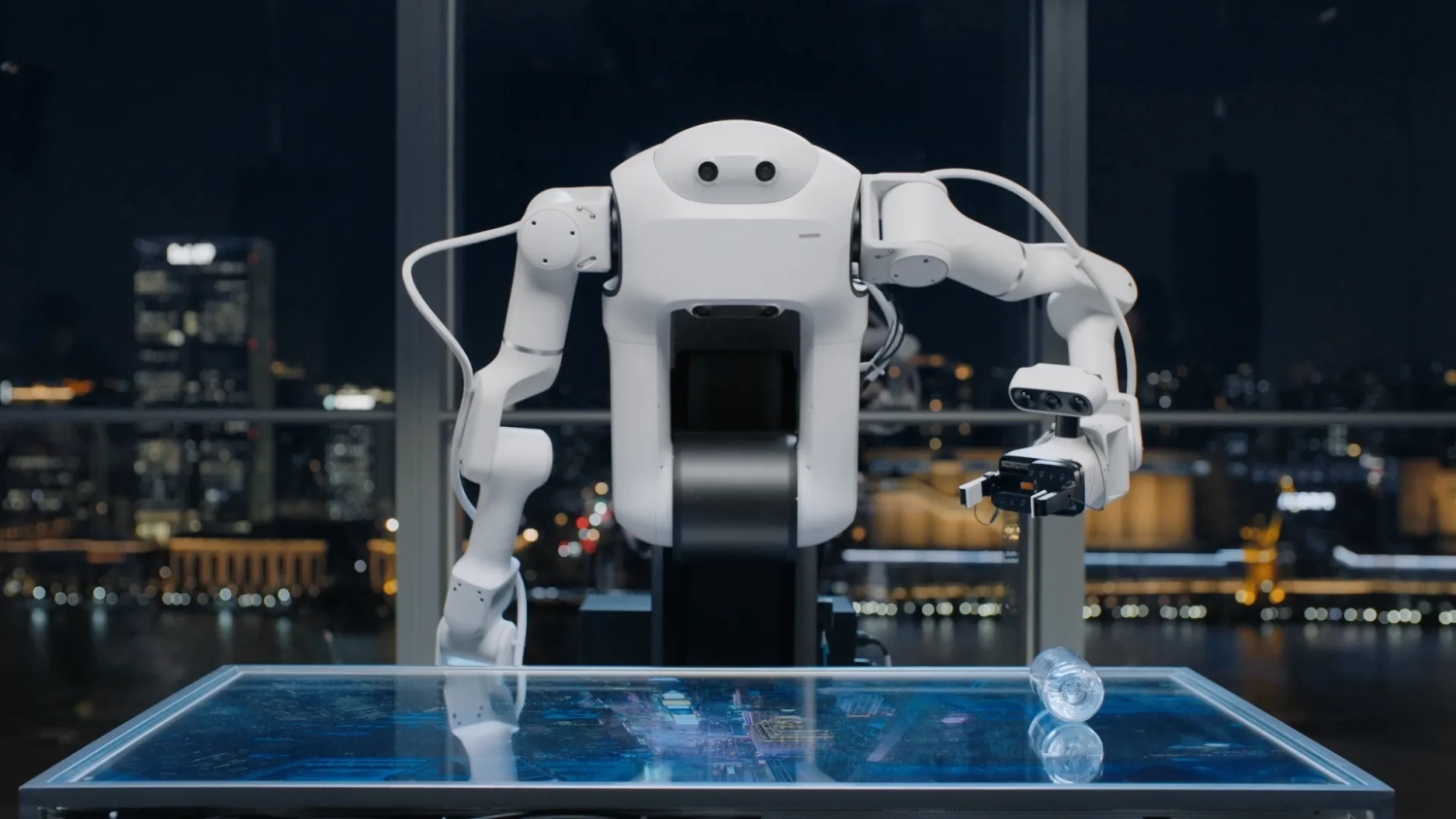
Sudo Robotics has introduced Sudo R1, a humanoid robot platform built around simulation-trained manipulation and full-body coordination, with the company presenting it as a system meant to bridge virtual learning and real-world task execution. The launch matters because humanoid robotics is increasingly being judged not by flashy motion alone, but by whether robots can balance, manipulate, and adapt in human spaces without extensive hand-tuned programming.
Why It Stands Out
What separates Sudo R1 is the way it appears to compress several hard robotics problems into one stack: real-time motion imitation, manipulation of unfamiliar objects, balance correction, and human-compatible interaction. The company’s messaging also positions simulation as the primary training path, which is notable because it reduces dependence on costly real-world data collection and teleoperated labeling while keeping the system aimed at human-centric environments. Sudo R1’s significance is less about a single robot and more about a simulation-first operating model for humanoids.
From Vision To Motion
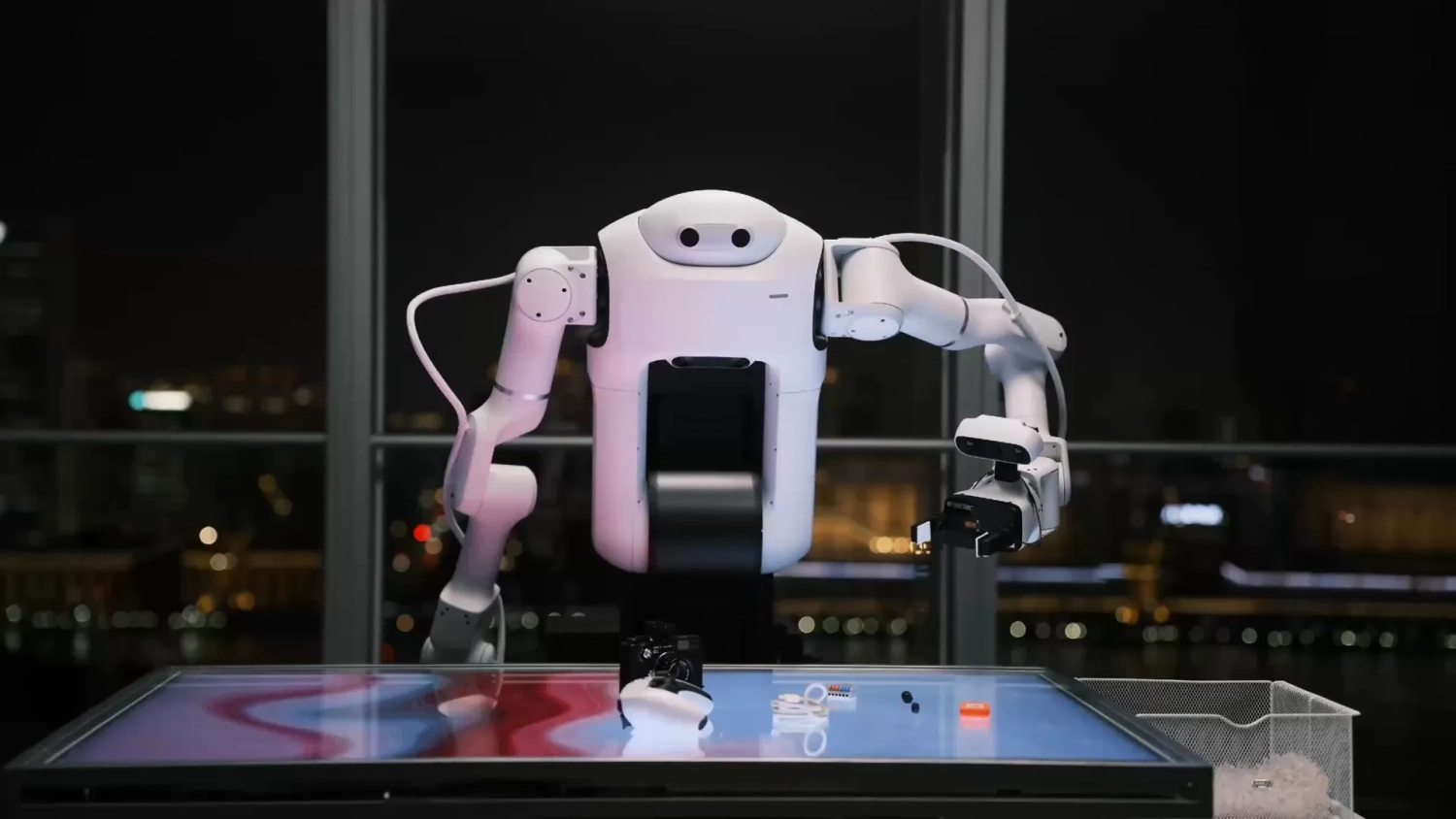
In technical terms, the flow is straightforward: human motion or task intent enters the system, the AI model processes it alongside visual and spatial inputs, and the robot then turns that into joint actuation with balance correction. That matters for a humanoid because the useful output is not just movement, but coordinated movement that can stay stable while handling objects and reacting to changing surroundings.
A Remote Workmate
The most realistic deployment scenario is remote inspection and assisted service inside human-built spaces, where an operator can guide the robot through tasks that are awkward, repetitive, or risky for people. In that setting, Sudo R1’s value would come from translating a human’s intent into full-body actions while preserving steadiness around tools, fixtures, and clutter, rather than from attempting open-ended autonomy.
What The Specs Enable
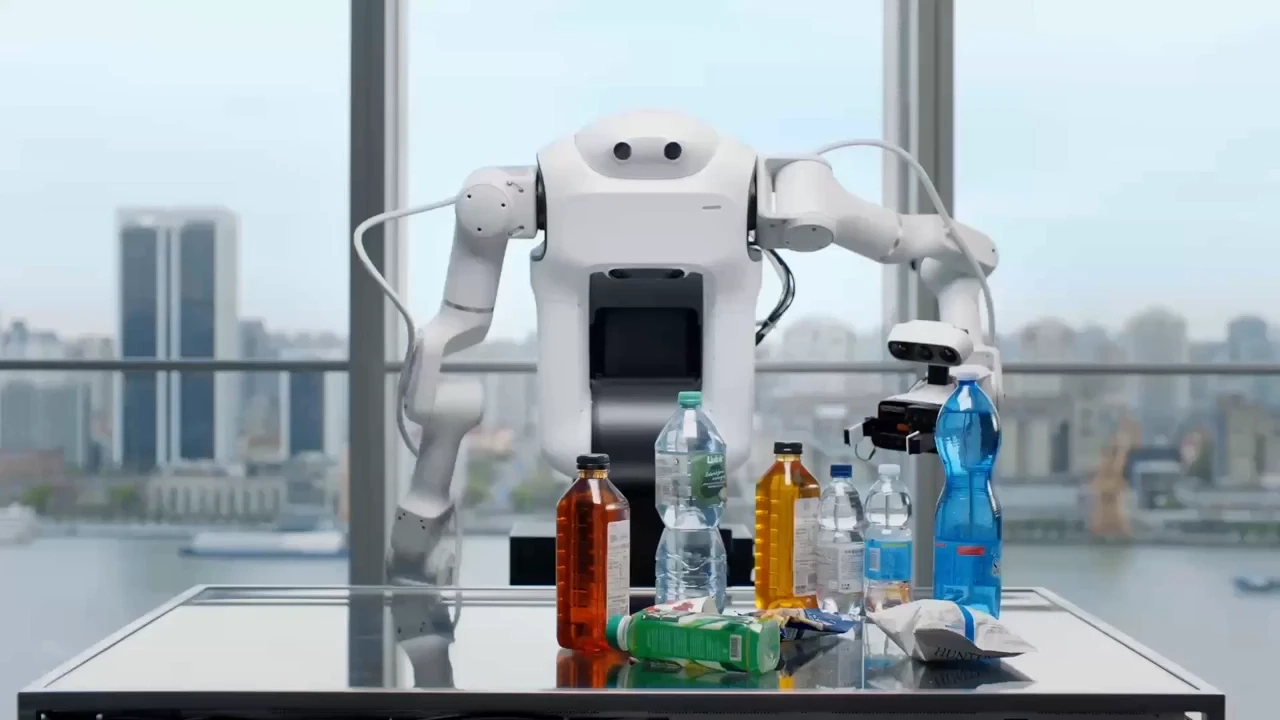
Sudo has not published the robot's size, weight or hardware specifications; its focus is the manipulation model rather than the body. The system runs a closed-loop control policy at 15 to 25 Hz from a manipulation foundation model trained entirely in simulation.
Rivals Edge Check
| Robot | Key Advantage | Where Sudo R1 Wins | Target Use |
|---|---|---|---|
| Tara Gen 2 | Known for humanoid service-oriented interaction | More explicitly framed around simulation-first manipulation and physical task transfer | Human-centric service and teleoperation |
| Futuring F2 | Stronger focus on general-purpose humanoid motion | Sudo R1 is positioned around object handling and task execution under changing conditions | Assisted manipulation and remote work |
| RB-Y1 | Emphasis on mobile humanoid operation | Sudo R1 appears more centered on fine manipulation and balance-aware work | Inspection and tool handling |
| Futuring F1 | Earlier humanoid platform with broader baseline autonomy | Sudo R1 is more clearly tied to simulation-trained physical intelligence | Research and task automation |
The Industry Shift
Sudo R1 also signals a broader industry shift: humanoid companies are increasingly treating teleoperation and simulation as stepping stones to usefulness, not as temporary hacks. That suggests the near-term competitive field will favor robots that can perform human-like tasks in constrained, real workplaces before anyone claims full autonomy.
Related Articles

Toyota’s CUE7 shows how humanoid robots are moving from scripted motion to learning-based control
Futuring Robot launches the F2, a humanoid aimed at home trials and everyday assistance
Futuring F1 points to the teleoperation-first future of humanoid robots

Honor’s D1 humanoid pushes teleoperation and speed to the front of the race
Learn More About This Robot
Discover detailed specifications, reviews, and comparisons for Sudo R1.
View Robot Details →