Honor’s D1 humanoid pushes teleoperation and speed to the front of the race
Robot Details
Honor D1 (Lightning) • HonorPublished
June 11, 2026
Reading Time
3 min read
Author
Origin Of Bots Editorial Team
A new humanoid demo
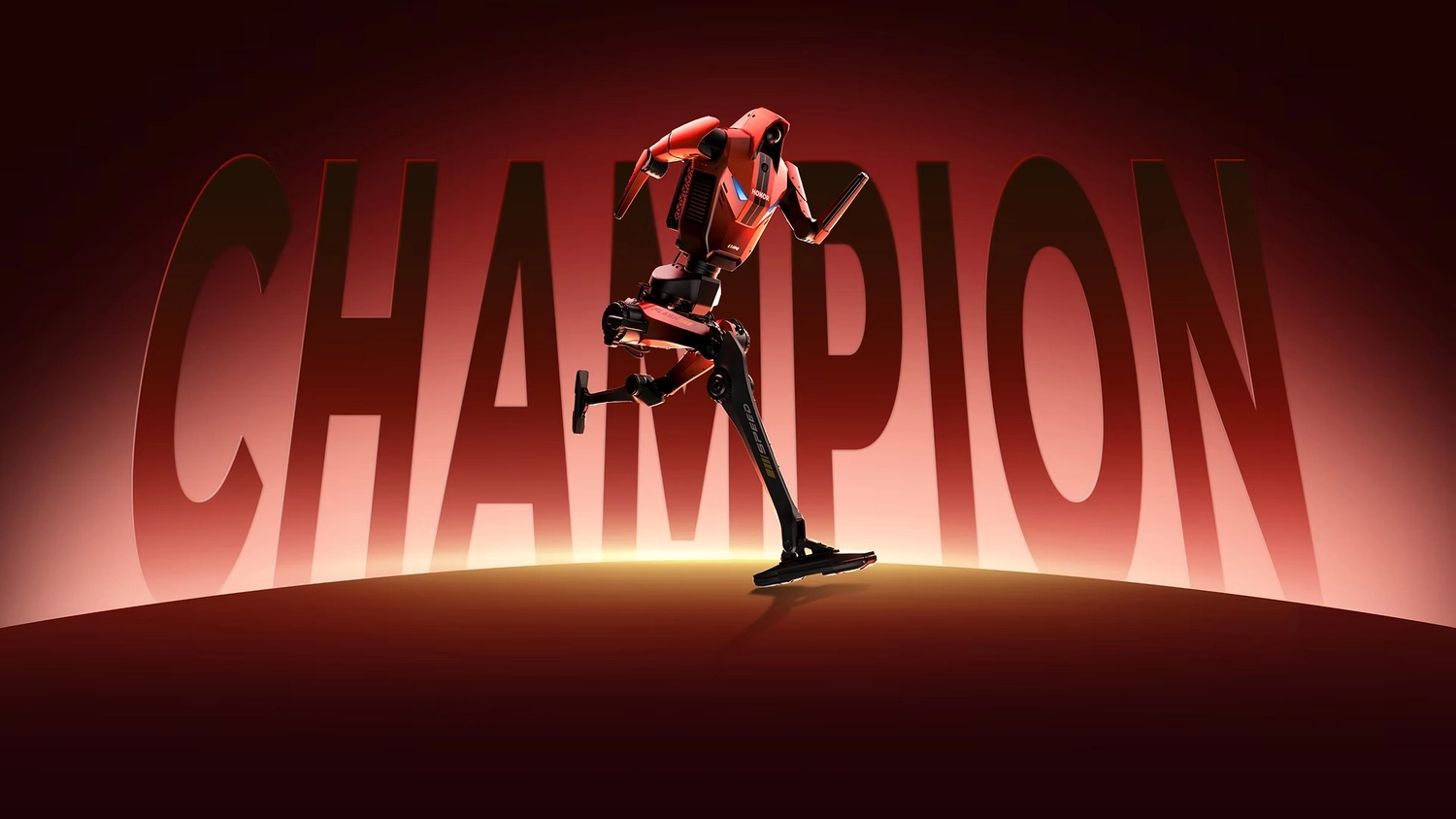
Humanoid robots are being built to solve a hard problem: how to move, balance, and manipulate objects in human spaces without losing stability or responsiveness. Honor used its MWC 2026 robotics showcase to introduce the D1, also called Lightning, as a humanoid demo focused on high-speed motion, autonomous perception, and navigation.
Why it stands out
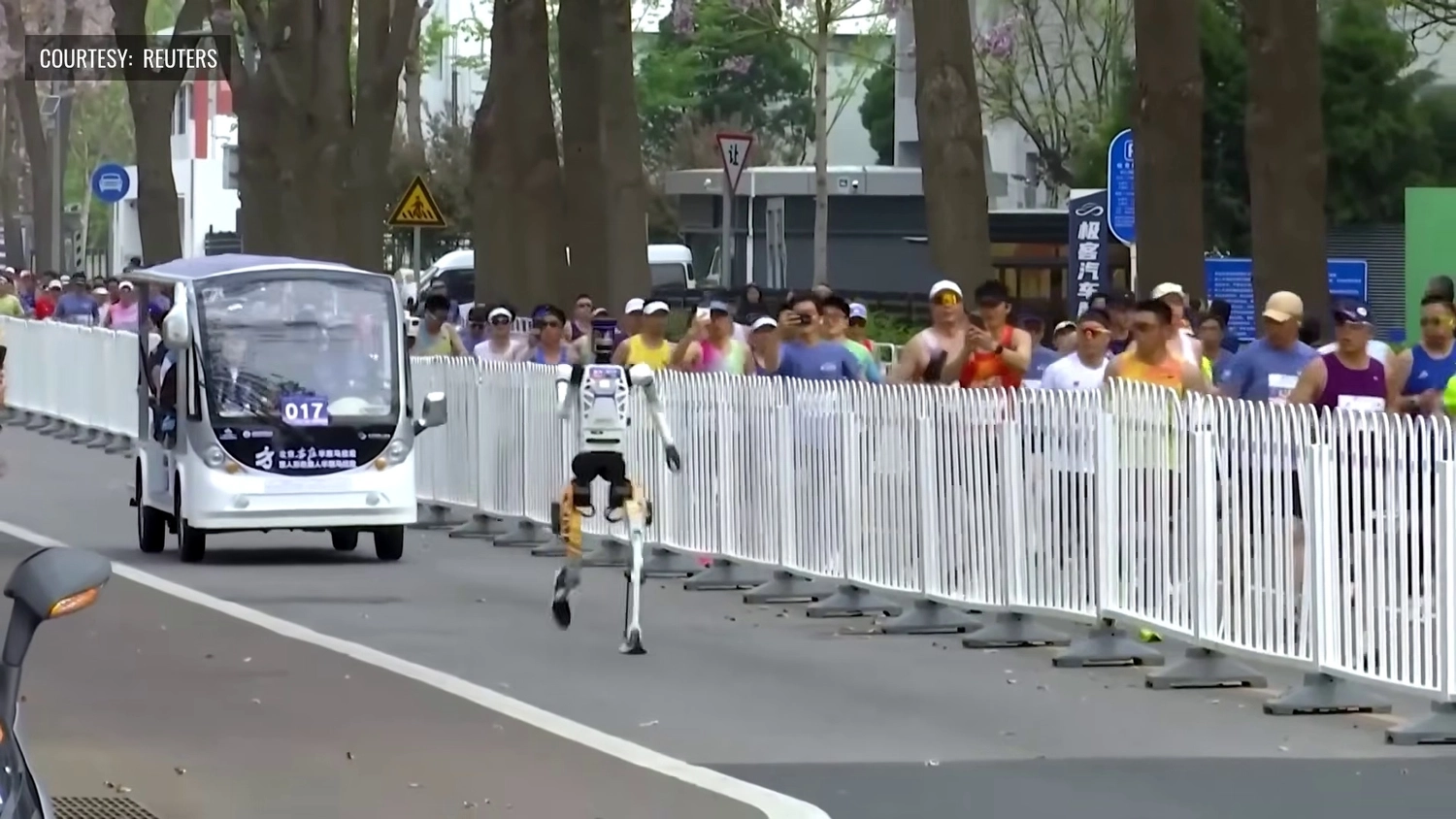
What makes D1 notable is not just the fact that it is a biped, but the way Honor frames it as a performance platform with autonomous perception and navigation, an in-house high-dynamic motion system, and terrain-traversal capability. That combination points to a robot designed for full-body coordination rather than fixed-motion routines, with the strongest value in teleoperation, assisted service, and inspection tasks where balance and timing matter more than raw lifting power. Honor also gave it a visible competitive marker by tying the debut to a half-marathon context, which is a practical way to signal endurance and gait control. D1’s real message is that humanoids are now being judged on motion quality, not just form factor.

Motion from input
The D1’s basic control loop follows a familiar humanoid pattern: human motion input, AI model processing, then joint actuation with balance correction. In Honor’s framing, autonomous perception and navigation feed the robot’s movement system so it can react to the environment while maintaining stability, which is the core requirement for a humanoid that has to work in real spaces rather than on a stage.
Inspection in practice
The most realistic deployment scenario for a robot like D1 is remote inspection in human-centric spaces, where an operator can guide the body while the machine handles balance, obstacle avoidance, and motion correction. That matters because it reduces the burden on the person controlling the robot and makes it easier to move through tight, uneven, or cluttered environments without relying on pre-scripted choreography. Honor’s emphasis on tough terrain traversal suggests the company sees the platform as useful where controlled mobility is more important than open-field speed.
What the specs show
Honor’s own materials and the verified robot database describe D1 as a 169 cm-tall, 45 kg humanoid with a bipedal layout, putting it in the size range of an adult user and making it easier to imagine in human-designed spaces. Verified sensor coverage includes dual LiDAR units, satellite positioning correction, RGB cameras, stereo vision, a 9-axis IMU, gyroscope, accelerometer, force and torque sensing in the joints, temperature sensors, and ultrasonic proximity sensors, all of which support navigation, balance, and safe interaction. The recorded top running speed is 25.2 km/h, or 15.7 mph, while walking speed is estimated at about 4 km/h, or 2.5 mph, framing D1 as a mobility-first humanoid rather than a static manipulator.
Rivals Edge Check
| Robot | Key Advantage | Where Honor D1 (Lightning) Wins | Target Use |
|---|---|---|---|
| GR-3 | Broad humanoid platform positioning | More clearly tied to high-speed motion and terrain traversal | Teleoperation and inspection |
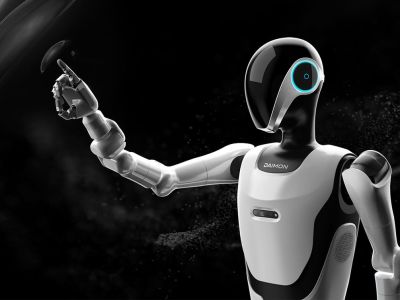
| Daimon One | Strong general-purpose humanoid framing | More specific emphasis on autonomous perception and navigation | Assisted service |
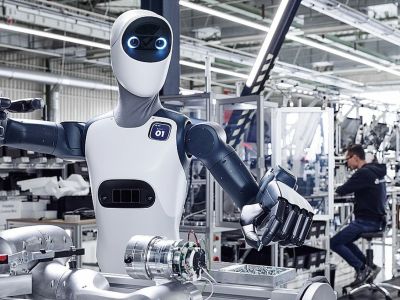
| Agile ONE | Agility-centered branding | Better documented performance narrative around motion and endurance | Bipedal mobility benchmarking |
| Next‑Gen IRON | Next-generation humanoid positioning | More concrete demo context and safety-oriented mobility stack | Human-centric environments |
A broader market shift
Honor’s D1 also reflects a wider industry shift away from humanoids as pre-programmed showpieces and toward teleoperation-first machines that can be trained and judged in realistic environments. That matters because the bottleneck is no longer whether a humanoid can stand upright, but whether it can respond smoothly to human intent while staying stable under changing conditions. In that sense, D1 is less about a single demo and more about where the category is heading: toward robots that behave like responsive extensions of human operators.
Explore Humanoids


Related Articles
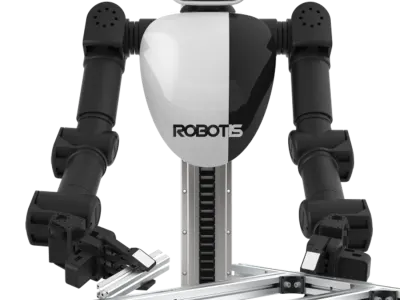
ROBOTIS puts AI Worker forward as a teleoperation-first humanoid for industrial tasks
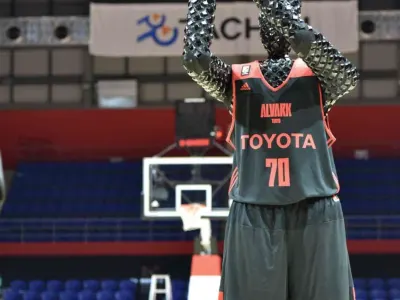
Toyota’s CUE7 shows how humanoid robots are moving from scripted motion to learning-based control
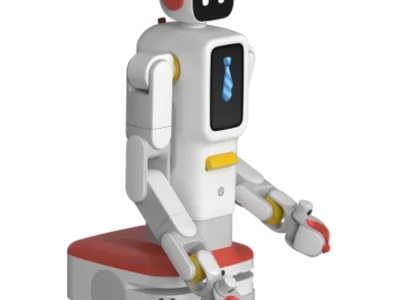
Futuring Robot launches the F2, a humanoid aimed at home trials and everyday assistance
Futuring F1 points to the teleoperation-first future of humanoid robots
Related Comparisons
Compare Honor D1 (Lightning) with similar robots

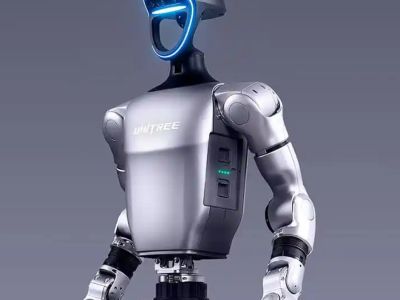
Optimus vs Unitree G1
Compare Optimus vs Unitree G1 for humanoid mobility, dexterity, autonomy, and payload capacity.
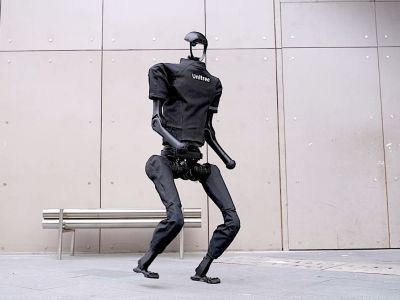
Unitree G1 vs Unitree H1
Head-to-head: Unitree G1 vs Unitree H1 compared on bipedal balance, AI learning, and real-world deployment.
Optimus vs Atlas (Electric 2025)
In-depth comparison of Optimus and Atlas (Electric Atlas, 2025), covering hardware capabilities, teleoperation, and enterprise readiness.

Ameca vs Moya
Which humanoid robot is better? Ameca vs Moya compared for dexterity, AI capabilities, and price.
Learn More About This Robot
Discover detailed specifications, reviews, and comparisons for Honor D1 (Lightning).
View Robot Details →