Futuring F1 points to the teleoperation-first future of humanoid robots
Robot Details
Futuring F1 • Futuring RobotPublished
June 11, 2026
Reading Time
3 min read
Author
Origin Of Bots Editorial Team
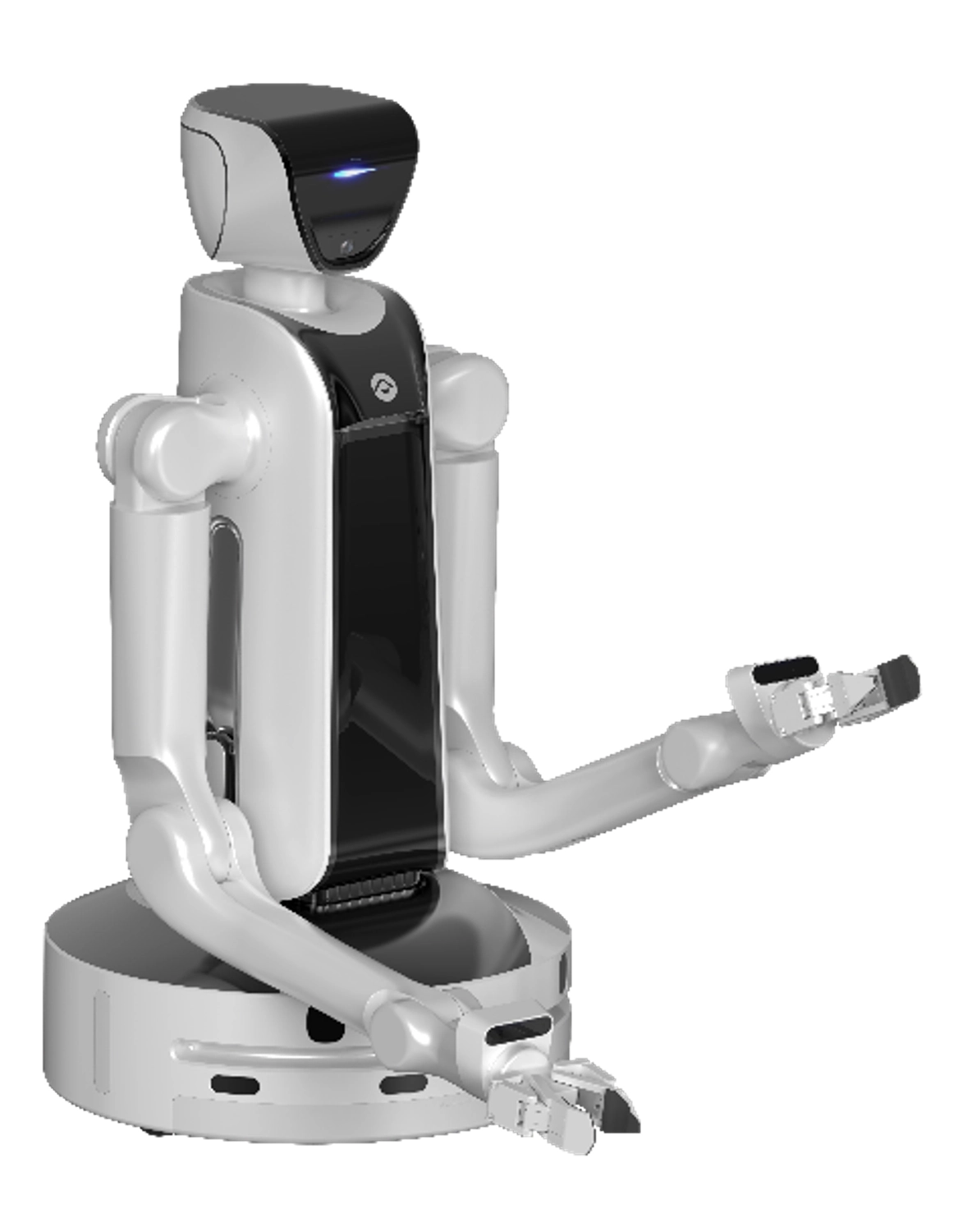
A human-scale shift
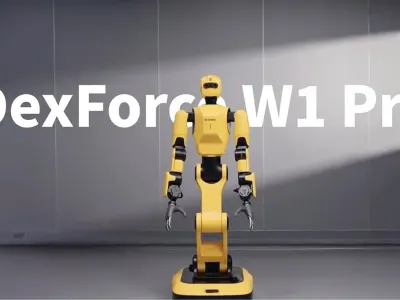
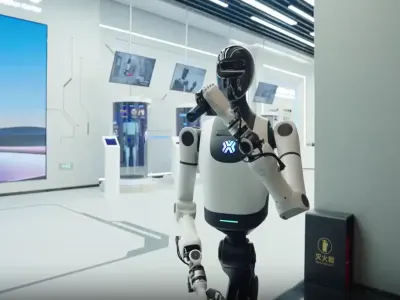
Futuring Robot’s Futuring F1 is reported as a humanoid designed to bring real-time motion imitation, balance correction, and manipulation into human-centered spaces, with a focus on teleoperation and assisted service. The system is positioned around full-body coordination rather than autonomous wandering, reflecting a broader shift in humanoid robotics toward operator-led use in tasks where timing, dexterity, and safety matter most.
Why it stands out
What makes Futuring F1 notable is not raw autonomy but the combination of full-body coordination, natural interaction, real-time imitation fidelity, and teleoperation capability. That mix matters because humanoids in this class succeed or fail on how closely they can mirror human intent while keeping balance under changing conditions, especially indoors around people and equipment. Its reported service focus also fits the market’s current pressure to move beyond pre-scripted motion libraries and toward robots that can be directed by humans in the moment. Futuring F1 is a bet on controlled human guidance, not independence.
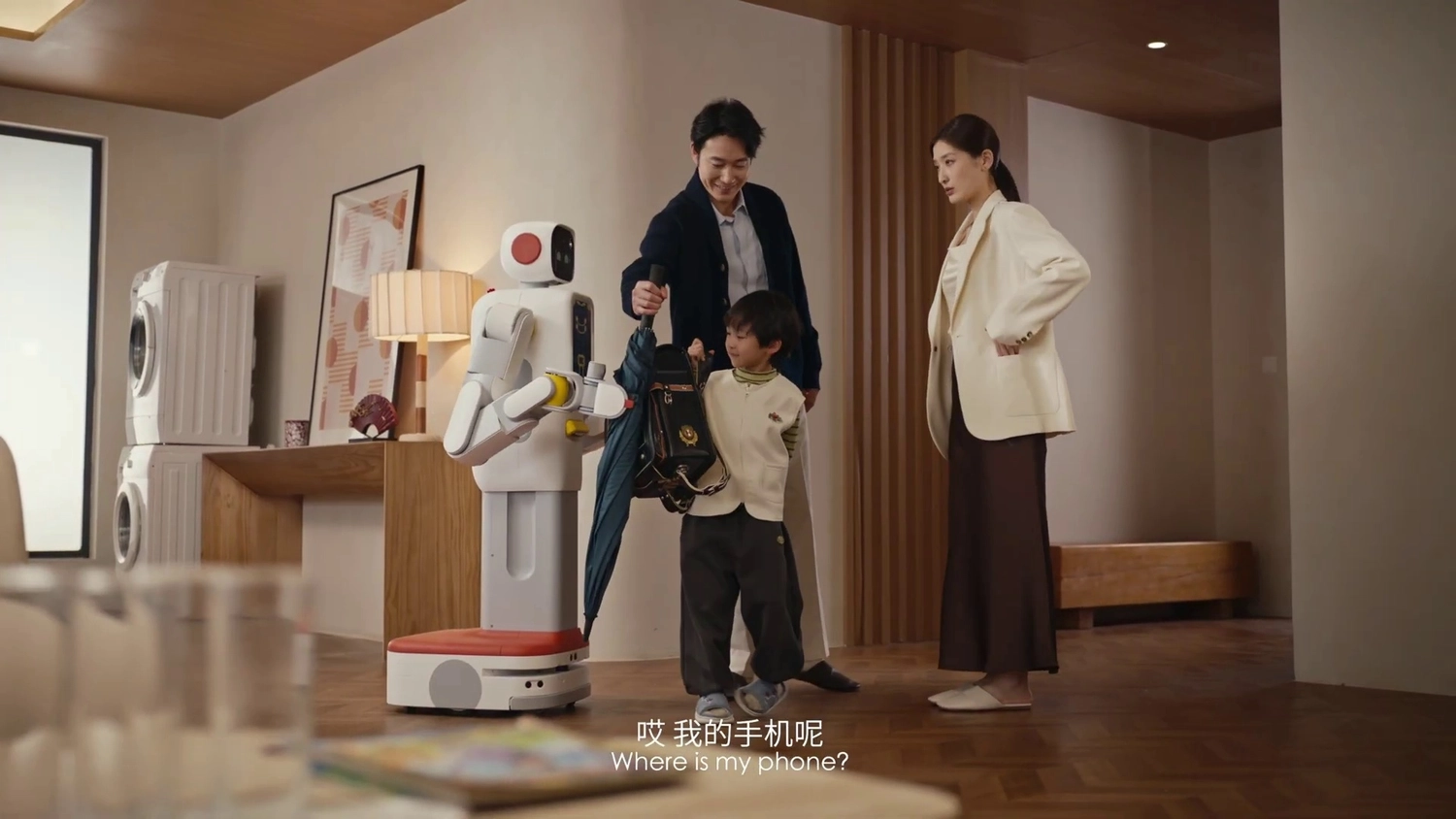
How it works
The technical flow is straightforward: human motion input goes into AI model processing, which then drives joint actuation and balance correction. In practical terms, that means the robot is meant to translate operator actions into coordinated movement while continuously adjusting posture, rather than executing isolated gestures. The reported Linux-based robotics software stack with ROS or ROS2 and Python APIs suggests a system designed for integration, testing, and teleoperation workflows rather than a closed appliance.
In a service corridor
A realistic deployment scenario for Futuring F1 is remote inspection or assisted service inside a hospital corridor or similar human-centric facility. In that setting, teleoperation lets a human operator guide the robot through narrow spaces, handle light objects or packages, and interact with staff without putting a person directly in every room. That use case depends on the robot’s balance correction, force-limited operation, and collision detection more than on top speed.
Capability in numbers
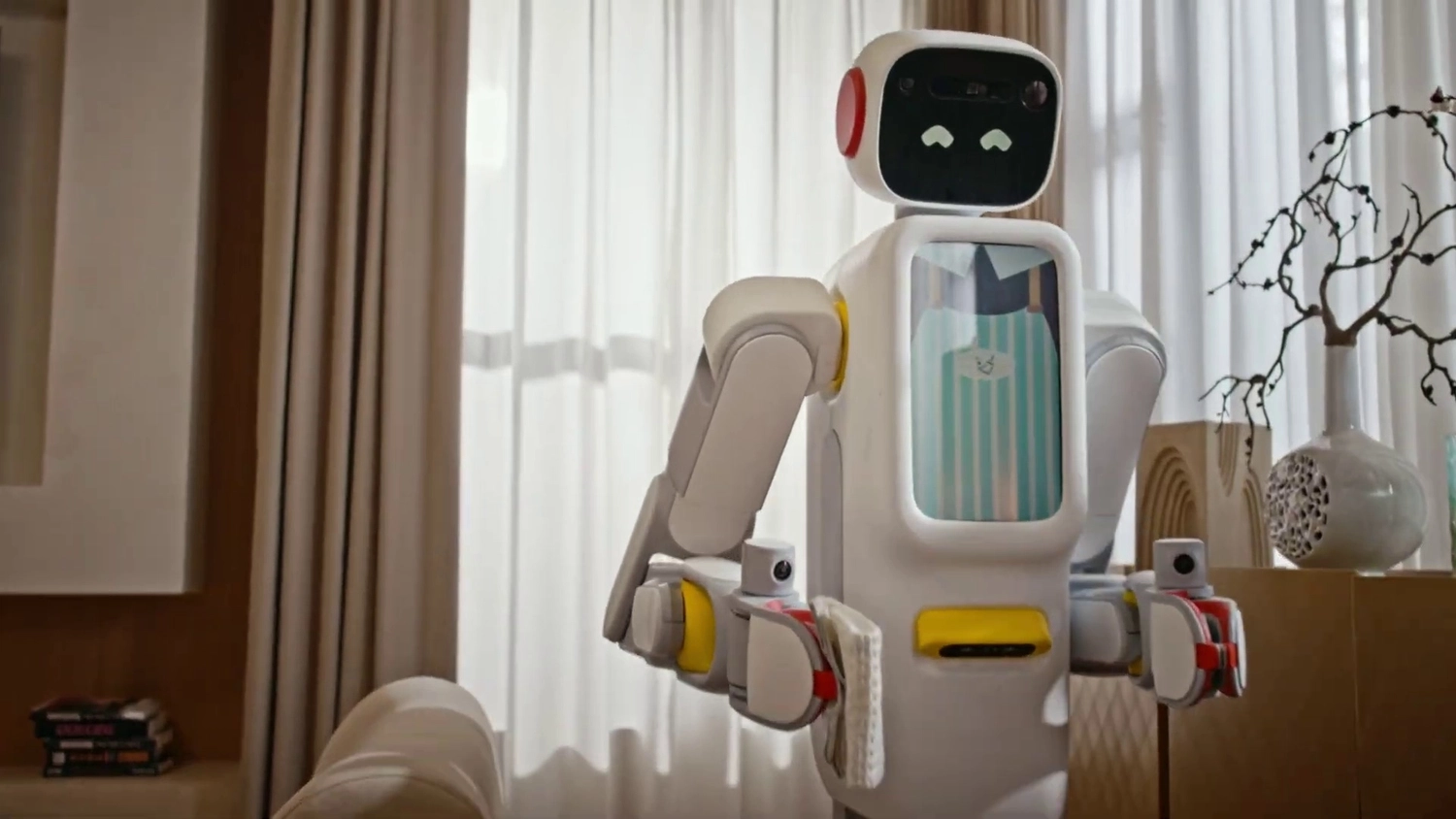
The reported 155 x 45 x 30 cm frame and 70 kg mass suggest a humanoid sized for indoor movement with enough physical presence to handle tools, packages, and close human interaction. Its 4 km/h speed, or 1.11 m/s, points to measured indoor mobility rather than fast transit, while RGB and stereo cameras, IMU, gyroscope, force sensors, ultrasonic sensing, and Visual SLAM or indoor SLAM are the building blocks for stable navigation around people and obstacles. The reported 3 to 5 year battery life should be read as a long-horizon class claim rather than a day-to-day operating guarantee.
Rivals Edge Check
| Robot | Key Advantage | Where Futuring F1 Wins | Target Use |
|---|---|---|---|
| RB-Y1 | Stronger focus on locomotion and general-purpose humanoid framing | Better fit for teleoperation-first workflows and real-time imitation | Human-centered service tasks |
| Hiva Haiwa | Emphasis on interaction-oriented humanoid use | More explicit balance correction and operator-led motion control | Assisted service indoors |
| Titan Yi 2.0 | Broader positioning around humanoid labor applications | More clearly aligned with remote control and collaborative mode | Teleoperation and inspection |
| TORA DoubleOne | Strong service-robot branding and human-facing operation | Full-body coordination and manipulation-focused design language | Hospitality and support work |
Industry direction
Futuring F1’s relevance is that it matches a wider industry signal: humanoid robotics is increasingly being organized around supervised operation in controlled environments, not around fully independent general intelligence. That matters commercially because teleoperation can reduce deployment risk, expose fewer safety uncertainties, and let manufacturers gather real-world data before pushing autonomy further. If that pattern holds, the next competitive edge will come from robots that can be piloted smoothly, not just advertised as smart.
Explore Humanoids
Sources
Related Articles
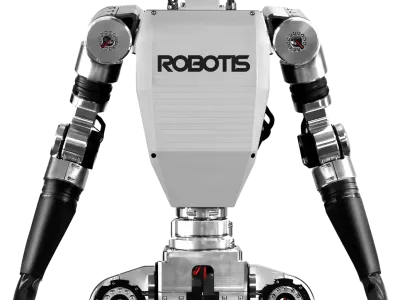
ROBOTIS introduces AI Sapiens K0 as an open humanoid platform for Physical AI
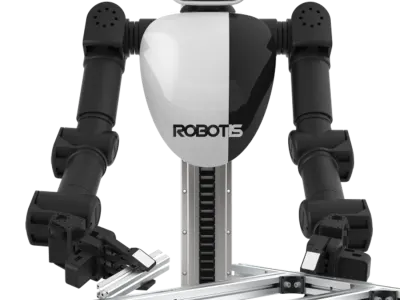
ROBOTIS puts AI Worker forward as a teleoperation-first humanoid for industrial tasks

Toyota’s CUE7 shows how humanoid robots are moving from scripted motion to learning-based control
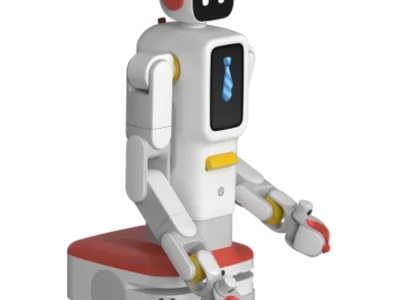
Futuring Robot launches the F2, a humanoid aimed at home trials and everyday assistance
Related Comparisons
Compare Futuring F1 with similar robots

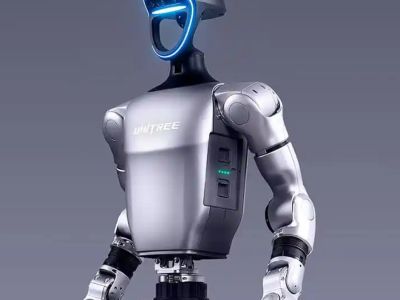
Optimus vs Unitree G1
Compare Optimus vs Unitree G1 for humanoid mobility, dexterity, autonomy, and payload capacity.
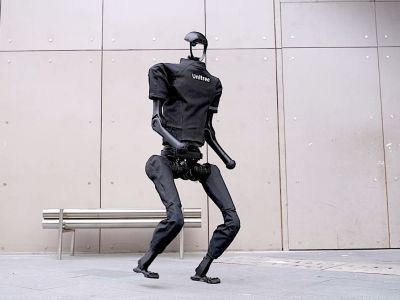
Unitree G1 vs Unitree H1
Head-to-head: Unitree G1 vs Unitree H1 compared on bipedal balance, AI learning, and real-world deployment.
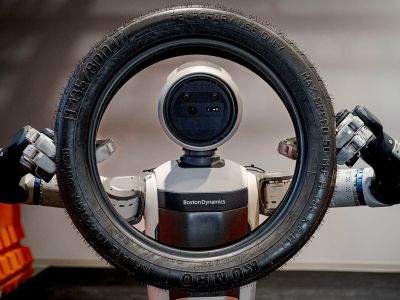
Optimus vs Atlas (Electric 2025)
In-depth comparison of Optimus and Atlas (Electric Atlas, 2025), covering hardware capabilities, teleoperation, and enterprise readiness.
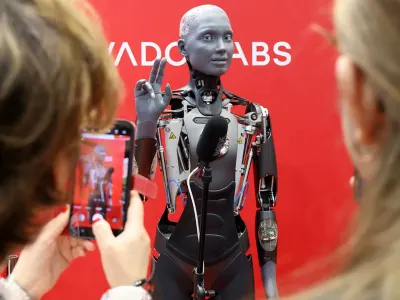
Ameca vs Moya
Which humanoid robot is better? Ameca vs Moya compared for dexterity, AI capabilities, and price.
Learn More About This Robot
Discover detailed specifications, reviews, and comparisons for Futuring F1.
View Robot Details →