UBTECH’s Walker C1 steps into the public eye as a service humanoid built for human-facing spaces
Robot Details
Walker C1 • UBTECH RoboticsPublished
June 11, 2026
Reading Time
3 min read
Author
Origin Of Bots Editorial Team
Public-stage debut
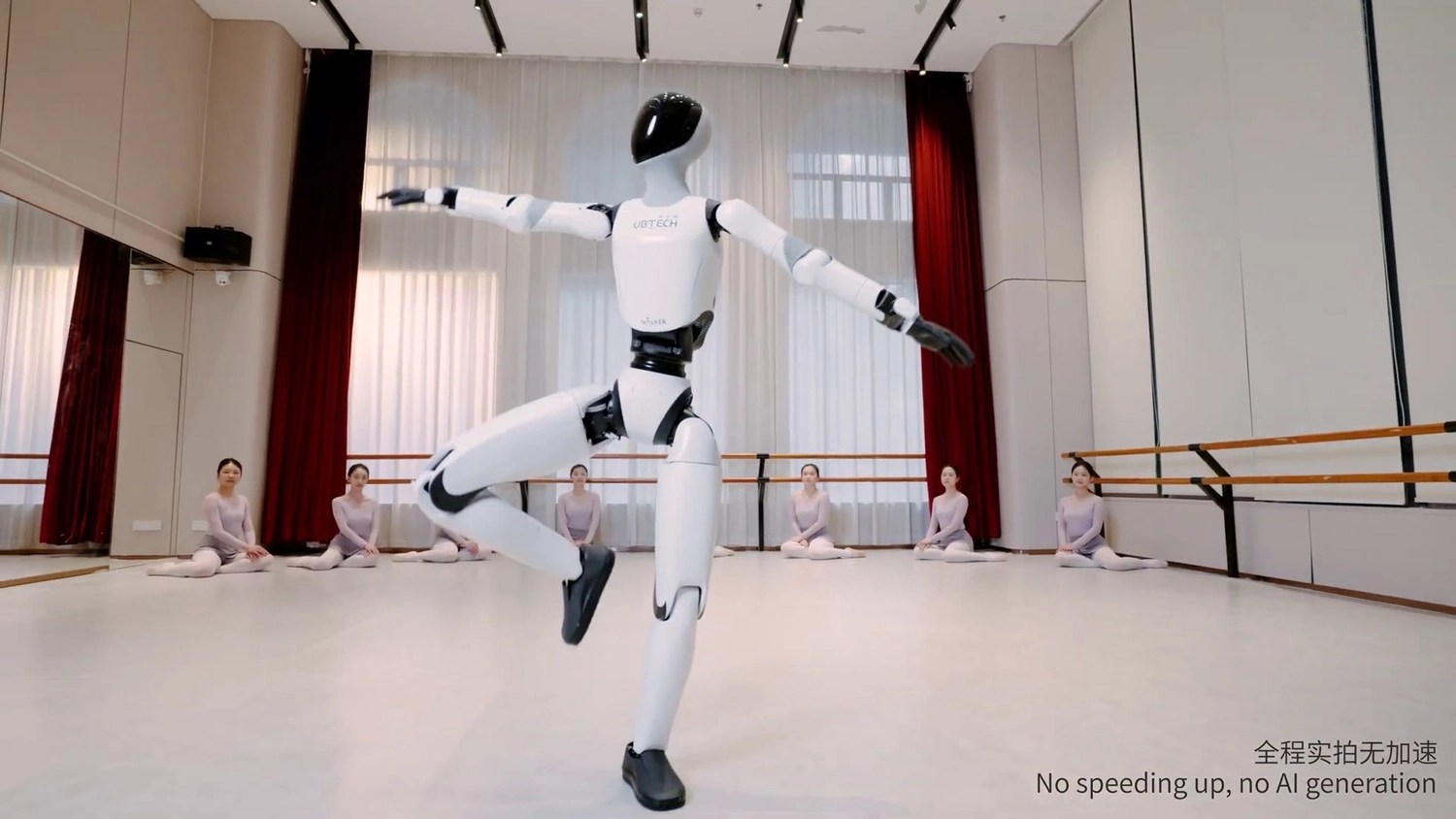
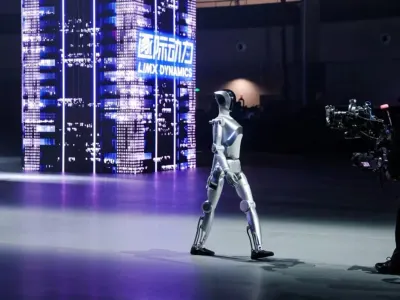
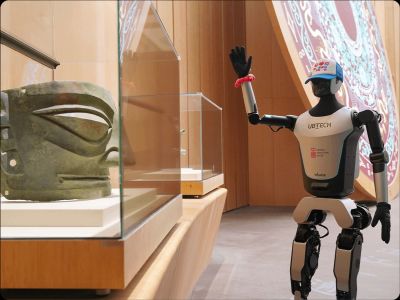
UBTECH Robotics has showcased the Walker C1 as a commercial humanoid service robot, presenting it in a choreographed performance with human dancers and positioning it for public-facing environments. The demonstration matters because humanoid robotics is still wrestling with the same core challenge across the industry: how to combine full-body balance, natural movement, and reliable interaction in spaces built for people.
Why this matters
What sets Walker C1 apart is less the performance itself than the role UBTECH is assigning it: a service humanoid aimed at reception, visitor guidance, presentations, and other indoor human interaction tasks. That makes it a useful signal for where humanoids are headed, especially as companies try to move beyond scripted motion toward more natural coordination and responsive behavior in crowded public settings. The robot’s value lies in how it blends expressive movement with commercial service positioning, rather than in raw industrial strength. UBTECH is clearly testing whether humanoids can become dependable front-of-house machines before they become broadly autonomous workers.
Motion to action
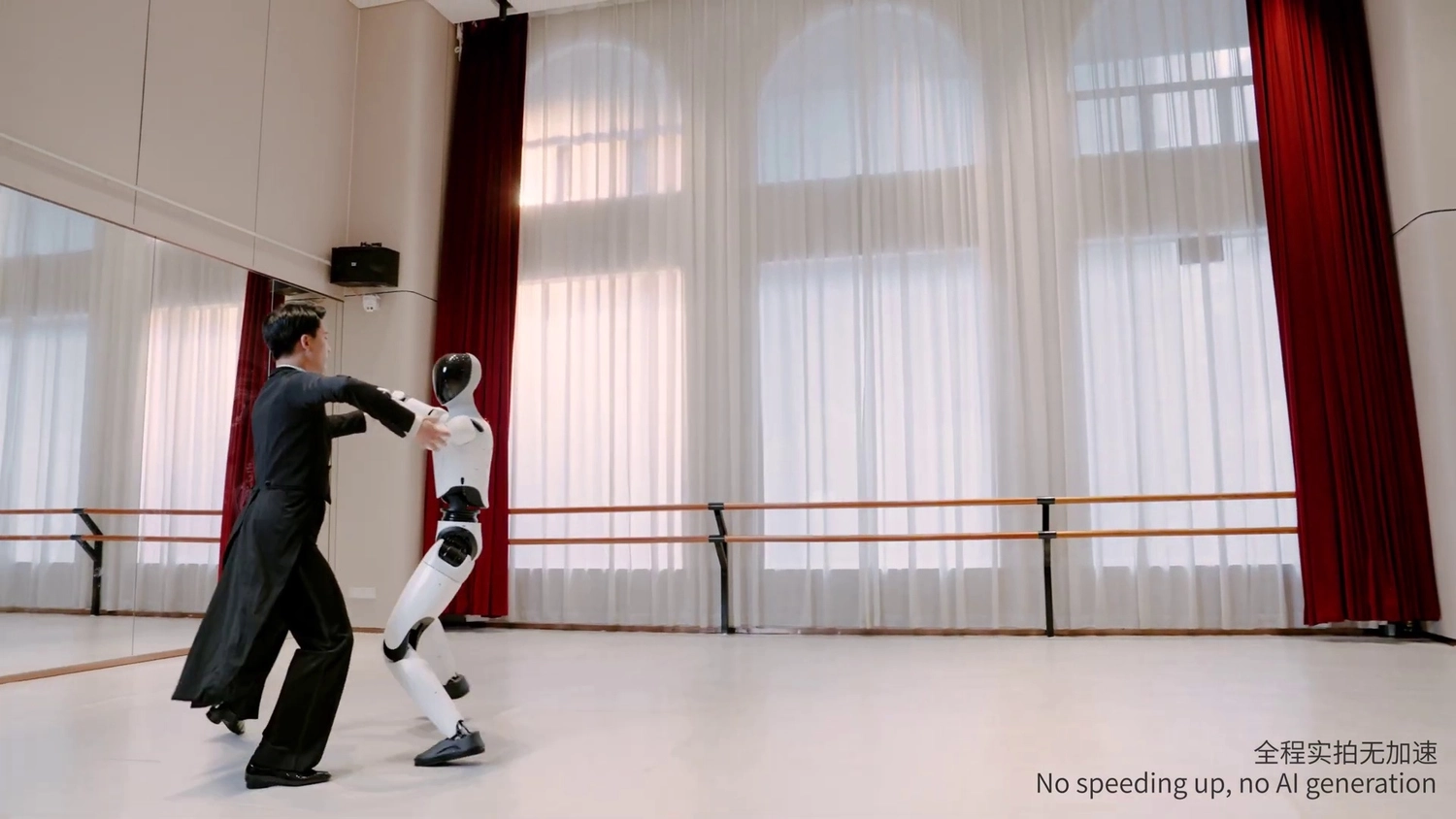
The system flow for a humanoid like Walker C1 is straightforward in concept but difficult in execution: human motion input, AI model processing, then joint actuation with balance correction. In practical terms, that means cameras and other sensors feed motion and environment data into the robot’s control stack, which then translates the input into coordinated whole-body movement while adjusting for posture, stability, and obstacles. The result is a robot that can move and interact in a way that appears fluid rather than mechanically staged.
Reception floor test
The most realistic deployment scenario for Walker C1 is a staffed lobby or exhibition hall, where the robot can guide visitors, answer routine questions, and deliver branded presentations. In that setting, teleoperation and assisted service matter as much as autonomy, because the machine’s job is to stay responsive in a human-dense environment rather than to operate alone over long distances. UBTECH’s framing suggests the robot is being evaluated as a front-line interaction layer, not as a replacement for specialized industrial labor.
What the specs imply
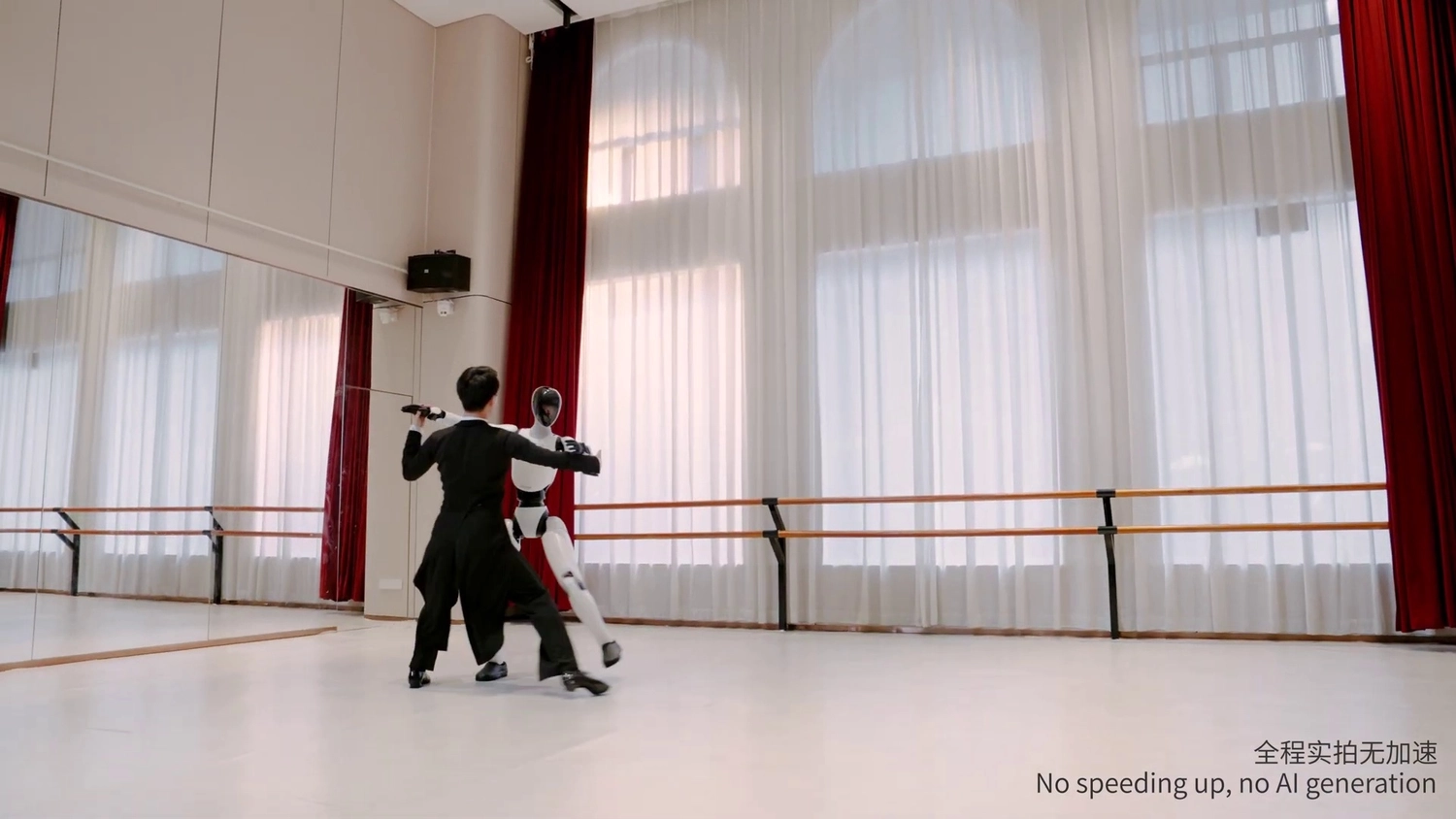
Reported specifications point to a full-size humanoid with a height of 165 cm and a weight of about 50 kg, giving it a form factor suited to standing among people in indoor spaces. The listed sensor suite, including RGB cameras, depth cameras, structured-light 3D cameras, force sensors, an IMU, joint encoders, and a microphone array, supports the combination of perception, balance, and conversational interaction that service humanoids need. The reported indoor autonomous navigation stack, with visual SLAM, obstacle avoidance, and route following, suggests the platform is designed to move through buildings rather than remain fixed in one spot.
Rivals Edge Check
| Robot | Key Advantage | Where Walker C1 Wins | Target Use |
|---|---|---|---|
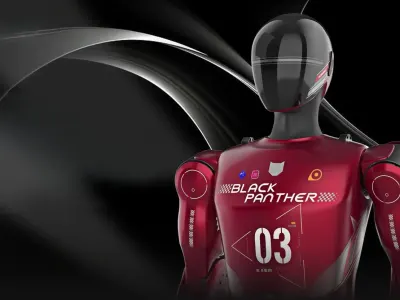
| Honor A1 | Consumer-facing humanoid branding and broad public familiarity | More explicit service-humanoid positioning and indoor guidance focus | Reception and visitor interaction |
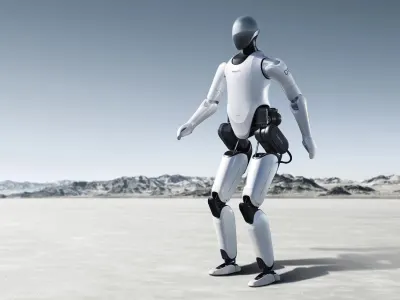
| CyberOne 2026 Version | Advanced humanoid motion and premium technical positioning | Stronger emphasis on practical public-space service demos | Assisted indoor service tasks |
| Bolt | Compact service-robot identity and simpler deployment profile | Full-body humanoid presence for face-to-face interaction | Light service and presentation support |
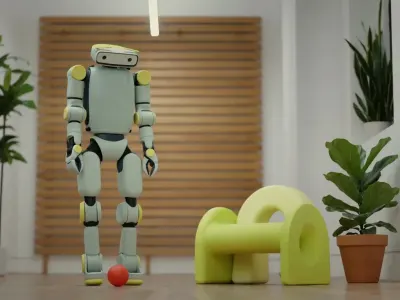
| Sprout | Small-scale interaction and approachable public use | Greater humanlike motion and stronger exhibition presence | Branded demonstrations and escorting |
Industry direction
The broader signal is that humanoid robotics is moving toward teleoperation-led service roles rather than fully pre-programmed motion libraries. That shift matters because public spaces reward robots that can recover from uncertainty, mirror human movement more naturally, and handle short interactive tasks without requiring a fixed industrial environment. Walker C1 fits that transition by presenting humanoid motion as a service interface, not just a mechanical showcase.
Explore Humanoids
Related Articles

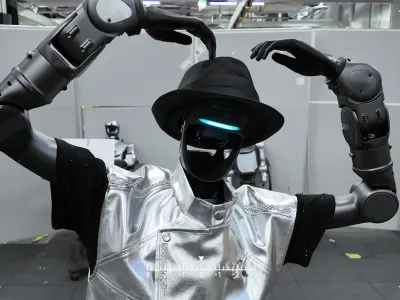
Honor’s D1 humanoid pushes teleoperation and speed to the front of the race
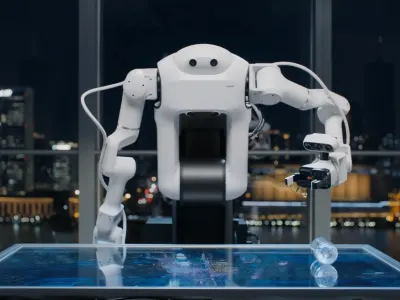
Sudo R1 pushes simulation-first humanoid robotics toward teleoperation-ready physical intelligence
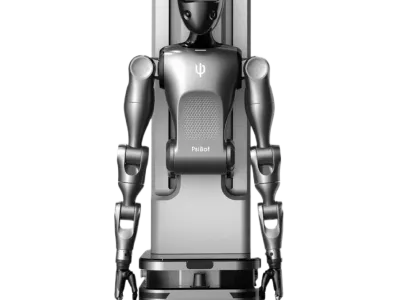
PsiBot’s Psi V1 brings teleoperation-first humanoid control into a wheeled service form
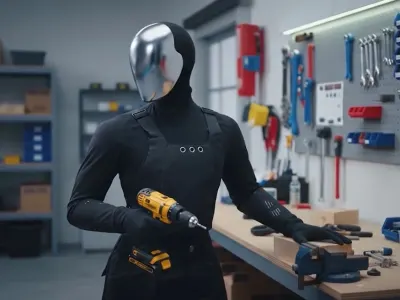
Kinetix AI’s KaiBot pushes humanoid robots toward tactile teleoperation
Related Comparisons
Compare Walker C1 with similar robots
Walker C vs Cruzr S2
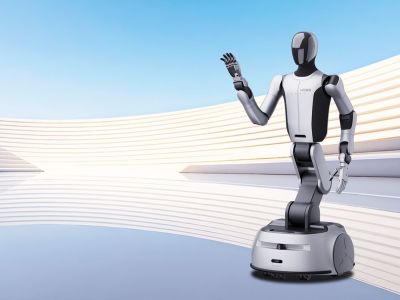
Walker C vs Cruzr S2: UBTECH's walking reception humanoid against its wheeled assembly and service humanoid, compared on build, hands and uses.
AgiBot G2 vs Cruzr Y1
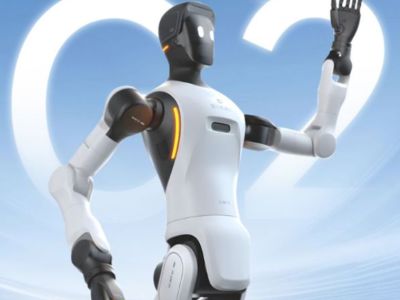
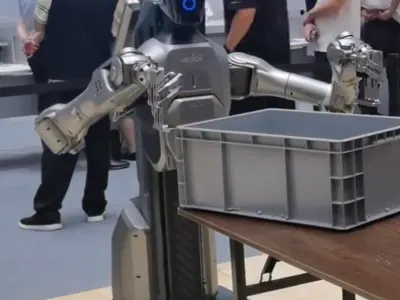
Compare AgiBot G2 vs Cruzr Y1 for humanoid mobility, dexterity, autonomy, and payload capacity.
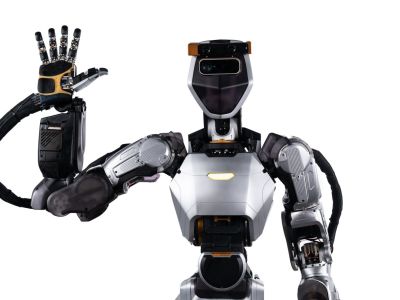
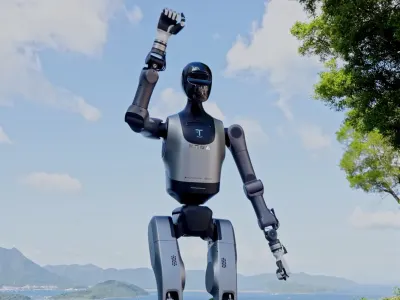
Phoenix vs Walker Tienkung
Compare Phoenix and Walker Tienkung. Detailed analysis of navigation, sensors, and speed.
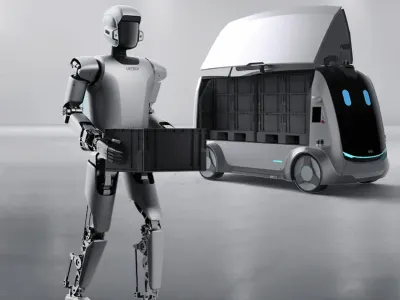
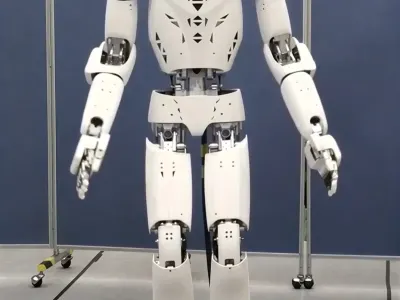
Walker S1 vs Kaleido 8.0
Walker S1 vs Kaleido 8.0: UBTECH's factory humanoid against Kawasaki's robust bipedal humanoid, compared on size, mobility, sensors, AI and best uses.
Learn More About This Robot
Discover detailed specifications, reviews, and comparisons for Walker C1.
View Robot Details →