North Masters 30-Step Windmill Assembly at CES 2026
Robot Details
North • SharpaPublished
February 18, 2026
Reading Time
3 min read
Author
Origin Of Bots Editorial Team
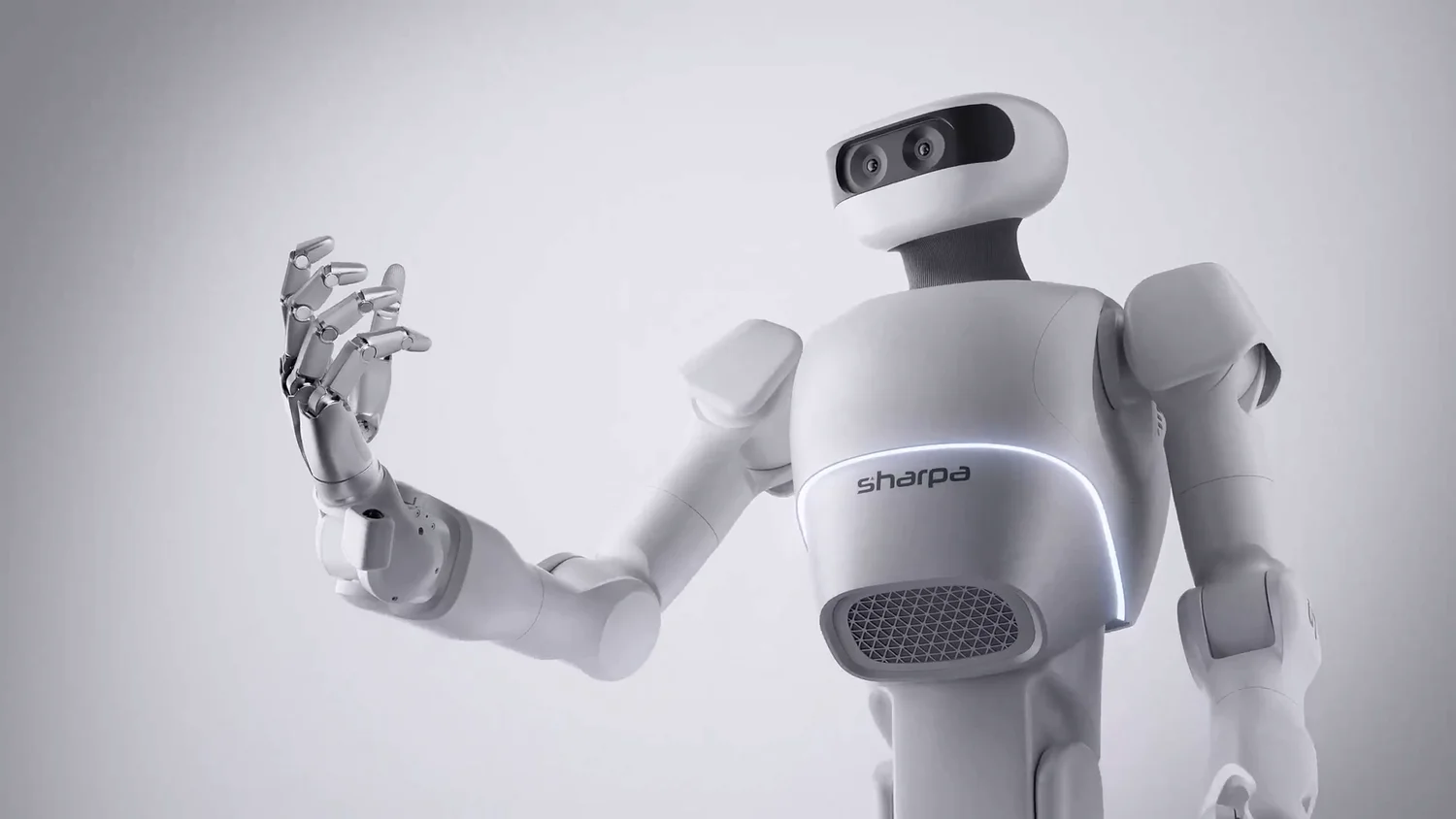
Sharpa's Dexterous Debut
Sharpa unveiled North at CES 2026, a humanoid robot that completed a 30-step autonomous windmill assembly—one of the longest continuous manipulation sequences publicly demonstrated to date. The Singapore-based startup's breakthrough centers on contact-rich dexterity: North executed ping-pong rallies with 0.02-second reaction times, captured photographs with 2-millimeter accuracy, and dealt playing cards using multimodal vision-language reasoning. These demonstrations signal a fundamental shift in what humanoid robots can accomplish beyond scripted movements, positioning manipulation as the frontier that separates capable machines from truly versatile assistants.
Where Hands Meet Intelligence
North's capabilities emerge from SharpaWave hands, engineered with 22 active degrees of freedom and over 1,000 tactile sensors per fingertip that enable adaptive grip control. Unlike robots that rely on vision alone, North's ultra-sensitive touch feedback allows it to adjust force and pressure mid-task—critical for handling fragile objects or performing delicate assembly work. The robot's multimodal reasoning system integrates visual perception with language understanding, enabling it to interpret complex instructions and recover from unexpected situations. This combination of tactile intelligence and cognitive flexibility represents a departure from traditional industrial arms, which excel at repetitive tasks but struggle with variability and novel contexts.
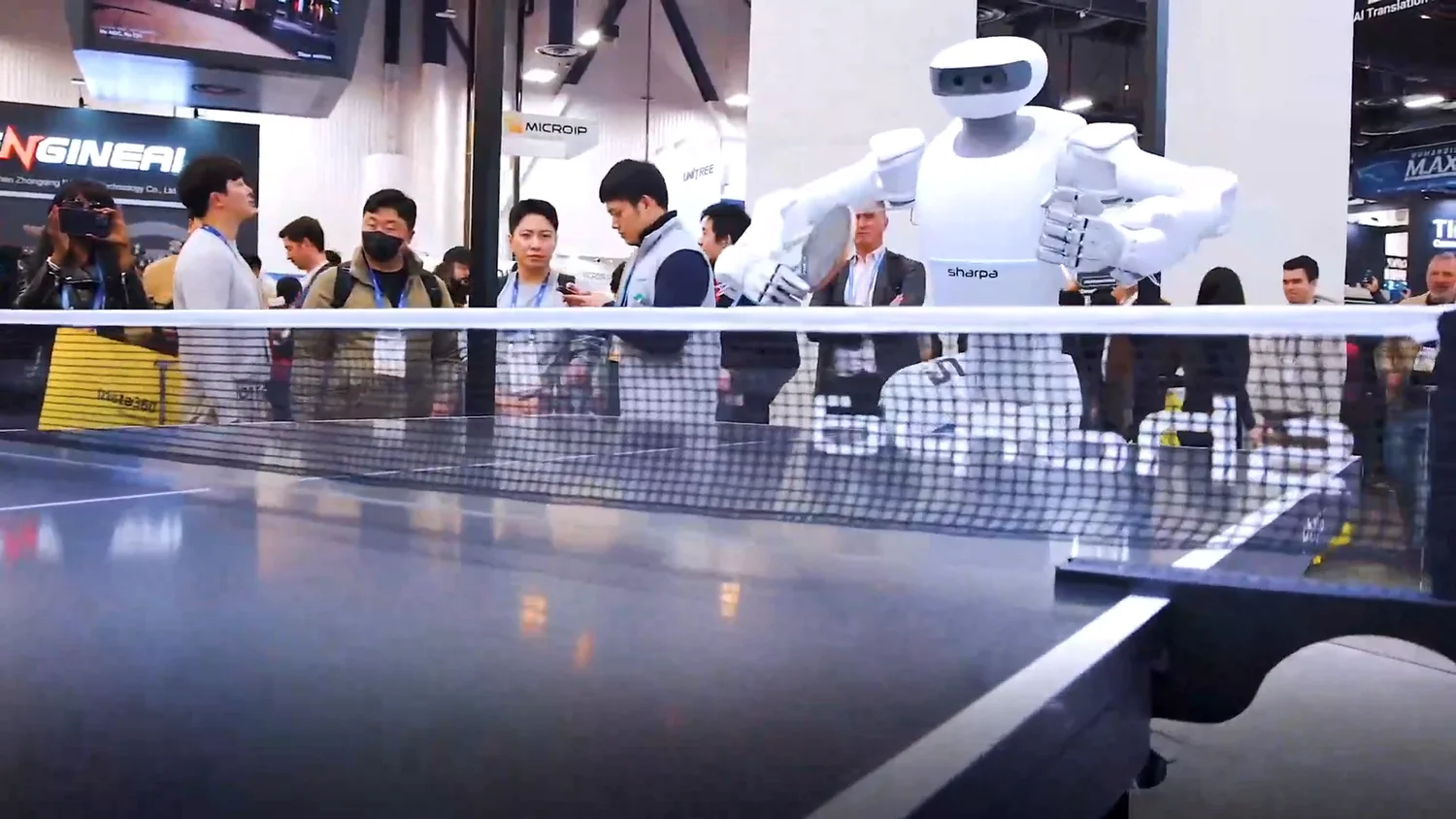
Engineering Precision at Scale
Sharpa's CraftNet VTLA model powers North's self-learning control architecture, allowing the robot to refine manipulation strategies through interaction rather than extensive pre-programming. The system processes real-time feedback from force sensors, tactile arrays, and stereo vision to execute sub-millimeter precision tasks. This approach mirrors how humans learn motor skills—through practice and sensory feedback—rather than treating each task as an isolated problem to solve. The architecture's compatibility with ROS2 and Python APIs signals Sharpa's commitment to enabling developers and researchers to extend North's capabilities rather than locking functionality behind proprietary walls.
From Factory Floor to Human Spaces
North's skill set opens deployment possibilities across manufacturing, logistics, hospitality, and healthcare. Assembly lines benefit from its ability to handle precision components and adapt to design variations without reprogramming. Hotels and hospitals gain a robot capable of interacting naturally with guests and patients—North's anthropomorphic upper-body design and reactive capabilities create less unsettling encounters than rigid industrial machines. Sharpa's focus on human-robot collaboration suggests a future where North works alongside workers rather than replacing them, handling dangerous or repetitive tasks while humans oversee quality and make judgment calls.
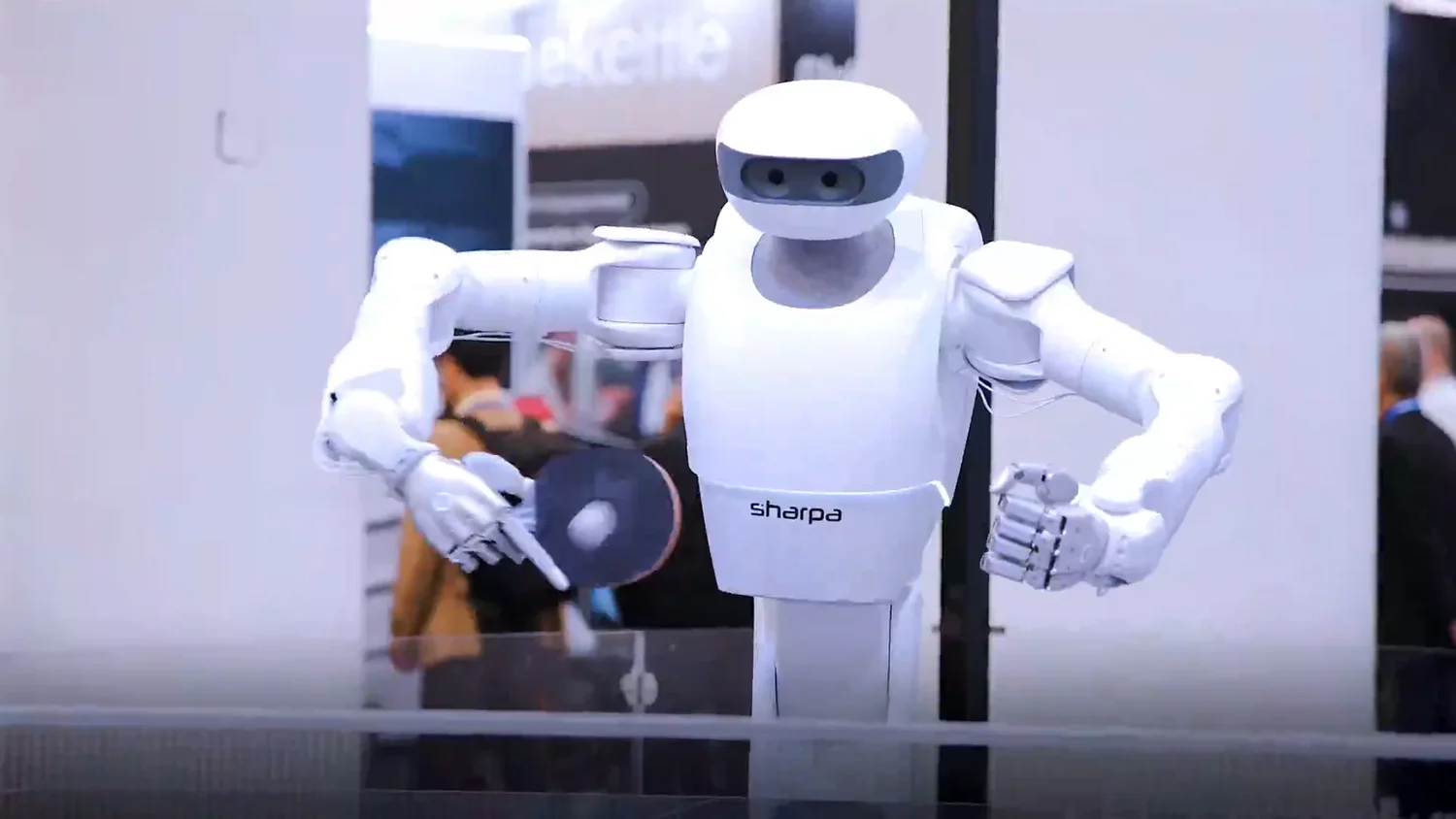
Skill Architecture & Capability Summary
North's physical form supports sustained, nuanced interaction: standing 173 centimeters with a 60-kilogram frame that folds to 69x45x30 centimeters for transport. Its bipedal locomotion operates at 5 kilometers per hour, sufficient for navigating human environments without appearing rushed or clumsy. The sensor suite—RGB cameras, stereo depth, LiDAR, IMU, and force sensors—creates a rich perceptual model that enables both navigation and fine manipulation. A 4-6 hour continuous runtime supports full workdays in assisted-living facilities or manufacturing cells, while the 5-year operational battery cycle reflects engineering durability. Force-limiting compliance, collision detection, and emergency-stop capabilities embed safety into the hardware itself rather than relying solely on software safeguards, critical for robots working near humans.
Versus Rivals Breakdown
| Robot | Strengths over North | North Advantages | Weaknesses vs. North |
|---|---|---|---|
| AgiBot A2 Ultra | Higher payload capacity for heavy industrial tasks | Superior tactile feedback (1,000+ sensors per finger vs. standard arrays); proven 30+ step assembly demonstrations | Limited bipedal locomotion; less human-centric design philosophy |
| VR-H3 | Established production timeline and market availability | Advanced multimodal reasoning; integrated vision-language capabilities for adaptive task interpretation | Newer to market; less field-tested in real-world deployments |
| VR-H1 | Faster walking speed for large warehouse environments | Significantly better hand dexterity with 22 active DoF; superior reaction time (0.02s vs. competitors' 0.05-0.1s range) | Lower carrying capacity; specialized for precision over payload |
| Martian | Broader industrial ecosystem and existing integrations | Humanoid form factor enables human-space deployment; contact-rich manipulation for fragile objects; self-learning architecture | Smaller established user base; fewer long-term reliability metrics available |
Explore Humanoids
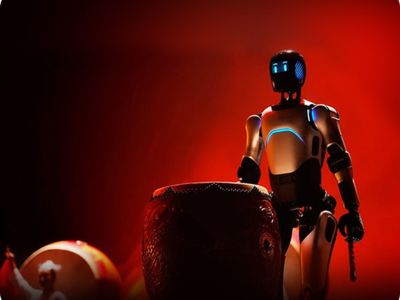
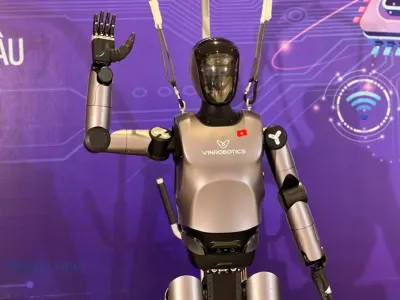
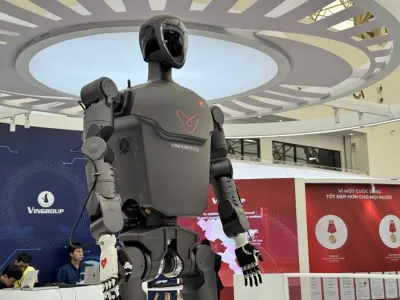

Sources
Related Articles
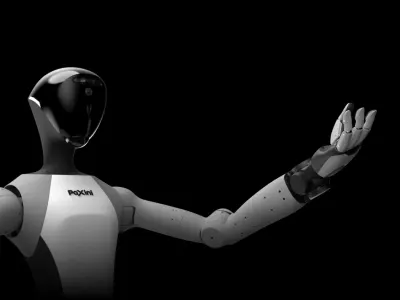
PaXini’s TORA DoubleOne Conquers Obstacles at CES 2026
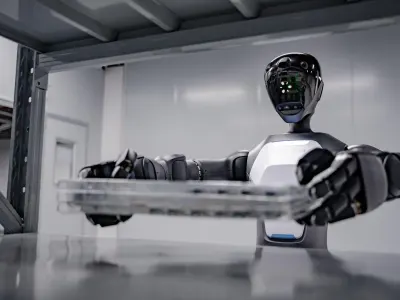
PaXini's Tora One Demonstrates Autonomous Mastery at CES 2026 with Ice Cream Service Task
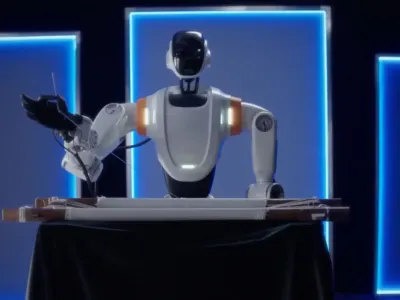
Chinese Robot Masters Hand Embroidery, Tackles Wire Harness Assembly
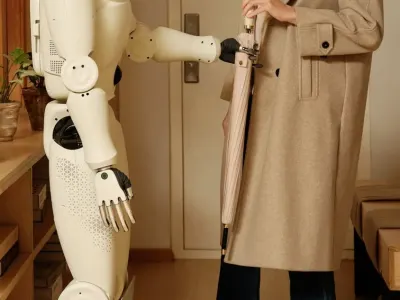
Zeroth's Jupiter Humanoid Debuts Amid M1 Launch Buzz
Related Comparisons
Compare North with similar robots

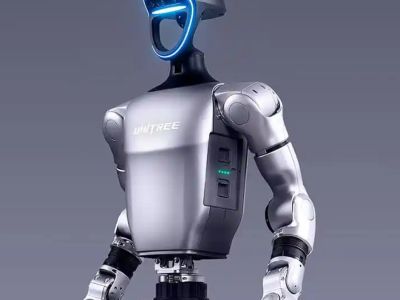
Optimus vs Unitree G1
Compare Optimus vs Unitree G1 for humanoid mobility, dexterity, autonomy, and payload capacity.
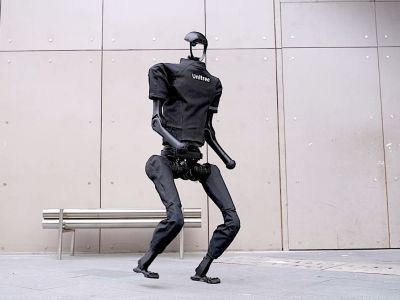
Unitree G1 vs Unitree H1
Head-to-head: Unitree G1 vs Unitree H1 compared on bipedal balance, AI learning, and real-world deployment.
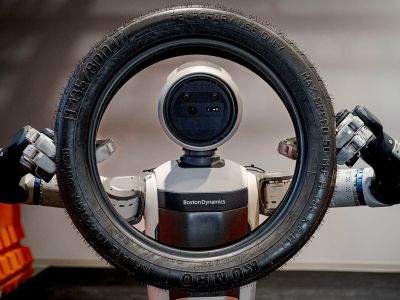
Optimus vs Atlas (Electric Atlas, 2025)
In-depth comparison of Optimus and Atlas (Electric Atlas, 2025), covering hardware capabilities, teleoperation, and enterprise readiness.
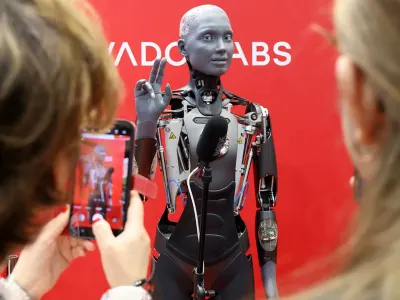
Ameca vs Moya
Which humanoid robot is better? Ameca vs Moya compared for dexterity, AI capabilities, and price.
Learn More About This Robot
Discover detailed specifications, reviews, and comparisons for North.
View Robot Details →