Pleurobot Masters 30-Degree Slopes, Swimming in 2026 Trials
Robot Details
Pleurobot • EPFLPublished
March 18, 2026
Reading Time
2 min read
Author
Origin Of Bots Editorial Team
Slopes Conquered Anew
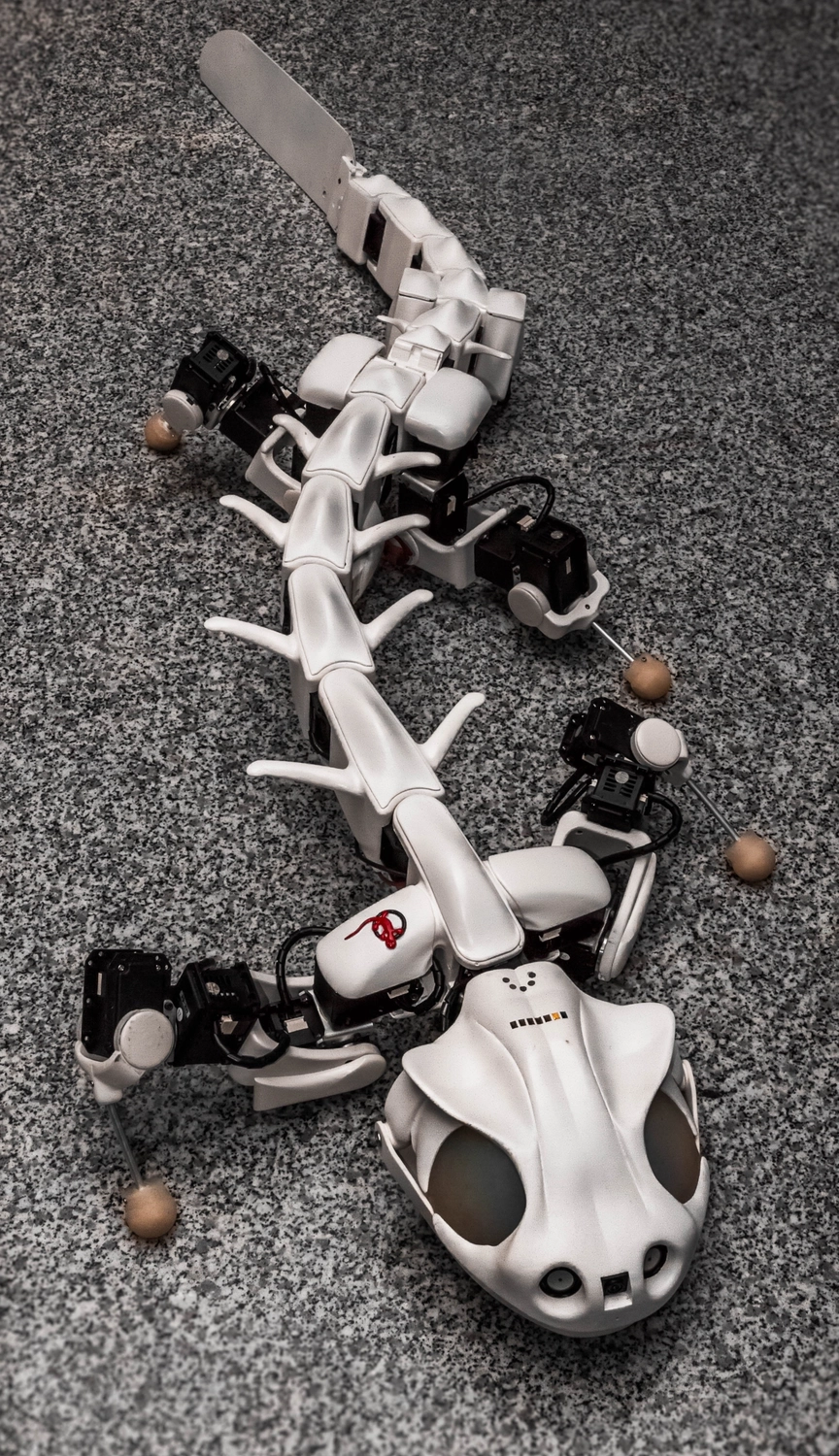
Engineers at EPFL's Biorobotics Laboratory pushed Pleurobot through rigorous 2026 trials in March, where the salamander-inspired robot scaled 30-degree slopes with steady precision while seamlessly transitioning to swimming modes. These tests, conducted on uneven terrain mimicking disaster zones, showcased the robot's evolved reflexes for real-time gait adjustments, proving its resilience beyond lab confines. What stands out is how Pleurobot disrupts traditional robotics by blending vertebrate mimicry with practical amphibious prowess, offering fresh data on spinal cord dynamics amid growing demands for versatile rescue tech.
Gait-Shifting Mastery
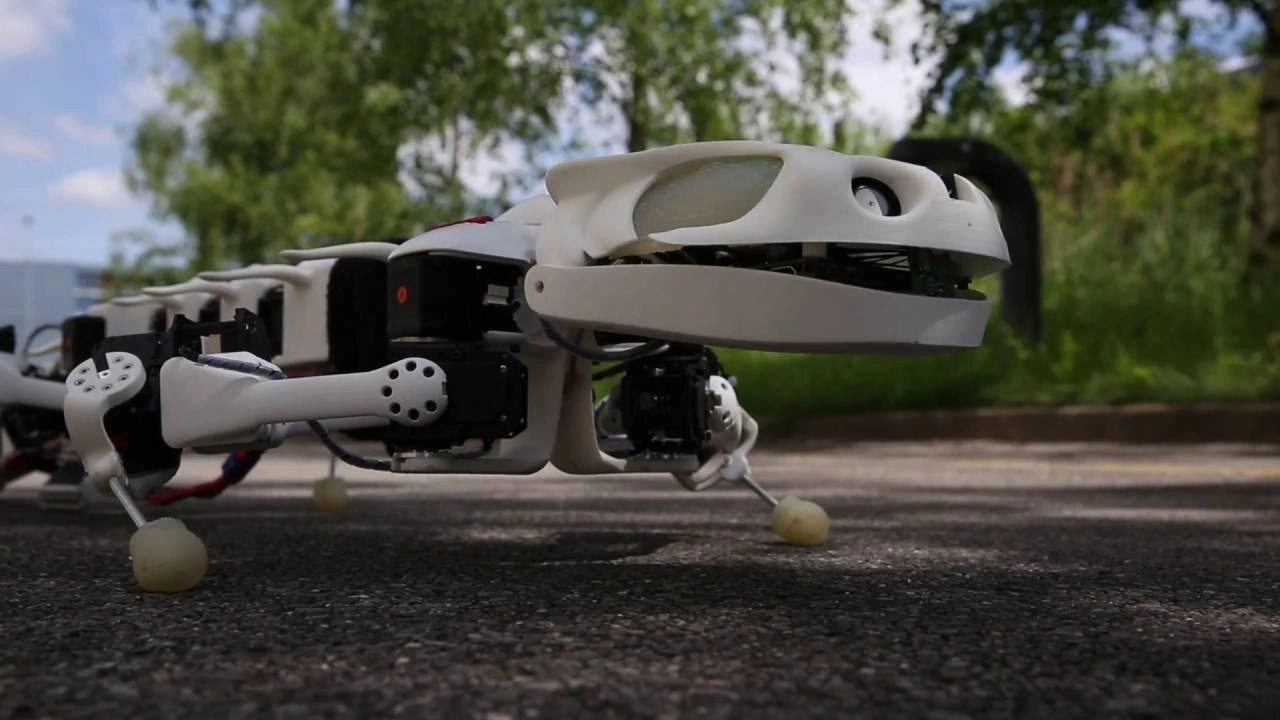
Pleurobot redefines multimodal movement by dynamically switching between walking, crawling, and swimming, all powered by a spine that bends for sharp turns and obstacle clearance. In recent demonstrations, it navigated lateral undulations on land and executed aquatic stepping, maintaining balance via low center-of-mass design. This bio-mimicry, drawn from high-speed X-ray analysis of real salamanders, enables fluid adaptations that outpace rigid-wheeled alternatives, transforming how robots tackle hybrid environments without mechanical overhauls.
Neural Control Revolution
Central pattern generators drive Pleurobot's core, simulating salamander spinal cords to orchestrate 27 degrees of freedom across 11 segments and 29 joints, including passive tail elements. Custom controllers integrate inverse kinematics and state machines for teleoperated precision, while reflex mechanisms trigger leg extensions and stumble corrections on the fly. These advances, refined through 3D-printed bones and high-end servomotors, achieve lifelike bone trajectories, bridging neuroscience and engineering in ways that propel locomotor model testing forward.
Rescue Missions Transformed
Deployments in search-and-rescue simulations highlight Pleurobot's edge in traversing flooded rubble or steep inclines inaccessible to drones or tracks. Biomedical researchers leverage it for spinal injury studies, decoding paraplegia recovery patterns through replicated vertebrate gaits. Amphibious trials extend to neurorehabilitation, where its controlled swims inform prosthetic designs, positioning the robot as a pivotal tool for disaster response teams and clinicians seeking terrain-agnostic mobility solutions.
Specs Fuel Versatility
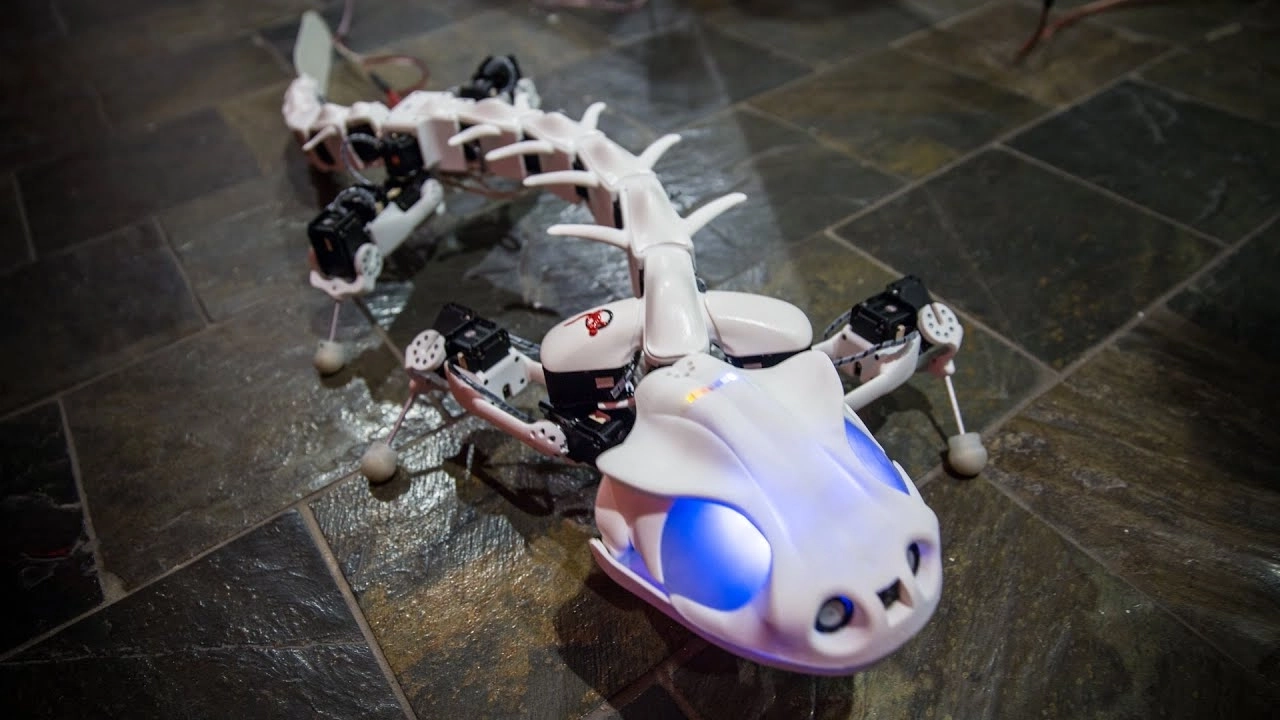
Measuring 54 cm long, 8 cm high, and 15 cm wide at 2.3 kg, Pleurobot achieves 0.15 m/s walking speeds (about 0.5 km/h) on land, with slower swims enabling prolonged terrain tests. An IMU, foot force sensors, positional encoders, and camera feed real-time data to its CPG-based navigation, supporting no-payload research ops. Reflex safety features like stumble correction ensure stability on 30-degree inclines, while MATLAB/Simulink simulations validate amphibious crawling, walking, and swimming for rugged, wet-world applications.
Related Articles
DelFly Nimble Achieves 90% Maneuver Accuracy in 2026 Flight Tests
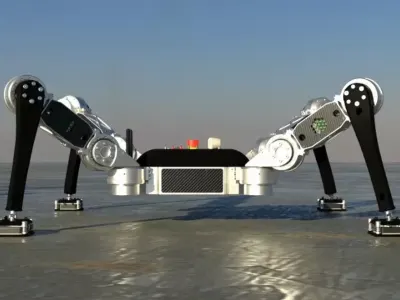
Magnecko Conquers Disaster Sites in ARCHE 2025 Trials
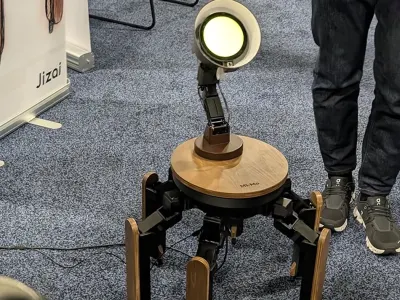
Mi-Mo Developer Kit Opens Waitlist for AI Robot Customization
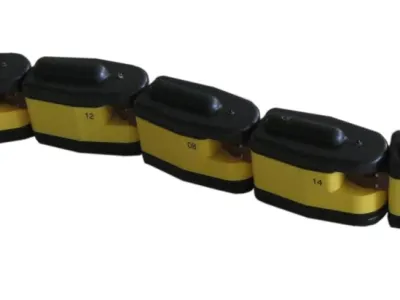
AmphiBot IV Deploys Pollution Sensors in Lakes 2026
Learn More About This Robot
Discover detailed specifications, reviews, and comparisons for Pleurobot.
View Robot Details →