ROBROS Unveils IGRIS-MAX, a Humanoid Built to Carry Up to 30 kg
Robot Details
IGRIS-MAX • ROBROSPublished
November 4, 2026
Reading Time
4 min read
Author
Origin Of Bots Editorial Team
A Humanoid Built for Heavier Work
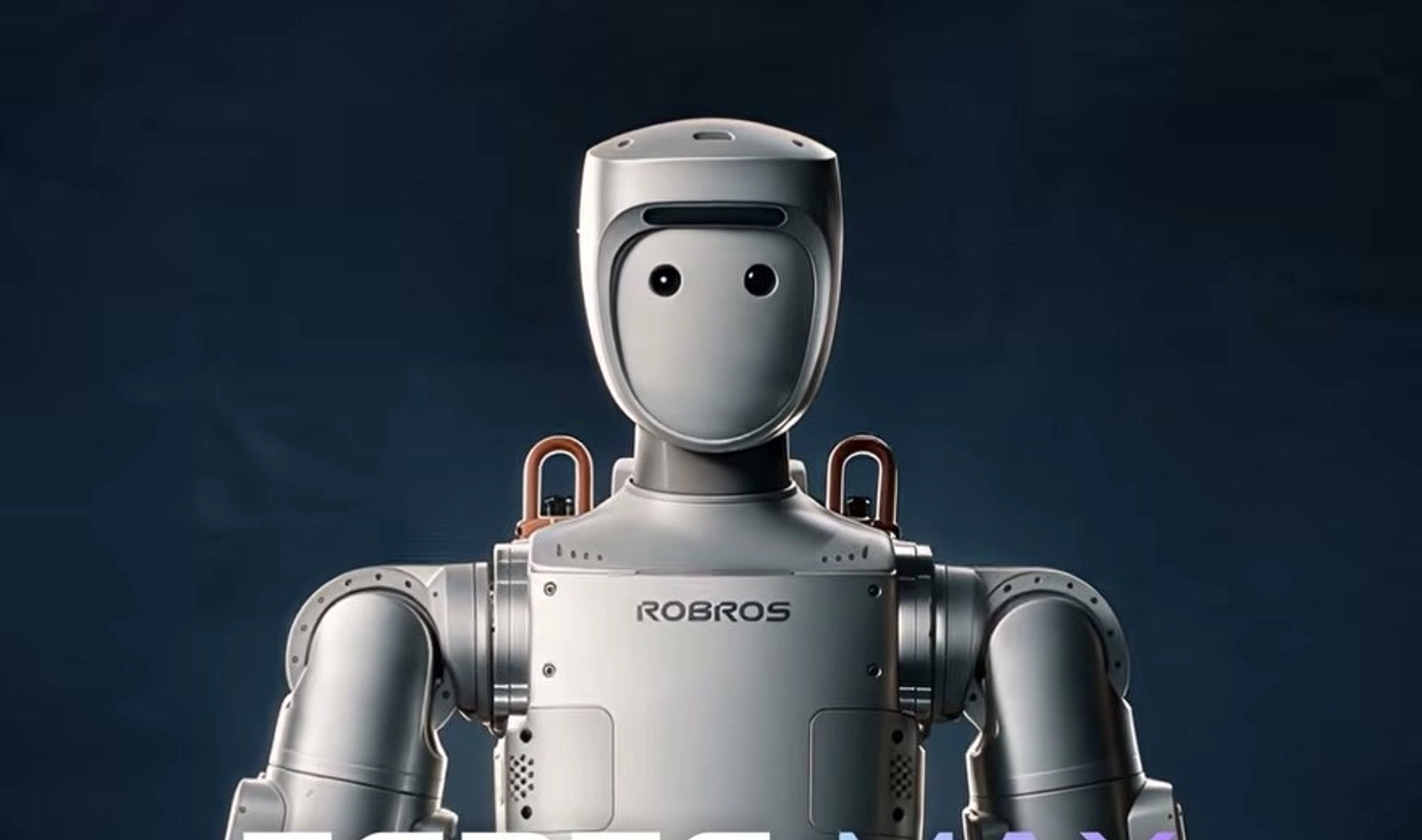
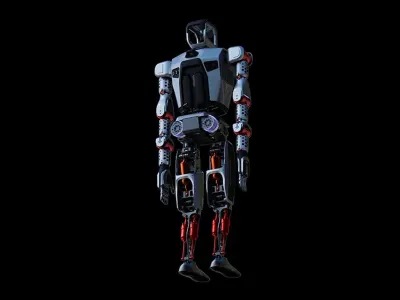
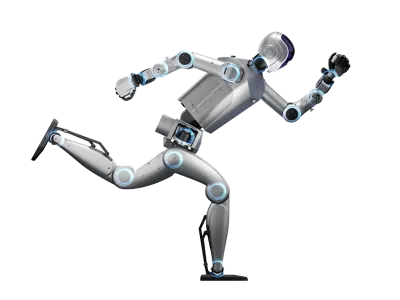
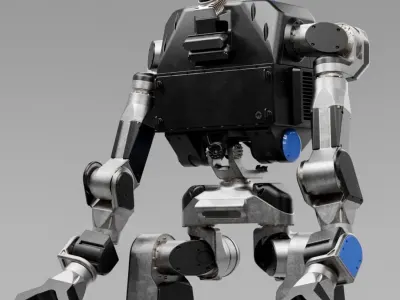
ROBROS, the Seoul robotics company behind the IGRIS-C humanoid, has unveiled its next-generation robot, IGRIS-MAX. The company introduced it on November 4, 2026 with a short launch film titled "Built for More", and the message is simple: this robot is made to carry much more weight than the one before it.
ROBROS says the robot can handle loads of up to 30 kg, and that it is designed for more demanding tasks in industrial environments. That is the kind of work where people spend long shifts lifting boxes, parts and tools, which makes it one of the jobs companies most want to hand over to machines.

The Secret Is in the Shoulders
The upgrade starts at the shoulder. ROBROS points to enhanced shoulder joint torque as the reason IGRIS-MAX can take on heavier loads. Torque is the twisting strength of a motor, and in a humanoid the shoulder is the joint that has to hold an object up and away from the body, which is the hardest position for a robot arm.
A stronger shoulder matters because every kilogram a robot holds in front of its chest has to be balanced by the rest of its body. By strengthening that joint, ROBROS gives the arms the muscle to hold a heavy load while the legs and the balance system keep the robot upright.
Ten, Twenty, Then Thirty Kilograms
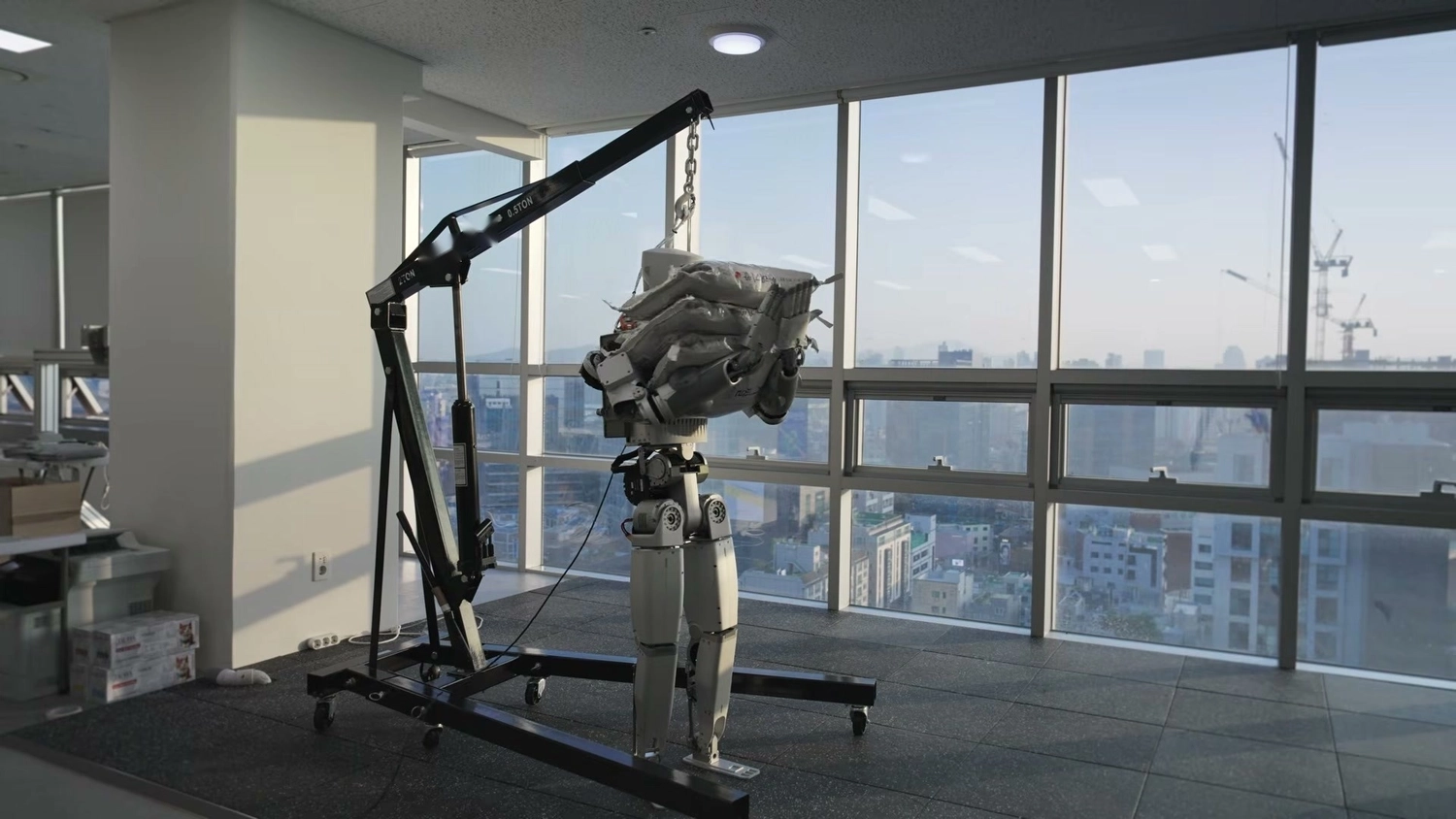
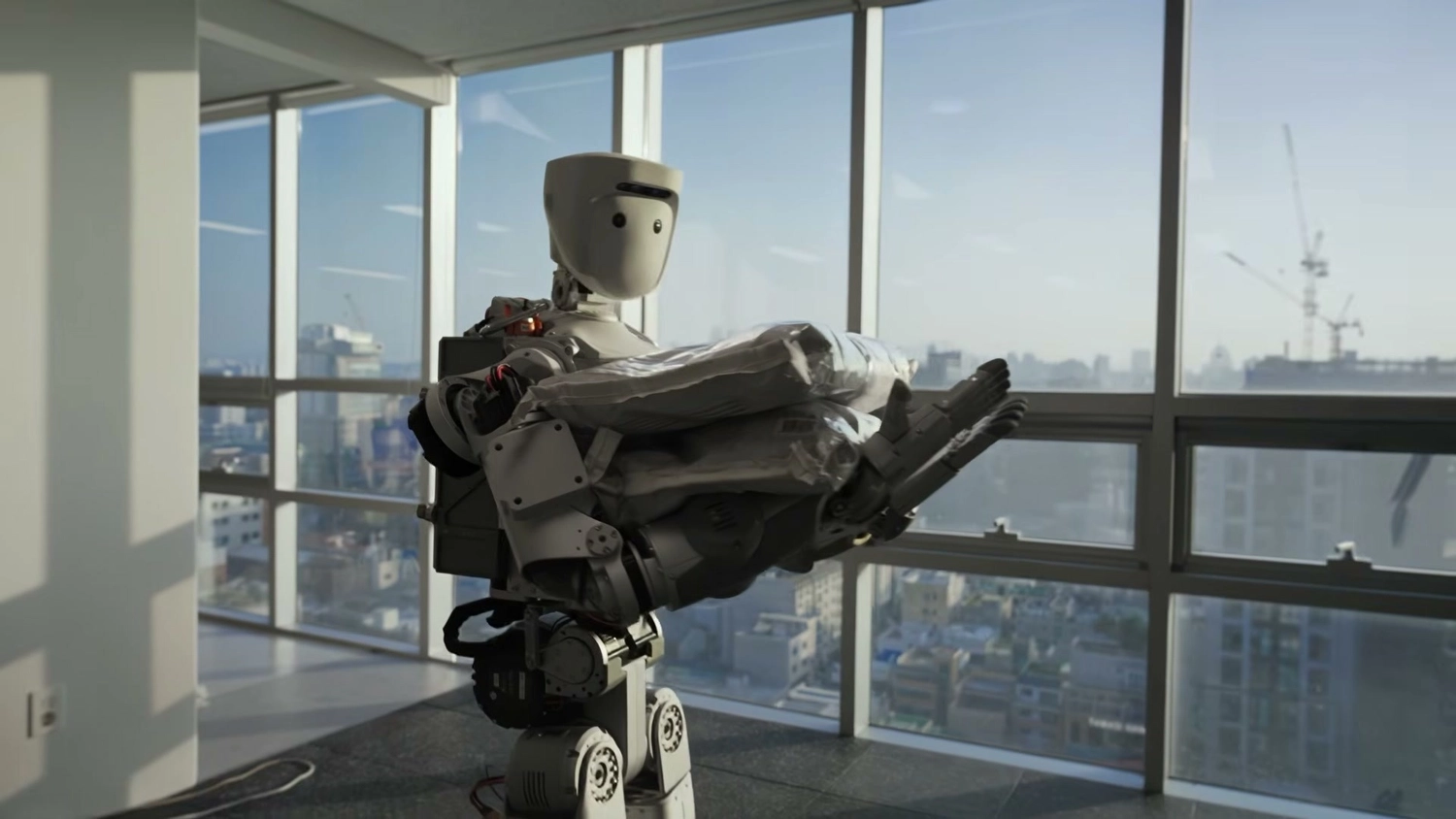
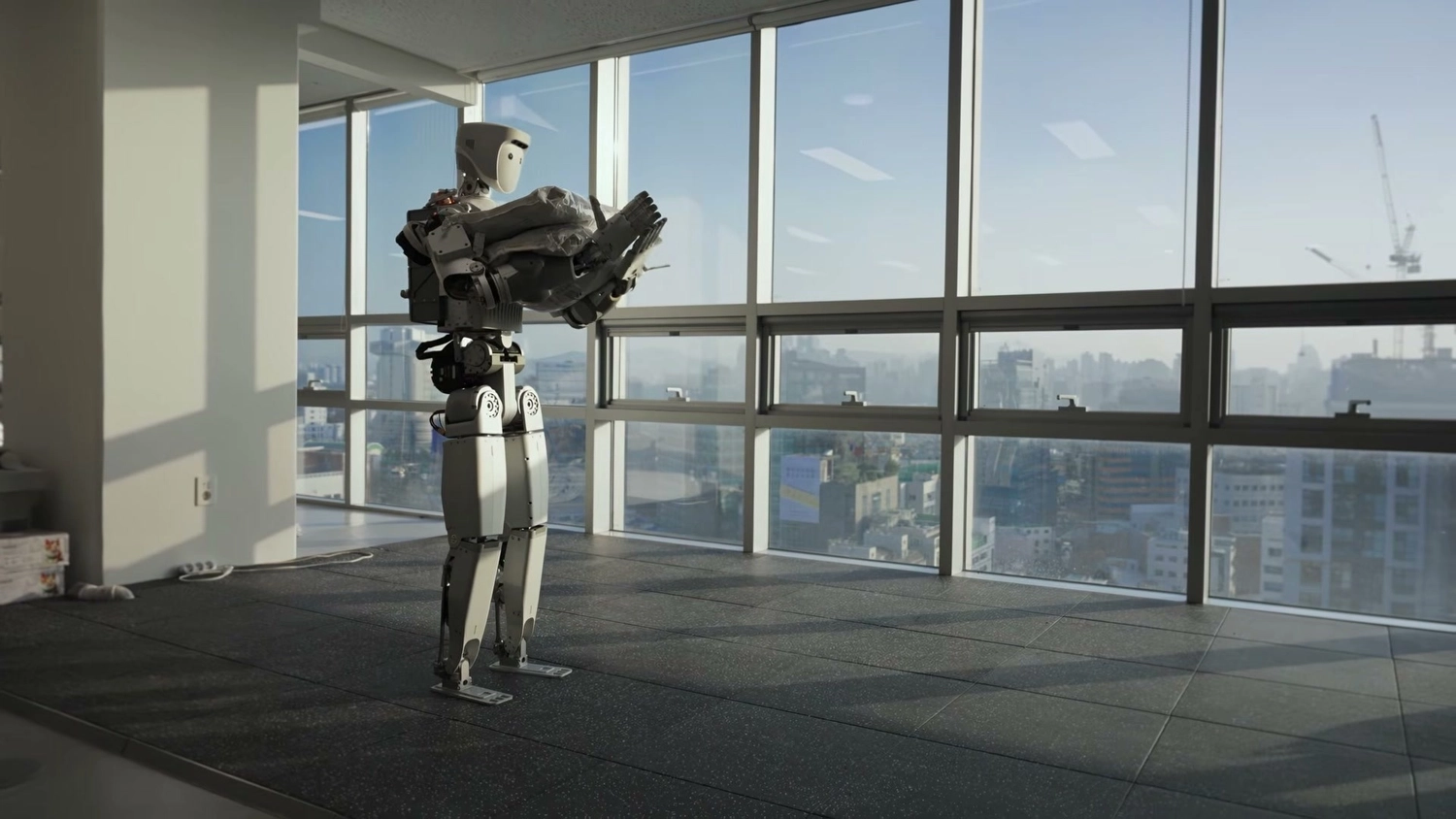
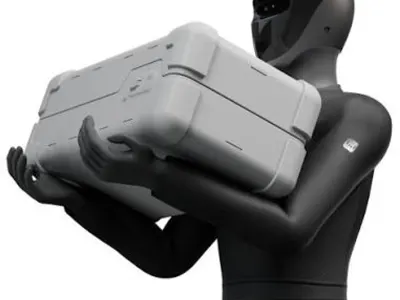
The launch film shows the idea in action. In a bright office high above a city, the silver-white humanoid stands on two legs while a worker hands it loads. On-screen labels climb from 10 kg to 20 kg and finally to 30 kg as the robot takes a larger and larger bundle into its arms.
At each step the robot stays upright and hugs the load against its chest. ROBROS marks the footage as real filming, not computer generated, and the final scenes show the robot standing steadily with the heavy bundle in its arms.
From Gentle Helper to Heavy Lifter
IGRIS-MAX arrives as a big step up from the IGRIS-C, which ROBROS describes as a bipedal humanoid standing 154 cm tall and weighing 56 kg. The IGRIS-C was built to move through tight spaces such as laboratories, factories and warehouses, and its load limit was around 6 kg with both arms.
Moving to 30 kg changes what the robot can be used for. Instead of handling small parts and light items, a robot in this class can start to move crates, tools and other heavy goods, which opens the way to jobs that are physically tough for human workers.
A Company That Already Has Robots at Work
ROBROS is not a newcomer promising a distant product. In August 2026 the company announced that it was supplying nine IGRIS-C humanoids to nine organizations, spread across semiconductor cleanrooms, automobile manufacturing plants and refrigerated fresh-food logistics centers.
Those deliveries were part of a Korean government-backed demonstration project and were made through paid contracts. ROBROS said they brought its cumulative sales of the IGRIS-C to 18 units, with 36 units built in total, so the company already knows what it takes to put humanoids into real workplaces.
Why Heavy Lifting Is the Next Big Test
Humanoid robots have often impressed in demonstrations that involve walking, dancing or waving. The harder test is carrying real weight for a full working day, because that is where motors, joints and batteries are pushed hardest, and where a robot either earns its place on a shop floor or does not.
By putting a 30 kg figure at the center of its launch, ROBROS is inviting that test. For factory and logistics managers, payload is one of the first numbers they ask about, since it decides whether a robot can do the job at all.
A Short Film With One Clear Message
ROBROS chose a one-minute film and a pair of short posts on YouTube and LinkedIn to introduce the robot, in both English and Korean. The copy is brief and built around a single idea, more power and greater possibilities, with the 30 kg carrying capacity as the number everything else points to.
For companies that might one day buy such a robot, the next questions are practical ones: how long it can hold a heavy load, how it behaves on a real production line and how it fits alongside human workers. A strong shoulder is the first answer, and the film leaves the rest for ROBROS's customers to explore.
What Comes Next for ROBROS
With IGRIS-MAX, ROBROS now has two directions in its humanoid line: a lighter robot for flexible service and inspection work, and a stronger robot for heavy industrial tasks. The slogan of the launch film, "Built for More. Ready for what's next", signals that the company sees the new model as the start of that second path.
For readers, the takeaway is that humanoids are being shaped by the jobs customers actually need done. As robots like IGRIS-MAX gain strength, the gap between a demonstration video and a working shift on a factory floor keeps getting smaller.
Explore Humanoids
Sources
Related Articles

Meet Echo FullBody, Realbotix's Life-Size, $59,950 Humanoid With 39 Moving Joints and Articulated Fingers
Agility Robotics Lines Up $465 Million and a Nasdaq Debut for Digit
Meet Sagi, PHYMI's Centaur-Style Robot With Four Wheeled Legs and a Cargo Box on Its Back
AiMOGA Unveils MOBO, a Home Companion Robot Linked to LUXEED Cars
Related Comparisons
Compare IGRIS-MAX with similar robots
Pepper vs AIREC
Pepper or AIREC? Compare these two humanoid robots on purpose, sensors, AI, arms and battery, from customer service to elderly care research.

Optimus vs Unitree G1
Compare Optimus vs Unitree G1 for humanoid mobility, dexterity, autonomy, and payload capacity.
Unitree G1 vs Unitree H1
Head-to-head: Unitree G1 vs Unitree H1 compared on bipedal balance, AI learning, and real-world deployment.
Optimus vs Atlas (Electric 2025)
In-depth comparison of Optimus and Atlas (Electric Atlas, 2025), covering hardware capabilities, teleoperation, and enterprise readiness.
Learn More About This Robot
Discover detailed specifications, reviews, and comparisons for IGRIS-MAX.
View Robot Details →