South Korea Clears 20 Robros Humanoids to Work Beside People in Factories and Shipyards
Robot Details
IGRIS-A • ROBROSPublished
October 13, 2026
Reading Time
5 min read
Author
Origin Of Bots Editorial Team
A Green Light for Robots on the Shop Floor
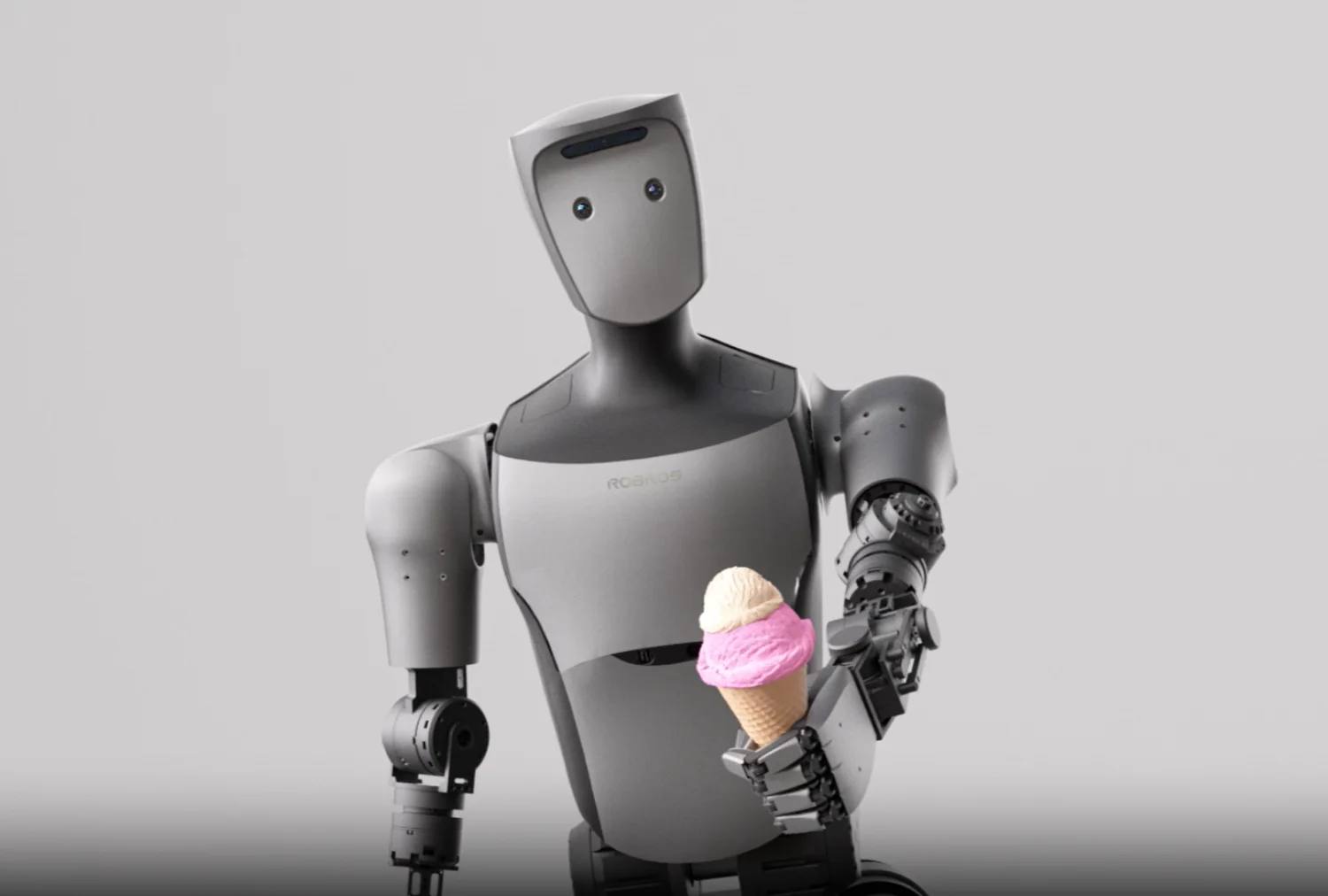
South Korea has given walking humanoid robots official permission to work alongside people in real factories. On October 13, 2026, the Ministry of Trade, Industry and Energy said a government review committee granted a special regulatory exemption to Robros, a Seoul startup, to deploy 20 AI-powered, two-legged humanoids at four industrial companies.
For ordinary workers, this is the moment the humanoid robot stops being a trade-show attraction and starts clocking in. The test covers chipmaking, car parts, shipbuilding and cold-chain logistics, four of the industries that power Korea's economy, and the data it produces will shape the safety rules for every robot that follows.
Why the Old Safety Rules Did Not Fit
Korea's workplace safety code was written for a different kind of machine. It assumes industrial robots are bolted to the floor, like the giant arms that weld car bodies, and it requires fences or barriers to keep people out of their reach. That makes sense for a machine that never moves from its spot.
A humanoid, however, is built to walk through the same aisles people use. Under the current rules, putting one next to workers was effectively blocked, and until now only individual companies could seek one-off exceptions. The committee's decision opens a formal testing path through what Korea calls a regulatory sandbox, a supervised trial zone where selected rules are temporarily relaxed.

Four Workplaces, Four Very Different Jobs
Each partner gives the robots a distinct task. At Nepes, a semiconductor packaging company, they will clean contaminants off round components used in the final stages of chip production. At Sungwoo Hitech, an auto parts maker, they will place car body panels into exact positions on the line.
The other two jobs are heavier and messier. At HD Hyundai Samho, a major shipyard, the robots will stack scaffolding brackets, the metal pieces that hold work platforms against a ship's hull during construction. At Delivery Lab, a logistics firm, they will move refrigerated shipping packaging, the kind of repetitive, chilly work that is hard to staff.
How a Walking Robot Handles the Job
According to the ministry, the robots will operate in spaces shared with or next to human workers. They use cameras and AI software to recognize what is around them, then pick up, carry and stack objects, adjusting as people and materials move. That is far harder than repeating one fixed motion behind a fence.
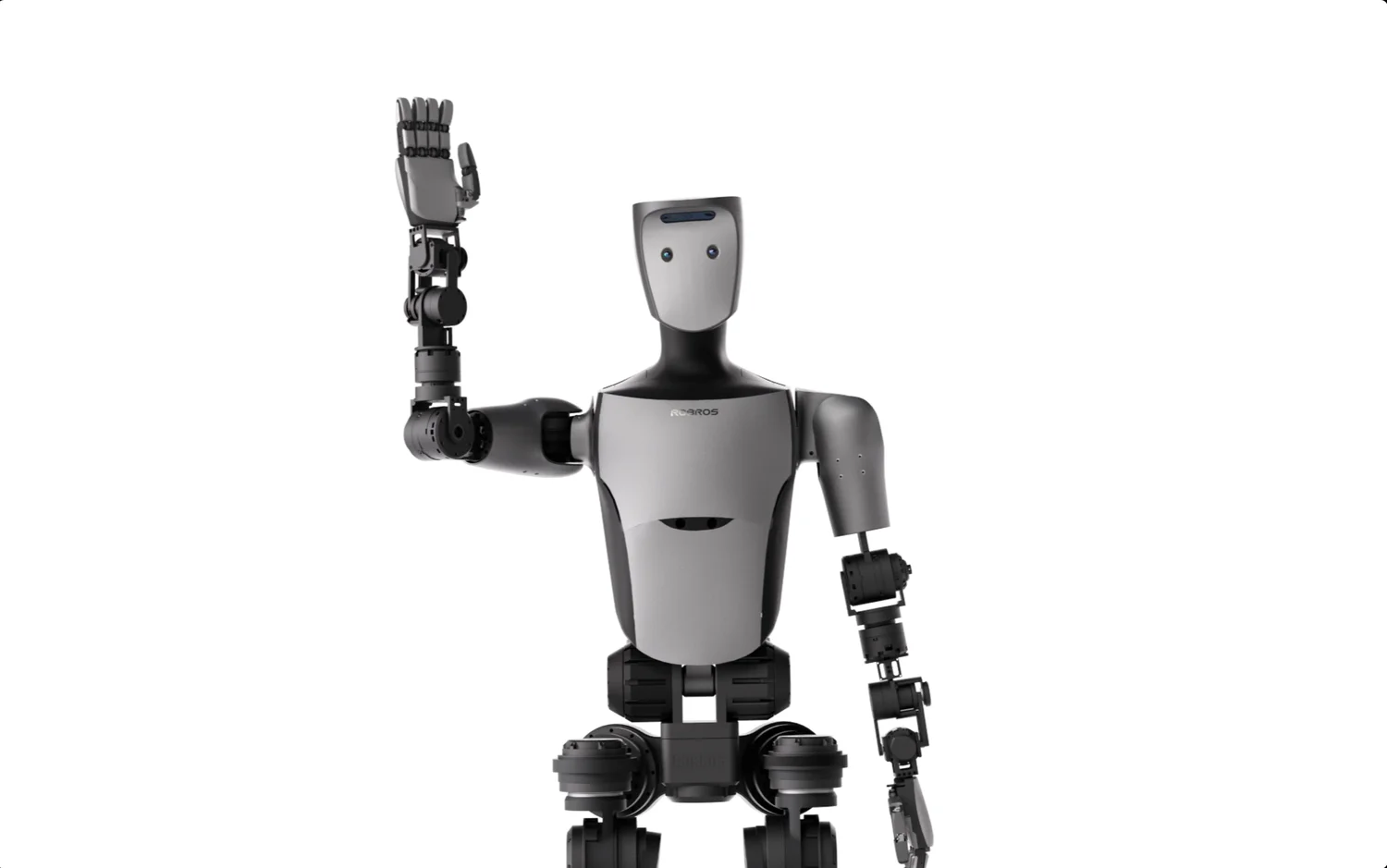
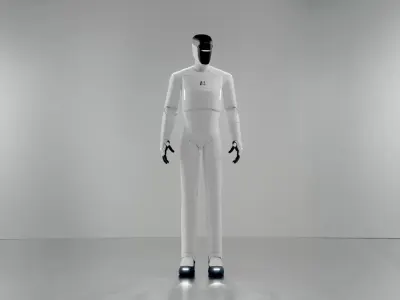
Robros builds its machines with what it calls whole-body control, meaning the software coordinates legs, torso and arms together so the robot keeps its balance while lifting. Its best-known model is the IGRIS-C, a bipedal humanoid the company already tested with Lotte Global Logistics earlier in 2026 on warehouse tasks.
The Startup That Began With a Robot Cafe
Robros did not start out chasing factories. CEO Noh Seung-joon told the Seoul Economic Daily that the company first built robots for a cafe business, then shifted after manufacturers showed far more interest than service companies. It now develops both its hardware and its AI in-house, a full-stack approach that few young firms attempt.
The company says it has sold 18 IGRIS-C units so far and expects cumulative production to pass 50 by the end of 2026. Those are small numbers next to car or phone factories, but in the young humanoid industry, a few dozen working robots is enough to generate valuable real-world experience.
The Conditions Attached
The permission is not a blank check. The government approved the trial on condition that the companies complete risk assessments and carry out the safety measures required by the Ministry of Employment and Labor. In plain terms, every site must show how it will keep people from being hurt before a robot starts work.
It is also a test, not a rollout. The ministry has not published a timeline for how long the trial will run or what results would count as success. Robros has also said it is still improving heat resistance and protection against water and dust, which matter in shipyards and chip plants.
A Race Korea Does Not Want to Lose
Trade Minister Kim Jung-kwan framed the decision as a matter of keeping pace, saying AI is advancing so fast that regulation struggles to keep up, and that the government must remove obstacles stopping companies from using new technology on industrial sites. The pressure is real: Shanghai alone aims to put 8,000 humanoids into factories by 2028.
Korea starts from a strong position. It installed about 30,200 new industrial robots last year, according to the International Federation of Robotics, and it has deep expertise in shipbuilding, cars and chips. Hanyang University robotics professor Han Jae-kwon said those skilled workforces make the country an ideal place to study how humanoids learn from people.
What Comes Next
The ministry plans to use data from the 20 robots to rewrite safety standards for industrial robots, so that machines which move among people are judged by rules designed for them. If the trial goes well, future companies may not need special permission at all to put a humanoid on the line.
At the same meeting, the committee also let a four-legged patrol robot walk on public pedestrian paths for the first time, a sign that Korea is loosening rules across several kinds of robots at once. For now, the 20 humanoids will be the ones to watch, and their results will travel well beyond Korea.
Sources
Related Comparisons
Compare IGRIS-A with similar robots

Optimus vs Unitree G1
Compare Optimus vs Unitree G1 for humanoid mobility, dexterity, autonomy, and payload capacity.
Unitree G1 vs Unitree H1
Head-to-head: Unitree G1 vs Unitree H1 compared on bipedal balance, AI learning, and real-world deployment.
Optimus vs Atlas (Electric 2025)
In-depth comparison of Optimus and Atlas (Electric Atlas, 2025), covering hardware capabilities, teleoperation, and enterprise readiness.

Ameca vs Moya
Which humanoid robot is better? Ameca vs Moya compared for dexterity, AI capabilities, and price.
Learn More About This Robot
Discover detailed specifications, reviews, and comparisons for IGRIS-A.
View Robot Details →